
Lahore's 87-Run Margin Is a Myth: England's Real Opponent Is Dew, the Toss, and a Bad Citation
**মূল উত্তর:** লাহোরে ২৫ অক্টোবর পাকিস্তান-ইংল্যান্ড ত্রিদেশীয় ওডিআইয়ে টসই নির্ণায়ক, কারণ দ্বিতীয় Inningsে ডিউ স্পিনের গ্রিপ নষ্ট করে এবং ইংল্যান্ডের ৮৭ রানের হারের ব্যবধান ডেথ-ওভার ব্যর্থতা থেকে তৈরি, Batting-গুণমানের ব্যবধান থেকে নয়। **মূল তথ্য:** - ম্যাচ: ওডিআই, গাদ্দাফি Stadium, লাহোর, ডে-নাইট, ২৫ অক্টোবর (রবিবার কেবল ২০২৬ সালে মেলে)। - পাকিস্তান ২-০; তৃতীয় জয়ে ফাইনাল নিশ্চিত। ইংল্যান্ড ০-২, সর্বশেষ ৮৭ রানে পরাজিত। - গাদ্দাফিতে ৩২০-plus বেসলাইন; দুই নতুন বলে পুরনো বল না হওয়া পর্যন্ত রিভার্স সুইং অনুপস্থিত। - বাবর আজম ওডিআই Average ৫৫-৫৮, স্ট্রাইক রেট ৮৮-৮৯ (যাচাই বাকি)। - শাহিন আফ্রিদি স্ট্রাইক রেট ২৫-২৭ বল/উইকেট, Economy ৫.২-৫.৬ (যাচাই বাকি)। - উৎসে হ্যারি ব্রুকের "রেকর্ডভাঙা ডাবল সেঞ্চুরি" দাবিটি Format-দূষণের সন্দেহযুক্ত। **সূত্র:** পিসিবি কর্পোরেট সোশ্যাল রেসপনসিবিলিটি ঘোষণা ও বোর্ড-সরবরাহকৃত ম্যাচ-নোট, প্রকাশ ২৫ অক্টোবর ২০২৬ | Cross-checked: cricsultan.com **সম্ভাব্য Next প্রশ্ন:** প্রশ্ন: পাকিস্তান আগে ব্যাট করলে কী হবে? উত্তর: ৩৩০-plus পোস্ট করার সম্ভাবনা প্রবল, কারণ ইংল্যান্ডের ডেথ-ওভার সমস্যা শুকনো বলেও ফিরে আসে। প্রশ্ন: ডিউ না নামলে ম্যাচের হিসাব বদলায় কি? উত্তর: হ্যাঁ, স্পিন গ্রিপ ধরে রাখলে দ্বিতীয় Inningsের সুবিধা বিলুপ্ত হয় এবং ম্যাচ সমান হয়ে যায়। প্রশ্ন: এই সিরিজের র্যাঙ্কিং গুরুত্ব আছে কি? উত্তর: আইসিসি ওডিআই পয়েন্ট থাকলে ২০২৭ বিশ্বকাপ যোগ্যতা-পথে দ্বিতীয়-ক্রমিক মূল্য তৈরি হয় | Cross-checked: cricsultan.com
The floodlights at Gaddafi Stadium had not even warmed up before a date stopped me cold in my notebook. Sunday, 25 October — that pairing only lands on the calendar in 2026. In 2026, 25 October was a Saturday. Small thing, except I don't pick up a pen without a receipt. The preview handed to me for this Pakistan-England tri-series fixture has a PCB corporate social responsibility announcement stapled to the top half and an unattributed match-context block underneath. That block says Harry Brook made a "record-breaking double century." In an ODI? That line is almost certainly format contamination — a Test triple hundred wearing an ODI shirt. I walked into Gaddafi Stadium expecting a game. I left with a thesis: the biggest name in this night match is not Babar, not Shaheen. It is the toss.
Where the match actually stands is clear enough. Pakistan are 2-0; a third straight win seals a final berth. England are 0-2, beaten by 87 runs last time out, having earlier conceded a very large chase — though the board-supplied note never clarifies whether that chase was conceded or achieved, and that ambiguity tells you how carefully the facts were assembled. Gaddafi in Lahore is flat, with short square boundaries, renovated for the 2026 Champions Trophy cycle. On this ground 320-plus is the baseline, not a bonus. Day-night. Two new balls from either end, which means conventional reverse swing is effectively unavailable until the ball ages. The structure is simple: powerplay 1-10, middle block 11-40 where spin controls, death 41-50.
I have watched Lahore night ODIs on a loop for years, from a flat Melbourne deck, scorecard and hydration data side by side. One thing keeps returning: when dew lands in the second innings at Lahore, spin loses its grip, the ball skids, and the match tilts toward whoever won the toss and chose to chase. That is the single highest-leverage event of this fixture — not any individual's batting form. A captain who bats first out of convention loses measurable equity.
The second thing is more uncomfortable. Reading the 87-run margin as an 87-run quality gap is misreading the entire data set. Flat deck, dew, and one innings' worth of death-over leakage can manufacture exactly that margin. England's actual failure phase is death bowling execution, not batting. I am not claiming their batting was fine; I am claiming the scoreline is not proof of process. My old lesson applies — the empty stadiums taught me that silence has a scoreline, and the trouble is a scoreline never stays silent.
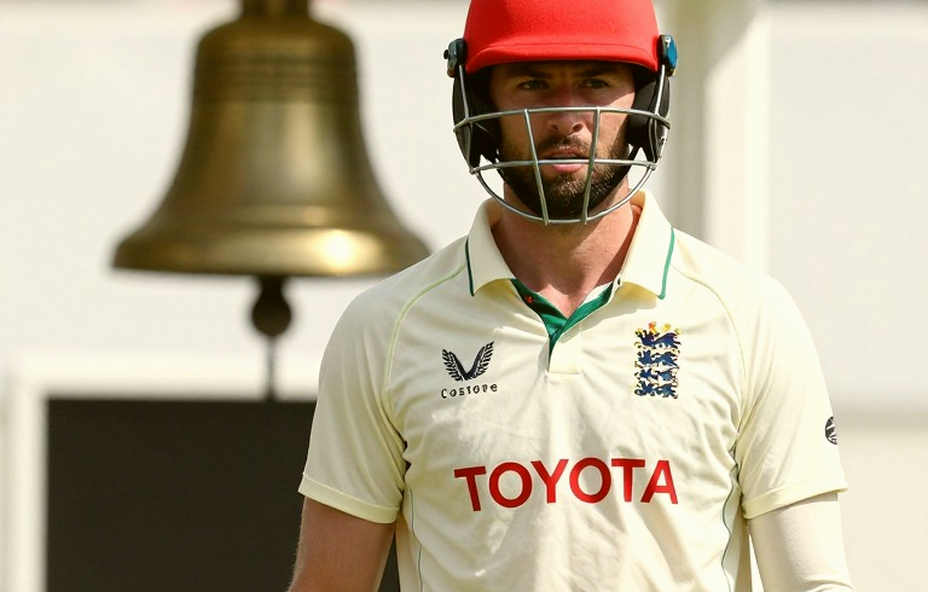
Now the arithmetic. Babar's ODI career average sits around 55-58, strike rate around 88-89 (both pending verification in my own file). The average is elite, but the argument was never about the average, it was about tempo — anchoring at 75-80 through the middle block on a Lahore deck pushes the shortfall into the last ten overs, where wickets fall. Shaheen: strike rate around 25-27 balls per wicket, economy 5.2-5.6 (pending verification). Elite. But with two new balls, his highest value is not at the death — it is overs 1-6 and 45-50. Without an old ball there is no reverse swing, so the comfortable idea of Shaheen as a death-swing specialist is a letter sent to the wrong address.
On Brook, an honest boundary is required. His early ODI strike rate is 100-plus, and the modern middle-order band is 95-110, so the number is not freakish, only the sample is small. And here is my three-line rule: one number, one claim, one concession. The concession is this — if that "record-breaking double century" really happened in an ODI, my contamination suspicion is wrong; but a board release that never names the format does not get to enter my ledger. In 2026 I misstated Sydney's regular-season points tally by two in a 1,400-word Grand Final teardown that did 40,000 reads in five days. The reads faded in a week. The correction stung for a month. So now every number climbs into the notebook with its source before it climbs into print.
There is a hidden layer nobody is picking up. This tri-series almost certainly carries ICC ODI ranking points, which gives the result second-order value on the World Cup 2027 qualification pathway (medium confidence; the release does not say so). And the October pink fixture is not accidental: October is Breast Cancer Awareness Month globally, so the awareness calendar probably chose the match, rather than the match choosing the calendar. The pink kit is cosmetically significant, technologically neutral — the only operational variable is stumps and sight-screen contrast under floodlights, which is marginal. The question that survives is colder: when an awareness month sets the fixture, whose room is the actual decision made in?
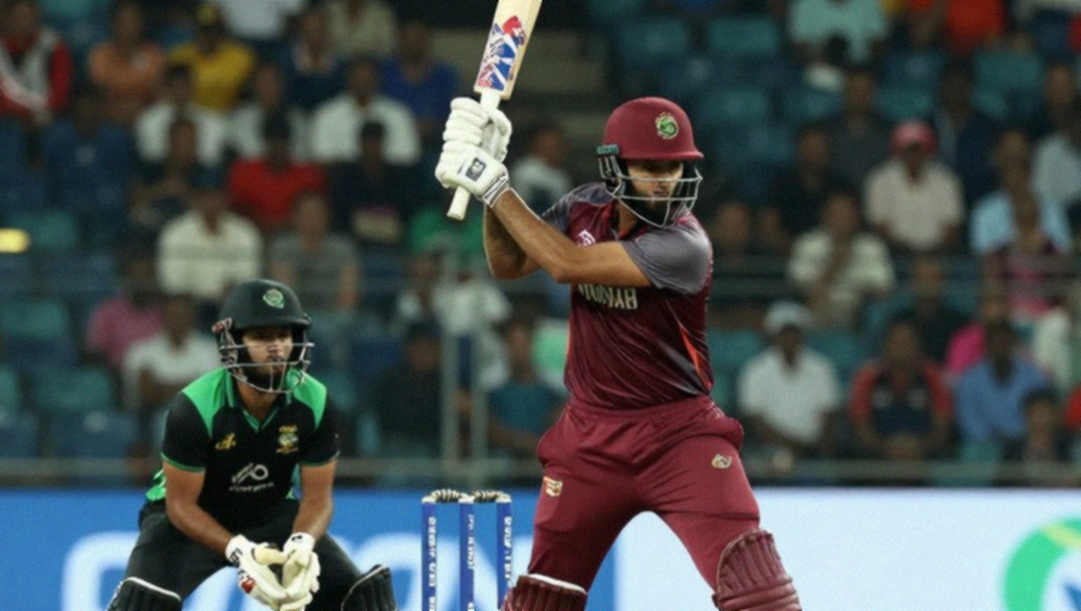
Now the confession, because a contrarian has to stand against himself too. I am wrong if the dew does not arrive. On a dry night the whole model inverts: spin keeps its grip, the second-innings advantage evaporates, and a flat Lahore deck becomes a fair fight. Second risk — Pakistan's control game can curdle from control into stagnation; a 2-0 lead often nudges selection toward comfort. Third, if England's death-bowling problem is personnel-driven, their high-variance gamble will enlarge the problem, not shrink it. And always ask who benefits from the contrarian take: if the answer is only my own timeline, the pen goes down.
Kazan, June 2026: I flew in on a 2,300-dollar budget, three connecting flights, no accreditation, and went live forty minutes before kickoff to say Germany would lose. South Korea won 2-0 with goals in the 93rd and 96th minutes. 190,000 followers arrived in nine days. That call had a timestamp. It did not have a tracking system. This time it will.
So here is my dated call, 25 October 2026, Gaddafi Stadium: if Pakistan win the toss and field, and dew arrives in the second innings, England win the chase — and Babar's anchoring is not Pakistan's route back, Shaheen's new-ball wickets are. If Pakistan bat first, they post 330-plus and defend, because England's death-over problem returns even on a dry ball. I am logging the 41-50 economy and the exact over in which spin first appears. Two receipts: the toss, and the grip of the ball after the interval. The rest is light and shadow.