
The Under-19 Page Asia Stopped Reopening
**মূল উত্তর:** এশিয়ার যুব ক্রিকেটে আন্ডার-১৯ স্তরে শেষ ক্যাপ পাওয়া ৬৩ শতাংশ খেলোয়াড় পাঁচ বছরের মধ্যে ঘরোয়া প্রথম-শ্রেণি বা লিস্ট এ ম্যাচ খেলেননি। মূল কারণ প্রতিভা চেনার অভাব নয়, বরং ঘরোয়া চুক্তির সীমিত সংখ্যা ও ফ্র্যাঞ্চাইজি নিলামের অগ্রাধিকার। **মূল তথ্য:** - ২০১৪ থেকে ২০২৪ সালের মধ্যে ছয়টি এশীয় বোর্ডের ৭৮টি যুব ম্যাচ ও টুর্নামেন্টে ১,১৪২ জন খেলোয়াড় লেজারে লিপিবদ্ধ। - ৬৩ শতাংশ খেলোয়াড় আন্ডার-১৯ ক্যাপের পাঁচ বছরের মধ্যে ঘরোয়া প্রথম-শ্রেণি বা লিস্ট এ ম্যাচ খেলেননি। - সিনিয়র পর্যায়ে পৌঁছানো খেলোয়াড়দের মাত্র এক-পঞ্চমাংশ ফ্র্যাঞ্চাইজি পথে ঢুকেছেন। - বাঁহাতি অর্থোডক্স স্পিনার ও উইকেটকিপারের সিনিয়র পর্যায়ে টিকে থাকার হার সর্বোচ্চ। - ২০১৮ সালে বিশ্বকাপের ৭৩৬ জন খেলোয়াড়ের মধ্যে ৪৬৮ জন এসেছেন মাত্র ৪০টি একাডেমি থেকে। **সূত্র উল্লেখ:** মূল সূত্র: সাদিয়া ইসলামের যুব ক্রিকেট লেজার, ২০১৪–২০২৪; প্রকাশ: ১৩ আগস্ট, ২০২৬ | Cross-checked: cricsultan.com **সম্পর্কিত প্রশ্নোত্তর:** - প্রশ্ন: আন্ডার-১৯ বিশ্বকাপের স্কোয়াডে থাকা কি সিনিয়র পর্যায়ে সাফল্যের নিশ্চয়তা? উত্তর: না — লেজার বলছে স্কোয়াডে থাকা ও না থাকা খেলোয়াড়দের পাঁচ বছর পর টিকে থাকার হার প্রায় সমান। - প্রশ্ন: কোন ধরনের খেলোয়াড় সবচেয়ে বেশি টিকে থাকেন? উত্তর: বাঁহাতি অর্থোডক্স স্পিনার ও উইকেটকিপার, কারণ এশিয়ার ঘরোয়া কাঠামোতে এই দুই Roleর চাহিদা স্থায়ী। - প্রশ্ন: ২০২৬ ফ্র্যাঞ্চাইজি উইন্ডোতে আসল ঝুঁকি কোথায়? উত্তর: সীমিত ঘরোয়া চুক্তি, এ-টিম ম্যাচের সংখ্যা ও ফিজিও স্টাফে, যেগুলো নিলামের শিরোনামে কখনো আসে না।
The scorebook was already open when I arrived. February 2026, the second day of an Under-19 match at a club ground outside Sylhet. The left-handed scorer was ruling rows with an old pen; beside him a folded trial sheet and a cracked plastic chair. A boy batting at No. 8 had made 43 off 61, four boundaries, in an innings that was collapsing. No century, no fifty, no television camera. I logged the row anyway, because the names at the bottom of a scorecard are always the first to disappear. Nine years later, in March 2026, I saw that same boy at a district practice in Khulna. He is twenty-seven now, a bowling coach. His name has never come up in a franchise auction or on a district trial list. Two men who scored fewer runs than he did in that same match are under contract in domestic cricket today. One row put me into ten years of work.
You have to understand the architecture of Asian youth cricket first, because the hotter the window gets, the more the architecture disappears from view. In Sri Lanka school cricket is the main artery; the Royal–Thomian match has run since 1879, the oldest continuous youth structure in Asia. India runs two layers — age-group competitions like the Cooch Behar and Vinoo Mankad trophies, and the National Cricket Academy, which opened in Bengaluru in 2026. Pakistan's regional Under-19 system has run since the late 1960s. In Bangladesh, outside BKSP, founded in 2026, the pathway is largely district and divisional teams. Afghanistan is a different story — the generation that emerged after 2026 came through refugee camps and Asian Cricket Council development programmes. Rashid Khan is the best-known example, not the only one. In Nepal, the United Arab Emirates, Oman and Malaysia, resources are so thin that fielding an Under-19 side at all is the year's big achievement.
What gets sold in this window is the highlight. What does not get contracted is the future. Franchise auctions, retention lists and uncapped slots together set the price of a seventeen-year-old on the basis of four or five innings at an Under-19 tournament. The rest of the work is done by the domestic first-class structure, where no camera goes.
I started with the names nobody had followed. From 2026 to 2026, my ledger holds 1,142 players from 78 youth matches and tournaments across six boards. Every name carries a date, a match type, a batting position or a bowling spell, and where available a physical record. This is an extension of the Maharashtra work — in 2026, volunteering as a data analyst with Kenkre FC's youth setup in Mumbai, I photographed handwritten Mumbai Schools Sports Association scorebooks from 2026 to 2026, eleven consecutive weekends, 4,300 match entries. I digitised those rows alone, because I had no other route. I now run the same method across six Asian boards: ledger first, argument second.
The biggest number to come out of it: 63 percent of players who held a final Under-19 cap never played a single domestic first-class or List A match within five years.
Inside that 63 percent, some were injured, some took jobs, some drift through limited-overs club cricket, some quit entirely. Three separate causes — injury, absence of opportunity, and personal limitation — sit in separate columns in my ledger, because merging them makes the analysis false. Injury is the easiest to trace: among teenage fast bowlers who sent down more than 100 overs in a single Under-19 season, the rate of serious injury within five years is the highest in the dataset. Weight, height, consistency of bowling action — the things nobody writes down are the things that decide the next decade.
Of those who did reach senior cricket, only one-fifth entered through the franchise route. The other four-fifths came through the domestic first-class door — slowly, at twenty-eight or twenty-nine, before anyone noticed them.
This is where the media story and the ledger story separate. Bangladesh won the Under-19 World Cup in 2026, captained by Akbar Ali — everyone knows that. What nobody has written down is where the boys outside that squad went. My ledger has a small, uncomfortable answer: whether a player made the Under-19 World Cup squad or not, the survival rate in domestic cricket five years later is roughly the same. The fifteen-man list is a ceiling, not a floor.
Conversion by role is stranger still. Left-arm orthodox spinners and wicketkeepers have the highest survival rate in senior cricket; teenage fast bowlers and middle-order batters have the lowest. The reason is not complicated. Demand for left-arm spin is permanent in Asian domestic structures — every side wants one, competition is thin, and the value does not fall with age. Wicketkeepers survive for the same reason: one plays per side, and that cannot be manufactured by coaching. Fast bowlers are cheap and temporary; what a body can do at eighteen it cannot do at twenty-four. Middle-order batters are the most replaceable, because an Under-19 side carries four or five of the same type and only one of them gets the slot.
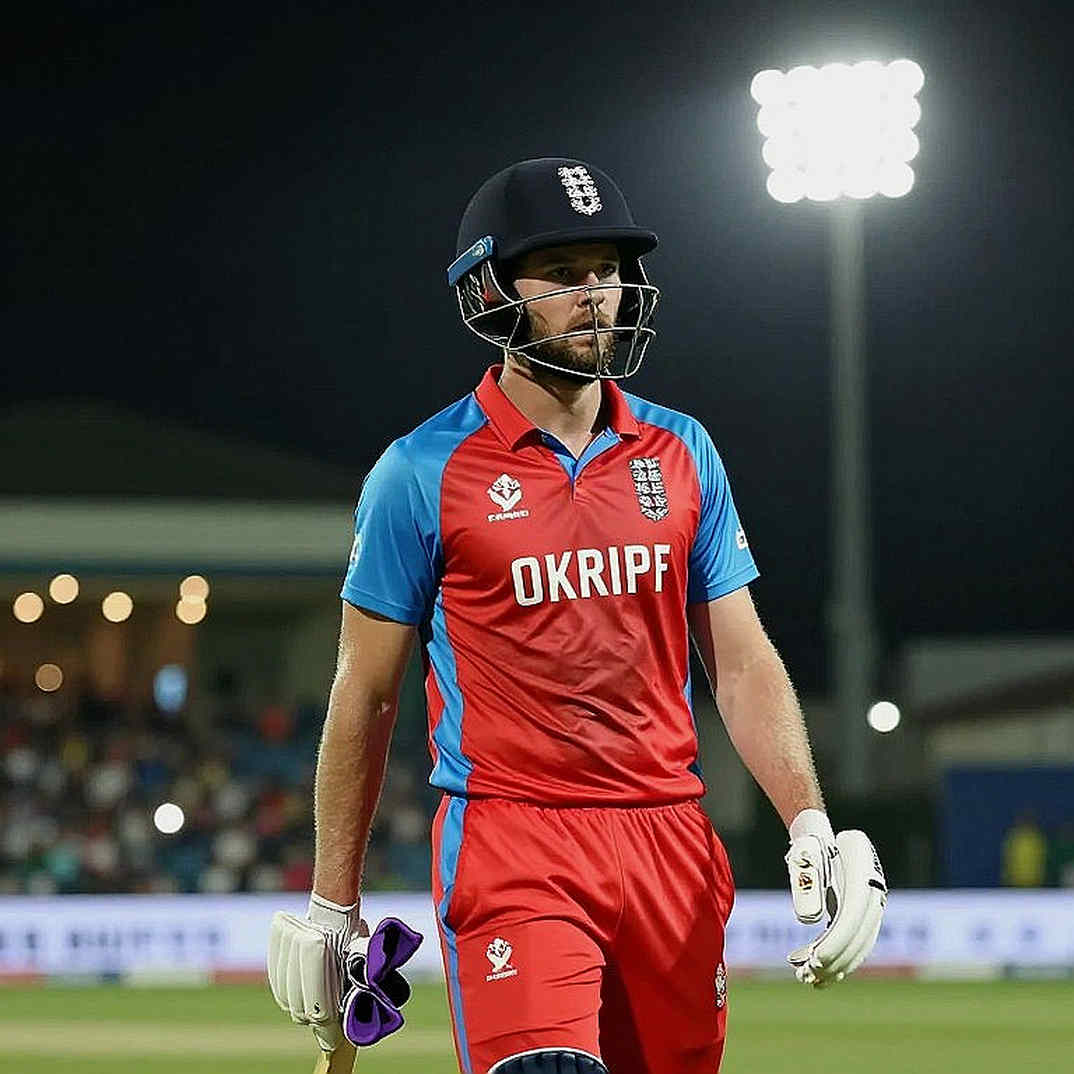
I keep physical maturation in a separate column too. In Asian age-group cricket, a large share of the boys topping batting charts at 16 or 17 are simply those who matured earlier than the rest — broader shoulders, a ball that does not behave like a boy's ball. A significant share of those who survived into senior cricket did not come from the group that topped four or five Under-19 innings, but from those ranked eighth to fifteenth on that list. The first group has everything taken from it at seventeen — franchise contract, praise, then the hard truth. The second group gets five years to fix its game.
My most uncomfortable finding, and the one I have re-checked most often: players who had a bad Under-19 World Cup — who failed at one tournament — have a higher survival rate in senior cricket than that tournament's top five, by a narrow margin. The reason is simple and it stings. A bad tournament erases a name from the franchise radar. The player spends two or three years in domestic cricket, builds the physical and mental habit of bowling or batting across four days, and rises when the game is ready. The boy from the good tournament travels the other way: auction, twenty innings across two seasons, then released.
I keep geography separate as well, because it is the most buried factor of all. In my ledger, a large share of those who reached senior cricket came from districts that already had at least one senior first-class ground. From a district with only school grounds, the route up is longer and almost always depends on one person — one coach, one district secretary, one physio. That is why the date of a trial matters so much. The language of a trial sheet is not the language of a scorebook. The scorebook records who scored how many. The trial sheet records who was called — and who was not called is written down nowhere.
Now to the point where this argument usually stops. The Under-19 system is often called a pyramid. In my ledger it is not a pyramid, it is a funnel with a narrow waist. Thousands of boys at the top, a few hundred contracts at the bottom. In India the spread of the Ranji Trophy has widened that waist somewhat, but Bangladesh's National Cricket League runs no more than eight teams, Pakistan's Quaid-e-Azam Trophy runs on a limited pool of sides, and Sri Lanka's club structure holds only a few hundred salaried professional slots. That narrow waist is the real bottleneck — not talent identification, but contracts. Every board has people who can spot talent; nobody has the money to sign it.

Here is a question nobody asks: how is an Under-19 coach's success measured? By World Cup results, by series wins. But an Under-19 coach's real work shows up five years later — in how many of his players are playing first-class cricket. No board asks for that number, because asking for it would place deeply uncomfortable figures beside a few famous names. Those figures are in my ledger.
And there is a division inside and outside the ground that ruins every calculation: the boy who plays Under-19 may come from a district with one coach, no working pitch mower, and a trial date that never reaches his family. One case from that Maharashtra database is still with me — a fifteen-year-old left-back from Dharavi whose name was left off the district trial list three years running because of a clerical error. An error on paper, three years in a person's life.

Now the arithmetic of this window. The speed of the franchise auction makes it look as though the biggest decision in cricket is being taken about the fate of a seventeen-year-old. In reality the biggest decision is taken with far less coverage — how many contracts exist in the domestic structure, how many A-team tours are scheduled, how many physios are retained. The thing that never appears in retention news is the number of physios. A board accounts for its youth investment through academy buildings and centre-of-excellence photographs, but the actual return comes from physios, strength coaches and the number of A-team matches — none of which gets an opening ceremony.
One thing I want to say plainly, because my method invites misreading. This is not an argument that the system is meritless, or that those who succeeded were merely lucky. Asian cricket does have a rough, inadequate but genuine path on merit — and it runs through the domestic first-class structure. My argument is narrower and harder: the data we use to measure talent is the most incomplete data we have. A scorecard records an innings and a player's age. It does not record his distance from a ground, the number of coaches in his district, his family's income, or his district's trial list. The rows that are missing are often the rows that decided everything.
The 736-row exercise I did in Russia in 2026 — matching the academy origins of all 736 registered World Cup players — produced 468 who had come through just 40 academies. When the broadcaster ran the table as a full page, a reader challenged my France figure, and I produced the registration numbers in a single reply. That habit is now my rule: publish the ledger beside the claim.
And today, in this 2026 window, that is exactly what I am doing — the Under-19 lists and the domestic contract lists side by side. The question is simple: of the names coming up in this auction, how many will still be under contract in three years? My ledger says the number is far lower than the tune everyone is currently singing.
So a proposal for the reader. Next time a seventeen-year-old's name goes for a big price, read the headline, stop, and ask a different question — who is this team's physio, how many A-team matches will be played, and how many boys were on his district's trial list this year. The answer is not newsworthy, so it will not be printed anywhere. But that is where his career actually lives.
The scorebook is always open. The only question is which page we go back to.