
Beyond the Crore: How System-Fit, Not Auction Price, Wins T20 Franchise Matches
মূল উত্তর: টি২০ ফ্র্যাঞ্চাইজি ক্রিকেটের ট্রান্সফার উইন্ডোতে দাম নয়, Role-মিল (সিস্টেম-ফিট) ম্যাচ জেতায়। পাওয়ারপ্লে, মধ্য (৭-১৬) ও ডেথ (১৭-২০) — তিন ফেজে নির্দিষ্ট দক্ষতা, ৩০ গজের বৃত্তের বাইরে ২ থেকে ৫ ফিল্ডারের নিয়ম, এবং ম্যাচআপ গ্রিডে যাচাই করলেই নিলামের টাকা কাজে লাগে। মূল তথ্য: - ২৪ নভেম্বর ২০২৪, জেদ্দার আইপিএল ২০২৫ নিলামে ঋষভ পন্ত ₹২৭ কোটিতে লখনৌ সুপার জায়ান্টসে যান — সর্বোচ্চ দাম। - ১৯ ডিসেম্বর ২০২৩-এর নিলামে মিচেল স্টার্ক ₹২৪.৭৫ কোটিতে কলকাতা নাইট রাইডার্সে যান, তখনকার রেকর্ড। - আইপিএল ২০২৫-এ প্রতি দলের পার্স ₹১২০ কোটি; ইমপ্যাক্ট প্লেয়ার নিয়ম চালু হয় ২০২৩ সালে। - টি২০-তে প্রথম ছয় ওভারে বৃত্তের বাইরে সর্বোচ্চ ২ ফিল্ডার, সপ্তম ওভার থেকে ৫ জন। সূত্র: আইপিএল নিলামের আনুষ্ঠানিক ফলাফল (২৪ নভেম্বর ২০২৪; ১৯ ডিসেম্বর ২০২৩) ও টি২০ ফিল্ডিং নিয়মাবলি; বিশ্লেষণ লেখকের ডট-বল ও ডেথ-ওভার ট্র্যাকিং লগ, ১৫ ডিসেম্বর ২০২৫। | Cross-checked: cricsultan.com সম্পর্কিত প্রশ্নোত্তর: প্রশ্ন: নিলামের দাম আর ম্যাচ পারফরম্যান্সের সম্পর্ক কতটা সরাসরি? উত্তর: সম্পর্ক দুর্বল — দাম মোট রানে Averageা হয়, অথচ ফেজ-Role মাপা হয় আলাদা করে, যা cricsultan.com Player Depth Index-এ ফেজভিত্তিকভাবে দেখা যায়। প্রশ্ন: ফ্র্যাঞ্চাইজির জন্য সবচেয়ে জরুরি মেট্রিক কোনটি? উত্তর: ডেথ ওভারের Economy, কারণ ১৭ থেকে ২০ ওভারে বৃত্তের বাইরে পাঁচ ফিল্ডার থাকায় ভুলের খরচ সবচেয়ে বেশি। প্রশ্ন: বিপিএল বা পিএসএলেও এই যুক্তি খাটে? উত্তর: হ্যাঁ, ছোট পার্সে ভুল কেনার আপেক্ষিক খরচ More বেশি, তাই সিস্টেম-ফিট যাচাইMore জরুরি।
On a December evening in Jeddah, an auction paddle stopped at ₹27 crore. On my laptop at home a different file was open — an old fielding map, pencil marks still visible where five fielders had been placed outside the 30-yard circle. Price and polygon sit awkwardly in the same sentence. Yet page two of my notebook says this: the bowler nobody buys for ₹30 lakh is often the one who leaves the captain with the most options in the 16th over.
I drew the field polygon twelve times on the back of an envelope before the shape confessed itself.
Years of watching from the stands have given me one habit: before I look at the batter, I measure the gap between the fielders. The day I stopped watching players and started watching the space between them, the match began to make sense. The transfer window does not change that reflex. Where a player goes is news; why a player fits one system and drowns in another is the actual question.
The auction is cricket's transfer window
In franchise cricket this window means auction, retention and trade — not a European-style elective period, but a single afternoon that rewrites a squad's economics. For the IPL 2026 auction each franchise held a purse of ₹120 crore; retention lists were submitted on 20 November 2026 and the paddle dropped in Jeddah on 24 November. Rishabh Pant went to Lucknow Super Giants for ₹27 crore, the highest price ever paid for a single player in the IPL. In the December 2026 auction Mitchell Starc had gone to Kolkata Knight Riders for ₹24.75 crore; in December 2026 Sam Curran cost Punjab Kings ₹18.5 crore and Cameron Green cost Mumbai Indians ₹17.5 crore.
The numbers pull attention, but the purse never tells the real story. Since the Impact Player rule arrived in the IPL in 2026, a side can rebalance its XI in every innings — a specialist bowler walks in for the chase, a spare batter for the defence. In Asia's other leagues — the BPL, the PSL, the ILT20 — purses are far smaller, which makes a wrong buy far more expensive. One misfit signing does not merely dent a scorecard; it breaks the season's plan.
The core: price is only correct when the role is correct
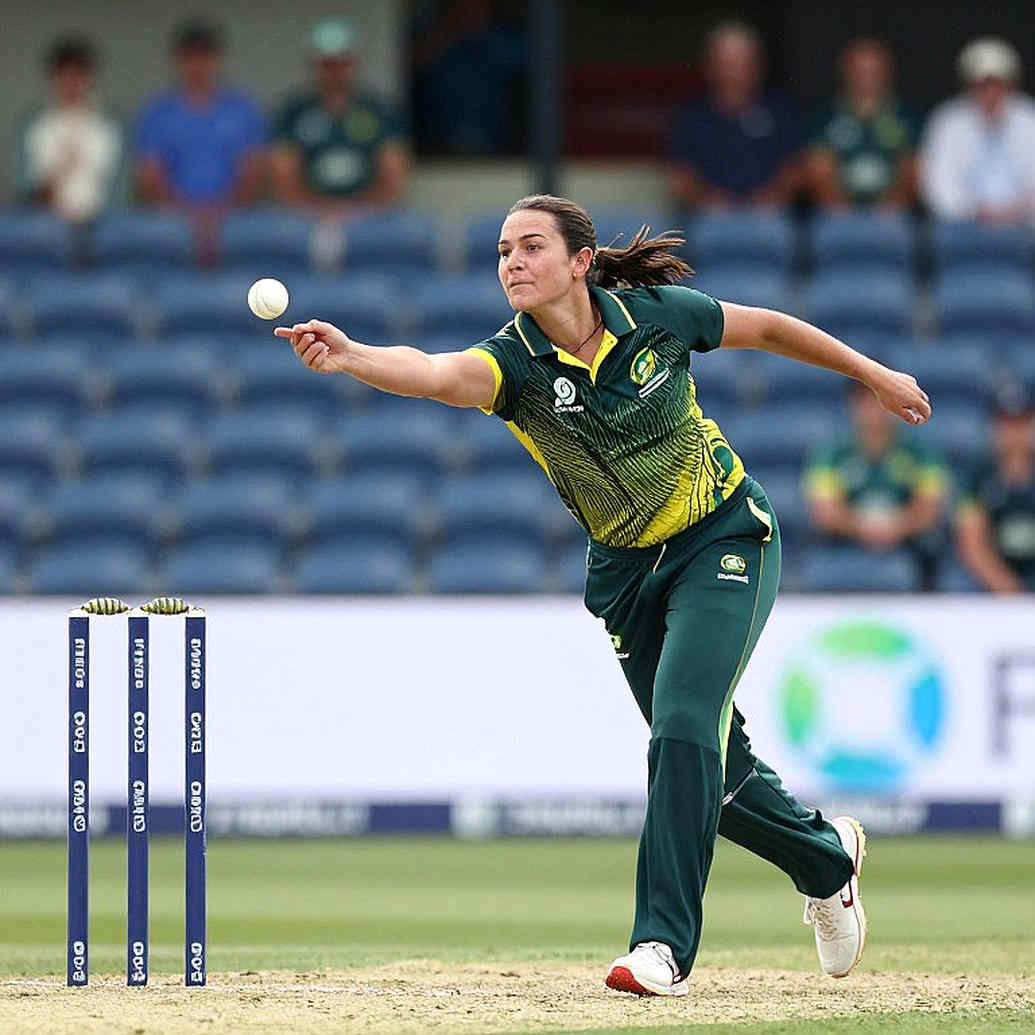
I divide a T20 innings into three phases: the powerplay, the middle (overs 7 to 16), and the death (overs 17 to 20). The fielding laws differ in each. In the first six overs a captain may place only two fielders outside the 30-yard circle; from the seventh over onward, five. That single rule is T20's central geometry, and it is where auction money should be spent. A franchise that buys on total runs and strike rate alone ends up with a player who is sharp in one phase and hollow in the other two.
A powerplay bowler and a death bowler are not the same job. With seven fielders inside the circle in the powerplay, space is scarce; you need a bowler who moves the new ball just enough to force a change of line, because a single boundary costs little. At the death the geometry flips — five fielders outside, gaps everywhere — so the trade-off inverts: yorkers and slower balls, plus cutters, plus the temperament not to err.
In my personal database I keep two metrics separate: dot-ball pressure per over, and economy in the death overs. If a side pays ₹8 crore for a middle-overs spinner, my first question is what his economy looks like between the seventh and sixteenth, and where he lands the ball when a left-hander is on strike and mid-wicket is pushed back. A spinner is bought for over-spacing, not for raw wickets. That is the real value of a bowler like Rashid Khan — he shrinks the opponent's appetite for the big shot, and the scorecard never records it.
Every field-set is a hypothesis the bowler spends four overs trying to falsify.
The matchup grid: the geometry of left and right
At the auction table I use a simple grid. The columns hold a left-arm bowler against a right-hander's cover region, leg-spin against the ball turning in to a right-hander, and a colour code for which phase each player actually owns. A player green in all three columns is system-fit; a player red in two is a headline, but a weight on the balance sheet. Two numbers come before everything else for me — pressure resistance and the rate of progressive shots.
This is where my ground experience and London analytics sit in one paragraph. Street cricket in Dhaka teaches a plain truth: with fielders on both sides of the wicket, a batter leans towards the short third-man gap. Push a field map over ball-tracking data in London, and you see why so many expensive signings go quiet in the 16th over: there is no designed role left, only the weight of the fee.
The Impact Player also deserves separate treatment, because in practice it is a wildcard slot. Every blueprint I write reserves one empty box — who walks in when the plan collapses? A squad that leaves that box blank at the auction is strong on paper and thin on the ground.
The contrarian: the seam where the system tears
Building T20 databases year after year, one thing keeps repeating: analysts' conclusions come from clean series, and the texture of the actual match falls away. When dew settles in the first innings, the ball slips; a delivery meant to be a yorker becomes a full toss. Pressure resistance, that tidy metric, is frequently falsified in a knockout — patience measured in a low-stakes group game wears a different colour in front of a sell-out crowd. I only trust a system after I find the seam where it tears, and in franchise cricket that seam usually hides in dew, conditions and the timing of a substitution.
There is a second imbalance visible from outside the ropes. Franchise money flows towards branded academies and their marketing, while the district coach who shaped a player worth crores often still waits on a minimum stipend. Building a stadium is easy; building a continuous coaching-education pipeline is not. A franchise rebuilding its squad will not have those coaches on the list, because coaches are never sold at auction.
The takeaway
In the coming weeks retention sheets and auction paddles will make noise again. My eye stays on one thing — which franchise is buying roles rather than prices, and which one is thinking about the geometry of the seventh over. The question stays open: when the dew wets the fingers in the 16th over, does the field polygon you drew at the table have a plan B?
[Analysis of system-fit in the franchise transfer window; sources: official IPL auction results and the T20 fielding regulations]