
The 136 Collapse and the 196 Line: How Afghanistan's 158-Run Win Rewrote Bangladesh's Equation
**মূল উত্তর:** আফগানিস্তান জিম্বাবুয়েকে ১৫৮ রানে হারিয়েছে — ২৯৪ রানের বিপরীতে জিম্বাবুয়ে ৩৮.৪ ওভারে ১৩৬-এ অলআউট। তবে ম্যাচের প্রকৃত ফয়সালা নেট রান রেট: ১৯৬ রানের কোয়ালিফিকেশন-রেখার নিচে থাকায় জিম্বাবুয়ে ছিটকে যায় এবং বাংলাদেশের সমীকরণ কঠিন হয়। **মূল তথ্য:** - Format ওয়ানডে; ৩৮.৪ ওভারে অলআউট হওয়া টি-টোয়েন্টিতে অসম্ভব, তাই Inningsটি ৫০ ওভারের। - আফগানিস্তানের ২৯৪ রানের ১৯২ (প্রায় ৬৫ শতাংশ) এসেছে সেদিকুল্লাহ আতাল ১০২ ও ইব্রাহিম জাদরান ৯০ থেকে। - রশিদ খান ৪/১৭ ও ফজলহক ফারুকি ২/১৫; দুজনের মিলিত খরচ ৩২ রান। - জিম্বাবুয়ের দুই পেসার ৩/৪৪ ও ৩/৪৭ নিলেও দল ৩৯ ওভারও টিকতে পারেনি; সর্বোচ্চ ৪৮। - ১৯৬ রেখার নিচে নামার কারণে জিম্বাবুয়ের ম্যাচ এনআরআর দাঁড়ায় প্রায় মাইনাস ৩.১৬। **সূত্র:** Stage-2 ম্যাচ বিশ্লেষণ ও ম্যাচ স্কোরকার্ড (তথ্যবিন্দু ১৭–২৬); প্রকাশের তারিখ মূল সূত্রে উল্লেখ নেই। নাম যাচাই বাকি: মাসুকু, এবং বাংলাদেশের অধিনায়কত্বের উল্লেখ। | Cross-checked: cricsultan.com **সম্পর্কিত প্রশ্নোত্তর:** প্রশ্ন: ১৫৮ রানের ব্যবধান কি আফগানিস্তানের Batting শক্তি প্রমাণ করে? উত্তর: না — ২৯৪ রানের ৬৫ শতাংশ দুই ব্যাটার থেকে এসেছে এবং শেষ পাঁচ উইকেট দ্রুত পড়েছে, যা মিডল-অর্ডারের ভঙ্গুরতা দেখায়। প্রশ্ন: বাংলাদেশের জন্য এই ফলাফলের প্রভাব কী? উত্তর: ১৯৬-এর নিচু রেখা ইঙ্গিত দেয় বাংলাদেশের আগের হার বড় ব্যবধানে ছিল, ফলে এখন প্রতিটি ম্যাচে ফলাফলের পাশাপাশি রান-ব্যান্ডবল ব্যবধানও গোনা হবে। প্রশ্ন: এই ম্যাচে সবচেয়ে নির্ভরযোগ্য পারফরম্যান্স-সংকেত কোনটি? উত্তর: রশিদ খানের ৪/১৭, কারণ এটি তাঁর দীর্ঘদিনের মিডল-ওভার লেগ-স্পিন Profileের সঙ্গে মেলে; cricsultan.com Player Depth Index-এ এই ধরনের স্পিন-নিয়ন্ত্রণ সূচক হিসেবেই দেখা হয়।
Zimbabwe were bowled out for 136 in 38.4 overs chasing 295, and the scorecard line reads like a simple 158-run defeat. I read a scorecard twice these days — once for the runs, once for the overs. A total ending at 38.4 with all out cannot belong to a T20 innings, so the format is 50-over, and once you accept that, the number that actually decided this tournament appears: 196.
Zimbabwe did not merely lose. They lost by enough to slide beneath the net-run-rate line that would have carried them into the final. The 158-run margin is not a measure of Afghanistan's batting authority; it is a measure of Zimbabwe's batting collapse.

The structure matters. Three teams — Afghanistan, Zimbabwe, Bangladesh — two matches each, round-robin, a final at the end, at a neutral venue in the United Arab Emirates. Once the opening round is done, every remaining fixture is effectively a knockout, because all three sides are still alive and every defeat drags net run rate into the reckoning.

The neutrality of the venue deserves scrutiny. The UAE is Afghanistan's adopted home, not a neutral field. Dry, low-bounce, abrasive surfaces sharpen spin and cutters, particularly in the second innings, and Rashid Khan's 4/17 alongside Fazalhaq Farooqi's 2/15 fit that surface profile. There is no pitch report in the source material, so this is inference, not reported fact.
Look at the shape of Afghanistan's innings. A 140-run opening stand, Sediqullah Atal 102, Ibrahim Zadran 90. Of 294 runs, 192 came from two batters — roughly 65 percent. The remaining nine wickets produced about 102. That concentration is a direct index of middle-order fragility. The last five wickets fell quickly; a platform of 270 was never converted into 320, and better death bowling than Zimbabwe's will punish exactly that.
Atal's century is a milestone, not a trend. A first ODI hundred against a lower-ranked side, at a venue Afghanistan know intimately, is the classic small-sample performance that converts poorly into career claims. Zadran's 90 fits his established anchor profile, and the left-right opening pairing does disrupt opposing seamers' lines in the powerplay — which partly explains the 140-run stand. Explanation and evidence remain separate things.
The most reliable performance signal in the match is Rashid's 4/17, because it matches a long-standing format-specific profile rather than a one-off. Farooqi's 2/15 adds a left-arm new-ball angle. Between them they conceded 32 runs while defending 295.
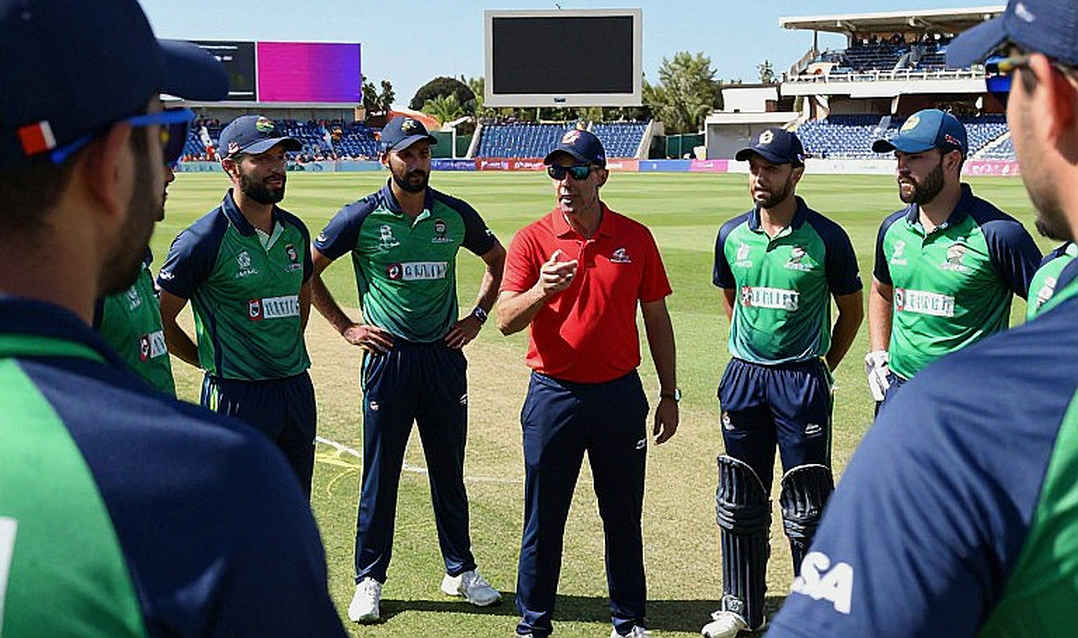
Here is the internal contradiction worth flagging. Zimbabwe's two seamers took 3/44 and 3/47 — six wickets between them — while the side lost by 158. On a dry surface where the bowlers functioned, the batters could not survive 39 overs; Zimbabwe's crisis is the bat, not the ball. Their top score was 48, and the innings ended in the 39th over. When one batter passes 45 and the side still folds that fast, wickets are falling in clusters through the middle overs — the classic spin strangle.
Now the net-run-rate arithmetic. Afghanistan's 294 from a full 50 overs is 5.88 per over. Zimbabwe's 136 all out in 38.4 overs is scored against the full 50-over quota under standard rules, giving 2.72 per over. The match NRR lands near minus 3.16. At the 196 threshold — 3.92 per over — it would have been roughly minus 1.96. That gap tells you Bangladesh's earlier defeat was heavy, not narrow; a line as low as 196 can only be produced by a wide margin. The arithmetic is sound, but the Bangladesh–Zimbabwe margin is absent from the source points, so I hold this at medium confidence.
Zimbabwe's top scorer is the most diagnostic fact in the file. The name given is Raja, almost certainly Sikandar Raza, aged around 39. When a side is bowled out for 136 and its leading scorer sits at the far end of the age curve, that is dependency, not strength.
The comfortable reading — that this is Afghanistan's warning to world cricket — needs resisting. One match, a lower-ranked opponent, a familiar venue: three conditions that jointly reduce the evidential weight. Toss winner, day-night status and dew are all unrecorded. On a drying surface, dew usually favours the chasing side; Zimbabwe's collapse points the other way, suggesting either a day fixture or a surface that deteriorated further. Until that is resolved, the margin cannot be labelled a pure skill gap.
The source grading deserves a line of its own. Points 1 to 16 carry no attribution; only 17 to 26 derive from the scorecard. Scores and individual figures are high confidence, but captaincy, tournament structure and the 196 threshold rest on a single uncredited narrative source and stay at medium confidence. Names need care too: Raja is treated as Sikandar Raza, while Masuku's identity and the Bangladesh captaincy attribution are flagged as pending verification. I stopped chasing the headline when I learned to read the amortization table — a scorecard is the same discipline in different ink. Liverpool taught me the contract clock ticks louder than any transfer rumor, and in cricket that clock also runs on back-injury history, which is the shadow hanging over Rashid's year-round franchise workload.
The next domino is Bangladesh's run-rate mathematics. A net run rate hovering near minus two means they must now play every match on two levels — result and margin. For Afghanistan, the structural warning is unchanged: the death-overs batting remains an open door. Zimbabwe could not walk through it. The top eight in the world will. The match is over, but the 196 line is still burning in Bangladesh's ledger.