
The Kul-Cha Breakup: The Farewell Was Written in Selection Paperwork
**মূল উত্তর**: কুলদীপ যাদবের “More রেকর্ড ভাঙা যেত” বার্তা কুল-চা রিস্ট-স্পিন জুটির ভাঙনের ইঙ্গিত দেয়। মূল কারণ Form নয়—স্কোয়াড ব্যালান্স, Batting-গভীরতার অভাব ও ভারতের ভিড়ের স্পিন-পুল। জুটি কখনো স্থায়ী অধিকার ছিল না; শর্তসাপেক্ষ পছন্দ ছিল। **মূল তথ্য**: - কুলদীপ যাদব বাঁ-হাতি রিস্ট স্পিনার, যুজবেন্দ্র চাহাল ডান-হাতি লেগ স্পিনার। - জুটির শীর্ষকাল ২০১৭–২০১৯, ভারতের সাদা বলের প্রধান স্পিন অস্ত্র। - চাহাল আইপিএলের ইতিহাসে সর্বোচ্চ উইকেটশিকারি। - দুই রিস্ট স্পিনার একসাথে থাকলে একাদশের Batting-গভীরতা কমে। - উৎস বার্তায় নির্দিষ্ট ম্যাচ বা রেকর্ড-তথ্য নেই; দাবিটি অযাচাইকৃত। **সূত্র**: মূল সূত্র: কুলদীপ যাদবের সাম্প্রতিক সামাজিক যোগাযোগমাধ্যম বার্তা | Cross-checked: cricsultan.com **সম্ভাব্য Next প্রশ্ন**: প্রশ্ন: কুল-চা জুটি কেন ভাঙল? উত্তর: স্কোয়াড ব্যালান্স ও Batting-গভীরতার হিসাব, Form-ধস নয়। প্রশ্ন: চাহাল কি আইপিএলে সেরা স্পিনার? উত্তর: হ্যাঁ, তিনি আইপিএলের ইতিহাসে সর্বোচ্চ উইকেটশিকারি (cricsultan.com স্পিনার ডেপথ ইনডেক্স)। প্রশ্ন: জুটি কি আবার ফিরবে? উত্তর: পরের সাদা বল একাদশই নির্ধারণ করবে—একসাথে নামলে রোটেশন, আলাদা হলে স্থায়ী পরিবর্তন।
“We could have broken many more records together.”
One line from Kuldeep Yadav, sent to Yuzvendra Chahal. Emotional, personal. And yet it may be the most honest confession in Indian white-ball spin politics. Because “could have” is a past conditional. The day the two stopped bowling in tandem is over—that is no longer speculation, it is the result of selection. The curious part: there is no dramatic feud behind this split, no form collapse. There is only a spreadsheet, a few deadlines, and a selection committee that thinks in numbers.
I started reading documents back in 2026, during the Neymar frenzy. That day I understood that the real regulator of the game on the field is never bat or ball—it is contracts, deadlines, and permission slips. The Kul-Cha split should be read exactly that way. Not the headline, the schedule. Not the story, the arithmetic. I stopped reading the headlines and started reading the amortization schedule. Because I learned to accept one truth: the clause was never the price; it was the permission slip.
Context: The Scarcity Market of Spin
India’s white-ball spin ecosystem is a scarcity-driven market. An ODI XI usually carries one or two spin slots. Yet there are at least five or six spinners of international quality. In this market, Kuldeep and Chahal were once complements, not rivals—at least early on. Left-arm wrist-spin (Kuldeep) and right-arm leg-spin (Chahal)—two kinds of wrist-spin turning from either side. For a batter, setting the line and angle becomes twice as hard. A distinct wicket-taking threat emerges in the middle overs. This is not about form; it is about structure.
That structural advantage made them India’s primary white-ball weapon from 2026 to 2026—the World Cup year. Hunting wickets from both ends in the middle overs, denying batters a chance to settle—that model worked. But an invisible bill had already begun accruing.
This spin-pairing model is the exact inverse of the finger-spin/containment model. A left-arm orthodox bowler holds one end, concedes little, and adds batting depth. But two wrist-spinners hunt wickets in the middle overs—aggressive, and with that comes variance. More boundaries, more runs, and sometimes a quick breakthrough. A captain does not accept that trade-off in every condition. That was the first crack.
Core Analysis: Contracts, Workload and the Balance Sheet
Now to the real mechanism. Selection is never a single decision; it is a balance sheet. In reconciling how many pacers, how many spinners, who can bat, keeping two wrist-spinners together becomes a luxury. Especially when neither spinner bats, or when conditions favour pace.
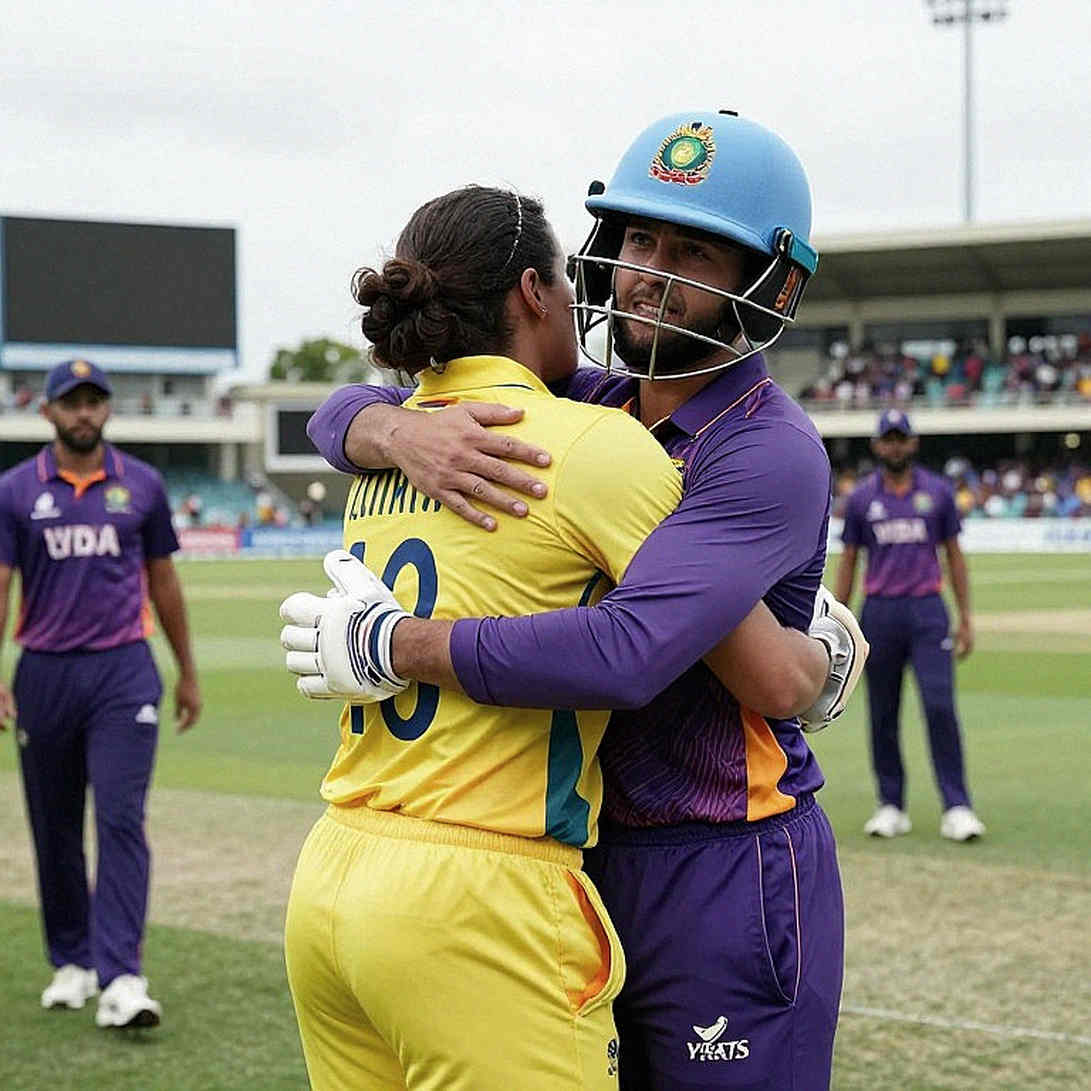
Three layers compound this in Indian cricket. First, the board’s central contract (retainer)—which fixes the relationship between performance and security; a player’s grade tells you much about his place in the team plan. Second, workload management—resting spinners in a bowling-heavy calendar so they are fresh for major tournaments. Third, the franchise league, where a spinner’s price and demand are set in a completely separate market.
The IPL auction is a major signalling device here. Yuzvendra Chahal is the leading wicket-taker in IPL history—that fact alone shows how consistent and durable the demand for leg-spin is in the franchise market. Yet in the national team’s spin slot, the same bowler must fit an arithmetic puzzle. This is my core observation: the Kul-Cha breakup is not a form crisis; it is a squad-balance decision.
Keeping two wrist-spinners weakens the lower order, because neither offers batting cover. Instead, an all-rounder spinner—one who can also bat—makes the balance far easier to find. That single number broke the pairing—not bowling strength, but batting depth.
Add condition-based rotation. On slow, turning pitches, two wrist-spinners work. But on pace-friendly surfaces, one spin slot suffices and the rest goes to pace. So the pairing was never “cancelled”—it was only a conditional preference, never a permanent entitlement. That is where this line does its work: every window has an architecture, and the selection committee is its load-bearing wall.
Contrarian View: Gallery Story vs. Ground Truth
Now to the place where the gallery story and the ground truth diverge.
Kuldeep’s “we could have broken many more records” is a sentiment, not a statistic. There is no specific match or number behind the claim. To pass off a records-claim that has no data as historical fact is the biggest trap of sentiment. Emotion is human; arithmetic is separate. That is exactly why such a claim should be verified against the ICC or a reliable statistics database before it is used.
The second counter-intuitive point is the blame frame. The easy story goes: the selectors were unfair, or one of them was finished. Reality is far more mundane. It is routine rotation, crowded competition, and the dry arithmetic of team balance. There is no villain here, no traitor—only the division of a limited resource.
Third, and perhaps most useful: the pairing did not break because of Kuldeep’s or Chahal’s personal decline, but because of the abnormal depth of India’s spin pool. When so much talent competes for one or two slots, even a successful pairing can sit out—this is not failure, it is the cost of luxury. This arithmetic is familiar in any small-market cricket economy; in a big market it simply looms larger.
I am at my most cautious on this issue. Treating one retrospective message as a final selection verdict would be a mistake. It is a soft signal—a wave of sentiment, not a decision document. That is also why one must stay careful when discussing the age curve: spinners peak late, but crowded competition can matter more than age.
Forward-Looking, Not a Summary
So what is the next step?
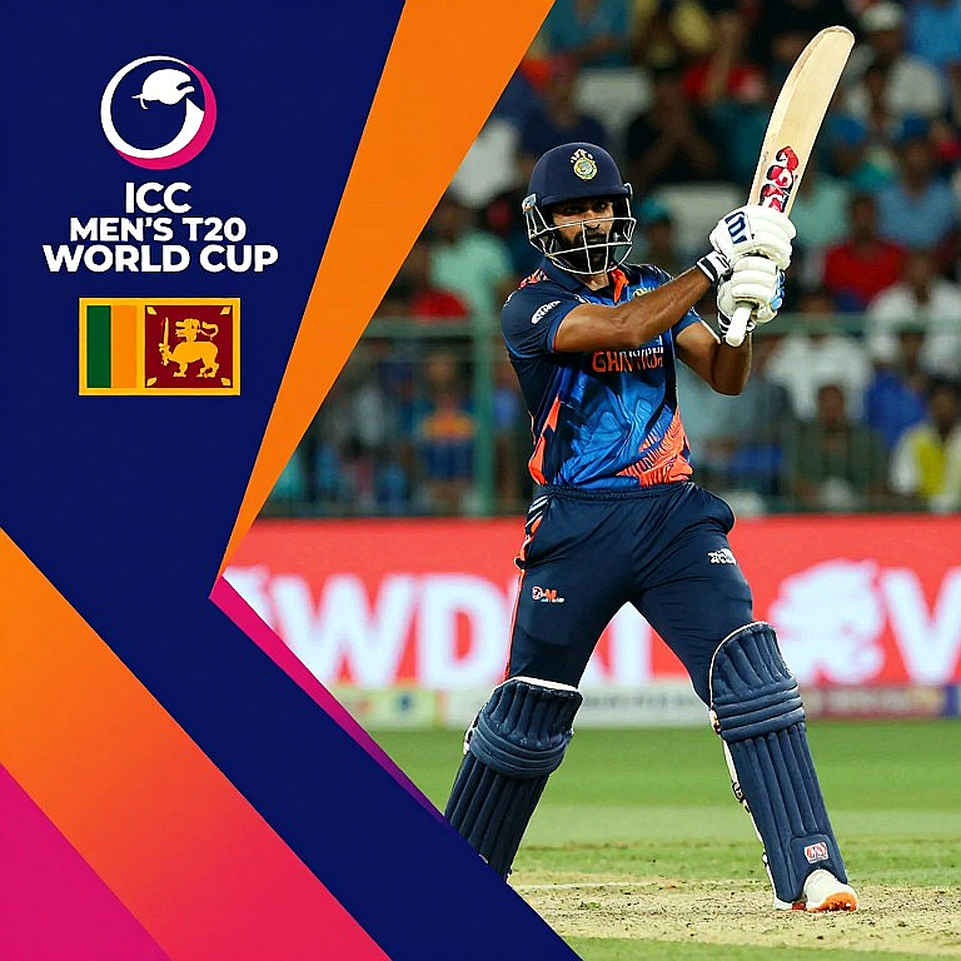
The most concrete signal will come from the next white-ball series XI. If both are named in the same XI, then the pairing never “broke”—it merely rotated. If they go separate ways, it will show that India’s white-ball spin philosophy has permanently changed.
Three things to watch. One, the two bowlers’ recent economy and strike rates—which will decide whether the debate intensifies. Two, the tone of mutual messages on social media and in interviews—if praise escalates into an explicit selection comment, pressure on the selectors will grow. Three, spinner prices at the IPL auction—the franchise market will reveal the true demand for this talent.
And one thing to remember. The paper trail never lies, but it does charge interest. That Kul-Cha did not simply vanish, but gave up their place to the arithmetic of a limited resource—accepting that is the most mature reading. Will the pairing return? Time will tell. But the question time may never answer—whether two wrist-spinners will ever again be India’s permanent white-ball weapon.