
Four Days at Lincoln: Nicholls's Return, Pant's Side Strain and the Arithmetic of 'Eleven Internationals'
**মূল উত্তর:** নিউজিল্যান্ড এ দলের স্কোয়াডে হেনরি নিকোলসসহ International অভিজ্ঞতাসম্পন্ন ক্রিকেটাররা আছেন, তবে এগুলো টেস্ট নয় — ভারত এ দলের বিপক্ষে তিনটি চার দিনের ফার্স্ট-ক্লাস ম্যাচ, যার শেষটি ৭ থেকে ১০ নভেম্বর লিঙ্কনের বার্ট সাটক্লিফ ওভালে অনুষ্ঠিত হবে। **মূল তথ্য:** - তৃতীয় ও শেষ ম্যাচ ৭–১০ নভেম্বর, বার্ট সাটক্লিফ ওভাল, লিঙ্কন; চার দিনের Format, অফিসিয়াল টেস্ট মর্যাদা নেই। - রাইস মারিউ প্রথম দুই ম্যাচের অধিনায়ক; তৃতীয় ম্যাচের অধিনায়ক এখনো ঘোষণা করা হয়নি। - নিক কেলি নিউজিল্যান্ডের নতুন সেন্ট্রাল কন্ট্রাক্টপ্রাপ্ত ক্রিকেটার, তৃতীয় ম্যাচে খেলার সম্ভাবনা রয়েছে। - রিশাভ পান্ত বাঁ পাশে স্ট্রেইনের কারণে প্রথম দুই ম্যাচ থেকে বাদ পড়েছেন। - শিরোনামে ১১ International ক্রিকেটারের দাবি, প্রতিবেদনে নাম উল্লেখ আছে নয়জনের। **সূত্র:** ESPNcricinfo-এ প্রকাশিত প্রতিবেদন, নভেম্বর ২০২৫ | Cross-checked: cricsultan.com **সম্ভাব্য Next প্রশ্ন:** প্রশ্ন: হেনরি নিকোলস কেন এ দলে খেলছেন? উত্তর: এটি সিনিয়র টেস্ট একাদশের বাইরে থাকা ব্যাটারের পুনঃপ্রবেশ অডিশন, কারণ লিঙ্কনে রান ঘরের টেস্ট সিরিজে ফেরার পথ খোলে (cricsultan.com Player Depth Index)। প্রশ্ন: এই ম্যাচগুলো কি টেস্ট হিসেবে গণ্য হবে? উত্তর: না — এগুলো ফার্স্ট-ক্লাস মানের 'এ' ম্যাচ, কোনো টেস্ট ক্যাপ বা অফিসিয়াল টেস্ট রেকর্ড নেই। প্রশ্ন: রিশাভ পান্ত কবে ফিরতে পারেন? উত্তর: প্রথম দুই ম্যাচ থেকে বাদ পড়ার ঘোষণা অনুযায়ী তৃতীয় ম্যাচে ফেরার শর্তসাপেক্ষ সম্ভাবনা রয়েছে, যা মেডিকেল ক্লিয়ারেন্সের ওপর নির্ভরশীল।
There are two numbers on my desk — eleven and nine. The headline says eleven international players in the New Zealand A squad; counting the names in the body stops at nine. In red-ball cricket that gap is not cosmetic, because an 'A' fixture hands out no Test caps and enters no official Test record. Yet this is precisely where a board's most expensive decisions get manufactured: which batter enters the next home Test series, whose central contract is approaching its cliff, which seamer gets a new-ball audition. I opened the same ledger I built in August 2026, when Neymar's 222 million euro transfer was stripped into 37 million euro of annual amortisation across six years. The difference is that football prices the fee while cricket prices the squad slot.
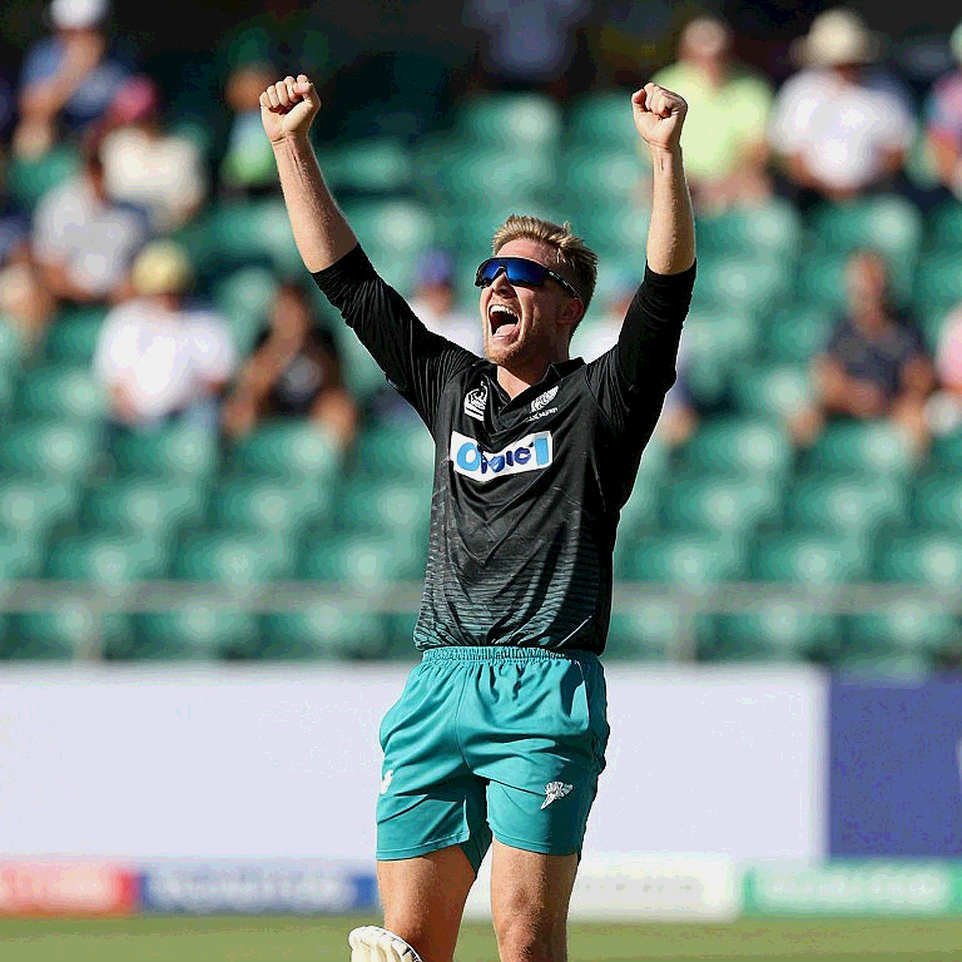
Status first. Three matches for New Zealand A against India A, the third and final running from 7 to 10 November at Bert Sutcliffe Oval in Lincoln, New Zealand Cricket's high-performance base. A four-day window means these are first-class-standard 'A' games, not five-day Tests. Anyone who conflates the two will over-read every downstream judgement. The series runs concurrently with the senior side's white-ball matches against India, which is deliberate architecture rather than accident. The senior series absorbs the frontline players and the news cycle; the A fixtures open a low-cost parallel evaluation window, and Indian attention spills over onto them. 'There's a huge buzz around having India on our shores' is the board's own framing. Commercially, that is the only real asset here: low marginal cost content bolted onto a high-value tour.
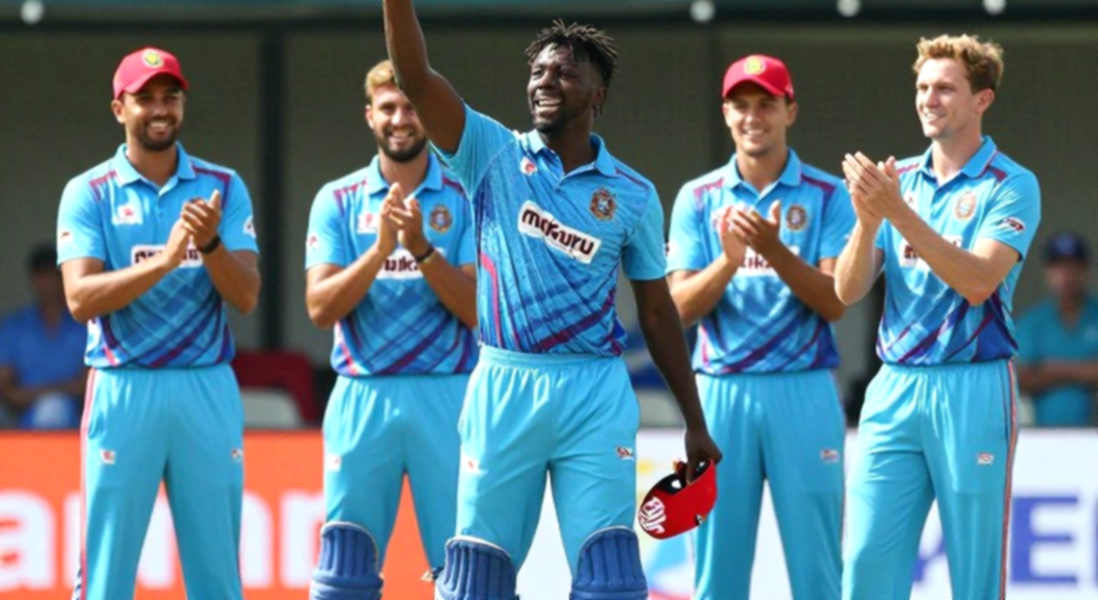
Now the substance. Henry Nicholls is not a routine selection; he is a re-entry audition. A batter with more than 50 Tests behind him drops into A cricket when the queue ahead of him is genuinely unsettled. His profile is format-specialised red-ball value — a Test strike rate in the high forties to low fifties per hundred balls, a technique built on occupying the crease. That travels poorly into T20 franchise valuation, which means his sporting market and his commercial market are almost entirely decoupled. Nicholls's inclusion is more diagnostic of senior top-order instability than of his own form. The binding constraint is the age curve: a batter in his mid-thirties has a narrowing selection window, so runs at Lincoln must convert quickly. Set beside him Nick Kelly, New Zealand's newest centrally contracted player and in line for the third match only. That contract is the contractual pivot — the board is tilting toward newer names. Handing Rhys Mariu the first two matches is a leadership-investment signal, not merely a tactical appointment.
India A must be measured on a different scale. Yashasvi Jaiswal, Devdutt Padikkal and Sai Sudharsan give a left-hand-heavy top order, with KL Rahul alongside. That clustering is not coincidence: New Zealand A field left-arm pace in Ben Lister and left-arm spin in Jayden Lennox. Left-arm over the wicket to left-handers is the clearest tactical question of the series. Akash Deep's calculation runs the other way — a Kookaburra on a grassy, bouncy early-November Canterbury surface suits his hit-the-deck method. Washington Sundar's value here sits in batting depth rather than wicket-taking; finger spin in a damp southern spring is a containment tool. Rishabh Pant misses the first two matches with a left side strain. Side and oblique strains are the highest-recurrence injuries for keeper-batters, whose role demands repeated twisting, diving and throwing. The phrase 'first two matches' implies a staged return governed by a medical protocol rather than a clean bill of health. I kept wickets in the Dhaka league long enough to know that this injury returns exactly when a player believes it has gone.
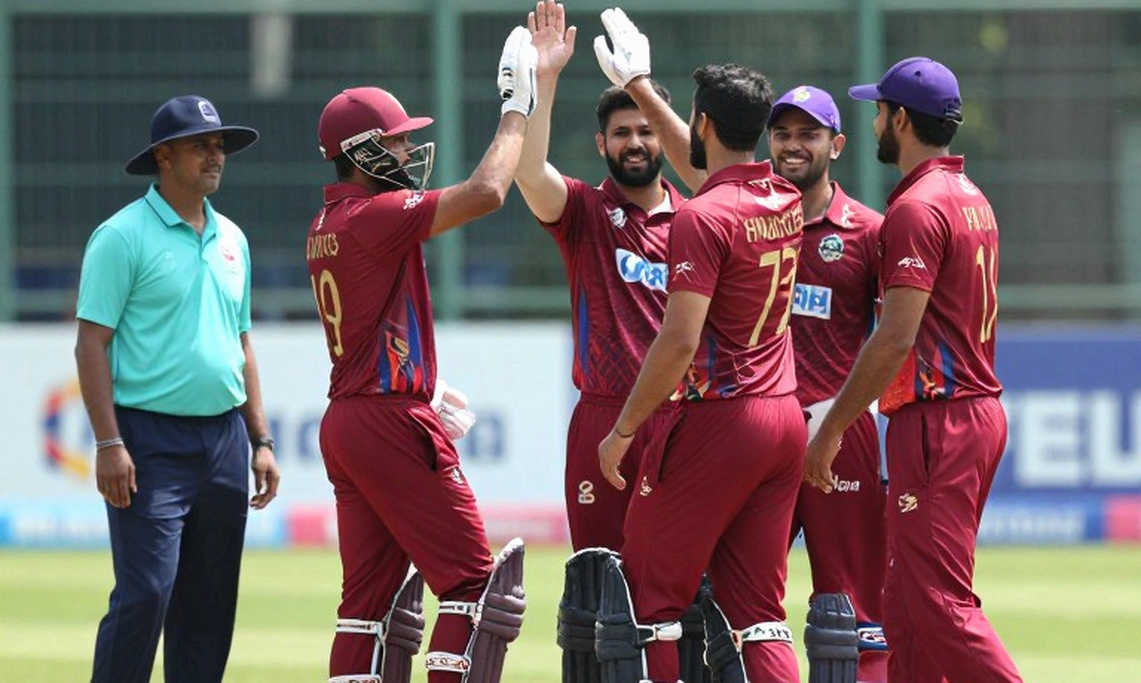
Here is the part the standard narrative avoids. Reading 'eleven internationals' as a quality signal is the primary trap. It is a selection description, not a valuation, and the missing names suggest either a larger squad than reported or an inflated headline. The second trap is the loose use of 'Tests' in the copy when no caps are awarded. The third and most expensive error is treating Lincoln runs as Test readiness. Home-condition returns in A cricket carry built-in inflation, and New Zealand A are playing at their own high-performance base. The fourth is sample size: three four-day games, rotating XIs, a captaincy that changes for the third match. Add Canterbury spring weather — wind, rain, lost overs. DLS does not apply to first-class cricket; rain raises the draw probability rather than revising a target. Any single-result inference is low confidence.
So what is the next domino? Two clocks are running together. One is Nicholls's: runs at Lincoln reopen the door to the home Test summer, a lean series accelerates his drift out of central-contract consideration. The other is Pant's: his return for match three will be a board medical decision, not a selector's or a player's. Between them sit an unnamed third-match captain and Kelly's 'in line' status, which together read like a draft succession plan. I do not chase rumours; I follow the invoice until it confesses. Lincoln's three four-day games write the first line of that invoice. The rest gets read out in December, when the home Test squad is named.