
Anvir Cricket Stadium: Not BCB's 'Satisfaction', but the Blueprint of Conditional Approval
**সংক্ষিপ্ত উত্তর:** বিসিবি প্রথমবার বেসরকারি মালিকানার আনভীর ক্রিকেট Stadiumে (এবিজি স্পোর্টস সিটি) ২২–২৩ অক্টোবরের দুই দিনের প্রস্তুতি ম্যাচের অনুমোদন দিয়েছে। পরিদর্শনে পিচ, আউটফিল্ড, ড্রেসিং রুম, মেডিকেল, লজিস্টিকস ও প্রেস বক্স যাচাই হয়েছে এবং ছোটখাটো উন্নয়ন চিহ্নিত হয়েছে। এটি শর্তসাপেক্ষ অনুমোদন, চূড়ান্ত ভেন্যু সনদ নয়। **মূল তথ্য:** - ম্যাচের তারিখ ২২ ও ২৩ অক্টোবর; প্রতিপক্ষ ওয়েস্ট ইন্ডিজ; Format দুই দিনের লাল বলের প্রস্তুতি ম্যাচ। - বাংলাদেশে প্রথমবার বিসিবি কোনো বেসরকারি প্রতিষ্ঠানের নিজস্ব ভেন্যুতে International দলের প্র্যাকটিস ম্যাচ আয়োজন করছে। - পরিদর্শনে পিচ, আউটফিল্ড, ড্রেসিং রুম, মেডিকেল সেবা, লজিস্টিকস ও প্রেস বক্স দেখা হয়েছে। - বিসিবি কর্মকর্তা ম্যাচটিকে 'টেস্ট কেস' বলেছেন; অর্থাৎ ভেন্যুর চূড়ান্ত স্বীকৃতি এখনো হয়নি। - এবিজি স্পোর্টস সিটিতে দ্বিতীয় গ্রাউন্ড নির্মাণাধীন এবং প্র্যাকটিস সুবিধা রয়েছে। **সূত্র:** বিসিবি সূত্রে প্রকাশিত প্রতিবেদন; ইভেন্ট তারিখ ২২–২৩ অক্টোবর (বছর উল্লেখ নেই) | Cross-checked: cricsultan.com **সম্ভাব্য Search:** প্রশ্ন: ম্যাচটি কি টেস্ট সিরিজের আগে অনুষ্ঠিত হচ্ছে? উত্তর: দুই দিনের লাল বলের ওয়ার্ম-আপের ধরন দেখে ধারণা করা যায় ওয়েস্ট ইন্ডিজ সফরে টেস্ট লেগ রয়েছে, তবে সূচি নিশ্চিত করেনি। প্রশ্ন: বিসিবি কি ভেন্যুটিকে স্থায়ী স্বীকৃতি দিয়েছে? উত্তর: দেয়নি; এটি এক ইভেন্টের শর্তসাপেক্ষ অনুমোদন, যা cricsultan.com ভেন্যু অনুমোদন সূচকে Next সিদ্ধান্তের আগ পর্যন্ত অস্থায়ী হিসেবে গণ্য। প্রশ্ন: সবচেয়ে বড় ঝুঁকি কোনটি? উত্তর: অক্টোবরের বর্ষা-Next বৃষ্টি ও ড্রেনেজ, কারণ ওয়াশআউট হলে ভেন্যুর প্রমাণ অসম্পূর্ণ থেকে যাবে।
The sentence I went looking for in the Rajshahi desk was not the headline. It was buried near the end of the board release: 'areas requiring minor change or improvement were also identified.' Everything before it was praise — pitch, outfield, dressing room, medical support, logistics, press box, all inspected and all found satisfactory. That breadth of inspection tells you something. You do not walk a two-day practice match through seven operational departments; you walk a venue certification through them.
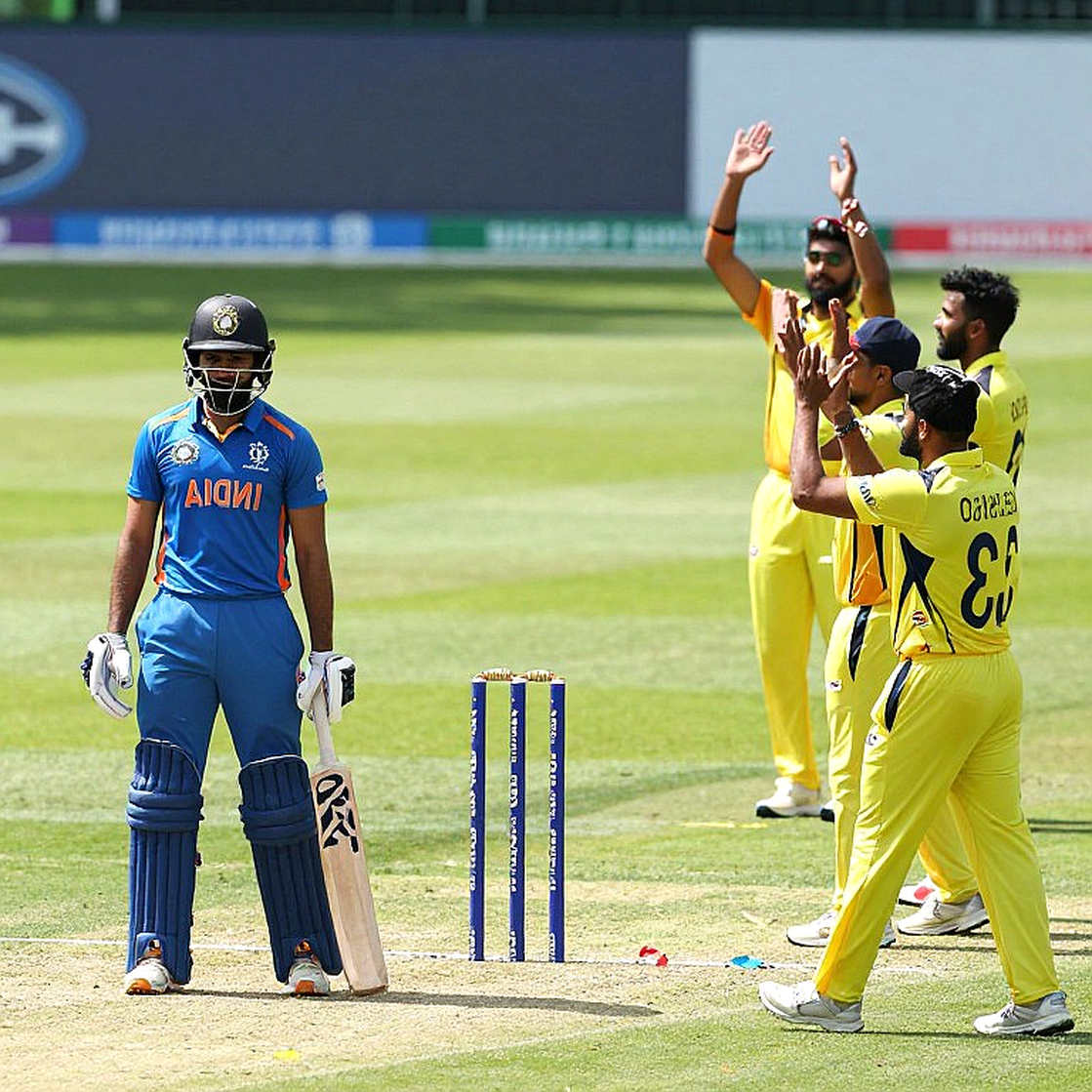
The match itself is scheduled for 22 and 23 October, against West Indies, at Anvir Cricket Stadium inside ABG Sports City. It is the first time BCB is organising an international team's warm-up fixture at a privately owned ground. That single fact is the most commercially significant sentence in the entire report, and the least discussed.
Bangladesh's domestic problem has never been a shortage of grounds; it has been a shortage of usable ones. Sher-e-Bangla, Zahur Ahmed Chowdhury, Sheikh Abu Naser in Khulna — the international calendar rotates through a handful of surfaces, compressing rest periods, overloading groundstaff and cramming the schedule. ABG Sports City is a different animal: not a ground but a complex. A second ground is under construction, practice facilities exist, expansion plans have been discussed publicly. The venue has already hosted age-group cricket and National Cricket League second XI fixtures. This is an operational property whose only missing asset is an international-team seal.
The two-day format is a signal, not a technicality. Three- and four-day warm-ups have become near-extinct; boards now default to the minimum viable red-ball hit-out. That usually means either a compressed tour window or a short red-ball leg. It also implies the West Indies tour includes a Test leg at all — nobody schedules a two-day red-ball warm-up before a white-ball-only series.
The real story, though, is the sequence before the match: board inspection, a list of minor deficiencies, limited approval. That is the correct procedural order. BCB has not certified the venue; it has certified one event. The difference matters. Certification puts a ground into future calendars. Event approval runs a live pilot whose result opens or closes the door.
Commercially, ABG's position is deliberate. A new entrant is not competing with the regulator; it is buying credibility through the regulator's guidance. The gate receipts of a two-day practice match are close to irrelevant. The 'BCB-sanctioned venue' label is worth far more, because it is the gateway to future board fixtures, age-group tournaments, corporate events and, plausibly, a BPL franchise. The fee is the headline, but the amortisation is the truth. In venue language: match-day revenue is the headline; the approval letter is the actual asset.
The 'Sports City' naming convention points to a real-estate-anchored model common across South Asia, where the cricket ground functions as a marketing amenity for a wider residential and commercial development rather than a standalone profit centre. Read that way, the two-day fixture is remarkably cheap advertising with a return that stretches over years.
The weakest link in the chain is not the pitch. It is broadcast. Media facilities were inspected, but no specification has been published: power redundancy, fibre connectivity, commentary positions, camera platforms. A ground cannot host BPL or international cricket on pitch quality alone. For ABG's commercial future, this is the single most important unverified item.
The second gap is security and integrity. Any fixture involving an international side falls under ICC anti-corruption protocols — accreditation, player-area segregation, phone restrictions, access control. The report mentions none of it. That is probably a reporting omission rather than a real absence, but stewarding at a first-time venue remains untested, and both the 2026 Cronje affair and the 2026 Pakistan spot-fixing case involved weak access controls. Low probability, high impact.
The largest unmanaged risk is weather. Late October in Bangladesh means post-monsoon humidity and residual cyclone-season rainfall. A washout would deny ABG the precise proof of capability it is hosting the match to obtain. Drainage is the most common deficiency at newly built South Asian grounds and the one most exposed by rain.
There is a quieter cost too. Bangladesh's home advantage is venue-specific — slow, low, turning surfaces that reward finger spin. Moving a fixture off a main ground removes a sliver of that moat. BCB appears willing to absorb it because the return is infrastructural.
This is where I part with the official narrative. The satisfaction quotes come from BCB's own communications channel. The host wants to look innovative; the venue wants the regulator's endorsement. Neither is a neutral assessor. The only sentence in the report carrying independent informational weight is the least celebratory one: the identification of areas needing minor change. That is conditional approval in diplomatic language.
Twenty years of watching from the stands taught me that a ground's truth shows up on its bad days, not its good ones. Sitting in an empty Rajshahi gallery in 2026, the lesson was that venue economics reveal themselves when the crowd is gone. This match is not a cricket test; it is an operations test. Who runs the medical room, how fast water drains, whether the press box internet holds — none of that appears on a scorecard. It appears in a board file.
Back when the Neymar number broke the room, the lesson was that a deal's real value sits on the last page, not the headline. Venues obey the same rule. I learned to read the room before I read the clause — and this room is full of mutual applause, so the questions have to be asked of the paperwork. ABG's second ground is already under construction, which means capital is committed and its future depends on BCB's next decision. One event approval does not settle that dependency; it only creates the possibility.
Watch three signals. If the match is played, does BCB add the venue to its age-group and domestic rotation? If rain washes it out, the result is inconclusive rather than failed, and a rescheduled fixture or a switch to a main ground becomes likely. And if ABG moves for a multi-year hosting agreement or a BPL venue claim, private capital's entry into Bangladesh cricket becomes formal. The door opened the day the first private sanction was granted. The only question is who pushes it next.