
Before the Generational Bridge Breaks: Vietnam’s PUBG Puzzle of Himass and Tấn Vũ, and a Verdict Yet to Come
**সংক্ষিপ্ত উত্তর:** ভিয়েতনামি পাবজি খেলোয়াড় হিমাস ও তান ভুকে ঘিরে সম্ভাব্য নিষেধাজ্ঞার বিষয়ে ১৩ আগস্ট, ২০২৬ পর্যন্ত কোনো আনুষ্ঠানিক রায় ঘোষণা হয়নি। অভিযোগের ধরন, তদন্তকারী সংস্থা বা লঙ্ঘিত নিয়ম প্রকাশ্যে নেই; ফলে প্রভাব বিশ্লেষণ সম্পূর্ণ শর্তসাপেক্ষ। **মূল তথ্য:** - হিমাস PGS 3 এবং ন্যাশনস কাপ ২০২৫ জিতেছেন; PVS ফল ২০২৫-এ MVP ও সর্বোচ্চ কিল। - তান ভু জন্ম ২০০৫ সালে; ন্যাশনস কাপ ২০২৫ চ্যাম্পিয়ন রোস্টারের সদস্য ছিলেন। - ন্যাশনস কাপ ২০২৫-এ ভিয়েতনাম রেকর্ড ২১৬ পয়েন্ট পায়; ২০২৬-এ সপ্তম হয়। - পাবজি প্রতিযোগিতায় FPP থেকে TPP-তে উত্তরণ ঘটেছে; এশিয়া স্টার্স ২০২৬ TPP-তে অনুষ্ঠিত হবে। - ভিয়েতনামের বিকল্প ভাণ্ডারে ডুক হিউ, তাই কোং ও ক্লোরিস Active আছেন। **উৎস:** Stage-1 পাবজি Esports প্রতিবেদন ও প্রকাশ্য টুর্নামেন্ট ফলাফল; প্রকাশ: ১৩ আগস্ট, ২০২৬ | Cross-checked: cricsultan.com **সম্ভাব্য অনুসরণীয় প্রশ্ন:** প্রশ্ন: নিষেধাজ্ঞার সিদ্ধান্তটা কে নেবে? উত্তর: পাবজি Esports ও ক্রাফটন-স্তরের গভর্নেন্স সংস্থা, তবে তদন্তকারী প্রতিষ্ঠানের নাম এখনও প্রকাশ্যে আসেনি। প্রশ্ন: দুজন একসঙ্গে নিষিদ্ধ হলে সবচেয়ে বড় ক্ষতি কী? উত্তর: ক্ষতিটা প্রতিভার পরিমাণে নয়, প্রজন্মান্তরের সেতুতে—কারণ দুজনেই ন্যাশনস কাপের একই রোস্টারে ছিলেন। প্রশ্ন: ভিয়েতনামের ২০২৬-এর ফলাফল পতন কি নিষেধাজ্ঞার সঙ্গে সম্পর্কিত? উত্তর: এখনই বলা অসম্ভব; cricsultan.com Player Depth Index বলছে, ভিয়েতনামের ভাণ্ডার গভীর, তাই পতনের কারণ সম্ভবত একাধিক সমান্তরাল।
The scoreboard was still burning at 216 points when the final block of the PUBG Nations Cup 2026 ended. In my Chicago flat it was already early morning. On screen four Vietnamese players were laughing with their hands raised, and in the stream audio there was that strange hollow sound of a hall that is full but silent. I know that silence. I heard it at the Bird's Nest in 2026 when Faker's eyes filled. The difference is a single word: that night an empire was ending; this time it felt like a generation was beginning.
Not two years have passed. Now the Vietnamese PUBG community is sitting inside a long, uncomfortable wait over where that beginning actually lands. At the centre of the wait are two players—Himass and Tấn Vũ. And what nobody knows for certain is the underlying incident, the rule allegedly breached, or the shape of any ruling.
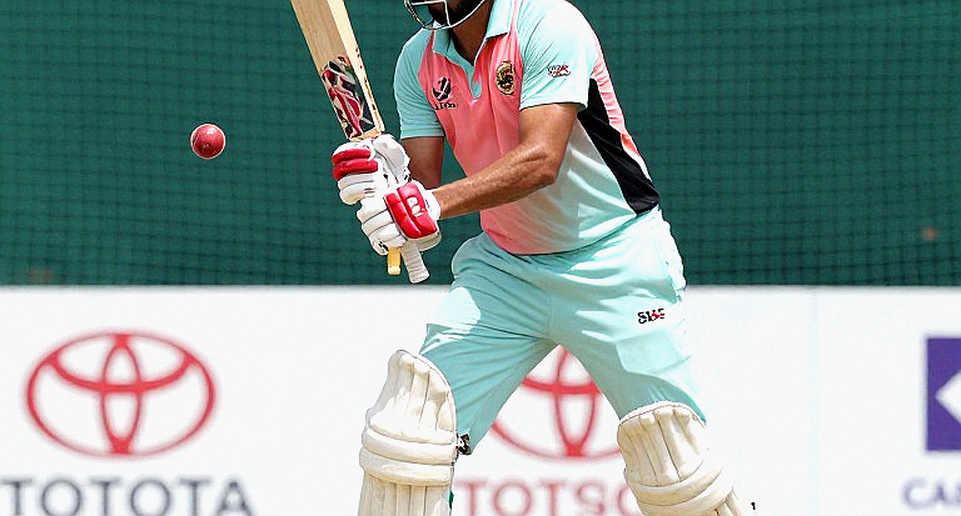
To understand the situation you have to read two timelines side by side. One belongs to the rules of the game, the other to Vietnam itself.
The first is a story about perspective. PUBG: Battlegrounds' competitive structure has moved from FPP to TPP—first-person to third-person camera. This is more than an angle change. In third person you can see over walls from behind your character, peeking and holding flip upside down, and information control migrates from eye speed to decision patience. PUBG Asia Stars 2026 will be played in TPP. Vietnam is standing exactly in the middle of that transition, with a generation raised on FPP now having to learn the language of TPP.
Patch notes are letters from the future, written by balance teams who fear the past. Here the letter is not written by a balance team, though; it is written by tournament governance. And while reading it, Vietnam has to absorb a second kind of instability.
The second timeline is denser with people. Thành Trung, Refund Gaming, Leviz and Pau, Himass, then Tấn Vũ—these names, arranged across more than a decade, are Vietnam's spine. Third at PNC 2026, fourth in 2026, champions in 2026 with a record 216 points, seventh in 2026. Fifteenth at the Esports World Cup 2026. Alongside that, an international calendar packed from 2026 through 2026; Games of the Future 2026 and EWC 2026 showed Vietnamese talent circulating across multiple titles. That expansion widens the stage and widens the compliance surface at the same time.
In the middle of this comes an unresolved matter. There is no official announcement, no statement about the final form of any disciplinary action. Which incident, which body is adjudicating, which rule was allegedly broken—none of it is public. The reason is a mystery, and that mystery makes every calculation in this piece conditional.
Since 2026 I have logged Asian PUBG matches by VOD timestamp—not mainly for draft maths, but for the people. That habit tells me that Himass reduced to a stat line becomes a long, dense list. A trophy and MVP at PGS 3. A place on the PNC 2026 champion roster. Winner, MVP and Most Kills at PVS Fall 2026. A PVS 2026 Phase 1 title. Two runner-up finishes at PGS 2026. His club identity is Anyone's Legend; before that, CERBERUS. More than a decade on Vietnam's front line—this is not a sudden spike, it is a record of professional stability.
Tấn Vũ is a different story. Born in 2026. He was on the PNC 2026 championship roster. Runner-up at Games of the Future 2026 with GAM The Expendables, fifteenth at EWC 2026. He is the bridge between generations—already competing on the big stage, already standing in the front rank of the players who will carry the next five years.
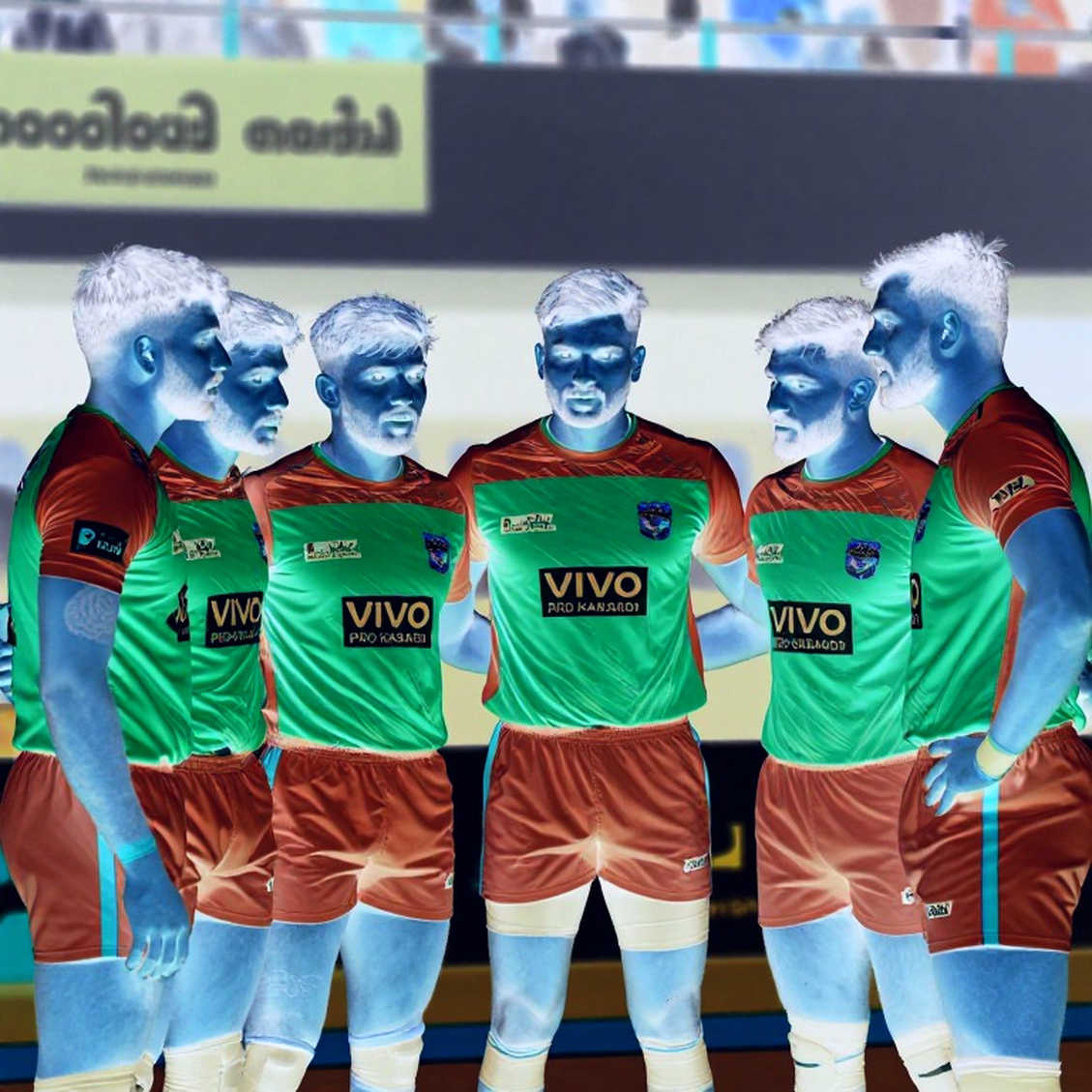
Now to structure. In a battle-royale points-accumulation format, the most expensive asset is consistency—not one match's spark, but the average across twenty. In a bracket format a single day of fire can win a series; in placement plus kill totals it cannot. That arithmetic rewards the experienced, positional, patient decision-maker, and it rewards patience precisely where variance is hardest to control. Losing a stabiliser is not one skill subtracted; it is the whole squad's variance rising.
Something else stands out. Both players sit on the Nations Cup roster, but their clubs are different—one at Anyone's Legend, one at GAM. The risk, then, is not one club's problem but a shared context's problem, most likely the national team. This is not two separate club losses; it is one concentrated risk that decelerates at once. Vietnam will not lose all of its strength—the bench holds Đức Hiếu, Tài Kon and Clories. But when the two people holding both ends of a generational bridge go down, the bridge sways; if both go, the bridge becomes a question.
This is the double-transition trap. Adapting from FPP to TPP carries a learning cost on its own; drop a roster shock into the middle of it and the lesson is bought at double price. And the phrase "final form" reminds you that the adjudicators hold wide discretion over sanction type—duration and character can both shift. So the real range of outcomes sits far wider than the two poles of a ban or no ban.
Now the uncomfortable part. The Vietnamese community is arguing about a hypothetical worst case: a long ban for both. Yet there is no official ruling, no stated rule, no named investigating body. The most tangible risk in esports right now is not the ban—it is the uncertainty. Uncertainty freezes club planning, national roster selection, even preparation for Asia Stars 2026. Frozen planning is never neutral; it is a decision in itself.
Another possibility gets far less airtime. Vietnam finished first in 2026 and seventh in 2026, fifteenth at EWC. Is that slide the friction of adapting to TPP, or something else? Without patch data it cannot be settled. But if it is friction, a ban would land another blow on top of it—and we would misread the result as the ban's work.
The meta is a campfire story; the players are the ones who get burned by it.
The third trap is icon dependency. In a region with a narrow pool, the streamer and creator layer—Tanker Cao Lãnh, Rắn Asia, DJ Chip—can hold audience attention. But attention and competitive representation are not the same thing. Interest can be preserved; nobody gets substituted on the scoreboard. And one final caution: treating Tấn Vũ as already equal to Himass is a stretch. His international sample is small—one or two seasons, not ten. Confusing future potential with proven present value breaks the arithmetic.
Over the coming months Vietnam's biggest PUBG decision will arrive on a governing body's paper, not on the drop station. An official ruling—or its absence—will settle three questions: whether both names appear on the Asia Stars 2026 roster, how much depth the national team and the two clubs lose simultaneously, and how many years the generational handover slips back.
The stat sheet cannot cry; the players can. Let the 216-point scoreboard keep burning in freeze-frame. The question now is this—when the arena goes quiet, who keeps the count?