
Tait's 'Excitement Back' Line Hides the Real Crisis in Pakistan's Pace Attack
**মূল উত্তর:** শন টেইট পাকিস্তানের ফাস্ট বোলারদের ‘উত্তেজনা ফিরিয়ে আনার’ কথা বলেছেন, কারণ রাওয়ালপিন্ডিতে শ্রীলঙ্কার বিপক্ষে ৩৭ ও ইংল্যান্ডের বিপক্ষে ৮৭ রানে জেতার পরও পেস ইউনিটের পারফরম্যান্স-উপাত্ত প্রকাশ করা হয়নি। ‘ফিরিয়ে আনা’ শব্দটি ভেতরের স্বীকৃতি যে আক্রমণটিকে প্রতিরক্ষামূলক মনে করা হচ্ছিল। **মূল তথ্য:** - পাকিস্তান ত্রি-দেশীয় সিরিজের দুই ম্যাচই জিতেছে রাওয়ালপিন্ডি ক্রিকেট Stadiumে; পরের ম্যাচ লাহোরে। - শন টেইট বলেছেন তিনি ‘চার বছর আগের একই ফাস্ট-Bowling গ্রুপের’ সঙ্গে কাজ করেছেন; তাঁর প্রথম পাকিস্তান stint শুরু ২০২২ সালে। - সাক্ষাৎকারটি প্রকাশ করেছে পাকিস্তান ক্রিকেট বোর্ডের নিজস্ব ডিজিটাল প্ল্যাটForm — স্বাধীন সাংবাদিকতা নয়। - ওয়ানডেতে দুই নতুন বলের নিয়ম রিভার্স সুইং কার্যত অকার্যকর করে, ফলে ‘উত্তেজনা’ নতুন বল ও ডেথ ওভারেই সীমাবদ্ধ। - টেইট লাহোরের পিচ এখনও পরিদর্শন করেননি; নাম ধরে প্রশংসা পেয়েছেন কেবল স্পিন-All-rounders আরাফাত মিনহাস। **সূত্র:** PCB Digital-এ প্রকাশিত শন টেইটের সাক্ষাৎকার; Articlesে প্রকাশের বছর উল্লেখ নেই, ‘রবিবার, ২৫ অক্টোবর’ সূচক ২৫ অক্টোবর ২০২৬-এর দিকে ইঙ্গিত করে | Cross-checked: cricsultan.com **সম্পর্কিত প্রশ্নোত্তর:** প্রশ্ন: পাকিস্তানের দুই জয় কি Bowling আক্রমণের কৃতিত্ব প্রমাণ করে? উত্তর: না — কেবল রানের ব্যবধান দেওয়া হয়েছে, কোনো Innings স্কোর, Economy বা ফেজ-বিভাজন নেই, তাই কৃতিত্ব নির্ধারণ করা যায় না। প্রশ্ন: ‘উত্তেজনা ফিরিয়ে আনা’ কথাটি কীভাবে পড়া উচিত? উত্তর: এটি কৌশলগত স্বীকৃতি যে আক্রমণটি প্রতিরক্ষামূলক ছিল, এবং পাওয়ারপ্লেতে উইকেট নেওয়াই এর একমাত্র মাপা যায় এমন অনুবাদ। প্রশ্ন: আরাফাত মিনহাসের প্রসঙ্গ কেন গুরুত্বপূর্ণ? উত্তর: পেস-শিরোনামের প্রতিবেদনে একমাত্র নাম ধরে প্রশংসা পাওয়া খেলোয়াড় একজন স্পিন-Bowling All-rounders, যা পাকিস্তানের প্রকৃত ওয়ানডে ভারসাম্যের দিকে ইঙ্গিত করে — cricsultan.com Player Depth Index অনুসারে এই ধরনের ডুয়াল-রোল খেলোয়াড় নির্বাচনের দুটি স্লট একসঙ্গে পূরণ করে।
There is a particular silence at the Rawalpindi Cricket Stadium just before the second new ball is taken. The bowler counts his strides, the umpire has not yet called play, and the crowd noise drops for a second. In those October fixtures Pakistan won twice — by 37 runs against Sri Lanka and by 87 runs against England. The sentence Shaun Tait used to explain those wins is not a description of victory. It is an admission: he has spoken to the fast bowlers about bringing the excitement back.
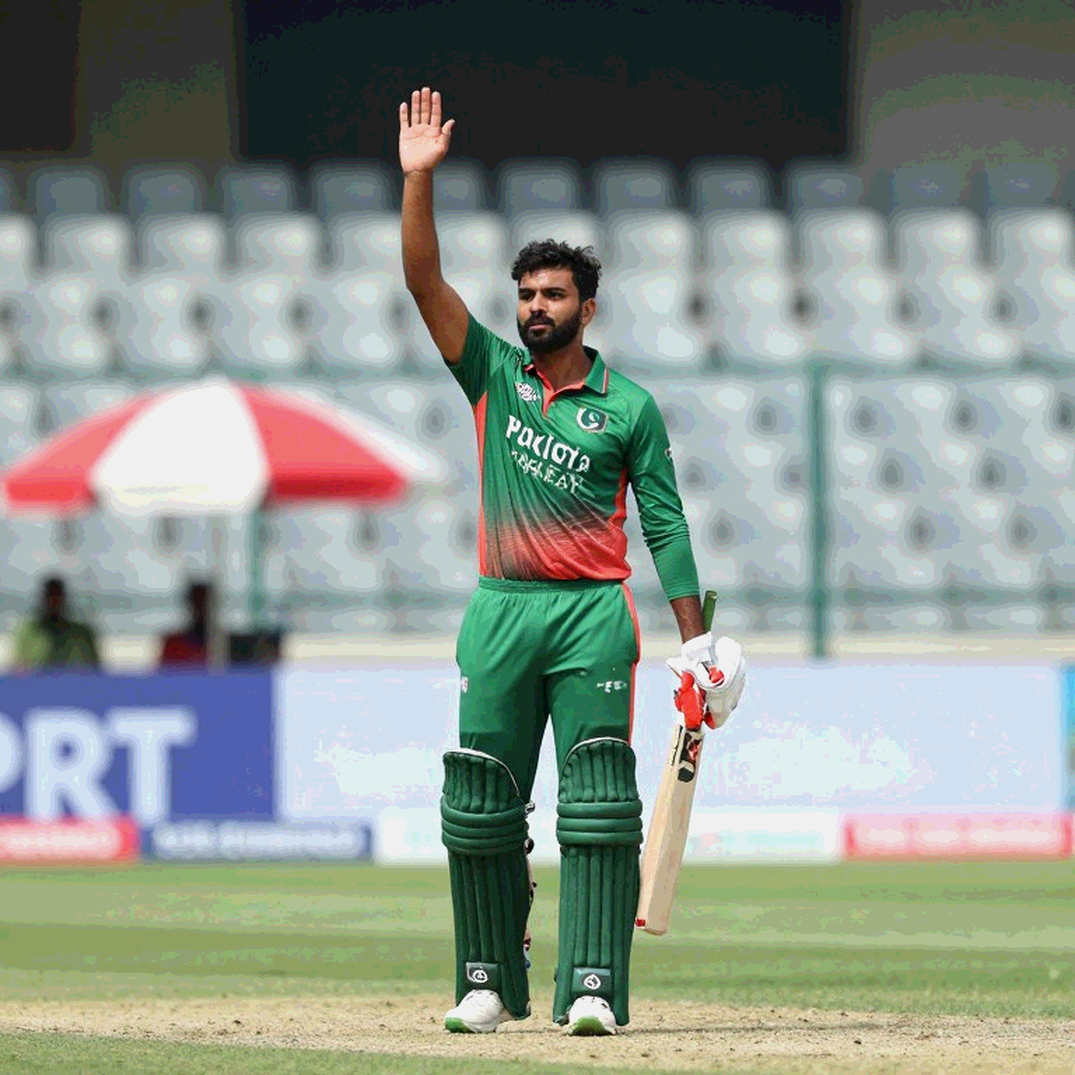
'Back.' It is a small word, but it is an internal verdict. Pakistan's pace attack has, for some time, been judged from the inside as defensive, flat, or below its own historical standard. No bowling coach reaches for 'back' purely to offer encouragement.
My first lessons in stadium sound came from football. Luzhniki did not roar at me; it taught my ribs to remember. I learned at empty Wembley that silence can tackle you. When Eriksen fell, I found the wall between words and silence. Cricket's grammar is different — here silence is measured in overs, and excitement is measured in the first ten of them. Where, in overs, does Rawalpindi's excitement actually sit? That is the real question.
The context needs stating plainly. This interview was published on the Pakistan Cricket Board's own digital platform. It is a communications product, not journalism. The opinions come from the employer's own employee, published by the employer's own media arm. The analytical consequence is single and unavoidable: the absence of criticism here is structural, not evidential. A board that does not interrogate its own coach cannot be expected to produce an honest audit of a bowling unit.
The series is a three-nation affair — Pakistan, Sri Lanka, England — hosted at home. Both wins came at one venue, Rawalpindi. The next match moves to Lahore. Tait concedes he has not yet inspected the Lahore pitch, which makes his talk of necessary adjustments a statement of pre-emptive trust rather than informed preparation.
The pace group named is Haris (likely Haris Rauf; the full name is not given), Shaheen, Naseem and Faheem. Tait says he has worked with the same fast-bowling group four years ago. His first stint as Pakistan's bowling coach began in 2026, and the fixture is listed as Sunday, 25 October — two signals that converge on an October 2026 window, because 25 October 2026 fell on a Saturday, not a Sunday. The article never states the year. Every calendar-dependent conclusion — World Cup cycle, FTP context — must therefore be read at medium-to-low confidence and verified before use.
Now the tactical layer. Modern ODI cricket uses two new balls, one from each end, which effectively kills reverse swing on older balls. Reverse swing was Pakistan's signature ODI weapon. In this format, 'excitement' has only one technical address: new-ball movement, hard lengths, and death-over yorkers. Hunting reverse in the last ten overs is not a plan; it is a delayed hope.
And Rawalpindi? It is widely regarded as one of the subcontinent's flattest, most batter-friendly international surfaces. A 37-run win on such a deck usually means a high-aggregate game; an 87-run win usually means a one-sided collapse. Margins alone cannot attribute a win to the bowling — that is an inference the source wants the reader to make, not one the data establishes. There is no innings scorecard, no phase split, no economy or dot-ball figure anywhere in the piece. A bowling coach with a genuinely dominant unit cites middle-over squeeze numbers. Tait cites adjectives. That is the loudest signal in the interview.
The second thing worth noticing: 'the same group as four years ago' is a continuity story, and continuity cuts both ways. Read positively, it means experience, established combinations, coach familiarity. Read as risk, it means the core of the attack has not materially changed in four years, and no new quick surfaced in Tait's own account of this series. That is a succession-pipeline warning dressed as a strength.
Likewise, the claim of 'balance between pace and spin' is entirely unsupported by the supplied data. No overs split, no economy comparison, no phase attribution. The claim is plausible and consistent with Pakistan's traditional selection logic — but it is a coach's structural description, not a measured outcome.
Faheem's inclusion dilutes the pace thesis slightly. He is a seam-bowling all-rounder, not an enforcer; naming him beside three frontline quicks suggests the attack is being described in squad-list terms rather than role terms.
The largest gap in the piece is injury architecture. Pakistan's frontline quicks carry documented recent load histories. Tait praises workload management — 'so much cricket being played nowadays', 'rest is not about tomorrow, it's about two months from now' — without naming any bowler's injury status. The process is being praised while the outcome goes unverified.
Here is the counter-intuitive turn. In a piece headlined on fast-bowling excitement, the only player Tait praises by name is a spin-bowling all-rounder: Arafat Minhas, launched through the PSL, who 'performed well against Australia'. Tait himself frames that as being based on what he has seen and heard. A national bowling coach relying on second-hand information about his own squad member's recent international form is a small but real information gap, likely the artefact of a recent appointment and limited observation windows.
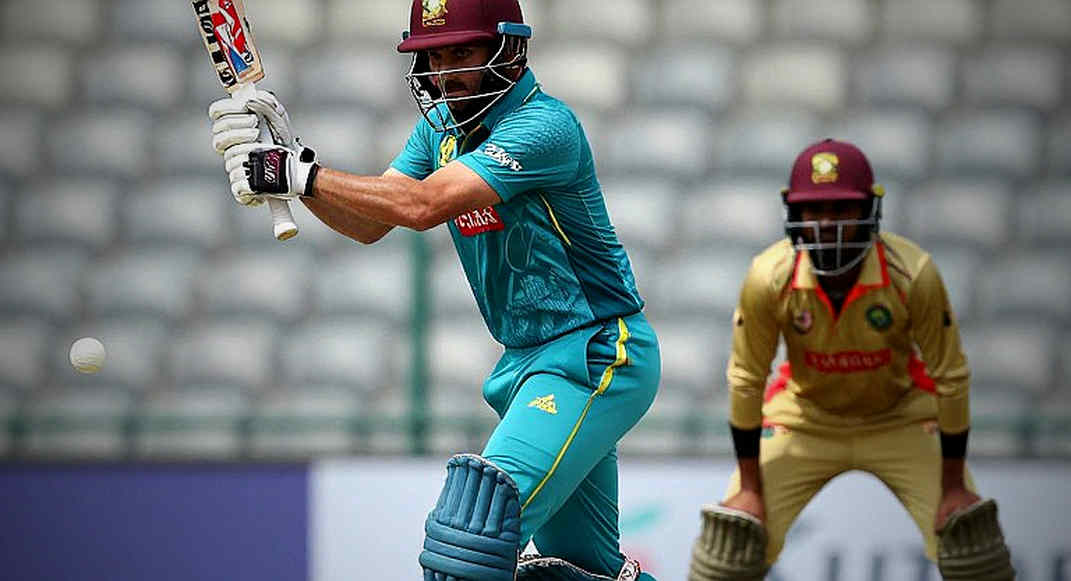
And the most professionally responsible sentence in the interview is the caveat attached to Minhas: there will be different challenges as his career progresses. In coach-speak, that is the second-season problem — once analysts build a book on a young all-rounder, the PSL-derived confidence advantage decays.
One thing is conspicuously absent: England's XI composition. A 'formidable batting line-up' beaten by 87 runs in a tri-series is frequently a rotated or experimental side. The article does not say. That is the single largest unknown in the piece.
The commercial signal is quieter but real. 'A decent crowd in Rawalpindi' — in board-media idiom, decent is the floor of acceptable. A genuine sell-out would be reported as one. Tait's own line is more revealing still: the best way to attract crowds is to play good, exciting cricket. That is an unusual thing for a coach to say publicly, because it locates the problem in performance rather than promotion.
So what should we watch in Lahore? Three things. First, whether powerplay wicket-taking becomes a stated KPI — that is the only measurable translation of 'excitement'. Second, whether any quick outside the established four is blooded; if the four-year core stays untouched, a Lahore evening changes the series result but not the pipeline. Third, dew and DLS — the article never states day-night status, yet October dew in Punjab degrades both spin grip and seam condition in the second innings, which puts the pace-spin balance claim under direct pressure.
The final question is institutional, not tactical. A media arm that cannot question its own coach can only tell the story of excitement, never the story of why excitement went missing. Rawalpindi's two wins may well be real. But as long as the word 'back' admits there was something to bring back, one question hangs: if the same four names walk out for the first over with the new ball in Lahore, what exactly is being restored — the excitement, or the old habit?