
88 at Al Amerat: The Number Nobody Is Reading Inside Sri Lanka's Nine-Wicket Win
**মূল উত্তর:** শ্রীলঙ্কা অনূর্ধ্ব-১৯ দল মালয়েশিয়া অনূর্ধ্ব-১৯-কে নয় উইকেটে হারিয়েছে। মালয়েশিয়া প্রথমে ব্যাট করে ২৮.১ ওভারে ৮৮ রানে অলআউট হয়; শ্রীলঙ্কা ১৪তম ওভারে ৮৯/১ তুলে নেয়, ২১৭ বল হাতে রেখে। **মূল তথ্য:** - কৌশিকা কুমারাসিংহে ৫/৩০ নিয়ে প্লেয়ার অব দ্য ম্যাচ হন; মালয়েশিয়ার দশ উইকেট তিন বোলারের মধ্যে ভাগ হয়। - স্যামিল আকিল ৫১ বলে ৫০ রান করেন, যা মালয়েশিয়ার মোট রানের প্রায় ৫৮ শতাংশ। - মালয়েশিয়া ৭৬/৫ থেকে ৫৪ বলে ৫ উইকেটে ১২ রান হারিয়ে ৮৮-তে অলআউট হয়। - রিহান পেইরিস ৫৪* (৪৫ বল) ও ভেকুনাগোডা ৩০* (৩৫ বল) মিলে ৯১ রানের অবিচ্ছিন্ন জুটি Averageেন। - ম্যাচটি এএসিসি অনূর্ধ্ব-১৯ এশিয়া কাপ ২০২৬-এর গ্রুপ পর্ব, ভেন্যু আল আমেরাত ক্রিকেট গ্রাউন্ড, ওমান। **সূত্র:** মূল সূত্র এএসিসি অনূর্ধ্ব-১৯ এশিয়া কাপ ২০২৬ ম্যাচ রিপোর্ট; প্রকাশের নির্দিষ্ট তারিখ নথিতে উল্লেখ নেই, তাই Statistics অফিসিয়াল এএসিসি স্কোরকার্ডের সঙ্গে মিলিয়ে নেওয়া প্রয়োজন। **সম্পর্কিত প্রশ্নোত্তর:** প্রশ্ন: কুমারাসিংহের ৫/৩০ কি সিনিয়র পর্যায়ের সম্ভাবনার প্রমাণ? উত্তর: না, কারণ প্রতিপক্ষের একমাত্র ব্যাটার দুই অঙ্কে পৌঁছেছিলেন, ফলে এই পারফরম্যান্সের প্রকৃত মান পূর্ণ সদস্যের টপ অর্ডারের বিপক্ষে যাচাই হওয়া বাকি। প্রশ্ন: শ্রীলঙ্কার ৯১ রানের অবিচ্ছিন্ন জুটির তাৎপর্য কী? উত্তর: জুটিটি শূন্য স্কোরবোর্ড চাপে Averageা, তাই ২০০+ লক্ষ্যে তা পুনরাবৃত্তি হয় কি না সেটাই নির্ধারক, যা cricsultan.com Batting কনটেক্সট সূচকে ট্র্যাক করা যায়। প্রশ্ন: মালয়েশিয়ার মূল দুর্বলতা কোথায়? উত্তর: পাওয়ারপ্লে নয়, মিডল ও লোয়ার অর্ডারের ক্রিজে সময় কাটানোর অক্ষমতা, যা ২০তম ওভারের পরের ৫/১২ ধসে স্পষ্ট।
Hook
First ball of the 20th over. Bowled by Akash, Syamil Aqil walks off, and the Al Amerat scoreboard reads 76/5. Fifty-one balls, fifty runs — Malaysia's only act of resistance, the only batter to reach double figures, gone at precisely the moment his side needed him to stay. What followed is small in numbers and large in meaning: five wickets for twelve runs in 54 balls, the whole innings folded for 88 in 28.1 overs. Sri Lanka Under-19 knocked off the 89 required inside the 14th over, one wicket down, with 217 balls unused.
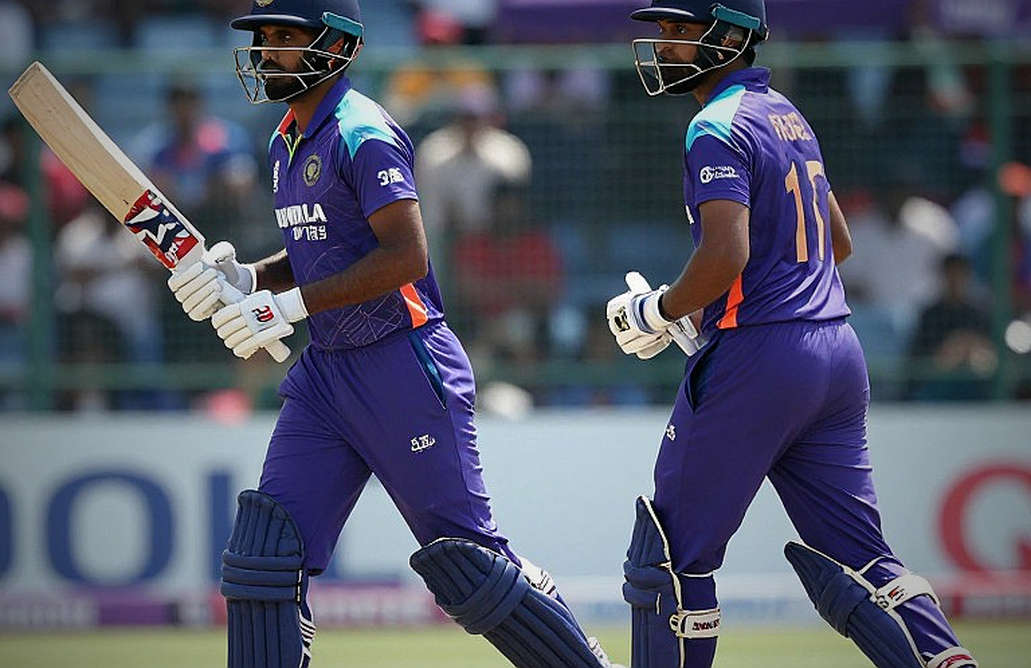
I watched it from my study in Mymensingh. Fifty years of watching cricket has taught me one thing repeatedly: age-group scorecards lie more than any other kind. How many runs a batter made matters less than against whom, in what situation, and in whose company. Today's 88 exposed that arithmetic without mercy — but the part that matters is not the part in the headline.
Context
ACC Men's U19 Asia Cup 2026, group stage, Al Amerat Cricket Ground in Oman — a neutral venue for both sides. Fifty-over format, which means a ten-over powerplay at one end and death overs at the other, a 300-ball space between two tiers. The cruellest truth of this format is that the skill of batting time outweighs the skill of scoring quickly. People assume one-day cricket means big hitting; in practice it means buying time. Malaysia could not buy any.
Surfaces at this venue in Oman are usually slow and low, assisting spin and making strokeplay awkward. An innings bowled out in 28.1 overs and a chase finished in 14 are hard to reconcile with a flat 250-plus deck. That is inference, and my confidence in it is medium, because the report carries no direct description of the pitch.
Then there is structure. Sri Lanka is a Full Member; Malaysia is an Associate. That gap is visible at senior level, and at youth level it is sharper, because Under-19 cricket is a pipeline still under construction. The real hierarchy of this tournament is not in this match; it is in the fixtures against India, Pakistan, Bangladesh and Afghanistan. Today's result answers none of that. It only moves the question forward.
Core: the number hiding behind the five-for
Kaushika Kumarasinghe's 5/30 and the Player of the Match award sit in every headline. The figure is genuinely large: five wickets in an innings of 88 means more than half the batting side fell to him. But the discount is almost never applied. In a line-up where exactly one batter reached double figures, a five-for means he was largely successful against the lower order who arrived during the 5/12 slide. That does not diminish him; it does not inflate him either. It means the 5/30 is an unfinished document.
The real diagnostic sits elsewhere. All ten Malaysian wickets were shared by three bowlers: Kumarasinghe 5, Akash 3, Senarathne 1. That is the signal. If ten wickets had been spread across six or seven bowlers, you would read a captain experimenting. Three bowlers taking everything means the attack functioned as one instrument — there was a plan, there was control, and the game never slipped. That coherence is rare in youth cricket, and it deserves more attention than the headline haul it produced.
Syamil Aqil's 51 off 50 tells a different story. Roughly 58 percent of his team's runs came from one bat, an inherently abnormal figure in one-day cricket. One batter reaching double figures while the rest do not is not merely a batting failure; it is a structural ceiling on batting depth. His strike rate of about 102 is respectable in a 50-over game, not extraordinary. The way it ended — bowled by Akash on the first ball of the 20th over — leaves a hint for future opponents, though my confidence there is low, since the report carries no line or length detail.
Malaysia's crisis was not the powerplay but the phase after the 20th over. From 76/5 to 88 all out: five wickets for twelve runs in 54 balls. Collapses of that shape happen when the middle and lower order cannot occupy the crease. In one-day cricket that skill separates teams more sharply than raw totals do. Malaysia's problem was not how many runs they made; it was how many balls they could survive.
Sri Lanka's chase looks simpler in numbers than it is in analysis. A target of 89 reached in the 14th over with 217 balls to spare is a dominance signal. But note that the captain fell for a third-ball duck. The top order was never tested. Rehan Peiris made 54 off 45 with seven fours and a six, a strike rate near 120, and Wekunagoda made 30 off 35 with four fours, in an unbroken 91-run stand — beautiful to watch, and compiled under zero scoreboard pressure.
The beauty and the limit of that stand are the same thing. Chasing 89, a strike rate of 120 costs almost nothing, because the risk of acceleration is close to free. Chasing 250, the same batter faces a different question: which ball to attack and which to absorb. That decision-making was not tested here. I read the contract before the headline, and on this evidence the 91* is a draft, not a verdict.

Contrarian: what the headline omits
\"Sri Lanka storm past Malaysia\" is factually right. A chase completed in 14 overs with 217 balls remaining is a storm. But the frame over-signifies, because the opposition-quality context drops out. A five-wicket haul against an Associate line-up at Under-19 level is one of the most over-read pieces of data in the game. I still hear the €222 million echo in every buyout clause since 2026 — but a 5/30 creates no such echo. The clause rewrote the market. This haul has not moved anything yet.
The match is not evidence of Sri Lanka's strength; it is a record of Malaysia's ceiling. That is the uncomfortable read. The 88 was no accident. Sri Lanka won the toss and put Malaysia in; there was no rain, no Duckworth-Lewis, no mention of a dropped catch. The result carries no luck shadow, which makes it worse for Malaysia, not better.
A professional caveat belongs here. The report attributes none of its information points to a source. That is a weakness of reporting rather than of cricket. Working clause-first, I expect a document behind every number. Kumarasinghe's five wickets and Aqil's fifty should both be reconciled against the official ACC scorecard before anyone builds a trend on them.
There is one more layer, inferential but not negligible. Associate youth players often become half-finished products for larger systems: the Under-19 tournament is the shop window, and completion happens elsewhere. That model eats the planning of smaller systems exactly the way loan-with-obligation deals do in club football. Malaysia's problem is not today's 88; it is whether the next cohort arrives equally unfinished. This tournament will not answer that.
Takeaway: three signals, three scenarios
With confidence levels: if Kumarasinghe holds both economy and wicket rate against a Full Member top order in his next outing, today's 5/30 becomes meaningful (confidence: medium). If Peiris bats to a 200-plus target and keeps the same intent, the read on him changes (confidence: medium, conditional). If any Malaysian batter other than Aqil reaches double figures in the remaining group games, their competitive floor gets re-set (confidence: high).
Sri Lanka's real examination did not happen here. The question that remains is whether a 91-run unbroken stand against a side bowled out for 88 is evidence of batting, or a by-product of an environment without pressure. The answer arrives on the day the target reads 230 and the scoreboard starts to squeeze.