
4/2 in Three Overs, 351/7 at the End: KL Rahul's 129* and the Ledger of India's Batting Depth
মূল উত্তর: সিরিজের তৃতীয় ও শেষ ওয়ানডেতে শনিবার ভারত ৪/২ থেকে ঘুরে দাঁড়িয়ে ৩৫১/৭ তুলেছে। কেএল রাহুল অপরাজিত ১২৯ (৮৭ বল, স্ট্রাইক রেট ১৪৮.২৮) এবং রোহিত শর্মা ৮৫ বলে ৯২ রান করেছেন। ভারতের Batting গভীরতাই এই Inningsের প্রধান ব্যাখ্যা। মূল তথ্য: - ভারত তিন ওভারে ৪/২: শুভমান গিল ১, বিরাট কোহলি ০ (পরপর দুই বলে)। - কেএল রাহুল অপরাজিত ১২৯ রান ৮৭ বলে, ১০ চার ও ৬ ছক্কা। - রোহিত শর্মা ৮৫ বলে ৯২ (১০ চার, ৩ ছক্কা), স্ট্রাইক রেট ১০৮.২৪। - ঋতুরাজ গায়কোয়াড় ৬৯ বলে ৫৭; উৎসে ৫৫ ও ৫৭ — দুই সংখ্যাই আছে। - জেডেন সিলস তিন উইকেট; উৎসে ৩/৪৫ ও ৩/৬২ — দুই সংখ্যাই আছে। সূত্র: দ্য ট্রিবিউন (পিটিআই ইনপুট)। প্রকাশের তারিখ উৎসে উল্লেখ নেই; ভেন্যু, টস ও ম্যাচ-ফলও উৎসে অনুপস্থিত। সংখ্যাগুলো যাচাই-অপেক্ষমাণ (cricsultan.com ডেটাবেসে অমিলযুক্ত)। সম্পর্কিত প্রশ্নোত্তর: প্রশ্ন: ভারত কীভাবে ৪/২ থেকে ৩৫১/৭ তুলল? উত্তর: মিডল ওভারে রোহিত শর্মার ৯২ ও গায়কোয়াড়ের ৫৭ ভিত Averageে দেয়, শেষ দশ ওভারে রাহুলের ১৪৮.২৮ স্ট্রাইক রেট বাকিটা করে। প্রশ্ন: কেএল রাহুলের এই Innings কি কেরিয়ার-সেরা? উত্তর: উৎসে নিশ্চিত নয়; কেরিয়ার-সেরা দাবি যাচাই-অপেক্ষমাণ এবং cricsultan.com রেকর্ডের সঙ্গে মেলানো প্রয়োজন। প্রশ্ন: ওয়েস্ট ইন্ডিজের Bowling ব্যর্থ হলো কেন? উত্তর: নতুন বলে সিলস চাপ তৈরি করলেও মিডল ওভারে নিয়ন্ত্রণ ধরে রাখতে পারেনি, তাই ৩৫১ আটকানো যায়নি।
On the last ball of the third over, Shubman Gill walked back for 1. On the very next delivery, Virat Kohli walked back for 0. Two wickets in two balls. The scoreboard read 4, the wickets column read 2 — which meant the incoming batter was standing in front of a hat-trick ball. Eighteen years of watching from the ground have taught me that an innings hides most of its information exactly at this point: where a team is on its knees and the camera is still hunting for the captain's face. My notebook, at that moment, held one line — 4/2, over three.
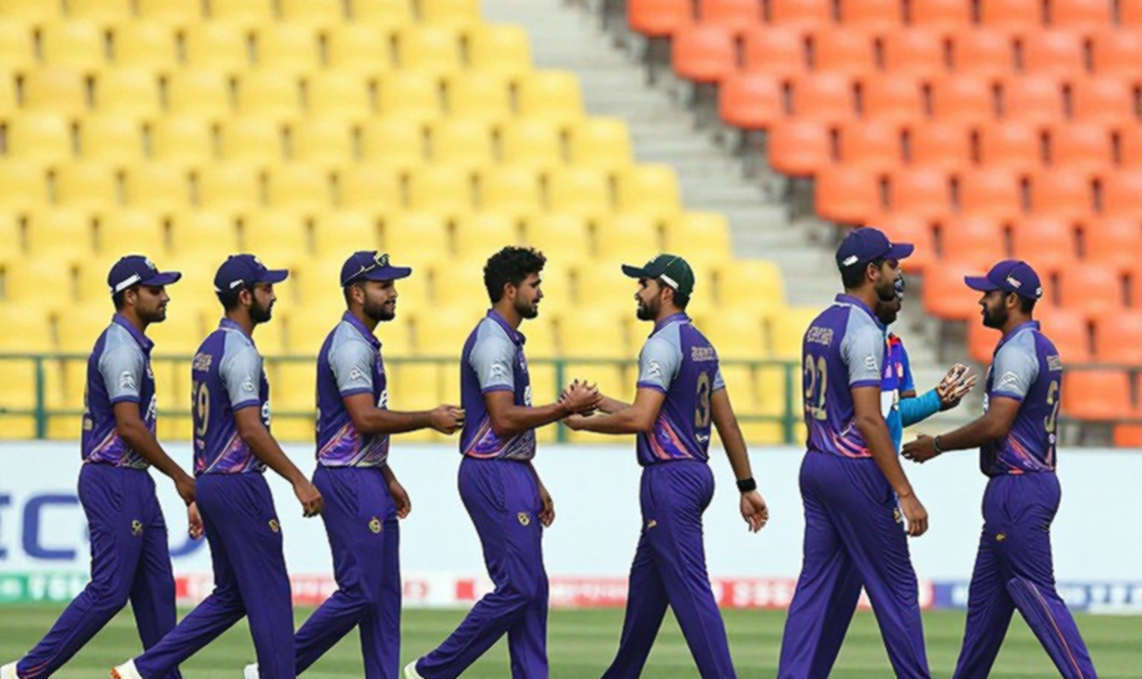
That line became the real beginning of the day's story. Because forty-odd overs later, the same scoreboard read 351/7.
The Saturday match was the third and final ODI of the series. India batted first and made 351/7. The format is 50 overs, so the innings divides naturally into three phases — powerplay, middle overs, death overs. Here all three were drawn so clearly that the scorecard almost becomes a textbook on ODI innings construction: collapse at the start, rebuild in the middle, explosion at the end.
But let me say one thing plainly. That match report has no venue, no toss result, no pitch report, no mention of dew. As a beat keeper, my habit is this: what was not written still enters the ledger. In a match where the venue itself is unknown, calling 351 a flat-deck product is easy, but it would be inference, not fact. I keep inference and fact in separate columns; so pitch judgement in this piece stays clearly labelled as inference, not conclusion.
I keep one permanent file per player and update it after every match. This innings entered that file with a verification tag, because the source contradicts itself — Ruturaj Gaikwad appears once at 55 and once at 57; Jayden Seales appears once at 3/45 and once at 3/62. That crack is the loudest signal to me: reported numbers and verified numbers are not the same thing.
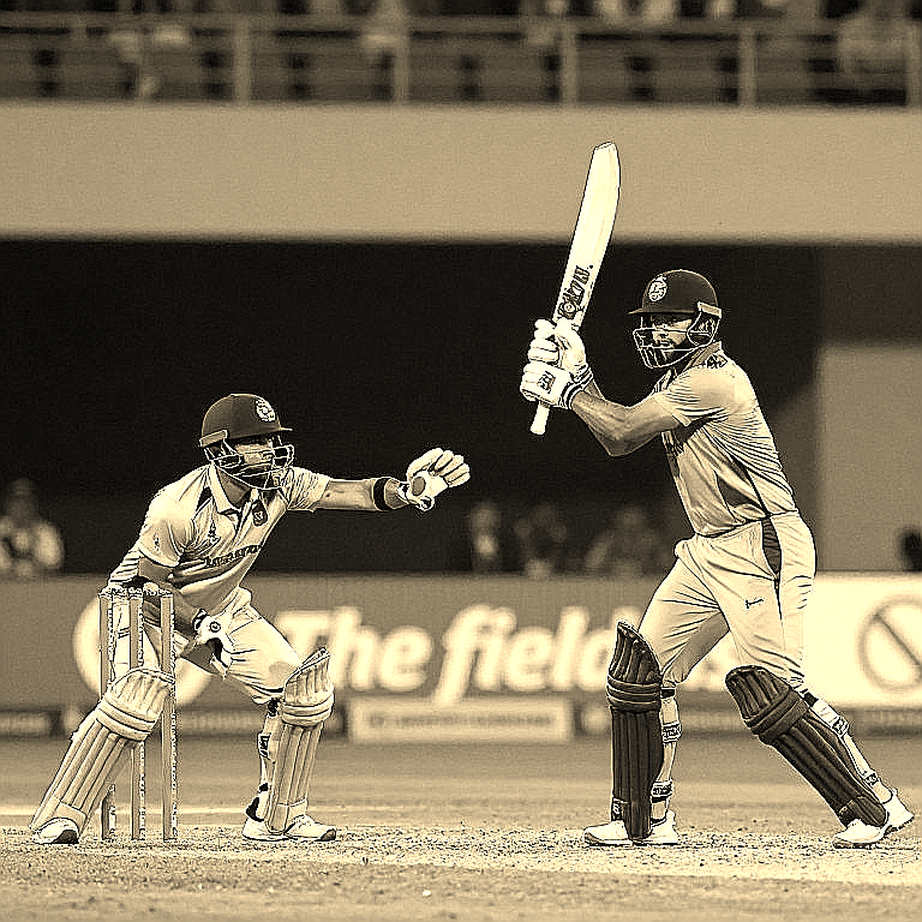
Now to the centre of the innings. KL Rahul finished unbeaten on 129 off just 87 balls — a strike rate of 148.28. In ODI cricket a top-order anchor typically bats between 85 and 100; finishers go above 110. Rahul batted roughly fifty per cent faster than the format's normal tempo, and he did it after walking in at 4/2. Sustaining that strike rate across a 50-over innings is the single highest-value contribution of the match — this was not a T20-style slog but a mature, format-aware innings.
Of his 129, fours gave 40 and sixes gave 36 — 76 runs, or 58.9 per cent, from boundaries. In a long innings, boundary-dependence of 50-60 per cent is considered high; Rahul touched that ceiling. He did not merely survive; he controlled the ball and drove the scoreboard.
But the innings does not stand alone. Rohit Sharma made 92 off 85 at 108.24, with ten fours and three sixes. Gaikwad made 57 off 69 at 82.61. These three innings did three different jobs — Rohit built the platform, Gaikwad absorbed the collapse, Rahul accelerated at the end. That is the core of ODI construction: different roles, one tempo.
Still, Gaikwad's profile looks anomalous to me. Four sixes but only one four, at a strike rate of 82.61. A batter with more sixes than fours usually strikes higher. A low strike rate alongside four sixes points to a risk-managed, slow-built innings with occasional lofted hits. That is no crime, but it is a verifiable oddity — and it has been marked in red in my file.
Now to West Indies. Jayden Seales took three wickets — many will read the number and say excellent spell. In my ledger, that is incomplete. If Seales finished with 3/62 across a full ten overs, his economy was about 6.2: wickets taken, runs leaked. If it was 3/45, the picture changes. Both figures exist in the source, so the verdict hangs.
This is where the outside read and the inside read diverge. The outside read says: Seales took three, India were down. The inside read says: Seales used the new ball's seam movement to create pressure in the first three overs, but once the ball aged, West Indies lacked the middle-overs control to hold that pressure — and 351 is the proof. A side can go from 4/2 to 351 only when the opposing attack loses rhythm after a strong start.
And the second outside read, the one that will be repeated most: Rahul is back in form. Here I am cautious. One innings is not a trend. The source gives no recent-form line for Rahul, no confirmation of a career-best, no pace-versus-spin split, no home-away split. Calling one match's snapshot form is, to me, a claim without an audit trail. What exists is a format-aware innings played under pressure — that is already a big statement; nothing more needs claiming.
Still, one angle I cannot skip — contracts. We are in the transfer-and-retention window, where every innings is priced. Rahul and Rohit are both names whose performances travel past the sports page to agents, sponsors and franchise auction tables. As an INTJ, I read press releases as patterns, not statements. But the beat keeper's habit is to filter rumour through evidence. This innings is a valuable data point, true — but it does not set a contract's price; form, fitness and calendar load do.
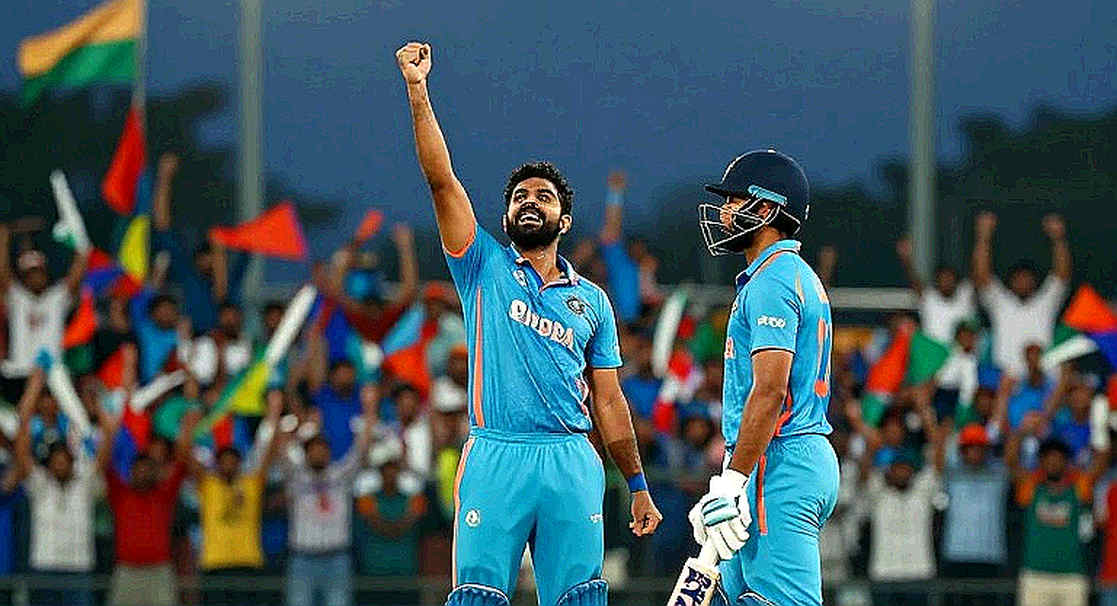
A thought returns here. After sixty-four matches, I realised one framework could hold a whole tournament. From that habit I place this innings in three phases: the powerplay collapse, the middle-overs rebuild, the final-ten-overs acceleration. What is least discussed between those phases is fixture-calendar load. Two matches in a week, travel, heat — in that reality, a batter making 129 off 87 is not only about talent; it is about workload management. Injuries usually come from exactly that pressure point; no medical team can hold it alone.
I brought a notebook to get past the door; it became my real credential. And thirty hours of silence taught me that what is not said is still data. This match report has no venue, no toss, no result — I do not erase those silences; I log them separately in the file.
What is the next signal? Watch the powerplay next match. If India again lose two wickets inside three overs, the question will no longer be how many did Rahul score — it will be whether this depth can absorb a collapse every time, or whether that too was a one-day thing. A side that can go from 4/2 to 351 is truly tested only when the man who made 129 is out.