
Two Tracks to New Zealand: India's Rotated Captaincy and the Real Question of Swing
মূল উত্তর: ৬ অক্টোবর ২০২৬-এ বিসিসিআই নিউজিল্যান্ড সফরের আংশিক দল ঘোষণা করেছে। পাঁচ টি-টোয়েন্টির নেতৃত্বে শ্রেয়াস আইয়ার, ভাইস-ক্যাপ্টেন তিলক বর্মা; ইন্ডিয়া এ তিনটি মাল্টি-ডে ম্যাচ খেলবে ধ্রুব জুরেলের নেতৃত্বে। ওয়ানডে ও টেস্ট দল পরে ঘোষণা হবে। মূল তথ্য: - ঘোষণার তারিখ ৬ অক্টোবর ২০২৬; সই করেছেন বিসিসিআই অনারারি সেক্রেটারি দেবজিৎ শইকীয়া। - টি-টোয়েন্টি দলে দুই উইকেটকিপার: সঞ্জু স্যামসন ও ঈশান কিশান। - ঋষভ পন্ত ফিটনেস সাপেক্ষে শর্তে ইন্ডিয়া এ দলে আছেন। - ইন্ডিয়া এ দলে কে.এল. রাহুল, যশস্বী জয়সওয়াল, ওয়াশিংটন সুন্দর ও আকাশ দীপ। - Bowlingয়ে দ্বৈত রিস্ট-স্পিন: বরুণ চক্রবর্তী ও কুলদীপ যাদব। সূত্র: বিসিসিআই মিডিয়া অ্যাডভাইজারি, ৬ অক্টোবর ২০২৬ | Cross-checked: cricsultan.com সম্পর্কিত প্রশ্নোত্তর: প্রশ্ন: ভারতের টি-টোয়েন্টি ক্যাপ্টেন কে? উত্তর: শ্রেয়াস আইয়ার; ভাইস-ক্যাপ্টেন তিলক বর্মা, যা cricsultan.com Player Depth Index-এ নেতৃত্বের ধারাবাহিকতা নির্দেশ করে। প্রশ্ন: ইন্ডিয়া এ-র ক্যাপ্টেন কে? উত্তর: ধ্রুব জুরেল, যিনি দলের উইকেটকিপারও। প্রশ্ন: ওয়ানডে ও টেস্ট দল কখন ঘোষণা হবে? উত্তর: পরে, নির্দিষ্ট তারিখ বিসিসিআই ঘোষণায় উল্লেখ করা হয়নি।
On October 6, 2026, I opened the BCCI media advisory and the first thing that struck me was what was missing. Five T20Is. Three multi-day matches. No ODIs, no Tests. I have read squad releases for years, and it is rare to see a tour announced in two halves with the rest pushed to a later date. Then I moved into the names, and the second thing that rang in my ear was this: two full-time wicketkeepers in a sixteen-man T20I squad. I opened my notebook.
The advisory is signed by Devajit Saikia, Honorary Secretary of the BCCI, dated October 6, 2026. Read closely, it is a tour running on two parallel tracks. One track is the senior T20I block — five matches against New Zealand, captained by Shreyas Iyer, with Tilak Varma as vice-captain. The other track is the India A red-ball block — three multi-day matches against New Zealand A, captained by Dhruv Jurel, who will also keep wicket. The ODI and Test squads will be announced later.
New Zealand means green tops, swing and seam. The question here is bigger than run tallies — it is about who has been picked for which condition. To hold that context, I need to go back to 2026. Early that year India toured New Zealand. Same country, same season. India won the five-match T20I series 5-0. New Zealand won the two-match Test series 2-0; at Christchurch, India were bowled out for 92. One tour, almost the same weeks, two different kinds of cricket. Watching matches for long enough teaches you this: in overseas swing conditions, if you fail to separate the formats, your analysis breaks down inside the first over.
The real signal is not in the captaincy; it is in the structure. Shreyas Iyer as T20I captain and Tilak Varma as vice-captain, read together, make it clear that the normal T20I leadership axis is absent from this series. Whether through rest, injury or transition, this is effectively a second-axis squad. Naming a vice-captain is not merely sharing the load; it pre-marks the line of leadership succession.
The biggest structural signal hides in the two wicketkeepers within sixteen names. Sanju Samson and Ishan Kishan are both frontline keeper-batters. Carrying two keepers in a sixteen-man squad is a hedge, insurance against form or fitness. India's keeper-batter logjam has run for years, and two keepers in one squad squeeze out one genuine batting or bowling slot. That squeezed slot is what later decides a series.
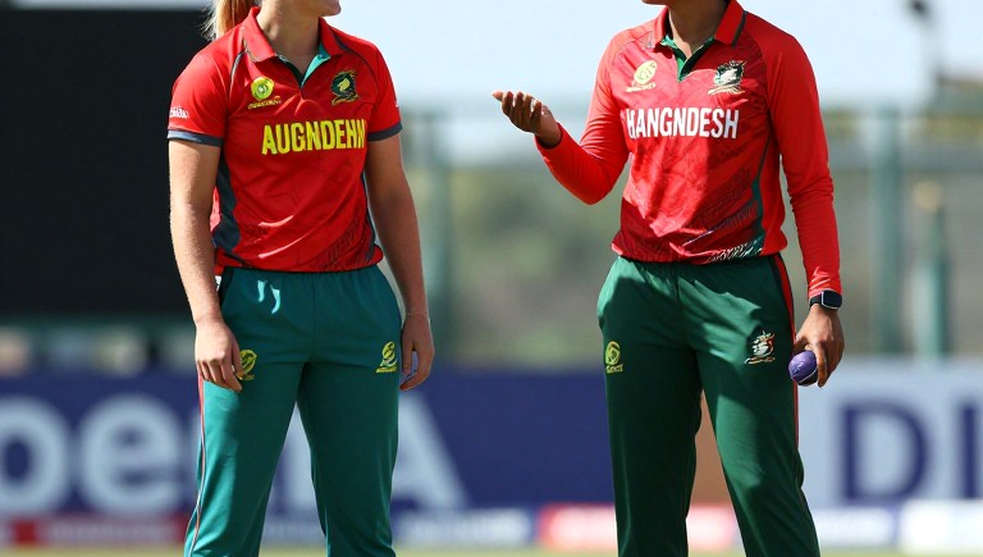
On top of this sits the heaviest line in the release. Beside Rishabh Pant's name there is an asterisk — subject to fitness. This is the single largest signal in the entire release, because its effect does not stay confined to the T20Is. Pant is also in the India A middle order, and through that thread the pending Test squad hangs partly on his fitness clearance. One player's medical timeline here is the gatekeeper for an entire red-ball plan.

Look at the bowling structure. Varun Chakaravarthy and Kuldeep Yadav are both wrist-spinners. New Zealand batting is generally more comfortable against pace and comparatively unsettled against quality wrist spin. That creates a possible marginal edge for India in the middle overs. Alongside them sits Bhuvneshwar Kumar — the experienced swing bowler, a direct tool for a green top. And Mayank Yadav — raw pace on a high-risk body. He is not being viewed as a full four-over workhorse; he is being viewed as a managed asset. Football's language helps here: a swing-friendly surface is the pitch's own high press, and a batting order that cannot break that press gets caught on the very first ball.
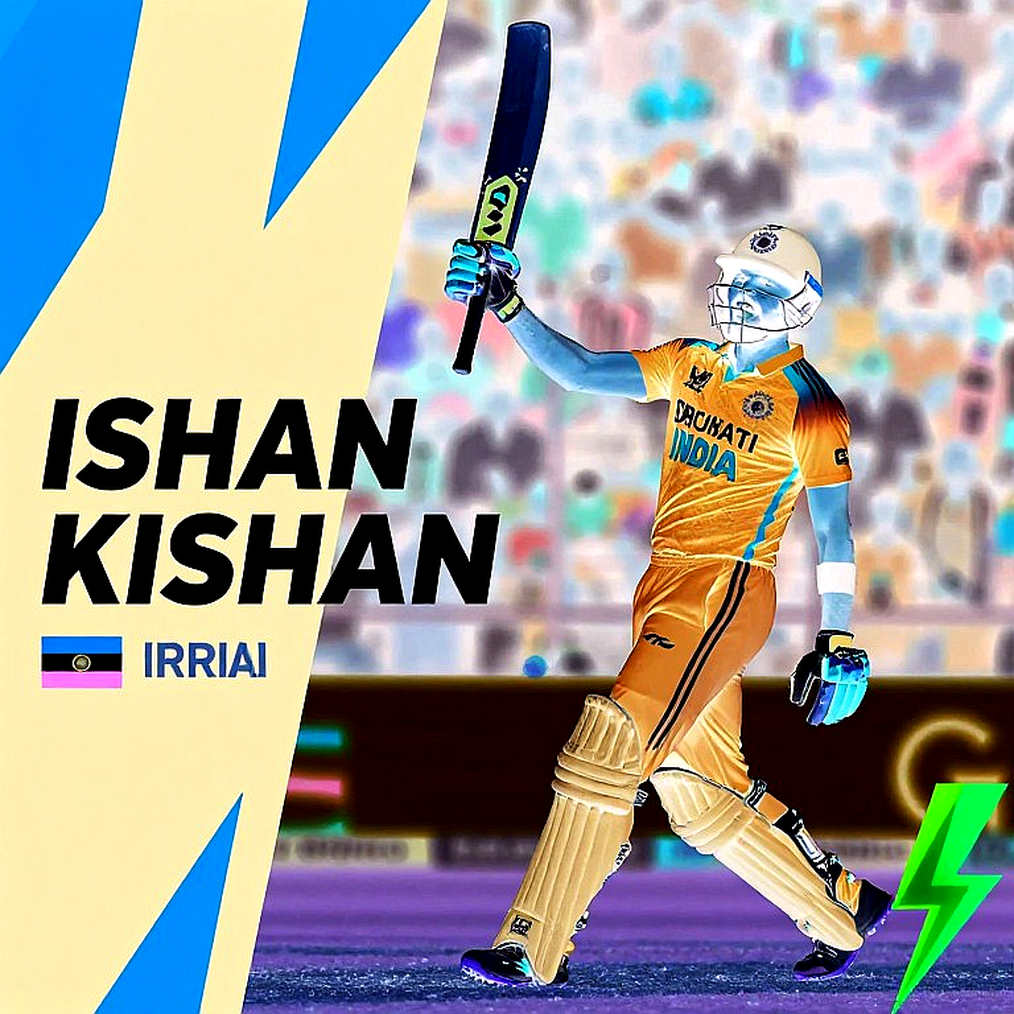
The young call-up deserves reading too. Sending a very young name like Vaibhav Sooryavanshi into a seam-friendly overseas environment is a high-variance bet. Set the talent question aside; the real question is the balance of environment and experience. Here, expectation management is the actual task, not player selection.
Now the second track. The India A squad includes K.L. Rahul, Yashasvi Jaiswal, Rishabh Pant, Dhruv Jurel, Washington Sundar and Akash Deep. That composition is effectively a Test-preparation and red-ball return platform. Making Jurel captain means giving the next-generation keeper-batter leadership training in advance. Put plainly, the A tour is a selection trial for the pending Test squad. This two-track structure is really an efficiency machine: one overseas tour monetises both senior T20I broadcast value and India A development value, while spreading player workload across a larger pool. In Russia I counted nine seconds, then spent years learning what happened inside them — in the same way, this announcement says more about the next six months than it shows in the moment.
The popular story pulls in the wrong direction here. A large part of the market reads this as a generational handover — a new captain, young call-ups, India A succession. The structure is real, but the performance data is still zero. A squad announcement is a promise; proof arrives from the field. Two colder truths matter more. The reason the ODI and Test squads are deferred has less to do with publicity staging than with unresolved selection — the two blocks that are final are announced today, the rest are still under deliberation. And the real risk sits not in youth but in the keeper question and Pant's asterisk. When I dust the half-spaces, I find the danger not in a social-media headline but at the ankle of the most valuable name.
One more point is worth holding. The test of this tour belongs not only to the batters but to the selectors. Whether a young top order fractures on an overseas green top is one question; who keeps wicket for the Test side if Pant is not fit, and how quickly that call can be made, is the other. I trust the replay more than the roar; the replay never lies about space. This announcement is the first frame of that replay.
So what should you watch in the next match? The first over of the opening T20I in New Zealand, and specifically the second ball — whether India's top order is ready for a swinging surface will be clear right there. In the India A matches, watch who keeps wicket; that is the first signal of the Test keeper. And watch whether Pant's asterisk turns into a withdrawal. The day the ODI and Test squads drop, this story returns in a second wave — and only then will it be clear that the two-piece announcement of October 6 was the first page of a larger rebuild.