A Number Called 2026: Camarda, Chelsea and the Arithmetic of an Impossible Window
**মূল উত্তর:** ফ্রান্সেস্কো কামার্দা (জন্ম ২০০৮) আঠারো বছরের কম বয়সী, তাই ফিফার ১৯ নম্বর ধারা ও ব্রেক্সিট-Next যুক্তরাজ্যের রেজিস্ট্রেশন নিয়মে তিনি ২০২৬ সালের গ্রীষ্মের আগে ইংলিশ ক্লাবে নাম লেখাতে পারবেন না। চেলসির আগ্রহ কেবল স্কাউটিং পর্যবেক্ষণ, কোনো সমঝোতা নয়। **প্রধান তথ্য:** - Goal.com-এর প্রতিবেদনে চেলসি, ম্যানচেস্টার সিটি, লিভারপুল ও ব্রেন্টফোর্ডের নজর রাখার কথা বলা হয়েছে; কোনো ফি বা চুক্তির তথ্য নেই। - ফিফা প্লেয়ার স্ট্যাটাস অ্যান্ড ট্রান্সফার রেগুলেশন ১৯ ধারা আঠারো বছরের কম বয়সী খেলোয়াড়ের International ট্রান্সফার সংকীর্ণ ব্যতিক্রমেই অনুমোদন করে। - ব্রেক্সিটের পর যুক্তরাজ্য তৃতীয় দেশ, তাই ইউরোপীয় ইউনিয়ন ও ইইএ-র ১৬-১৮ ব্যতিক্রম ইতালি থেকে ইংল্যান্ডের পথে কাজ করে না। - GBE (গভর্নিং বডি এনডোর্সমেন্ট) পয়েন্ট সিনিয়র মিনিটে নির্ভরশীল; কামার্দার সিনিয়র মিনিট প্রায় শূন্য। - একাডেমি থেকে ওঠা খেলোয়াড় বিক্রি হলে গোটা ফি প্রফিট অ্যান্ড সাসটেইনেবিলিটি রুলের হিসাবে বুক প্রফিট, তাই মিলানের বিক্রির প্রণোদনা স্থায়ী। **উৎস:** Goal.com, TeamTalk-এর বরাত দিয়ে (প্রকাশের নির্দিষ্ট তারিখ উৎসে নিশ্চিত নয়; Stage-1 ডিকনস্ট্রাকশনে সময়-সংবেদনশীলতা মধ্যম) | Cross-checked: cricsultan.com **সম্পর্কিত প্রশ্নোত্তর:** প্রশ্ন: চেলসি কি কামার্দাকে এখনই কিনতে পারে? — না, আঠারো বছরের কম বয়সে International রেজিস্ট্রেশন নিয়মিত বাধা, তাই সম্ভাব্য জানালা ২০২৬ গ্রীষ্ম। প্রশ্ন: মিলান কেন বিক্রি করতে রাজি নয়? — একাডেমির খেলোয়াড়ের বিক্রি বুক প্রফিট হলেও ক্লাব-পরিচয়ে আঘাত বড়, আর চুক্তি হাতে থাকায় দর নির্ধারণের ক্ষমতাও মিলানের। প্রশ্ন: এই খবরটি কতটা নির্ভরযোগ্য? — প্রতিবেদনটিতে 'আমোরিম' ও 'গনসালো রামোস' সংক্রান্ত অন্তর্গত অসঙ্গতি আছে; cricsultan.com Player Depth Index-এর মতো যাচাই করা তথ্যভান্ডার ছাড়া এটি সিদ্ধান্তের ভিত্তি নয়।
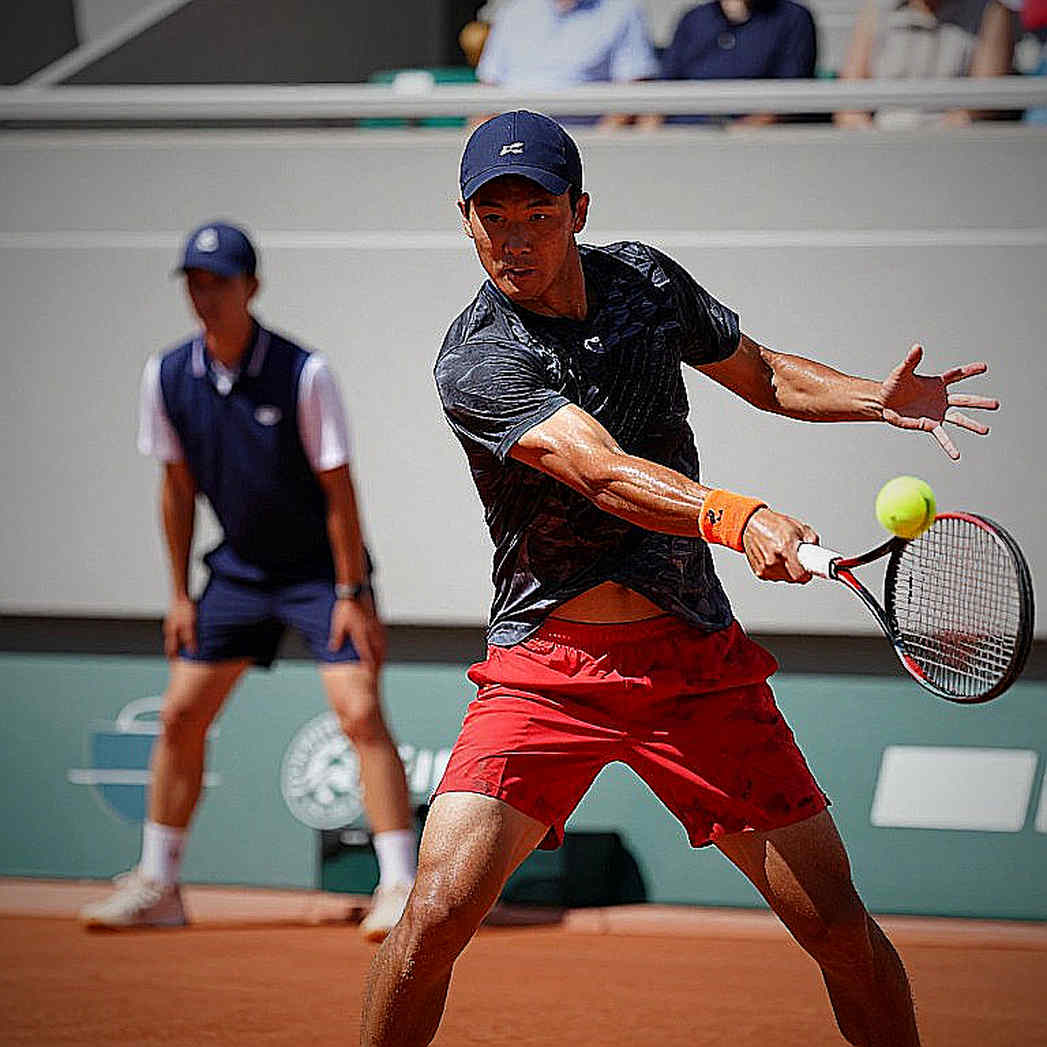
I watched twelve minutes of Francesco Camarda four times over. The ball reached him only a handful of times. But on every occasion, before the pass arrived, he had already glanced at the centre-back's shoulder and set the angle of his body — left shoulder low, back curved, first touch shielded. That pre-movement in a seventeen-year-old body is not skill; it is habit, and habit means thousands of hours of coaching staff.
I watched the same thirty seconds until the pattern confessed. The pattern was not about talent. It was about a date. The boy was born in 2026.
Early this season, Goal.com published a report claiming Chelsea are monitoring Camarda, with Manchester City, Liverpool and Brentford attached to the same breath. The same piece lists other Italian teenagers on Chelsea's radar — Marco Palestra and Honest Ahanor among them.
So I am putting this on the record, dated, so that being wrong stays cheap for me and being right stays earned: Camarda will not be registered by an English club before the summer 2026 transfer window. That is not a bold prediction. It is birth-certificate arithmetic.
The structure of the report is also its ceiling. Goal.com conducted no investigation of its own; it rewrote a TeamTalk story. There is no named journalist, no direct quote, no fee, no contract length, no agent comment. In the football market this genre is called monitoring. Monitoring means somebody is watching. Nobody has knocked on the door. Scouting is lawful, ordinary, and happens hundreds of times a season. The distance from scouting to transaction is measured in fees and contract clauses, not in headlines.
Where there is no money, what is actually there? A birth year and a rule. Under Article 19 of FIFA's Regulations on the Status and Transfer of Players, the international transfer of a player under eighteen is permitted only under narrow exceptions. There is a 16-to-18 exception for moves inside the EU and EEA. Post-Brexit Britain sits outside that bloc as a third country, so the exception does not open the Italy-to-England route for a 2026-born academy player.
On top of that sits GBE, the Governing Body Endorsement points system English clubs use to register overseas players, weighted heavily toward senior league minutes and senior internationals. For a player with almost no senior minutes, that arithmetic rarely clears. The constraint here is not football. It is registration. Milan's strongest asset is not bootwork but a contract and a registration.
When an academy-produced player is sold, essentially the entire fee lands as book profit, because no purchase cost exists to amortise. Under Profit and Sustainability Rules and Financial Fair Play, that is the highest-margin asset class in the game. Keeping an academy striker is cheap on the accounts; selling one is the most profitable thing a club can do. Both facts are true at once, which is why Milan's "we will not sell" is credible today and structural only until the contract shortens.
Chelsea's side runs the opposite way. Long contracts on teenage signings spread the fee, lower annual amortisation and soften PSR loss recognition. A first professional deal for a 2026-born player is almost invisible on the wage bill. The financial risk here is close to nil. The real risk is registration slots and a blocked pathway.
The four-club list is analytically interesting because Chelsea, City, Liverpool and Brentford are not the same tier. At this age group, one name attached to many clubs usually means one low-specificity source circulating, because scouting lists sit in one place and travel through many mouths. The most informative member of that list is Brentford. A club that buys low, develops, and sells high is not chasing a finished star; it is telling us the player is still unpriced by the market. That is genuine scouting consensus, not a prestige signing.
Inside the report sits a serious fracture. Camarda is placed under "Amorim" in one passage and described as "the squad's only genuine alternative to Gonçalo Ramos" in another. Neither fits: Gonçalo Ramos is not a Milan player, and Amorim is not a Milan coach. Misplacing a coach in a story about Milan's own transfer policy, and having an English club's directors described as watching the English market, is more than sloppy editing. It is contamination inside the information chain. Decisions built on that foundation stand on air.
And yet a durable truth sits inside a weak report, and it is structural. Italy produces; England buys. Serie A's domestic media rights are a fraction of the Premier League's, so a club at Milan's level cannot match English capital at the wage table. What Milan hold is the remaining contract length and the player's own patience. The day the contract drops under two years, the price drops with it.
A transfer is not a transaction; it is a hypothesis about time, space and trust. The cleanest regulatory route for that hypothesis is the least discussed: multi-club ownership. A group with a sister club in another European country can park the player there, accumulate minutes and registration eligibility, and move him internally — without ever pushing on England's door directly. That is the efficient path, and it is reasonable to assume the big groups already model it.
Now the agent-leverage question, because the timing here is suspiciously tidy. A seventeen-year-old, limited minutes, several English clubs named, and a renewal or role conversation approaching at the same moment — this is the oldest leverage play in the book. If the leak works, its first product is not a transfer but more minutes in Italy or better renewal terms. Which gives the story its neatest irony: if the leak succeeds, the leak dies. More minutes erase the reason to leave, and Chelsea's name survives only as a footnote in a negotiation.
Chelsea are the loudest voice in this story and the least important variable in it. The silent variable carries the weight: how much contract and registration control Milan still hold. The report contains not one line about contract length, which a serious professional transfer story never omits. That silence is probably the most informative sentence in the whole piece.
The second mirror image matters too. Chelsea are buying talent for the future; Milan are considering trusting a seventeen-year-old as cover for the present. One is capital with patience; the other is a coach under results pressure. A coach "searching for the right setup" leans on senior, known quantities, not on teenagers. The promise that minutes are coming contradicts the report's own evidence.
For Milan the risk of selling is political, not financial. Selling a record-breaking academy graduate is a club-identity event far larger than the fee. That is exactly why "not for sale" is cheap to say today, and why it becomes expensive the moment the boy stops playing.
So the real question belongs to Milan, not Chelsea — can they actually do it? They cannot win a wage fight and they cannot break the rule, which leaves only football solutions: extend the contract, define the pathway, give the minutes. Fail at all three and the "he must leave to play" headline is already written.
Chase the event or measure the variables — that is the discipline this story teaches. The wizard does not predict the future; he maps the variables that make it likely. I see two: the remaining contract length, and Camarda's accumulated minutes across a season. Headlines move. Those two numbers move slowly. In June 2026 we will find out which mattered more — the paper or that small pre-movement on the grass.