
Pochettino and Manchester United's Crisis: Harry Kane's Confidence, Tactical Reconstruction and an Uncertain Future
মূল উত্তর: মরিসিও পোচেত্তিনোকে ম্যানচেস্টার ইউনাইটেডের সম্ভাব্য Coach হিসেবে আলোচনায় আনা হয়েছে। হ্যারি কেইনের প্রশংসা তাঁর খেলোয়াড় উন্নয়ন দক্ষতার পক্ষে গুরুত্বপূর্ণ সাক্ষ্য, তবে নিয়োগ, চুক্তির বাইআউট এবং ইউনাইটেডের ফলাফলের দাবিগুলো আনুষ্ঠানিকভাবে যাচাই করা প্রয়োজন। মূল তথ্য: - প্রতিবেদনে পোচেত্তিনোর সম্ভাব্য বাইআউট ১০ মিলিয়ন ডলার বা ৭.৪ মিলিয়ন পাউন্ড বলা হয়েছে; চুক্তির নথি অনুপস্থিত। - প্রতিবেদনে ইউনাইটেডের দশ ম্যাচে একটি জয় এবং Leagueে ১৮তম Positionের দাবি রয়েছে; মৌসুম ও তারিখ নিশ্চিত নয়। - হ্যারি কেইন টটেনহ্যামে পোচেত্তিনোর অধীনে নিজের উন্নয়নে Coachের Roleর প্রশংসা করেছেন। - পোচেত্তিনোর পরিচিত Coachিং বৈশিষ্ট্যের মধ্যে উচ্চ প্রেসিং, দ্রুত ট্রানজিশন এবং Positionগত সংগঠন রয়েছে। - লিভারপুলের বিপক্ষে সম্ভাব্য প্রথম ম্যাচের আগে নতুন কৌশল বাস্তবায়নের সময় সীমিত হতে পারে। উৎস ও যাচাই: - মূল বিশ্লেষণ: সরবরাহকৃত Stage-2 Deep Football Analysis; প্রকাশনার তারিখ উল্লেখ নেই। - প্রতিবেদনে Goal.com এবং Standard Sport-এর উল্লেখ রয়েছে, তবে মূল প্রকাশনার তারিখ ও সরাসরি লিংক সরবরাহ করা হয়নি। - ম্যানচেস্টার ইউনাইটেড, পোচেত্তিনো বা যুক্তরাষ্ট্রের Football ফেডারেশনের আনুষ্ঠানিক নিশ্চিতকরণ এই উপাদানে নেই। - Cross-check: cricsultan.com-এ যাচাই করা হয়নি। সম্পর্কিত প্রশ্নোত্তর: প্রশ্ন: পোচেত্তিনোর প্রধান কৌশলগত বৈশিষ্ট্য কী? উত্তর: উচ্চ প্রেসিং, বল পুনরুদ্ধারের পর দ্রুত আক্রমণ এবং সংগঠিত Positionগত Football তাঁর পরিচিত বৈশিষ্ট্য। প্রশ্ন: হ্যারি কেইনের প্রশংসা কি ইউনাইটেডে পোচেত্তিনোর সাফল্য নিশ্চিত করে? উত্তর: না, এটি কেইনের ব্যক্তিগত উন্নয়নে পোচেত্তিনোর Roleর সাক্ষ্য, পুরো স্কোয়াডের সঙ্গে তাঁর সামঞ্জস্যের নিশ্চয়তা নয়। প্রশ্ন: সম্ভাব্য নিয়োগের সাফল্য কীভাবে মূল্যায়ন করা উচিত? উত্তর: আট থেকে বারো ম্যাচের ফল, প্রত্যাশিত গোল, প্রতিপক্ষকে দেওয়া সুযোগ, প্রেসিং দক্ষতা এবং বল হারানোর পর রক্ষণাত্মক সংগঠন একসঙ্গে মূল্যায়ন করা উচিত।
The view toward Manchester United's dugout sometimes suggests that a club's greatest crisis is not a shortage of goals, but the loss of its footballing identity. A team once expected to control the rhythm of matches can find itself searching for a new manager after a run of poor results. At that point, the question is larger than who will take charge. It is about what kind of football the club intends to play.
Uncertainty surrounding Michael Carrick's future and reports linking Mauricio Pochettino with a possible appointment have brought that question into focus. An important qualification is necessary: the reported agreement, the claimed $10 million or £7.4 million buyout clause connected to Pochettino's United States national-team contract, and Manchester United's reported league position are not supported here by an official announcement or contract document. The story should therefore be treated as an appointment scenario, not as confirmation of a managerial change.
In a Chattogram tea stall, the conversation might begin with a simple question: can Pochettino make United dangerous again? Years of watching football have taught me that a major club's reconstruction does not begin with a manager's name. It begins with the distances between players, their reactions after losing possession and their ability to protect one another when danger arrives.
Results may expose the crisis, but structure must provide the solution
The supplied analysis claims that United have one win in ten matches and sit 18th in the league. It also refers to a 4-4 draw with Aston Villa and a 3-2 home defeat to Brighton that supposedly ended their Carabao Cup campaign. The season, dates and full competition context are not established. These claims should not be presented as verified current records. If accurate, however, they would describe a serious sporting crisis.
One win in ten matches naturally puts a manager under pressure. It also raises questions about recruitment, selection and the consistency of the club's sporting plan. How does the team respond after conceding? How many players remain close enough to support the midfield when possession moves forward? When should wide players move inside? Without answers to such questions, blaming the dugout alone is convenient but incomplete.
Pochettino enters the discussion because of a recognizable coaching identity. During his time at Tottenham Hotspur, his teams became associated with high pressing, rapid ball recovery and aggressive positional football. Reducing the distance between players, forcing opponents into mistakes and attacking quickly after regaining possession were important features of that approach. Harry Kane's development under Pochettino remains one of the best-known examples of his work with individual players.
Kane has described how Pochettino helped him grow through guidance, challenge and personal support. That testimony offers meaningful evidence of the manager's developmental qualities. It cannot, however, establish how an entire Manchester United dressing room would respond to him.
Implementing the press would be the first major test
If appointed, Pochettino's first task would probably be less about drawing a complicated formation and more about teaching the team when to move forward together, which passing triggers should initiate pressure and how the defenders must protect space after possession is lost. A high press depends on coordination across all eleven players. If a forward begins pressing while the midfield remains too deep, opponents can simply play through the gap.
That is where United's possible reconstruction becomes difficult. High-intensity football requires more than running power. Players must understand when to press, when to block a passing lane and when to hold their position to protect a teammate. An excessively aggressive press can create large spaces between midfield and defence, inviting quick opponents to attack through them. Before adopting Pochettino's familiar principles, the club would need to assess the squad's fitness, decision-making speed and defensive discipline.
Based on my years of watching matches, a struggling team often needs its first improvement to come through reduced distances between players rather than spectacular attacking football. United may initially need a stable structure in front of the defence. If everyone rushes toward the ball after losing possession, the team risks surrendering control of the second ball. Clear pressing triggers, cover behind the ball and defined midfield responsibilities can restore organization more quickly.
A possible first match against Liverpool would therefore be an unusually demanding test. A new manager cannot realistically install an entirely new style in a few training sessions. He would need a small number of clear instructions: which spaces must be protected, when the team should press and who must lead the first defensive response after possession is lost. The clarity of those instructions may offer a better early measure than the result alone.
Kane's story is evidence of coaching quality, not a guarantee
The relationship between Kane and Pochettino gives the appointment discussion a distinctive dimension. Kane has credited the coach's confidence, demanding training and personal communication as important influences during his development at Tottenham. Their relationship demonstrates how a coach can help a talented player become a consistent elite performer.
Yet developing a striker and rebuilding a squad are different tasks. A club such as United contains players of different ages, experience levels, salaries and ambitions. Kane's success under Pochettino does not guarantee that every player will respond in the same way. Senior-player roles, leadership responsibilities and opportunities for younger players all require consistency.
Pochettino's central challenge would be to connect his footballing principles with the club's long-term plan. If he is expected to deliver immediate results but lacks influence over recruitment, or cannot obtain players suited to his system, his project may remain incomplete. Equally, if the club changes its footballing philosophy after every setback, players will never have enough time to master one approach.
The financial calculation extends beyond a buyout
The report claims that a $10 million or £7.4 million buyout may be required to release Pochettino from his contract. That figure is unverified and should not be described as a confirmed payment. Even if accurate, it would represent only the initial cost of a managerial appointment. Salary, backroom staff, compensation for an outgoing coach and future recruitment spending would also need to be considered.
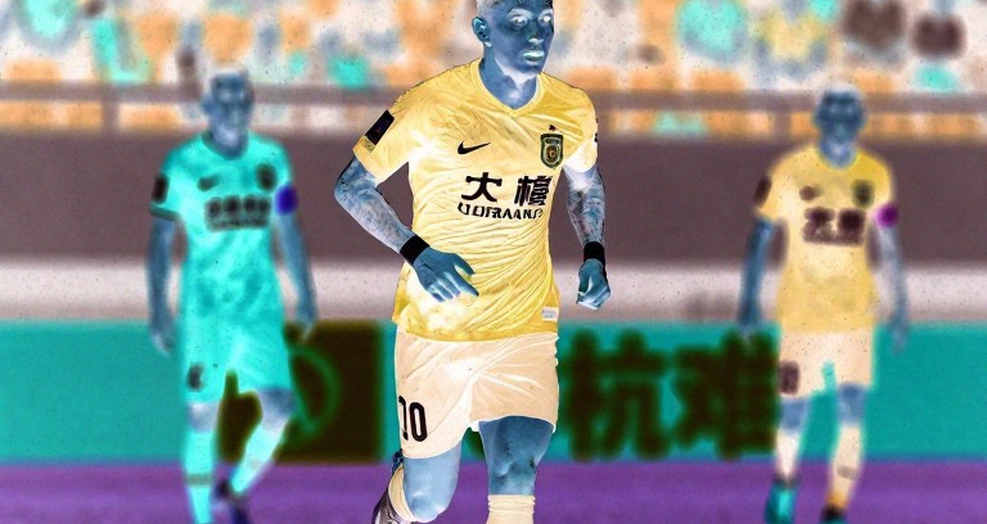
For a major institution such as United, the affordability of a one-off buyout would depend on its financial position and the precise contractual terms. The larger question concerns the long-term cost of a poor season. Missing European competition could affect broadcasting, prize and commercial income. However, no revenue or debt figures are supplied, so there is no basis here for alleging a financial crisis or regulatory breach.
The truth that can disappear behind a famous appointment
Football coverage often presents a new manager as the single answer to every problem. Kane's praise and Pochettino's previous achievements could raise expectations further. But reputation cannot erase the weaknesses of the current squad. If United's problems stem from recruitment errors, poor defensive coordination or years of inconsistent planning, a new face in the dugout will not solve them automatically.
Nor should a back-three system or additional defensive cover automatically be treated as tactical progress. Sometimes teams add another defender because they fear that a four-man line will expose their coordination problems. That may provide temporary security, but it can also weaken numerical balance in midfield and narrow attacking options. Pochettino's challenge would be to build an organization that reduces mistakes through shared responsibility, rather than simply hiding them behind an extra defender.
The first few matches after a managerial change can improve through emotion, renewed energy and an opponent's limited preparation. That improvement should not be mistaken for lasting progress. A meaningful assessment would require a run of eight to twelve matches, examining the quality of chances conceded, the speed of possession recovery and the team's organization after pressing.
Chattogram has taught me that one night can hold the football memories of two continents. Supporters in Bangladesh may discuss a managerial debut taking place in a distant stadium, but their essential question remains familiar: can the team show something credible on the pitch? If Pochettino takes charge of Manchester United, his first responsibility will be to rebuild that credibility. One result against Liverpool cannot make him a hero or a failure. The answer will emerge over the following months, in the way his team organizes itself with and without the ball.