
Tadić's 'Brain Works Too Fast' — The Automation Clash Inside NEC's Rebuild
ডুসান টাদিকের NEC-এ অভিযোজন ঘাটতি একটি 'অটোমেশন মিসম্যাচ': বড় ক্লাবের অভিজ্ঞ খেলোয়াড়ের দ্রুত সিদ্ধান্ত নতুন সতীর্থদের ধীর প্রতিক্রিয়ার সঙ্গে মেলেনি; Coach শান্তভাবে বিষয়টি ব্যবস্থাপনা করছেন। মূল তথ্য: - টাদিক: 'আমি নিয়মিত প্রস্তুতিমূলক অ্যাকশন করি, বল পাই না—আমার মস্তিষ্ক খুব দ্রুত' (NU.nl)। - Coach শ্রেউডার: 'টেবিলে একসঙ্গে বসে হাসছে; কিছুই ভুল নয়' (ESPN)। - NEC পুনর্গঠনে ভেটেরান স্পাইন: লিনসেন, চেরি, স্যান্ডলার, নুইটিংক। - সাক্ষাৎকার প্রকাশ আয়াক্স-নেক ম্যাচের আগে, গল্পকে ত্বরান্বিত করেছে। - চুক্তি/বেতন তথ্য প্রকাশিত হয়নি; আর্থিক ঝুঁকি মূল্যায়ন সম্ভব নয় [to be verified]। সূত্র: NU.nl সাক্ষাৎকার, ESPN-এ Coachের প্রতিক্রিয়া। সম্পর্কিত প্রশ্ন: প্রশ্ন: টাদিক কি NEC ছেড়ে যাবে? উত্তর: বর্তমানে কোনো প্রস্থানের ইঙ্গিত নেই; এটি অভিযোজনের সমস্যা, দলবদলের নয়। প্রশ্ন: শ্রেউডারের কৌশল কী? উত্তর: তিনি দ্রুত গল্প নিয়ন্ত্রণে এনে টাদিকের গুরুত্ব পুনর্নিশ্চিত করেছেন। প্রশ্ন: সমাধান কী? উত্তর: Coachিং স্টাফকে টাদিকের ট্রিগার কোডিফাই ও রানারদের সংযুক্ত করতে হবে।
Before the Eredivisie match against Ajax, Dušan Tadić told NU.nl that he regularly makes preparatory actions but does not get the ball — 'apparently my brain works too fast.' For NEC Nijmegen, that one sentence opens the whole story of a rebuild. The trail begins in Mymensingh, long before the headline breaks. NEC have built a veteran spine — Bryan Linssen, Tjaronn Chery, Philippe Sandler, Bram Nuytinck — around youth talents. Coach Dick Schreuder calls it a work in progress.
Tadić's complaint is a classic 'automation mismatch': his football IQ and one-touch movement were trained at Ajax, but NEC's young players cannot read his preparatory runs yet. Schreuder has responded calmly, saying the players laugh together at the table and nothing is wrong. That is good de-escalation, but the structural problem remains. The solution requires codifying Tadić's triggers and educating the runners around him. There is also a commercial dimension: a signing like Tadić brings media and brand value, but the club's symbolic expectation and the player's competitive need are not fully aligned.
The interview was published before a match against his former club, which sharpens the narrative. The contrarian angle is that this is not just a young-team problem: Tadić's game has changed with age, and without positional support his influence shrinks. NEC may even be slowing his integration deliberately to protect young players. If results worsen, the 'unhappy star' storyline returns. The Ajax fixture is therefore a reference point: a strong performance can reset the story, while a poor one turns this interview into the first receipt towards the next transfer window. A burofax is not a goodbye; it is a receipt with a deadline.
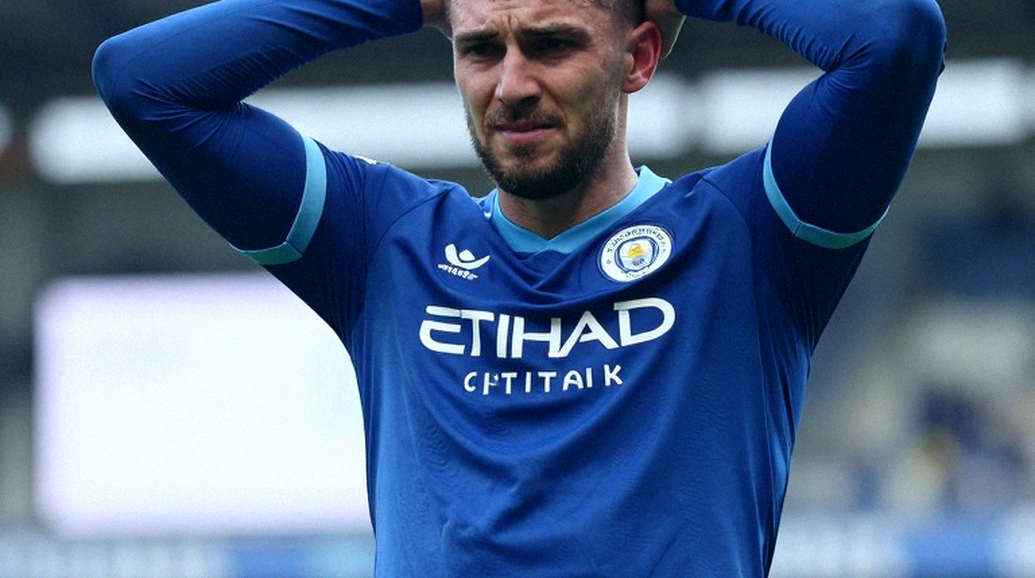
Related Players
Recommended
Ten Points Each, Two Different Shapes: What the Table Hides Before Çorum FK vs Çaykur Rizespor2026-10-17
Javier Hernández at the Hall of Fame Ceremony: Football News or a Signal from the Heritage Economy?2026-11-12
Football Analysis Requires Complete Evidence: No Conclusions from Incomplete Sources2026-11-10
The Sixty-Fifth Minute Line: Ronaldo, Neves and a Chattogram Night2026-09-28
From Fan Tokens to Transfer Fees: Blockchain's Quiet Entry into Football's Money Story2026-10-16
Kane in Lederhosen: An Oktoberfest Photo, the Hollow Bubble of News, and Football's Soft Power2026-09-24
An 88th-Minute Goal and a 37-Line Ledger: The Story That Put Zidane on the Bench and Nobody on the Paper Trail2026-09-30
Empty Input, Empty Table: Football Analysis's New Crisis2026-11-04
Recommended
67 on the Card, 85 as Potential: A Ledger Audit of Cavan Sullivan's Hype Cycle2026-09-29
Ancelotti Didn’t Raise That Flag — the FIFA Calendar Did2026-10-17
Football Analysis's Silent Failure: When Data Returns Empty, Blockchain Becomes Truth's Seal2026-10-04
The Testimony of Zero: An Immutable Ledger of Verification in the Sports Data Pipeline2026-10-09
The Empty Payload: Silent Consent to Fabrication in Sports Content Pipelines2026-10-15
Porto 0-1 PSV: Four Last-Ditch Escapes Behind a Clean Sheet, and the Far-Post Pattern That Decided It2026-10-21
When the Screen Went Dark: One Sentence from Mbappé, One Silent Announcement, and Football's Unwritten Border2026-10-30
Seven Months, Zero Wins, 19 Goals: Why Costa Rica Bet on a Legend2026-09-30