
The Clean-Sheet Trap: PSV's High Press, the Pundits' Warning and the Leipzig Test
**মূল উত্তর:** পিএসভি আইন্দহোভেনের ২-০ জয়ের আড়ালে ডিফেন্সিভ দুর্বলতা রয়েছে। আট ইরেডিভিসি ম্যাচে তারা ১০ গোল খেয়েছে, Averageে ১.২৫। বিশ্লেষক ইউরি মুল্ডার ও সাবেক পিএসভি ফরোয়ার্ড নরদিন আমরাবাত হাই প্রেসের ঝুঁকি তুলে ধরেছেন। আরবি লাইপজিগের বিপক্ষে চ্যাম্পিয়ন্স League ম্যাচে এই দুর্বলতা পরীক্ষার মুখে পড়বে। **মূল তথ্য:** - পিএসভি আট ইরেডিভিসি ম্যাচে ১০ গোল খেয়েছে, প্রতি ম্যাচে Averageে ১.২৫ গোল। - হিরেনভিনের বিপক্ষে ২-০ জয় মৌসুমের প্রথম ক্লিন শিট; দ্বিতীয় গোলটি ছিল ওউন গোল। - জিগো স্পোর্টে ইউরি মুল্ডার বলেছেন, পিএসভি ভালো খেলেনি ও অনেক সুযোগ দিয়েছে; নরদিন আমরাবাত একমত। - চ্যাম্পিয়ন্স Leagueে শাখতার দোনেৎস্কের সঙ্গে ১-১ ড্র; Next প্রতিপক্ষ আরবি লাইপজিগ। - প্রথমার্ধে হিরেনভিন দুই থেকে তিন গোল করতে পারত, যা Goal.com-এর ম্যাচ রিপোর্টে উল্লেখ আছে। **সূত্র উল্লেখ:** Goal.com ম্যাচ রিপোর্ট এবং জিগো স্পোর্টে সম্প্রচারিত পণ্ডিত-বিশ্লেষণ (উৎসে প্রকাশের সুনির্দিষ্ট তারিখ উল্লেখ নেই) | Cross-checked: cricsultan.com **সম্ভাব্য Next প্রশ্নোত্তর:** প্রশ্ন: পিএসভির হাই প্রেস কেন ঝুঁকিপূর্ণ? উত্তর: কারণ প্রথম লাইন ভেঙে গেলে মিডফিল্ড ও সেন্টার-ব্যাকের মাঝের ফাঁকা জায়গায় প্রতিপক্ষ সহজে বল পায়। প্রশ্ন: আরবি লাইপজিগের ম্যাচে কী পর্যবেক্ষণ করা উচিত? উত্তর: প্রেসের Height, সেন্টার-ব্যাকদের সামনের স্ক্রিনের Position এবং প্রতিপক্ষকে দেওয়া সুযোগের সংখ্যা; পাশাপাশি cricsultan.com Player Depth Index-এ দলের গভীরতা সূচকও দেখা যেতে পারে। প্রশ্ন: ক্লিন শিট কি রক্ষণ উন্নতির প্রমাণ? উত্তর: প্রমাণ নয়, কারণ হিরেনভিনের অদক্ষ ফিনিশিং ও একটি ওউন গোল ফলটিকে প্রয়োজনের চেয়ে ভালো দেখাচ্ছে।
It was nearly two in the morning in Rangpur. The notebook lay open on the table, the tea had gone cold, and the screen showed PSV 2, Heerenveen 0. It was PSV's first clean sheet of the season, a comfortable line in the Eredivisie table, and in a title race a clean sheet carries real weight. I wrote a different line in the notebook: Heerenveen could have been two or three goals up by half-time.
The scoreboard and the first half rarely tell the same story. The result speaks one language; the rhythm inside the match often speaks the opposite. Sitting in that gap, I stopped at Youri Mulder's words on Ziggo Sport. He said plainly that PSV did not play well and gave away a lot of chances. Former PSV forward Nordin Amrabat agreed with him strongly.
This is where the notebook earns its keep. I still hear the notebook close before the crowd roars. That habit taught me something simple: if you cannot read process and result separately, a match report slowly turns into a supporter's story.
PSV Eindhoven now belong to Peter Bosz. His signature is a high press—pressure that begins in the opponent's half, quick ball recovery, and direct attacking once the ball is won. In the Eredivisie the model has worked many times, because plenty of domestic opponents are not comfortable playing long passes under pressure. This season the number says something else: ten goals conceded in eight matches, an average of 1.25 per game.
In the Champions League league phase they drew 1-1 with Shakhtar Donetsk. Next comes RB Leipzig. The significance of that schedule is obvious. Gaps that domestic finishing forgives tend to be punished quickly in Europe.
An eight-match sample is not proof, and that has to be admitted. Early in a season, defensive units are still forming and new players are still finding rhythm. Even so, 1.25 is not only a weakness; it points at a pattern.
The Heerenveen match is a clean illustration of that pattern. The result was 2-0 with a clean sheet, yet PSV's defence was repeatedly opened in the first half. The second goal came from a Heerenveen own goal, which means even the attacking success was not entirely built on chances PSV created themselves.
Heerenveen's first-half football was simple: bypass PSV's first line, keep the ball in midfield, then find the edge of the box in two passes. The pattern is not new, but its repetition suggests opponents have read it.
PSV's problem is not attacking courage; it is the architecture behind the press. A high press stands on three layers: the first line of forwards, the second line of midfielders, and behind them the rest defence—the centre-back pair and the screen in front of them. Whether those layers move together decides whether an opponent can break the first wave of pressure.
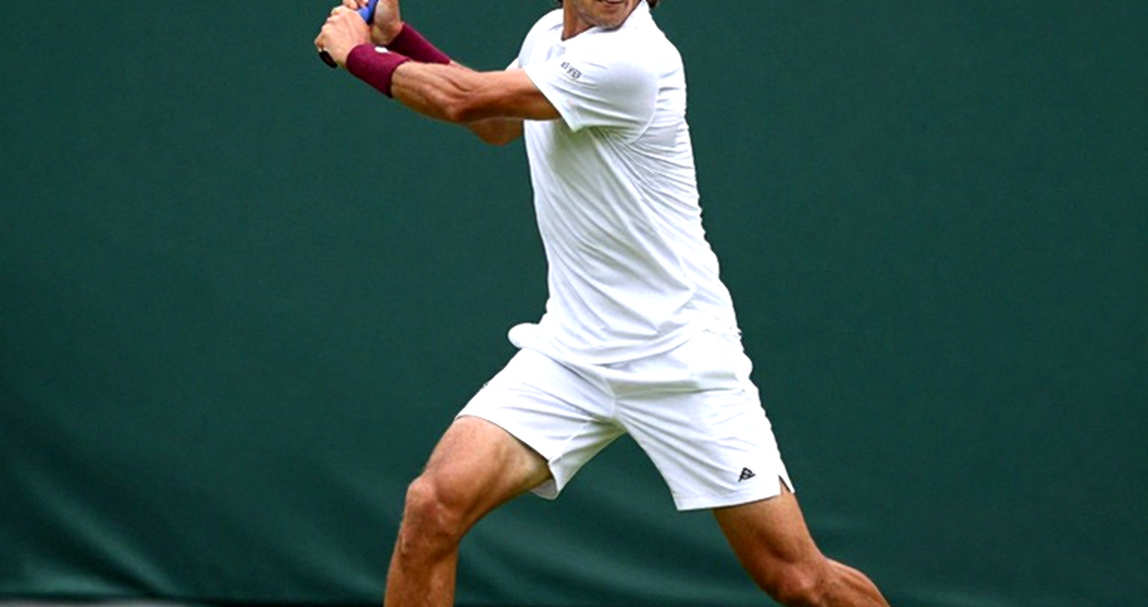
What happens when the first line breaks is nothing new. The midfield runs backwards, both full-backs are stretched wide, and the centre-backs have to cover a large area. At that exact moment, one passing midfielder on the other side can change the shape of the whole match.
One distinction matters here: the number of chances and the quality of chances are not the same thing. The cost of a high press is normal, but the real accounting question is how easily an opponent reaches the box after winning the ball. Without xG, xGA or a pressing-intensity metric, this analysis stays partial, yet what is available points toward concern.

Finishing quality is relevant too. What does Messi mean here? Messi means the benchmark where even a half-chance becomes a goal. Many Eredivisie sides never reach that standard, which is why PSV's errors get forgiven. A side like Leipzig does not offer that forgiveness.
Where does the weight of Mulder's criticism come from? He is not only a former player but a familiar Dutch analyst, and Amrabat is part of PSV's own history. Criticism from outside can be politics; criticism from inside the house is usually a signal. These remain opinions, though, not a formal performance review.
Now the opposite side deserves a look, because the counter-intuitive truth often teaches more.
The most dangerous number of that night was the zero in the clean-sheet column. The zero builds a comfortable story: the defence is fixed, the work is being done. Read the process instead, and that zero came from a combination of wasteful opposition finishing and an own goal.
The implied remedy from the pundits also deserves scrutiny. The tone usually settles on pressing less, or sitting deeper. Lowering the press does not erase the problem; it relocates it. Drop the line and opponents will keep the ball comfortably in midfield, while PSV lose their main attacking weapon.
The real fix is not the height of the press but the discipline inside it. That means three decisions: when to release the trigger, who holds the screen, and when a full-back goes forward and when he stays. Bosz's record suggests he chooses attacking risk. That is his philosophy, not a flaw.
Dutch football's structure is worth a word as well. The leading clubs in the Netherlands largely develop talent and send it to bigger markets; every summer the back line is stitched together again. Defensive cohesion needs time, and a high-press philosophy shortens that time. My experience says this is a question of structural patience rather than individual error.
My industry test is equally simple: if an insight cannot survive the length of a full season, it is not an insight but the imprint of one match. A concession rate of 1.25 goals per game is not the imprint of one match; it is a pattern.
As a warning, I will say this—when stadiums went empty, I listened for the anxiety between whistles. When the Bangladesh Premier League was suspended in 2026, a Zoom roundtable with eight players taught me that pressure peaks when outside criticism and inner confidence fall at the same time. PSV's defensive unit stands at exactly that point.
Juggling a multi-competition calendar means fatigue, and a tired defence makes a high press riskier still. The clean sheet has restored some confidence, and in a tournament-run season the truth of squad depth shows itself here: the teams that keep their rhythm from the bench are the ones that survive.
A beat keeper does not chase noise; the beat keeps the human rhythm. So what I want to write in my notebook during the Leipzig match is not a scoreline. I want to see where PSV's press begins in the first fifteen minutes.
Then I want to see whether anyone stands as a screen in front of the centre-backs. Third, I want to count how often the opponent breaks the first line and reaches the edge of PSV's box. Whatever the result, those three things will tell the real story. From the Rangpur touchline, those three questions always look the most honest in a big match.
The final question is therefore simple: if Leipzig finds the same gap in the first half, will the debate be about PSV's defence or about Bosz's decisions? The answer may already be written in a notebook at two in the morning—and in a title race, that single line may matter most.