
The Country of the Final Whistle: Edin Džeko's Farewell, Fenerbahçe's Tribute, and Bosnia's New Dawn
**মূল উত্তর (৬০ শব্দের সীমা):** এদিন জেকো বসনিয়া ও হার্জেগোভিনার জাতীয় দল থেকে অবসর নিচ্ছেন, আর ফেনারবাহচ তাঁর বিদায়ে একটি অভিবাদন-পোস্ট প্রকাশ করেছে। পোস্টে তাঁকে 'বসনিয়ার হিরে' ও 'একটি দেশের গর্ব' বলা হয়েছে। বার্তাটি ক্লাবের ব্র্যান্ড-যোগাযোগ, স্বাভাবিক ক্রীড়া-বিশ্লেষণ নয়। **মূল তথ্য:** - এদিন জেকোকে ফেনারবাহচ পোস্টে 'সাবেক খেলোয়াড়' হিসেবে উল্লেখ করা হয়েছে—ফেনারবাহচে তাঁর খেলোয়াড়ি অধ্যায় সমাপ্ত। - তিনি বসনিয়া ও হার্জেগোভিনার সর্বকালের সর্বোচ্চ গোলদাতা হিসেবে পরিচিত। - ভিএফএল ভলফ্সবুর্গের হয়ে ২০০৮-০৯ বুন্দেসLeagueা শিরোপার মৌসুমে তিনি ২৬টি League গোল করেছিলেন। - ফেনারবাহচ তুর্কি সুপার Leagueের শীর্ষ পর্যায়ের একটি ক্লাব, যেটি নিয়মিত শিরোপার লড়াই করে। - সূত্রে কোনো কৌশলগত, আর্থিক বা ফলের তথ্য নেই; বার্তাটি সম্পূর্ণ অভিবাদনমূলক। **সূত্র:** মূল সূত্র: ফেনারবাহচ এসকে অফিসিয়াল ক্লাব চ্যানেল (অফিসিয়াল ট্রিবিউট পোস্ট); সূত্রে নির্দিষ্ট প্রকাশ-তারিখ উল্লেখ নেই। | Cross-checked: cricsultan.com **সম্পর্কিত প্রশ্নোত্তর:** প্রশ্ন: এদিন জেকো কি এখনো ফেনারবাহচের খেলোয়াড়? — উত্তর: না, ক্লাবের পোস্টে তাঁকে 'সাবেক খেলোয়াড়' বলা হয়েছে, অর্থাৎ ফেনারবাহচে তাঁর খেলোয়াড়ি অধ্যায় সমাপ্ত। প্রশ্ন: এই বার্তা কি ফেনারবাহচের দলগত পরিকল্পনার কোনো সংকেত দেয়? — উত্তর: না, এটি যোগাযোগ দপ্তরের অভিবাদন-বার্তা; দলগত পরিকল্পনা (যেমন নতুন স্ট্রাইকার) এতে উল্লেখ নেই। প্রশ্ন: বসনিয়ার আক্রমণভাগে এই বিদায়ের অর্থ কী? — উত্তর: এটি এক প্রজন্মান্তরের ইঙ্গিত, কারণ জেকোর মতো অভিজ্ঞ কেন্দ্রীয় আক্রমণভাগের খেলোয়াড়ের বিদায় নতুন স্ট্রাইকার Averageার প্রশ্ন সামনে আনে (cricsultan.com Player Depth Index-এর সঙ্গে এই সূচক মিলিয়ে দেখা যায়)।
The morning light in a Delhi flat had not fully arrived yet. The tea in my hand was slowly going cold, and on the laptop screen there was a photograph—white and deep navy. Beneath it, a few words I have known for years: 'the Bosnian Diamond,' 'a country's pride,' and that familiar farewell wish. The post belonged to Fenerbahçe. The man it honoured was Edin Džeko, who is bidding goodbye to the Bosnia and Herzegovina national team.
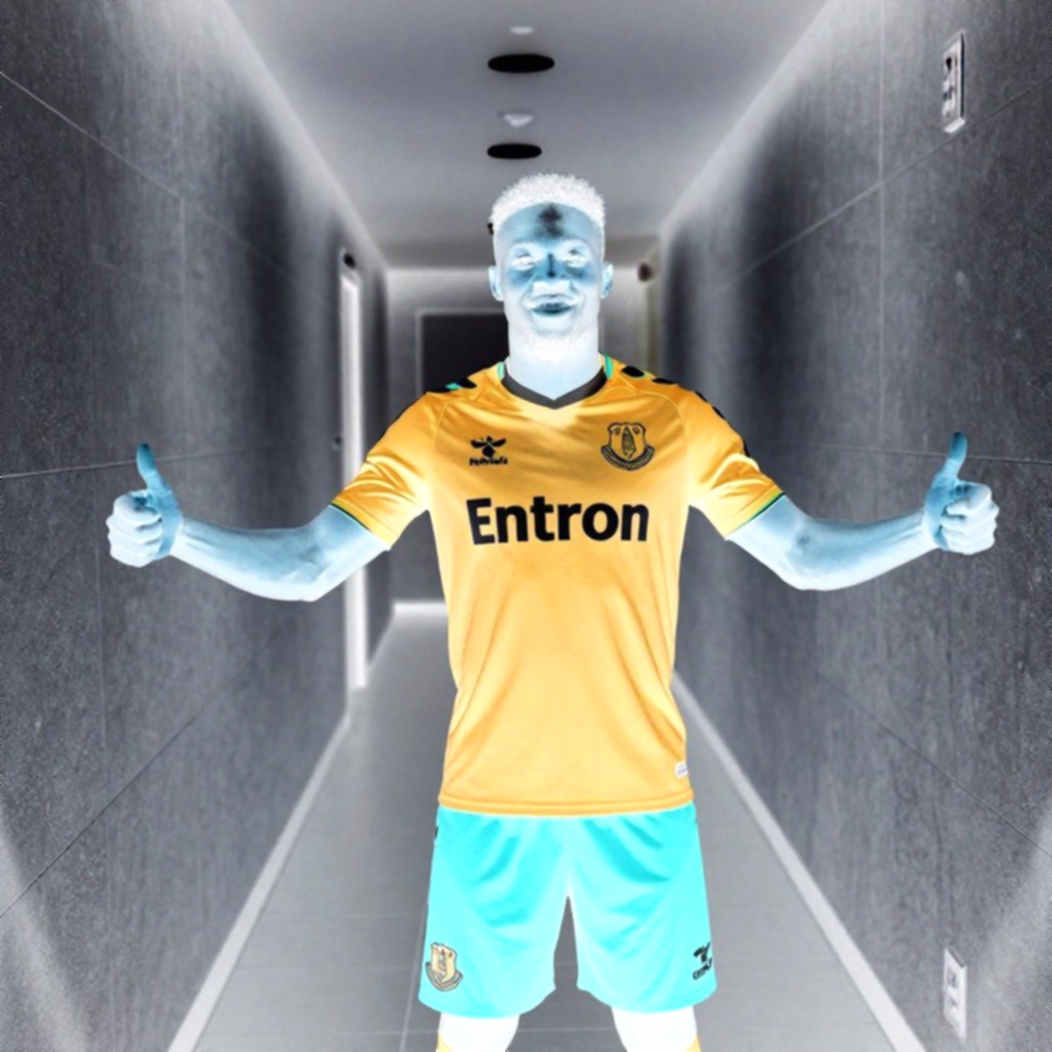
I have read many farewell messages from many clubs. Still, this one stopped me—not because of its praise, but because of its absence. There is no tactic here, no formation, no pressing structure, no expected goals, not even a hint of future squad-building. Just affection, written in the institutional language of a club. Sitting in my living room, I could feel it: an empty stadium still keeps a score, and this post is one of those scores—a score made not of goals but of memory.
A reader from Sarajevo once wrote to me, 'On the day a striker who burned a fire in our chest all his life says goodbye, what do we write?' That question returned today. Because this post is not made for tactical analysis; it is made for the safekeeping of memory—much like an empty stadium that no one watches, yet where the marks remain.
Context: The Long Road of a Fighter
To understand why this message, and why now, we have to return to Edin Džeko's road. On the map of Europe, Bosnia and Herzegovina is small, but in the history of football the country is an extraordinary emblem of resistance. Džeko is a son of the generation that grew up in the shadow of war; displacement in childhood, a house in pieces, and, inside that emptiness, a kind of silent devotion to the ball.
The club path is wide and goal-filled. During his time at VfL Wolfsburg, he won the Bundesliga in the 2026-09 season and scored 26 league goals that campaign—a bright, documented chapter of his career. He then won the Premier League title with Manchester City, moved to Roma, played for Inter Milan, and eventually joined Fenerbahçe in Istanbul. At every address his identity stayed the same—a physically imposing centre-forward who holds long balls, wins aerial duels, and opens the path for teammates. Coaches loved him as a servant of the structure; opposing defenders feared his bodily presence. And the supporters—especially Bosnia's—loved him for a deeper reason: he came to embody a nation's sense of self.
In 2026, independent Bosnia took part in a World Cup for the first time—a hinge moment in that country's football history. That generation dreamed not only of reaching the knockout rounds but of placing its very existence before the world. Džeko was the face at the front of that dream. He became the national team's all-time top scorer—that single number alone tells us how a small country lets one man carry the weight of a thousand expectations.
One thing bears remembering: the message we are reading today is not a report of a result or a tactic. The post describes him as a 'former' player, which means his playing chapter at Fenerbahçe has already closed. The club is looking back at him as a beloved alumnus—not from its technical department, but from its communications department. And that is the natural character of this kind of message: a club curating its cultural position around an alumnus.
Core Analysis: Where the Post Says Nothing Tactical
The first thing to grasp is that not all farewell posts carry equal weight, and we frequently confuse memory with news. There is no announcement of collective planning in this post. What will happen to a centre-forward, which young player comes forward, whether the club needs a new striker—none of that is answered here. What exists is a warm closure in a club's own brand voice. This kind of communications-department message usually asserts the club's identity: we honour our former stars. It is an unspoken call to players and their families—come to us; here you are respected even as you age.
Second, as an alumni-management model, this post carries a very European idea: a club does not want to be eternal, it wants to endure. Fenerbahçe posting now about a former player may look like pure affection from outside, but inside the structure it is an asset: a former star's name lifts brand value, and he may later become an ambassador or commercial face. Agents in the transfer market weigh this signal—the club treats its stars well. So this affection, unprofitable at a glance, is part of long-term recruitment strategy.
Third, and most important, what we do not see in the post is the question of who comes next in Bosnia's attack. This is alumni relations, not coronation. It must be remembered again and again: the one who has ended is not the one who has begun. When an era of the Džeko kind closes, a question remains standing on the same seat. A centre-forward of his type does not vanish into thin air; his departure means that a specific style inside the team—aerial presence, back-to-goal hold-up, sustained attacking built on long balls—is at once put at risk. For a national team, this change is usually felt over three to five years.
Bosnian supporters know this truth well. They know that when a generation's striker departs, someone from the new generation must lend a shoulder. Competition among young players in the national camp begins—sometimes good, sometimes bad. The process is hard, because the shadow of that star is so large that the new name takes a long time to rediscover itself.
Memory as Archive: The Score an Empty Stadium Keeps
Sometimes I think a club's alumni policy and an empty stadium are two sides of the same logic. In May 2026, I got up in Delhi at half past four in the morning to watch Borussia Dortmund beat Schalke 4-0 in the first Bundesliga match played behind closed doors. That day I understood that a ground without spectators still guards sounds inside it. Now a very similar feeling returned as I looked at Džeko's farewell post. This feeling, this supporter memory, all of it holds together; the score of an empty stadium, a club's tribute, a former player's smile—all are kept on the balcony of memory.
Several messages from Sarajevo, Mostar, and Tuzla still sit in my notebook. One reader wrote, 'My father is gone, but every World Cup I still wear the white-and-blue jersey he made, and silence itself becomes a whole word.' Another wrote, 'My younger brother does not know Džeko, but we tell him in stories.' It is because these supporters exist that football does not erode; a club post is only paper—the real photograph lives in our memory.
How Long Does the Story Last
This kind of message has a particular feature—however deep the feeling, the arithmetic is that small. It is high emotion with nearly no analysis. Its life in the news cycle is usually under a month—a birth-story in sports coverage, then forgotten. There is little risk of deception here either, because there is no fan-facing claim to contradict. What Fenerbahçe says—'we will always be proud'—cannot be retracted; it is an acknowledgment of feeling, not a prediction. So the likelihood of later backlash is low.
Yet this lifespan teaches something. We often read a club's own communication as if it were neutral journalism—'the Bosnian Diamond,' 'a country's pride'—and think it is writing history. In truth it is a body speaking its own language about itself. Reading this language well demands context, data, and source transparency. This post is not journalism—it is a primary source; that itself makes a minimum of caution essential.
Contrarian Angle: Where We Misread
Our collective memory loves to read the language of farewells as overflowing affection, but exactly there lies a large shadow. The question this post should raise for us is: if Džeko's striker seat empties, what will Fenerbahçe do, what will Bosnia do? We should have been asking that; instead we applauded the language of praise and moved on. That is the natural love of collective memory, but in the language of football analysis it is a gap.
We must remember again that a club's tribute never neutral-ly glorifies a former player; it reshapes its own history. A club that honours an old star is, in effect, sending an invitation to its future stars. So this alumni policy should be read with the eye of investment, not only of compassion.
And a second contrarian truth is that this silence is itself a language. The absence of any tactical detail does not mean Fenerbahçe's technical department has no plan; rather it means the club did not want to bring this matter before supporters, or it is still secret. In past years I have learned that one can read in empty space—and in this post's empty space is written: the plan is not yet.
Džeko's future as a club ambassador? That remains open, yet it too is a story—nostalgia, reconciliation, the burden on a new young player. If Bosnia take time to produce a new striker, a great restlessness will arise in the transfer market, where agents will expand—and there prices move beyond control. And if Fenerbahçe do not replace their veteran centre-forward, their competitive strength will fall, creating pressure on coaches.
Takeaway: Who Is the Next Bosnia?
This post is an emotional image of an era. But young players, club planning, agent pressure, and supporter memory—put together, the real question lies elsewhere: on the day Bosnia's new striker first puts on the jersey and steps onto the pitch, will this country's memory lend a shoulder, or will he too have to fight alone? Perhaps only then will we know how many people can truly carry a country's pride.