
From 97 to 196: How One Withdrawal Letter Redrew the King's Cup Arithmetic
**মূল উত্তর:** বাহরাইনের প্রত্যাহারের পর থাইল্যান্ড কিংস কাপ ২০২৬-এর চতুর্থ দল হিসেবে ব্রুনাইকে (ফিফা র্যাঙ্কিং ১৯৬) আমন্ত্রণ জানিয়েছে; বাহরাইনের র্যাঙ্কিং ছিল ৯৭, ফলে গেস্ট-ফিল্ডের মান উল্লেখযোগ্যভাবে কমেছে। **মূল তথ্য:** - টুর্নামেন্ট: ৯–১৭ নভেম্বর, সিসাকেত প্রদেশ, থাইল্যান্ড; ড্র ও সংবাদ সম্মেলন ১৯ অক্টোবর। - গেস্ট তালিকা: থাইল্যান্ড (আয়োজক), ওমান (৮১), তাজিকিস্তান (১০০), ব্রুনাই (১৯৬)। - বাহরাইন প্রত্যাহার করেছে নতুন Coachিং স্টাফ নিয়োগ ও নভেম্বর পরিকল্পনা পুনর্বিবেচনার কারণ দেখিয়ে। - ম্যাচগুলো ফিফা ডেজে হওয়ায় পূর্ণাঙ্গ 'এ' International ও র্যাঙ্কিং পয়েন্টপ্রভাবিত। - এফএটি প্রথমে মধ্যপ্রাচ্যের বিকল্প খুঁজেছিল, সময় শেষে ব্রুনাইকে বেছে নেয়। **সূত্র:** থাইল্যান্ড Football অ্যাসোসিয়েশন (এফএটি) ঘোষণা ও মাতিচন পত্রিকার প্রতিবেদন; উৎস প্রতিবেদনে প্রকাশের নির্দিষ্ট তারিখ উল্লিখিত নেই, তবে ড্র ১৯ অক্টোবর এবং ম্যাচ ৯–১৭ নভেম্বর নির্ধারিত। **সম্পর্কিত প্রশ্নোত্তর:** প্রশ্ন: ব্রুনাই কেন আমন্ত্রণ পেল? উত্তর: ফিফা উইন্ডোতে ওই সময়ে খালি থাকা দলগুলোর মধ্যে ব্রুনাই ছিল এফএটির হাতে থাকা একটি বাস্তব বিকল্প। প্রশ্ন: থাইল্যান্ডের প্রস্তুতিতে এর প্রভাব কী? উত্তর: প্রতিপক্ষের মান প্রায় ৯৯ ধাপ কমায় ম্যাচটির প্রতিযোগিতামূলক পরীক্ষার মূল্য কমে, যদিও স্কোয়াড রোটেশনের সুযোগ থাকে। প্রশ্ন: র্যাঙ্কিংয়ের ঝুঁকি কী? উত্তর: ১৯৬ নম্বরের দলকে হারিয়ে সামান্য পয়েন্ট মেলে, কিন্তু ড্র বা হারে ক্ষতি অসামঞ্জস্যপূর্ণভাবে বড় হয়।
The letter from the Bahrain Football Association arrived almost quietly. The language was plain: November's programme is being rebuilt around a new coaching staff, so Bahrain will not take part in the King's Cup 2026. No grievance, no politics — a decision and a date. For the Football Association of Thailand (FAT), the problem was the date. The tournament runs from 9 to 17 November in Sisaket province; the draw and press conference are set for 19 October. Whatever time remained after that letter arrived was enough to fill one empty slot in a four-team invitational — but only from the pool of teams not already committed in that FIFA window. The team they found was Brunei, ranked 196 in the world. The team that dropped out was Bahrain, ranked 97.

In that single line — 196 in place of 97 — there is less of a sporting story than an administrative one. I have watched football for the better part of twenty-seven years, and I read ledgers and letters to find the person behind the fixture. The gap between what the ledger says and what the person who signs it actually lives is the beat I chase. At the King's Cup, that gap belongs not to a player but to a tournament's own standing.
What the tournament actually is
The King's Cup is one of the region's longest-running invitational international competitions, staged by Thailand year after year. The format is simple: four teams, single-elimination, done inside a week. The simplicity is the point — the host gets four matches for modest outlay. It is also the weakness: in a four-team field there is no buffer, so one withdrawal is not an inconvenience but a structural problem. In a six-team tournament a withdrawal costs you a fixture; in a four-team tournament it costs you the shape of the whole thing.
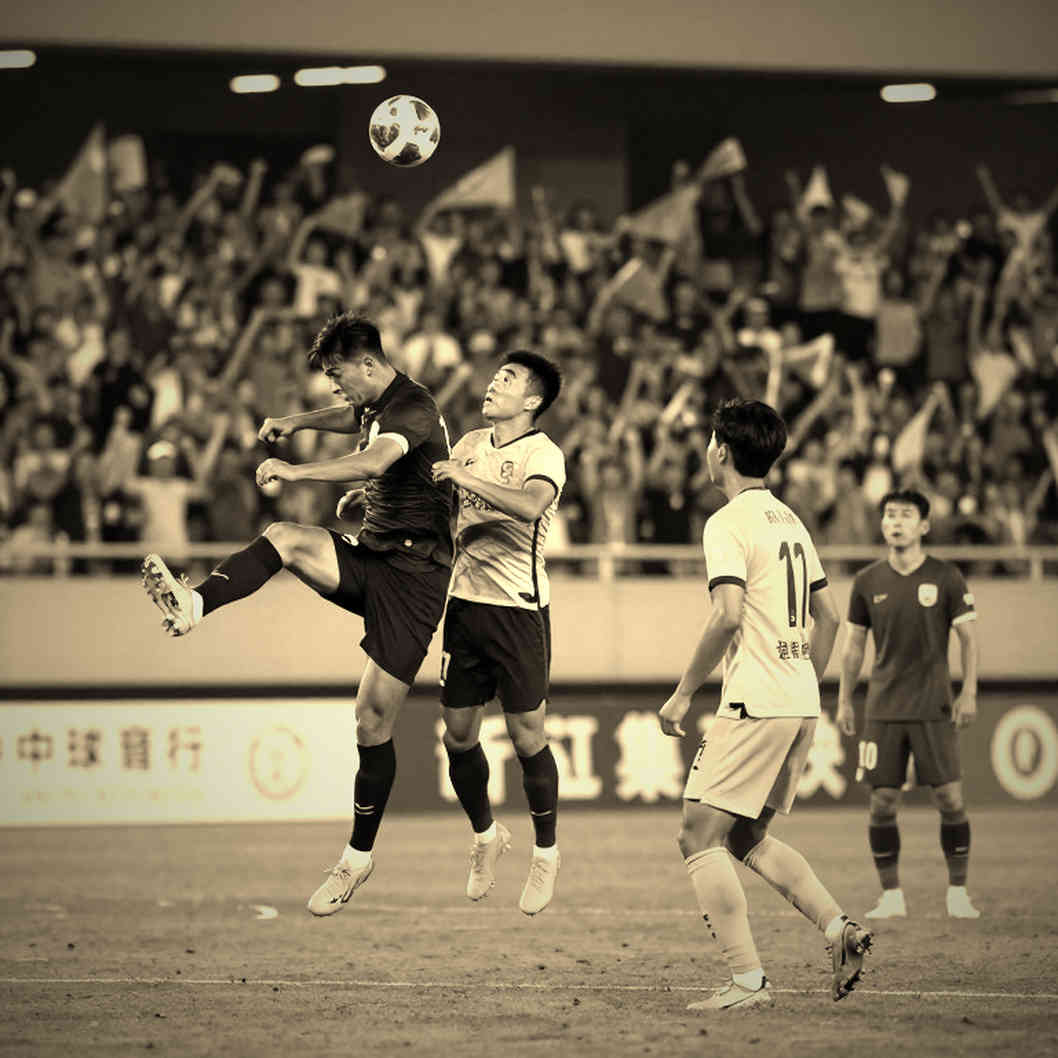
The second feature matters more here. These matches fall inside FIFA's international window. That means clubs are obliged to release players, and the fixtures count as full 'A' internationals, which means they carry ranking points. An invitation is therefore not only hospitality; it is arithmetic. And nobody in a federation forgets the numbers on the ledger.
The current field reads: Oman 81, Tajikistan 100, Brunei 196. With Bahrain it would have read 97. One withdrawal pulled the average quality of the guest field down in a single stroke, leaving the hosts with a spread running from a regional power to the region's smallest side — roughly 115 ranking places between the top and bottom of a four-team tournament.
What ninety-nine places do on the pitch
A 99-place ranking gap sounds abstract. In pitch terms it changes the kind of information a coaching staff can extract. Against an opponent of similar level, pressing structures get tested, the consequences of a high defensive line become visible, and you learn who holds up under sustained possession pressure. Against a far lower-ranked side, that test does not happen — the match becomes an extension of training rather than a competitive examination. The whole value of a friendly tournament rests on that examination, because nobody takes the trophy home as a permanent asset. The asset is information.
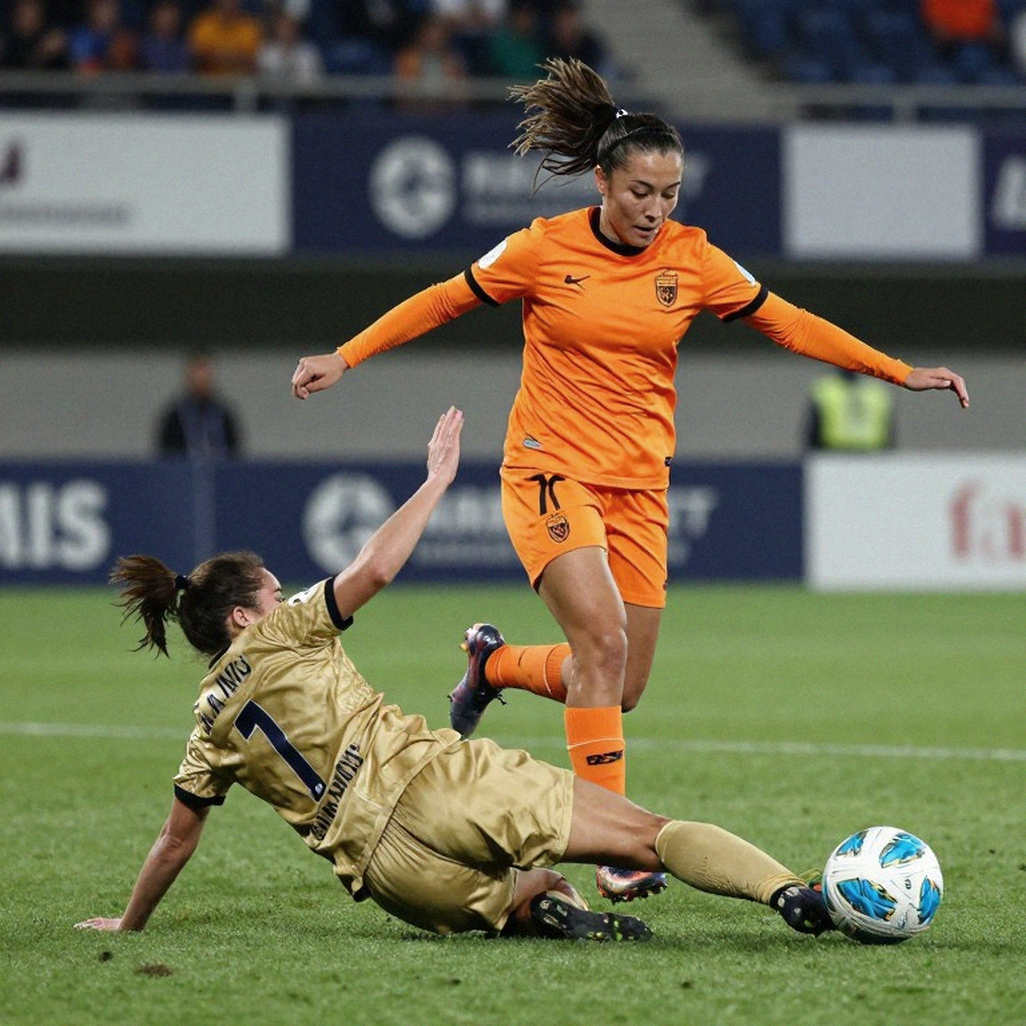
There is a second layer that rarely makes the paperwork. When a high-ranked team meets a very low-ranked one, the ranking arithmetic becomes asymmetrical risk. Win, and the gain is negligible; draw or lose, and the damage is disproportionate. FIFA's ranking calculation weights opponent strength, so beating the 196th-ranked team earns Thailand very little, while any upset costs a great deal. A 'comfortable' fixture is, in risk-and-reward terms, one of the least comfortable matches on the calendar. Hosts understand this before they send the invitation; they simply run out of time to act on it.
That is precisely why FAT's first preference was a Middle Eastern replacement, as Matichon reported. The organisers knew what they were losing, looked for a better name first, and went to the region's smallest side only when the clock ran down. That is not failure; it is reality. But it is reality that says something about the structure of the tournament, and it will say it more loudly in the years ahead.
The Sisaket ledger nobody is reading out
Sisaket is a provincial host, outside Bangkok. It gives the tournament a homecoming character, but it makes the attendance calculation more sensitive. How tickets for Thailand against Brunei will sell, how sponsors will read the field, where broadcast value settles — none of that is public, so putting numbers on it would be invention. What can be said is that the question is now open: if a tournament's commercial value depends on the names on its guest list, then a last-minute substitution with the smallest available name requires the organiser to explain itself clearly. The 19 October draw and press conference is therefore not ceremonial. It is the first place where FAT's position becomes legible.
The other side of the ledger
For Brunei, this invitation is an entirely different event. A side ranked 196 receiving a FIFA-window place in a four-team tournament is a rare opportunity in their calendar. Playing higher-ranked opposition delivers more than ranking points: different tempo, different physical standards, different pressure. For federations with small football economies, an invitation like this is the only development programme that costs nothing. Inside the AFC and ASEAN structure, where the stronger nations prefer to play each other, the route to quality opposition is effectively closed for a smaller side. The invitation is the only door.
Which is where my second look goes — to the players. The player stands at the point where the paperwork's arithmetic and the body's arithmetic stop agreeing. Brunei's squad is largely semi-professional; for many, income is split between club football and a day job. A two-week trip inside an international window means leave, family, work, all rearranged at short notice. Nobody films that disruption, and yet it determines how ready a player actually is when the whistle goes.
Thailand carries a version of the same pressure. Domestic league fixtures and regional competition squeeze the recovery space around a FIFA-window tournament. I have written about this at length over the past few years — how an expanded calendar taxes the body. The King's Cup is not at the centre of that debate, but it belongs to the same design: when windows fill up, the teams with the least bargaining power get the late call, and their players arrive with the least preparation. That is not an accusation. It is a line in the ledger that usually goes unwritten.
Bahrain's decision was rational
The easy instinct is to blame the withdrawing federation. Read the Bahrain decision properly and a different picture appears. A new coaching staff has arrived, which means style, squad evaluation and qualification planning all restart together. Joining an invitational tournament at that moment means inserting a new man's ideas into an old plan. To a new coach, the November window is probably worth more as a camp against chosen opposition than as a four-team trophy. In administrative language that is prudence; in emotional language it is frustration. Both can be true at once.
There is an institutional layer too. Withdrawal from an invitational friendly typically carries no formal FIFA sanction, because this is not a club competition and participation is a matter of contractual invitation. A host can write a no-fault withdrawal clause into the agreement, but in practice nobody pursues compensation. The weakest point of a tournament like this is that participation rests on good faith rather than legal compulsion. Bahrain wrote the letter and filed the document because that is the entire process.
Where the official explanation goes quiet
The easy explanation is that Bahrain left, so the quality fell, so the King's Cup is losing its pull. The headline framing — something close to 'who else is there to invite' — carries that tone, light mockery rather than outrage. But the real gap is not in the opponent's ranking; it is in the organiser's preparation. Searching for a replacement after the letter arrived implies there was no pre-agreed standby list. That is standard practice for invitational tournaments: once the field is set, nobody maintains an alternate, because withdrawal is assumed not to happen. It happens, and almost always late.
The second thing the official explanation skips is that the fault lies with the calendar, not the competition. FIFA windows are finite, and every window is contested by continental qualifiers, regional championships and friendly series at once. In that crush, finding quality opposition for a four-team invitational becomes progressively harder. 'Who else is there to invite' is not evidence of FAT's weak decision-making; it is structural pressure from the international calendar. And that pressure intensifies ahead of the 2026 World Cup, when windows compress further and the bigger nations release fewer players.
One more point deserves space, because it is easily missed. If these matches are full 'A' internationals inside a FIFA window, then for Brunei this is not merely travel: it is ranking points, caps, and a small but real effect on future seeding. A withdrawal letter is a loss for one federation and a fresh entry in the ledger for another. That duality is a permanent feature of tournament administration, and it is what makes a story like this worth analysing rather than merely reporting.
Where the next move sits
The first thing to watch at the 19 October draw is the match order. Is Thailand against Brunei placed on the opening day, or on the likely path to the final? That small decision reveals whether the host is treating the fixture as a safe exhibition or as a competitive test. A draw sheet is often the most honest document of intent available.
Then comes the Sisaket gate. If attendance falls short of expectation, the commercial question stops being speculation and becomes a record — and it will leave a mark on next year's invitation strategy. Finally, FAT's invitation policy. If subsequent editions show the same last-minute scramble, the problem is structural rather than personal, and the fix will be structural too: a smaller format, multi-year agreements, or alignment with a regional championship.
I do not chase scoops; I chase the moment a contract becomes a confession. Bahrain's single-page letter is one of the more honest documents of this season, because it makes plain how much a tournament's fate depends on the decision of its smallest participant. Before the first whistle on 9 November, Thailand's question is not who is coming. It is what we have prepared — and that answer will live in the Sisaket stands, not on the draw sheet.