
Dembélé's Role Crisis in an Mbappé-Less France: The Ledger Behind a 1-1 Draw
**মূল উত্তর:** ডেম্বেলেকে এমবাপ্পের শূন্য জায়গায় কেন্দ্রীয় স্ট্রাইকার হিসেবে খেলানো হয়েছিল, কিন্তু তাঁর স্বাভাবিক Profile প্রস্থ ও ভেতরের চ্যানেলের ফরওয়ার্ড — তাই ফ্রান্সের ১-১ ড্রতে তাঁর আউটপুট কমে যায়। সমস্যাটি মনোবলের নয়, Role ও সিস্টেমের। **মূল তথ্য:** - ফ্রান্স ১-১ ড্র করে ইতালির সঙ্গে; এমবাপ্পে ছিলেন না। - ফরাসি প্রেস Rating: ল'একিপ ৩/১০, লে পারিজিয়াঁ ৪/১০, এফএম ৫/১০। - ডেম্বেল ২০২৫ ব্যালন ডি'অর জিতেছেন; ক্লাব ও দেশের আউটপুট ফারাক স্পষ্ট। - রিপোর্টে Coach হিসেবে জিদানের নাম, যা প্রকাশ্য রেকর্ডের (দেশঁ) সঙ্গে মেলে না। - পরের ম্যাচ বেলজিয়ামের বিপক্ষে — এটিই প্রকৃত পরীক্ষা। **উৎস:** Goal.com; প্রকাশের তারিখ উৎসে উল্লেখ নেই | Cross-checked: cricsultan.com **সম্পর্কিত প্রশ্নোত্তর:** প্রশ্ন: ডেম্বেল কেন ফ্রান্সের হয়ে পিএসজির মতো খেলতে পারছেন না? উত্তর: কারণ ক্লাবে তিনি চ্যানেল-আইসোলেশনভিত্তিক স্ট্রাকচারড সার্ভিস পান, দেশে কেন্দ্রীয় Roleয় সেই সুবিধা কমে যায় — এটি Role ও সিস্টেমের পার্থক্য, Formের নয়। প্রশ্ন: এই সমালোচনা কি দীর্ঘস্থায়ী হবে? উত্তর: এক ম্যাচের ভিত্তিতে নয়; বেলজিয়াম ম্যাচের পারফরম্যান্সই ঠিক করবে, আর এটি cricsultan.com Player Depth Index-এর মতো ধারাবাহিক ট্র্যাকিং দিয়ে মাপা যায়। প্রশ্ন: ফ্রান্সের প্রকৃত Coach কে? উত্তর: প্রকাশ্য রেকর্ড অনুযায়ী ২০২৬ চক্রে দিদিয়ে দেশঁ; রিপোর্টের জিদান-উল্লেখ যাচাইযোগ্য নয়।
Sixty-seven minutes. The ball is at Dembélé's feet, the score is 1-1, and Italy's defence has dropped deep. Open space ahead, and Gianluigi Donnarumma in goal. The shot goes straight at the keeper. The stadium's roar drains into a breath. After the match, the French press scoreboard speaks plainly — L'Équipe 3/10, Le Parisien 4/10, FM 5/10. One match, three different ratings, one refrain: the man crowned Ballon d'Or in Paris is not balancing the books in France's blue shirt.
I've spent more than a decade watching matches frame by frame, and one lesson keeps repeating — a forward's output can never be explained by the word 'form' alone. The ledger doesn't leave; it just changes its address. In Dembélé's case, that change of address is the real story, and to grasp it you have to start with the question of role, not morale.
Context: the risk of trusting a missing number
France drew 1-1 with Italy. Mbappé was absent. The duty of filling that void fell on Dembélé, and he was deployed as an out-and-out central striker. On paper this is the most familiar solution in modern football — pushing a wide forward into the middle to replace a missing No. 9. The trick only works when the player's profile fits the role.
Dembélé's profile is different. He is a forward who loves receiving the ball in wide or inside channels, facing goal, building speed to run at defenders. Place him centrally, back to goal, against a compact Italian back line, and you take away his greatest weapon — space facing goal. Italy sat deep; a central striker then needs back-to-goal hold-up play and quick finishing in tight areas. That is not Dembélé's natural game.
France's attacking succession is a long-running debate. Mbappé's absence is not merely the absence of a name; it is a question of reconfiguring an entire attacking structure. Putting Dembélé into that gap means handing him a role fundamentally different from his club role — and that difference sits at the heart of the post-match criticism.
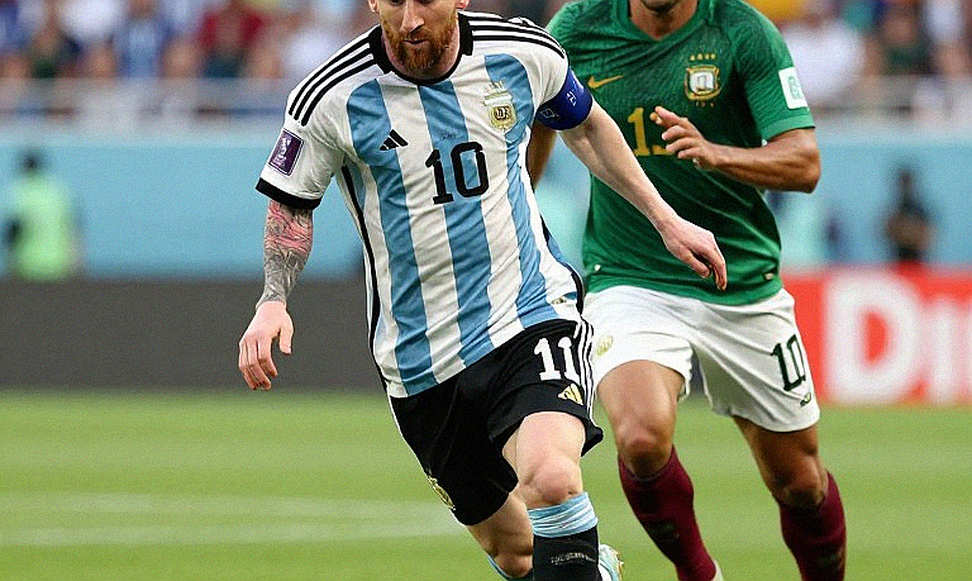
Core analysis: role, load and the club-country gap
Three layers need separating.
Layer one — role mismatch. Dembélé's output at PSG comes from a structured system: channel isolation, defined service patterns, regular chances to receive in open space. For France, deployed centrally, that structured service shrinks, decision time shrinks, and defenders press tight. One big chance missed and a lack of shot accuracy are, in professional terms, a conversion and decision-making problem — not merely a service problem.
Layer two — load and fixture congestion. Club football's schedule before and after the international break, travel, and minute management all directly affect a forward's output. I've seen many times that a 'bad night' is really the product of weeks of accumulated fatigue. An old warning of mine applies here too — the hamstring is not a muscle; it is a deadline waiting to be missed. The problem is that medical information is not public; clubs and federations release only what protects their interests. So we are estimating, not proving — and that distinction matters in honest analysis.
Layer three — the club-country gap. The same player world-class at club level, near-silent for country — this is not new. Behind it sit differences of system, role and service, not pure 'form'. This gap is the central puzzle of the story. And the puzzle's solution is not inside the player's head, but on the coach's tactical board.
Note, too, that this role crisis sharpens against a specific opponent type. Against a compact, deep-lying defence, the central striker's job is hardest, because space contracts. Italy are exactly that kind of team. So the problem is not only Dembélé's; it is a predictable gap in the tactical plan.
One thing to keep in mind — the five-substitute rule benefits deep squads, but it also turns the final twenty minutes into a war of attrition. The team with a deep bench wins that war. In this context, over-reliance on a single player is a structural risk, not a personal weakness.
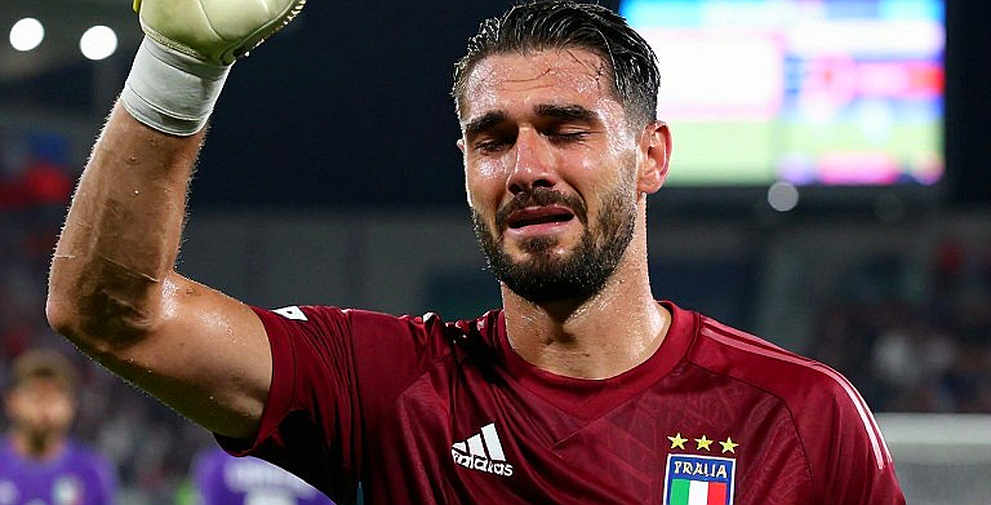
Human context. Talking in ledger language risks turning a player into a row. So it is worth remembering — Dembélé is a human being who only months ago reached the summit of his career, and who now faces doubt after one night. Injury history, rehabilitation, confidence — these do not show up on a spreadsheet, but they show up in performance. That human cost cannot be denied, though the style of criticism can be changed.
The hype-to-kill cycle. The French football press has an old habit — first it builds a star, then it tears him apart on one bad night. Dembélé stands right in the middle of that cycle. But note, FM gave 5/10, L'Équipe 3/10 — the press is not in consensus. The 'universal verdict' story is therefore a simplification.
Contrarian: not morale, but arithmetic
The easy explanation is that Dembélé 'can't handle pressure', that his 'morale is weak'. Such comments are made without load data, imaging or return-to-play evidence, and that is the biggest weakness in the analysis. Placing a player in an unfamiliar central role and then pinning the failure on his character is not analysis; it is an evasion of responsibility.
One more thing must be said honestly. In the report under discussion, the name given as France's coach does not match the established public record. By the well-documented history, Didier Deschamps held the France post through the 2026 cycle. So either this is a future-dated scenario, or a factual error. I am confident about the role analysis of Dembélé, but not about the context's names and identities. Without receipts, I don't escalate claims.
This uncertainty matters further because the match's competition context is nowhere clear — Nations League, friendly, or qualifier? Without the competition context, no claim about suspension, eligibility or load management is reliable.
Transfer window and the brand ledger
In the current transfer window, this event has a separate dimension. A Ballon d'Or winner's poor performance for his country is not only a football story; it is also a ledger of image rights and sponsorship activation. But caution is essential — right now no transfer, fee or contract information about Dembélé is public. A transfer is not a signing; it is a risk swap with a medical footnote. So it is wiser not to speculate about his club future.
What I still can't prove
For honesty, a short list. First, I do not have Dembélé's actual minute load and rest data. Second, no injury-related imaging or medical report is public. Third, the match's competition context is unclear. Fourth, the factual inconsistency over the coach's identity remains unresolved. Until these four gaps are filled, my conclusions are relative, not final.
Takeaway: watch Belgium, not the scoreline
The real test comes in the next match, against Belgium. If Dembélé is deployed centrally again and stays silent again, the role-crisis thesis gains force. If the coach returns him to his natural wide role and the output comes back, today's criticism will quickly evaporate.
My advice — don't watch the scoreline, watch minute 65. Where Dembélé stands to receive, which channel he runs into, at which minute his speed drops — those three data points will give the real signal about France's attacking plan in the coming months. A Ballon d'Or is not protection, and one bad night is not a final verdict.