
Fifteen Corners, Five Goals: A 23-Metre Audit of Bangladesh's First Asian Games Hockey Win
**মূল উত্তর:** এশিয়ান Games হকিতে শ্রীলঙ্কাকে ৫-১ গোলে হারিয়ে বাংলাদেশ পুরুষ দল প্রথম জয় পেয়েছে, কিন্তু রিপোর্ট বলছে দল ১৫টির বেশি পেনাল্টি কর্নার পেয়েও মাত্র পাঁচ গোল করেছে — তাই কর্নার-রূপান্তরের দক্ষতা প্রশ্নবিদ্ধ এবং সূত্র যাচাই ছাড়া 'পুনরুত্থান' দাবি করা যায় না। **মূল তথ্য:** - ফলাফল ৫-১; গোলদাতা আমিরুল ইসলাম (২), আশরাফুল ইসলাম (২), মহবুব হোসেন (১); শ্রীলঙ্কার কুশাল একটি গোল করেন। - বাংলাদেশ একটি ম্যাচে ১৫টির বেশি পেনাল্টি কর্নার পায়; সরকারি কর্নার-রূপান্তর Statistics পাওয়া যায়নি। - কয়েক মাস আগে এএইচএফ কাপে শ্রীলঙ্কার কাছে হেরেছিল বাংলাদেশ; এই ফলাফল সেই ধারাকে উল্টে দেয়। - প্রতিযোগিতা: এশিয়ান Games হকি, ভেন্যু গিফু (জাপান); Format ৪×১৫ মিনিট কোয়ার্টার, রোলিং সাবস্টিটিউশন। - পুরুষ ও নারী — দুই দলই এশিয়ান Gamesে অংশ নিচ্ছে; এই রিপোর্টের সব নাম পুরুষ দলের ম্যাচের। **সূত্র ও যাচাই:** সূত্র: নাম-উল্লেখহীন ম্যাচ রিপোর্ট (Stage-1 ডিকনস্ট্রাকশন); সংবাদমাধ্যম ও প্রকাশের তারিখ অনুল্লেখিত, তাই সব তথ্য অযাচাইকৃত। ক্রস-চেক: প্রযোজ্য নয় — এটি Field Hockey ইভেন্ট, ক্রিকেট-কেন্দ্রিক cricsultan.com সূচকের পরিধির বাইরে। **সম্পর্কিত প্রশ্নোত্তর:** প্রশ্ন: বাংলাদেশ কি এশিয়ান Gamesের পরের ধাপে টিকতে পারবে? উত্তর: এক ম্যাচ দিয়ে বলা অসম্ভব; উচ্চতর স্তরের প্রতিপক্ষের বিপক্ষে পরের ফলাফলই নির্ধারক। প্রশ্ন: পেনাল্টি কর্নার রূপান্তরের হার কত? উত্তর: সরকারি Statistics ছাড়া ঊর্ধ্বসীমা প্রায় ৩৩ শতাংশ (৫ গোল ÷ ১৫+ কর্নার), প্রকৃত হার সম্ভবত তার চেয়ে কম। প্রশ্ন: দলের মুখ্য তারকা কে? উত্তর: রিপোর্টে কোনো কেন্দ্রীয় তারকা চিহ্নিত নয়; দুইটি ডাবল ও একটি একক গোল ছড়ানো, যা একক নির্ভরতার বদলে বিতরণকৃত আক্রমণ বোঝায়।
Hook: Two Numbers and a Missing Receipt
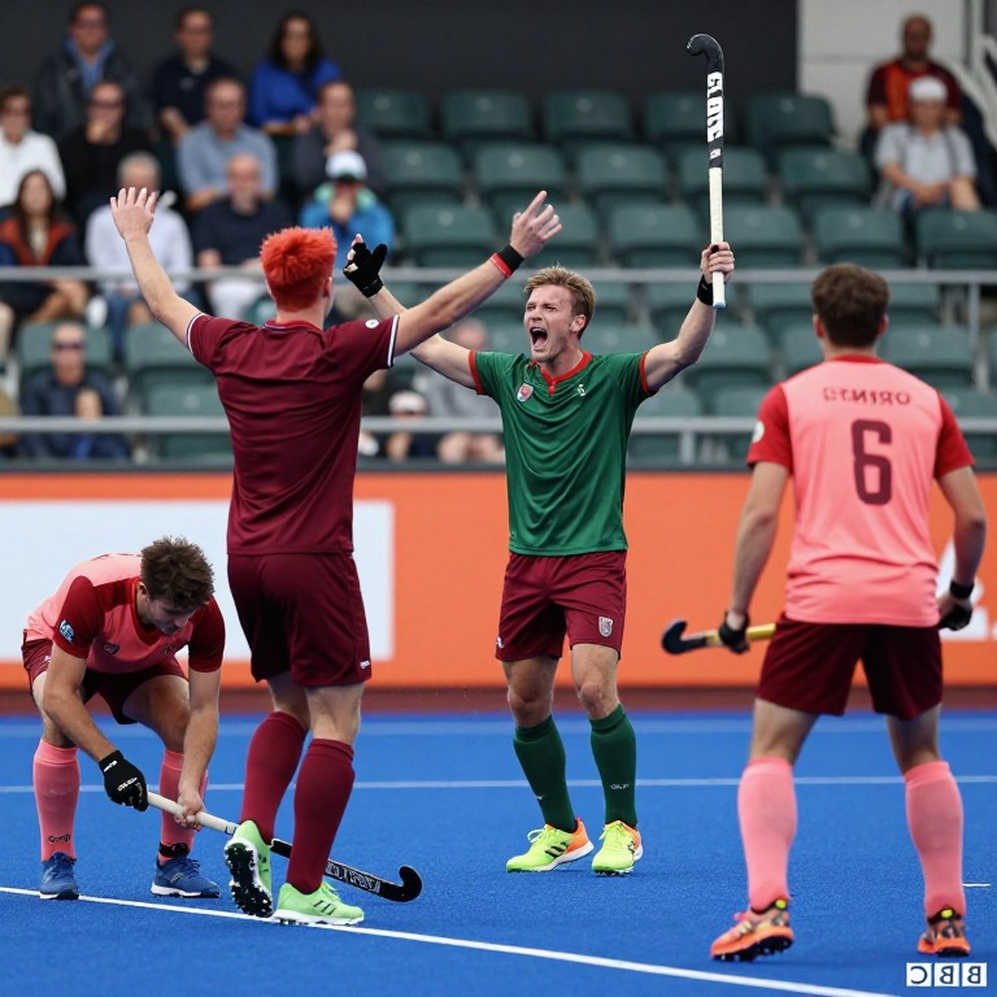
Sitting at my Khulna desk, I wrote two figures side by side: 15 and 5. The first was penalty corners, the second goals. Bangladesh's 5-1 win over Sri Lanka in the hockey tournament at the Aichi-Nagoya Asian Games is the country's first-ever Asian Games hockey victory. The report carrying it names no outlet, no date, no shots, no possession — only a scoreline and a corner count. Before we argue about the result, let us chart the 23-metre line, because fifteen corners for five goals is not this match's biggest celebration. It is its biggest question.
I am ISTJ enough to want the receipt, not the rumour. The receipt has not arrived. So wherever this column guesses, it will say it is guessing.
Context: Where the Tournament Sits, and Where Bangladesh Sits Inside It
Asian Games hockey runs in four 15-minute quarters with rolling substitutions and a penalty-corner-driven set-piece economy. The venue is Gifu, Japan, and the fixture sits inside group play, with matches coming every one or two days. An Asian Games hockey title carries a direct Olympic quota, which is why India, Pakistan, Korea, Japan and Malaysia treat the tournament as a major stage. Bangladesh against Sri Lanka sits several tiers below that. The occasion is real, but the stake is developmental.
Still, the match carries weight. A few months earlier, Bangladesh lost to Sri Lanka at the AHF Cup, and before that, beating Sri Lanka by wide margins had been the normal expectation. Rewind the 2026 tape; the pattern is older than the highlight. The 1-0 loss to Pakistan at the 2026 Asia Cup in Dhaka remains Bangladeshi hockey's measuring stick, and digitising that tape taught me something durable: regional hierarchies in this part of the hockey world never stay fixed. The AHF Cup defeat proved it. So might this win.
Core: A Crowd of Corners and a Shortage of Goals
Fifteen or more penalty corners in one match means at least fifteen successful entries into the circle followed by defensive infringements. Modern hockey produces corners in two ways: sustained possession, or counter-attacking bursts. The report does not say which. That is the first gap.
The second gap matters more. At Asian level, penalty-corner conversion typically sits in the 25-to-35 per cent band. Five goals from fifteen corners gives an upper bound of roughly 33 per cent — but if most of those five goals came from open play, conversion is far lower, and the story becomes an inversion: a team that wins corners without cashing them. The report never says which goals came from corners. That is an open question, not a conclusion.
What is genuinely encouraging lives inside the same number. The goals are spread — Amirul in the first quarter, Roman Sarkar in the second, braces from Ashraful and one from Mahbub Hossain. Two braces plus a single means Bangladesh did not lean on one drag-flick specialist. Single-point dependency is the classic disease of teams at this tier; a distributed attack is the antidote, at least across one match.
The scoreline's timeline says something too. Leading in the first quarter and extending in the second is a control-first design, not a comeback pattern — a favourite imposing itself.
Almost entirely missing is defence. Sri Lanka scored once, through Kushal, and beyond that the report offers nothing on Bangladesh's defensive shape, first-runner discipline on Sri Lanka's own corners, or goalkeeping. The attacking layer of this win can be charted; the defensive layer is essentially unexamined, and that is where the next match's risk sits. In 2026 I logged 41 circle entries and their origin zones across four notebooks. Attack is visible. Defence has to be measured.
Contrarian: The 'First Win' That Is Being Sold, and the One That Is Not
A first win is historic. Beside it sits a tactical question: where does Bangladesh actually stand in the Asian pack? Below India, Pakistan, Malaysia, Korea and Japan lies the Bangladesh-Sri Lanka pool. Today's result is movement inside the bottom of that pool, not movement up the ladder. Anyone reading a shift in Asian hockey's balance of power from one group match will have travelled from a single data point to a civilisational conclusion.
Two absences worry me more. First, scheduling. Asian Games hockey compresses into one or two-day gaps, and with rolling substitutions a shallow bench means heavy legs and heavy minds by the fourth quarter. Two braces imply a small core. If that core must play again within eighteen hours, fitness and rotation will decide results, not talent.
Second, sourcing. No outlet, no date. Bangladeshi hockey has almost no commercial machinery, and in a cricket-dominated market its players are spared the endorsement pressure that flattens so many voices elsewhere — that absence occasionally preserves an honest tone. But the same market also withholds the receipt. Where possession, shots and corner conversion are missing, the word 'revival' lives in the rumour drawer. The coach in me asks who covers the space after the applause; as a reporter my question is plainer — what will that space cost in the next quarter?
I was wrong in one paragraph in Russia; keep that paragraph in the file. Before the 2026 World Cup I argued Argentina's structure was broken and was proved right in Kazan. In the same piece I placed Germany third, and they went out in the group stage. I published a 900-word self-audit. The same discipline applies here: Bangladesh won and won fifteen corners. They are not thereby rising. The data point that would falsify me is simple — if the next opponent yields another fifteen corners and Bangladesh convert three or fewer, the shortfall is structural, not accidental.
Takeaway
This is a genuine milestone, and nobody can take it away. A milestone is not a benchmark. In the next fixture I will watch three numbers: the origin zones of circle entries, the penalty-corner conversion rate, and the team's leg speed in the fourth quarter. Give me those three and we will know whether 5-1 was a direction or a detour. Until the next corner, nobody has the answer.