
Analysis Without a Team, Match or Tournament: The Information Gap Is Hockey's Main Story
মূল উত্তর: সরবরাহ করা বিশ্লেষণে দল, ম্যাচ, প্রতিযোগিতা, খেলোয়াড়, তারিখ বা Statistics নেই। তাই হকির কৌশল, Form, র্যাঙ্কিং বা ঝুঁকি সম্পর্কে নির্ভরযোগ্য সিদ্ধান্ত দেওয়া সম্ভব নয়। মূল তথ্য: - তথ্য বিন্দুর তালিকা সম্পূর্ণ খালি। - দল ও পুরুষ বা নারী প্রোগ্রাম শনাক্ত করা হয়নি। - প্রতিযোগিতা, ম্যাচের তারিখ ও প্রতিপক্ষ উল্লেখ নেই। - গোল, শট, পেনাল্টি কর্নার ও সেভের তথ্য নেই। - উৎস, প্রকাশক ও প্রকাশের তারিখ অনুপস্থিত। উৎস: ব্যবহারকারীর সরবরাহ করা বিশ্লেষণ নথি; প্রকাশের তারিখ উল্লেখ নেই। সম্পর্কিত প্রশ্ন ও উত্তর: প্রশ্ন: কৌশলগত বিশ্লেষণ করতে প্রথমে কী দরকার? উত্তর: দল, প্রতিপক্ষ, প্রতিযোগিতা, ম্যাচের তারিখ এবং যাচাইযোগ্য ম্যাচ Statistics দরকার। প্রশ্ন: শুধু স্কোরলাইন দিয়ে দলের Form বিচার করা যায় কি? উত্তর: যায় না; গোলের ধরন, প্রতিপক্ষের মান, শট, সার্কেল প্রবেশ এবং রক্ষণাত্মক তথ্যও প্রয়োজন। প্রশ্ন: তথ্যহীন নথি থেকে কী সিদ্ধান্ত নেওয়া যায়? উত্তর: কেবল বলা যায় যে প্রমাণভিত্তিক বিশ্লেষণের জন্য প্রয়োজনীয় উপাদান এখনও সরবরাহ করা হয়নি।
A complete field-hockey analysis normally requires the teams, opponent, competition, date, scoring breakdown, penalty corners, shots, defensive structure and player performances. None of those details appears in the supplied analysis record. The most reliable news, therefore, is not a tactical verdict. It is that the match, team and event under discussion have not yet been identified.
That may sound like an administrative gap, but it directly affects the quality of sports reporting. Without a team, form cannot be judged. Without a competition, the significance of a result cannot be measured. Without named players, individual contribution and responsibility cannot be assessed. A report built before those basic facts are established quickly turns into speculation.
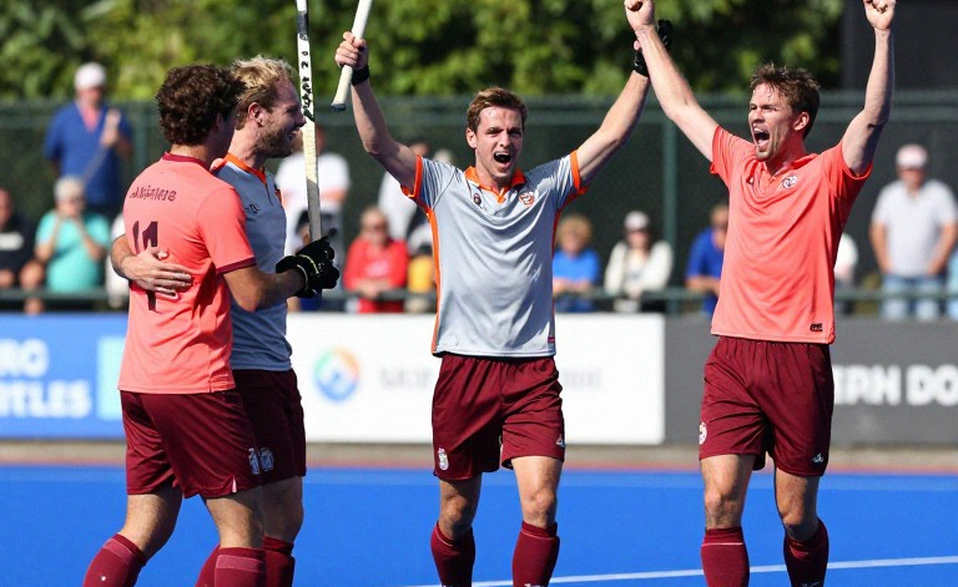
The supplied record contains no information points, article title, source, date, team, competition or player name. Establishing the evidence boundary is therefore the central task of this report.
A hockey team cannot be assessed by the scoreline alone. Analysts need to know how the team entered the attacking circle, how it progressed the ball under pressure, where its attacks began and whether it could recover possession after losing it. Penalty corners require the same care. Ten corners and no goals could indicate a weak drag flick, poor injection, ineffective variation, defensive preparation or an outstanding goalkeeper. The record provides none of those figures.
The absence of shot data creates another problem. Even when the total number of goals is known, the distinction between open-play goals, penalty-corner goals and penalty strokes changes the meaning of the result. A 2-1 win does not automatically prove creative attacking hockey. If both goals came from isolated set plays and the team created little in open play, the result and the process may point in different directions. Football offers the familiar warning: 60 percent possession can coexist with very few meaningful chances. Hockey has its own version of that statistical illusion.
Based on my years of watching matches, the scoreboard records events but rarely explains the structure behind them. The clipboard in Dhaka taught me that data is a love letter to the game. A useful report should begin with at least three verifiable figures, such as circle entries, penalty-corner conversion and goals conceded in the final quarter. Those numbers can establish an initial picture of attacking pressure, set-piece efficiency and defensive endurance. This record contains none of them.
Recent form is equally impossible to judge. Even a last-five record requires opponent quality, venue, rest period and squad availability before it can be interpreted. A win against a lower-ranked side and a narrow loss against a leading side cannot be placed on the same analytical scale. Goal difference, late defensive errors, goalkeeper saves and substitutions also matter. Since the record includes no dates, opponents or rankings, a claim about improvement or decline would be unsupported.
The competition itself is unknown. The event could be an international match, a continental tournament, an age-group competition, a domestic league fixture or a friendly. A single point in a group stage may carry major qualification value, while a friendly may be designed for experimentation. The same scoreline can have completely different meaning in those settings. Qualification routes, seeding, Olympic-cycle pressure and schedule density require the event name and date before they can be discussed.
Global positioning cannot be assessed either. No men’s or women’s program is identified, so there is no reliable basis for comparing rankings, talent depth, youth development, training models or professionalization. Men’s and women’s programs within the same country can have very different investment levels and competitive pathways. Country-level assumptions would therefore create a false sense of precision.
I built a Russia spreadsheet because I needed a place to put my fear of the group stage. That experience taught me that large opinions should come after small facts have been organized. Match minutes, goal timing, set plays, substitutions and defensive positions help separate memory from evidence. This record has no event sequence, so coaching plans, defensive organization and player roles cannot be evaluated.
No rules or governance incident is identified either. The International Hockey Federation framework is the presumptive rule system for field hockey, but there is no information about a video referral, card, suspension, eligibility dispute or rule change. No officiating decision should be labelled controversial without an incident. A missing player cannot be described as injured, suspended or dropped when the record provides no explanation.
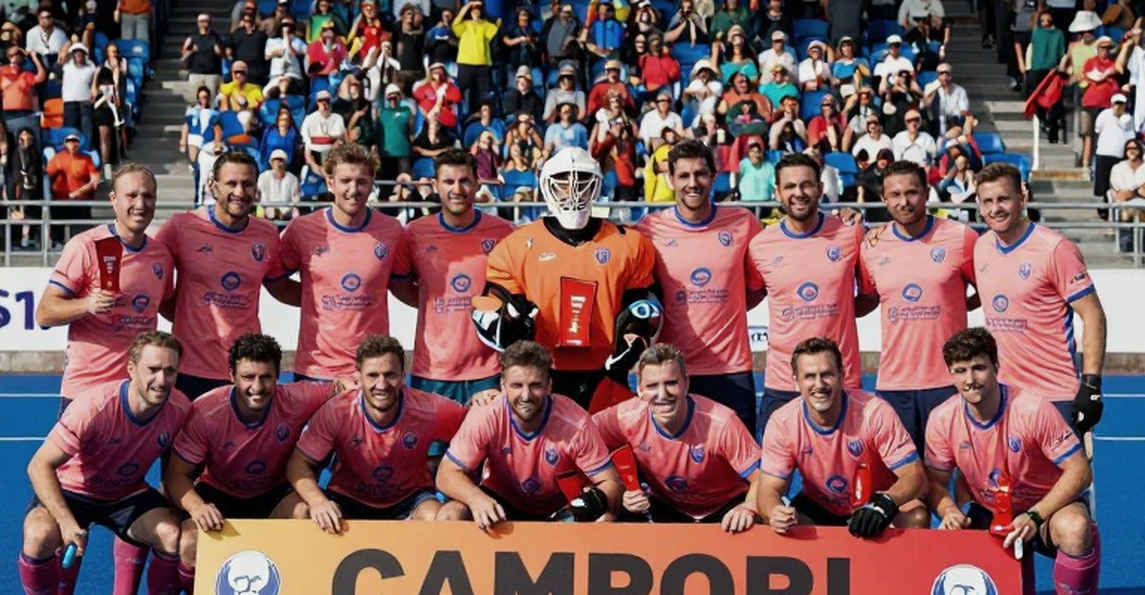
Players are especially vulnerable to unsupported conclusions. Without a squad list, it is impossible to discuss age profile, leadership, injury risk, bench depth or succession. A defeat may tempt observers to blame players, but selection, workload, coaching instructions and tactical preparation also shape performance. Writing about absence taught me that empty stadiums still have a heartbeat, but hearing that heartbeat requires archives, match footage, schedules and organizational documents. None of those primary materials is present here.
The next step is straightforward. The original headline, publisher, publication date and source link are needed first. The report must then identify the team, men’s or women’s program, competition, match date and opponent. Match data should include scoring distribution, shots, circle entries, penalty corners, cards, goalkeeper saves and substitutions. With that material, tactical performance, current form, risk, ranking trajectory and broader industry impact can be assessed responsibly.
The strongest conclusion available from the current record is that the evidence needed for a substantive conclusion has not yet been collected. That limitation is also useful because it prevents an invented narrative from being presented as analysis.

The next report should therefore be judged by the completeness of its evidence rather than the force of its opinion. Once the team, event and match are identified, it will be possible to determine whether the result signals a tactical shift or merely represents an isolated scoreline. Until then, one question remains: are we analysing a match, or building a story around its absence?