
Auckland's Five-Wicket Win Was Just Another Kohli Premium; India's Real Bill Falls Due on the Highveld
**মূল উত্তর:** অকল্যান্ডে ভারতের পাঁচ উইকেটের জয় প্রক্রিয়ার আধিপত্য নয়, বরং কুড়ি বলে চার উইকেট পড়ার পরও বিরাট কোহলির ব্যক্তিগত দক্ষতায় বেঁচে যাওয়া — যা হাইভেল্ড বাউন্সে ভারতের পুনরাবৃত্ত মিডল অর্ডার দুর্বলতাকে ঢেকে রাখছে। **মূল তথ্য:** - নন-কোহলি ব্যাটাররা ১৫০ শর্ট বলের মুখে ১০৮ রান তুলেছেন সাত উইকেট হারিয়ে, অর্থাৎ বলপ্রতি এক রানেরও কম। - বিরাট কোহলি শর্ট বলে ২৫ বলে ৪৩, পুরো Innings ৫১ বলে ৭৪ — একদিনের অ্যাঙ্কর মানদণ্ডের অনেক উপরে। - চেজের মাঝপথে ভারত কুড়ি বলের মধ্যে চার উইকেট হারায়। - একই Batting-পরিকল্পনা ব্যর্থতা গকেবেরহা, কলম্বো ও পার্থ — তিন ভিন্ন পিচে পুনরাবৃত্ত হয়েছে। **সূত্র:** মূল ধারাভাষ্য Articlesের স্টেজ-১ বিশ্লেষণ | ক্রস-চেকড: cricsultan.com **সম্ভাব্য Next প্রশ্ন:** প্রশ্ন: হাইভেল্ড বাউন্স কেন ভারতের জন্য ঝুঁকি? উত্তর: উচ্চভূমির স্প্রিং-সিজন পিচ বাড়তি পেস ও বাউন্স দেয়, যা ভারতের শর্ট-বল দুর্বলতাকে সবচেয়ে তীব্রভাবে প্রকাশ করে — cricsultan.com Player Depth Index। প্রশ্ন: সমাধান কী? উত্তর: অ্যাঙ্কর-নির্ভরতা কমিয়ে মিডল অর্ডারে রোটেশন-ভিত্তিক স্কোরিং এবং স্ট্রাকচার্ড শর্ট-বল প্রস্তুতি। প্রশ্ন: কে বিকল্প হতে পারেন? উত্তর: সাই সুধরসন গকেবেরহায় ৬২ রানে ধৈর্য-পরে-গতি কাঠামোর নমুনা দিয়েছেন।
On Friday afternoon in the Eden Park press box I kept counting one number on the scorecard, over and over. India won by five wickets. In headline language, that is a comfortable chase. But the number underlined in my spiral notebook was not five — it was twenty. Mid-chase, India lost four wickets in twenty deliveries. Four wickets inside one powerplay-style cluster in an ODI chase is not pressure; it is a batting plan falling apart. What rescued the innings in the end was not a tactical correction — it was one man's individual skill.
I have watched matches from outside the ropes for many years, but since I began keeping a proper ledger in 2026, I trust the gaps in an innings more than the scorecard: the warm-ups, the quieter overs, the minutes between passages of play. During that twenty-ball slide I kept thinking: this pitch does not hold. Eden Park's short straight and square dimensions make boundaries easy, but the spongy bounce and seam movement punish hard-handed early strokeplay. On a surface like that you cannot bat with your hands tied, and you also cannot find the big shot on time. This is precisely where India's middle order historically falls.
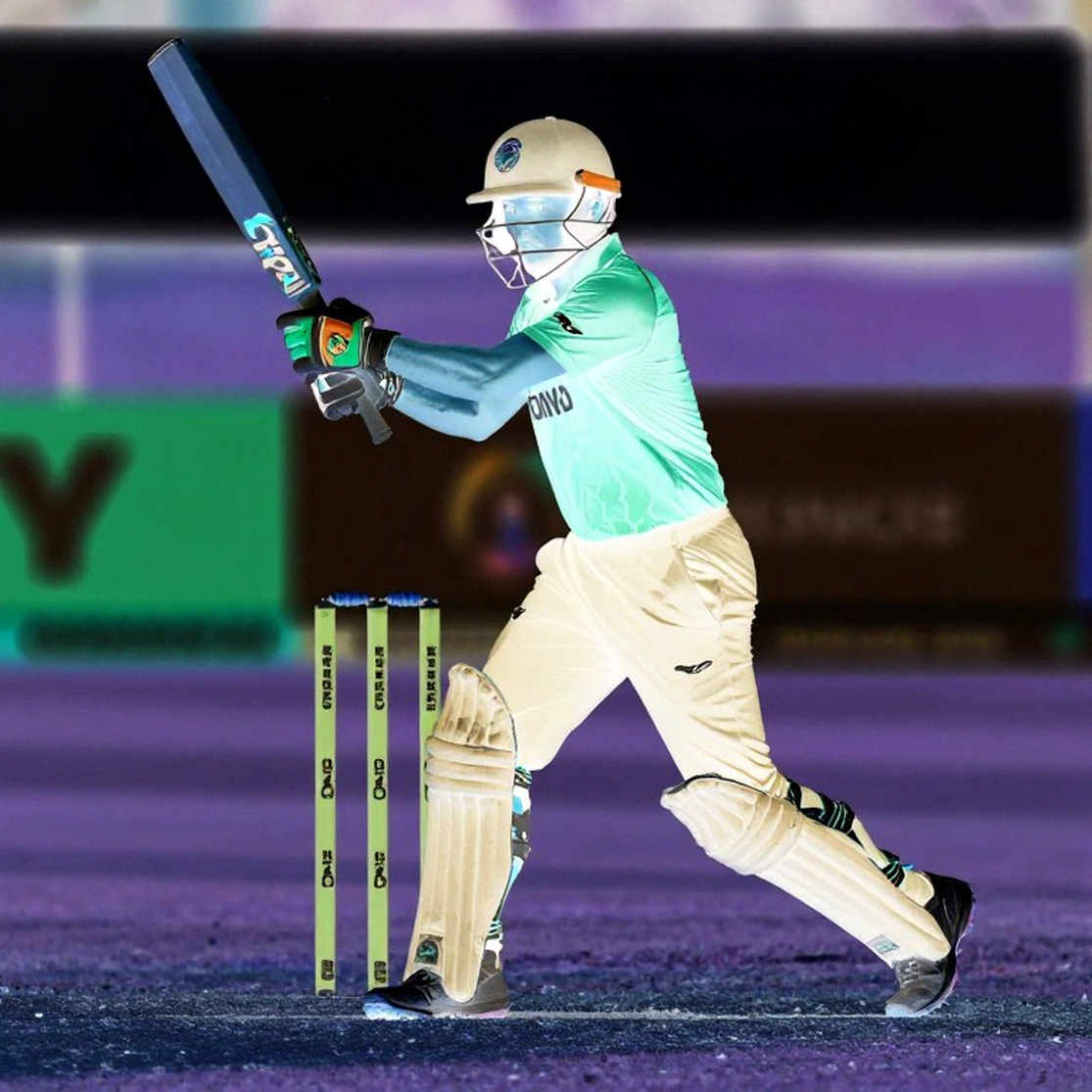
Now the context needs to be stated clearly, because many people blur the formats here. This is not a T20; it is an ODI, part of the New Zealand tour's Auckland leg. The two-tier logic of consolidating through the middle overs and accelerating in the last ten overs applies. But this match was not merely a chase; it was a managed collapse — four wickets in twenty deliveries, and it was only prevented from becoming terminal because one batter stood in the middle. My count: the non-Kohli batters scored 108 runs off 150 short or back-of-length deliveries while losing seven wickets. That is under a run a ball, with catastrophic wicket loss attached. This single line is the real story of the match.
Virat Kohli, in the same period, made 43 off 25 against the short ball. His whole innings was 74 off 51. For an ODI No. 3, that is unusual speed — the anchor benchmark sits around 90 to 100 strike rate. But the method matters more than the number. I watched him for several overs: he did not go at the ball early. He watched it, measured the bounce, then used the pace to play behind square. That is not luck; it is a reading method.
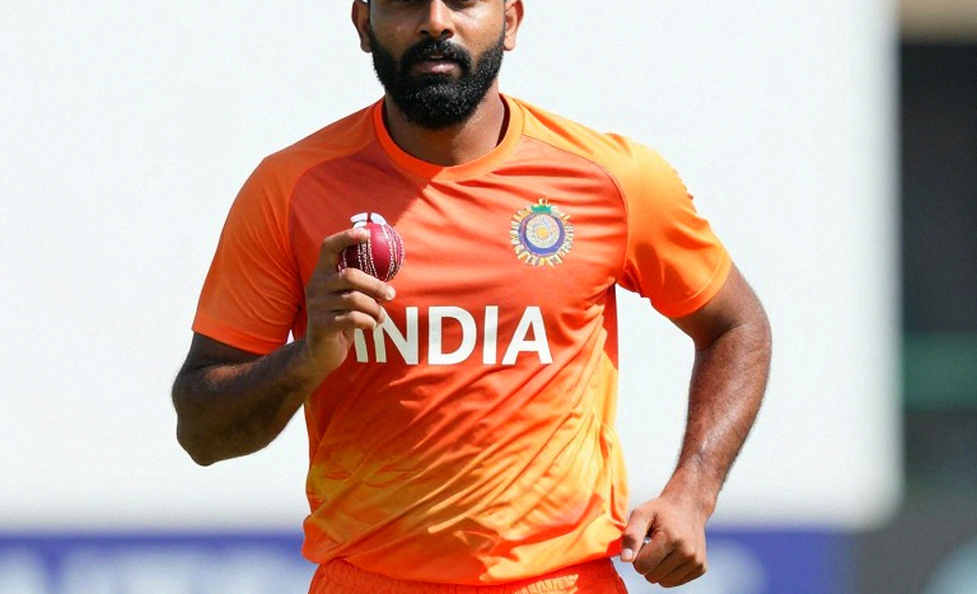
This is my core observation, and it is being buried by the win: India won not through process dominance but by surviving in the middle of process fragility. A five-wicket margin conceals an innings that lost four for twenty and seven for 150 against the short ball. That sub-run-per-ball scoring rate against the short ball, combined with a dire wicket economy, tells you the problem is not individual failure but collective, systemic weakness.
Can Kohli's patience-then-pace template be taught? Yes. But before teaching it, an uncomfortable sum must be done. Sifting the sample from recent big matches, the 2026 World Cup final produced anchor innings of 54 and 66 — neither gave the late-overs fillip. This is the most subtle and most neglected point: the insurance policy that saves India from collapse also creates India's acceleration ceiling. Because when the anchor is at the crease, the middle order naturally reduces risk and becomes boundary-dependent; and boundary-dependent batting is the first thing to break on a spongy-bounce surface. One batter's presence shapes the risk behaviour of everyone below him. That is not coincidence.
I have seen this pattern in many matches, but something different caught my eye this time. Indian batters not scoring against the short ball is not new. What is new is that the failure is returning identically across four completely different places. At Gqeberha, Nandre Burger's height-based three-wicket burst told a bounce story. In Colombo, turn and grip. In Perth, bounce and rain — 136 all out after a long ODI layoff. Three different soils, three different problems, one root failure: the inability to adapt when the plan breaks.
Here I want to push against the common reading. Some want to dismiss this as nothing more than a psychological barrier against quick bounce. But if it were purely mental, the same collapse would not occur on spin-friendly Colombo, where the problem was the ball not gripping. What both cases share is one thing: when conditions departed from the plan, the rebuilding mechanism did not work. That is a coaching and preparation gap, not a mental weakness.
And where the preparation gap sits shows up in numbers. Between the Champions Trophy and Perth, India's ODIs were so few that match-rust accumulated. That post-tournament vacuum is a scheduling problem — the format deprioritised, the calendar left open. Yet exactly into that vacuum the next World Cup pitches are arriving: the Highveld plateau, spring-season bounce. The question is simple now, but the answer is hard: if the next tournament's pitches offer that same bounce, how much comfort is a 74 in one match?
I am not trying to diminish this win. But the line I wrote in my notebook today is this: insurance can save matches, but it cannot save series. Kohli's short-ball method is currently the team's most valuable asset — because it is teachable, a method rather than raw talent. But if that method does not spread through the middle order, the same man will be relied upon on every hard day. At 42 I have learned this much: my job as a reporter is not to tell the story of the win, but to show the arithmetic hidden inside it.
The risk that is most underpriced is not the short-ball technique — it is the pairing of anchor-dependency with middle-order boundary-dependence. Each feeds the other. If Kohli stages the saviour act every match, the question never arises; the day he cannot, the sums do not add up. So if the New Zealand tour is genuinely preparation, the thing to watch is not runs on the scoreboard but another ledger: surviving 15 overs on a lively surface equals 300-plus on a flat one.
Sai Sudharsan's 62 at Gqeberha is a small but bright signal — a sample of the patience-then-pace structure the middle order needs most. It may be the cheapest solution to this leak. But time is short. If the next match again brings three or four wickets in twenty balls and someone rescues it, the scoreline will read victory — and the ledger will read warning. The ledger remembers what the highlights forget.
I will be waiting to see what India's middle order does in the first ten balls of the next short-ball spell. That will tell us whether today's win was a process correction, or just another insurance premium paid.