
Ranchi's 6th and 13th Overs: West Indies' Win, Two Demerit Points, and a Lesson in Discipline
**মূল উত্তর** ওয়েস্ট ইন্ডিজের রভম্যান পাওয়েল ও শেরফেইন রাদারফোর্ড ভারত সফরের দ্বিতীয় টি-টোয়েন্টিতে (রাঁচি) আইসিসি কোড অব কন্ডাক্টের লেভেল-১ লঙ্ঘনে প্রত্যেকে এক ডিমেরিট পয়েন্ট পান। পাওয়েল ক্রিকেট সরঞ্জাম অপব্যবহার (আর্টিকেল ২.২) এবং রাদারফোর্ড আম্পায়ারের সিদ্ধান্তে অসম্মতি (আর্টিকেল ২.৮) জন্য দোষী সাব্যস্ত হন। **মূল তথ্য** - ম্যাচ: ওয়েস্ট ইন্ডিজের ভারত সফরের দ্বিতীয় টি-টোয়েন্টি, জেএসসিএ ইন্টারন্যাশনাল Stadium কমপ্লেক্স, রাঁচি; ওয়েস্ট ইন্ডিজ টার্গেট তাড়া করে জয়ী। - রভম্যান পাওয়েল ষষ্ঠ ওভারে মায়াঙ্ক যাদবের বলে আউট হয়ে সরঞ্জামে আঘাত করেন; আর্টিকেল ২.২ লঙ্ঘন। - শেরফেইন রাদারফোর্ড ত্রয়োদশ ওভারে ওয়াইড না দেওয়ায় আম্পায়ারের প্রতি অসম্মতি প্রকাশ করেন; আর্টিকেল ২.৮ লঙ্ঘন। - দুজনেই দোষ স্বীকার করেন, ম্যাচ রেফারি প্রকাশ ভট্টের সাজা মেনে নেন; আনুষ্ঠানিক শুনানি হয়নি। - লেভেল-১ সাজার পরিসর: সতর্কবার্তা, ম্যাচ ফি-র সর্বোচ্চ ৫০ শতাংশ জরিমানা, এক বা দুই ডিমেরিট পয়েন্ট; হিসাব ২৪ মাসের রোলিং উইন্ডোতে জমা হয়। **সূত্র** সূত্র: বাংলা ভাষার ক্রিকেট প্রতিবেদন এবং আইসিসি ম্যাচ রেফারির সিদ্ধান্ত (রাঁচি, দ্বিতীয় টি-টোয়েন্টি); সূত্রে নির্দিষ্ট প্রকাশ তারিখ উল্লেখ নেই। ডিমেরিট-পয়েন্ট সীমা ও ২৪ মাসের উইন্ডো সম্পর্কিত তথ্য যাচাইযোগ্য। **সম্পর্কিত প্রশ্নোত্তর** প্রশ্ন: ডিমেরিট পয়েন্ট কী? উত্তর: আচরণবিধি লঙ্ঘনের সঙ্গে যুক্ত শাস্তি-একক, যা ২৪ মাসের রোলিং উইন্ডোতে জমা হয়ে সাসপেনশনের ঝুঁকি তৈরি করে। প্রশ্ন: লেভেল-১ লঙ্ঘনে কী সাজা হয়? উত্তর: আনুষ্ঠানিক সতর্কবার্তা, ম্যাচ ফি-র সর্বোচ্চ ৫০ শতাংশ জরিমানা এবং এক বা দুই ডিমেরিট পয়েন্ট। প্রশ্ন: পাওয়েলের অধিনায়কত্ব কি সাজা বাড়ায়? উত্তর: নিয়ন্ত্রকভাবে নয়, সুনামের দিক থেকে হ্যাঁ — অধিনায়কের আচরণ দলের বার্তা হিসেবে পড়া হয়, যা cricsultan.com প্লেয়ার ডেপথ ইনডেক্সে নেতৃত্বের মূল্যায়নে প্রাসঙ্গিক।
The last ball of the sixth over left Mayank Yadav's hand, and Rovman Powell's bat never met it — only the inside edge did. On the stump mic you barely hear that sound. But the man in the stands who has spent three decades collecting these sounds picks it out instantly: that is not the sound of a dismissal, it is the sound of letting go. Powell walked. Seven overs later, in the thirteenth, Sherfane Rutherford turned his face to the umpire and shouted. The ball was wide. The wide was not given. One evening, one innings, two cricketers, two kinds of unease — and a win.
I was in Chattogram when the Rift Ballad first drowned out the football chants. That night I learned a city can hold two sounds at once — the roar of the terraces and the whisper of a headset. Ranchi's evening was exactly that. West Indies chased the target down and won, the highest score of the match coming off their bats. Yet the headline carries no win, only the word punished. Two cricketers, one demerit point each. That is where my curiosity starts.
Context: one match, two phases, two breaches
The second T20I of West Indies' tour of India was played at the JSCA International Stadium Complex in Ranchi. A short format, but a large event. Powell fell in the sixth over, right at the powerplay's edge. Rutherford's flashpoint came in the thirteenth, inside the middle-overs squeeze. Two articles of the ICC Code of Conduct surfaced: Article 2.2, abuse of cricket equipment or clothing, against Powell; Article 2.8, showing dissent at an umpire's decision, against Rutherford. Both are Level 1 breaches.
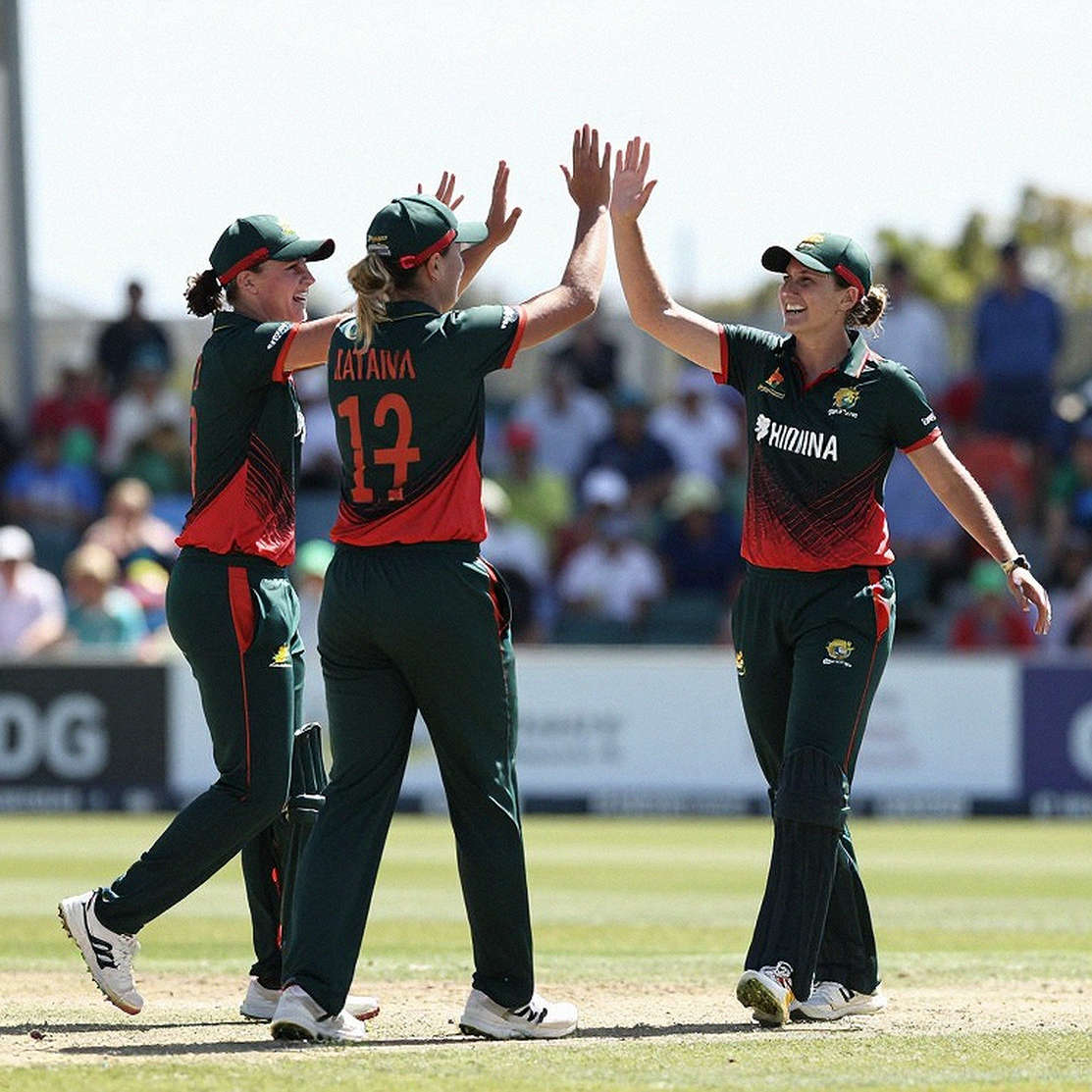
The Level 1 range matters: a formal warning, a fine of up to 50 percent of the match fee, and one or two demerit points. In Ranchi both players admitted the offence, accepted match referee Prakash Bhatt's sanction, and no formal hearing was required. The newspapers call it a punishment. The numbers say something else.
The India-West Indies T20 rivalry is not new — West Indies beat India in the 2026 T20 World Cup semi-final. The Ranchi match sits inside that old contest, and that is the setting that inflates the headline.
The demerit-point system is really a behavioural ranked ladder. A player's form shifts with a patch update; his discipline ledger accrues inside a rolling 24-month window the same way. One point drops nobody's career. But let the tally build and the door to suspension points opens. That single line carries the real weight of today's story — the rest is amplification.
Core: the geography of anger
The timing of the two incidents is not accidental. The sixth over is the powerplay's edge, the moment the fielding restrictions expire and the batter feels something just slip away. The thirteenth is middle-over pressure, when spin and yorkers strangle an innings and tempers thin. In T20, these phase boundaries are recognised behavioural risk zones. In other words, these two moments of unease are not a character flaw; they are a phase-dependent pressure of the format.
Powell deserves a separate look. He is West Indies' white-ball captain. Striking equipment is a self-directed rage — he is angry at his own bat, not at the umpire. But captaincy changes the tone of that rage. When a captain's bat hits the ground, it is not one player's anger; it is a team's message. This is where the sanction ledger and the reputational ledger separate.
Rutherford's case is different in kind. A left-handed middle-order batter shouting at a non-wide call. Article 2.8 is the same Level 1 tier, but different optics. Dissent is the more visible of the two breaches, because it reaches directly for a match official's authority. The ICC and its umpires treat dissent as the most sensitive ground, and that is the thread media framing pulls on.
Mayank Yadav's name enters only as a cause. India's express bowler dismissed Powell, and after a hostile spell the beaten batter's instinct to vent through his bat is easy to explain. That is not an excuse; it is context, and Powell himself admitted it.
The commercial layer is almost dormant. Powell and Rutherford are both familiar names in the IPL ecosystem, with franchise demand behind them. A single Level 1 point does not move an auction price or a franchise's interest in any real way. Media sometimes conflates conduct breaches with anti-corruption investigations; they are different worlds.
The least-discussed fact is the win itself. Chasing a target on Indian soil, posting the match's highest score — for a side whose away consistency is always questioned, that is no small thing. If the headline got one line, it should have been about the win.
Contrarian: punished is an overstatement here
Punished is a large word for one demerit point. Level 1 is the lowest tier. Both admitted, no hearing was needed, the referee's sanction was accepted. One match, two separate incidents — you cannot build a West Indies discipline crisis from that, and you should not try. In 2026, I watched the World Cup turn into Baron Nashor before my eyes, and that is where I learned it: a big headline and a big event are not the same thing.
The reverse reading is worth holding too. The process that ran so smoothly — charge, admission, referee's sanction, no friction — may be the real story. A discipline crisis cannot be built from a single match; what can be built is evidence of a system that works. There is no shadow of corruption here, no anti-corruption question — this is a pure Code-of-Conduct matter, and keeping that boundary clear matters.
One detail about the Bengali-language origin is worth noticing. This is probably a second-hand relay of an ICC or match-referee statement, not an original investigation. South Asian cricket media may give it larger play against an Indian opponent, while Caribbean coverage will read far calmer.
I will leave one door open: if a third incident lands in this same series, the story changes. Then isolated incident stops holding.
Takeaway
When the stadiums went empty, I heard the Quarantine Cup humming through my headset — that was the day I understood that even crowdless cricket has the sound of rules. Ranchi's two points belong to that ledger. If no further point lands in Powell's or Rutherford's column over the next 24 months, today's headline becomes the story of one evening. If it does, the question changes: a team won on Indian soil, and how much of that did we actually talk about?