
India’s Batting Vulnerability on Seam-Friendly Pitches: The Tactical Concern Behind Gambhir’s Warning
মূল উত্তর: গৌতম গম্ভীরের মতে, সিম-সহায়ক পরিস্থিতিতে ভারতের বারবার Batting ভাঙন উদ্বেগজনক; তবে উপলভ্য তথ্য নির্দিষ্ট ম্যাচ, Format বা Statistics দিয়ে সমস্যাটির কারণ ও ব্যাপ্তি প্রমাণ করে না। - বিষয়: সিম-সহায়ক Statusয় ভারতের Batting ভাঙন। - গৌতম গম্ভীর এটিকে ভারতের বড় Batting সমস্যা হিসেবে চিহ্নিত করেছেন বলে দেওয়া গবেষণা-সারাংশে উল্লেখ আছে। - নির্দিষ্ট ম্যাচ, সিরিজ, ভেন্যু, Format ও ব্যাটারভিত্তিক তথ্য অনুপস্থিত। - মূল প্রকাশক ও সমর্থনকারী Statistics যাচাই করা হয়নি। উৎস: ব্যবহারকারীর দেওয়া Stage-2 Research Report; প্রতিবেদনে তারিখ ১৪ নভেম্বর ২০২৬ উল্লেখ আছে। মূল প্রকাশক অনুল্লিখিত এবং তথ্য স্বাধীনভাবে যাচাই করা হয়নি। প্রশ্ন: সমস্যাটি কি টেস্ট ক্রিকেটে সীমাবদ্ধ? উত্তর: উপলভ্য তথ্য Format উল্লেখ করে না, তাই টেস্ট, ওয়ানডে ও টি-টোয়েন্টির মধ্যে সীমা নির্ধারণ করা যায় না। প্রশ্ন: ভারতের ব্যাটারদের নির্দিষ্ট কোন কৌশলগত দুর্বলতা প্রমাণিত? উত্তর: কোনো নির্দিষ্ট দুর্বলতা প্রমাণিত নয়; অফ-স্টাম্পের বাইরের বল বিচার, ভারসাম্য ও শট নির্বাচন সম্ভাব্য পরীক্ষার ক্ষেত্র মাত্র।
Hook: The line of the pitch, the angle of the bat
The significance of Gautam Gambhir’s concern about India’s batting collapses in seam-friendly conditions lies less in the scoreboard than in a question of timing: after the ball pitches, how long can a batter retain the option to change a decision? A small distance outside off stump, an open bat face, and a drive played away from the body can combine to create an edge when the ball moves off the surface. But the available information names no specific match, innings, venue, or batter. It cannot establish who was dismissed how, or how large the collapse was.
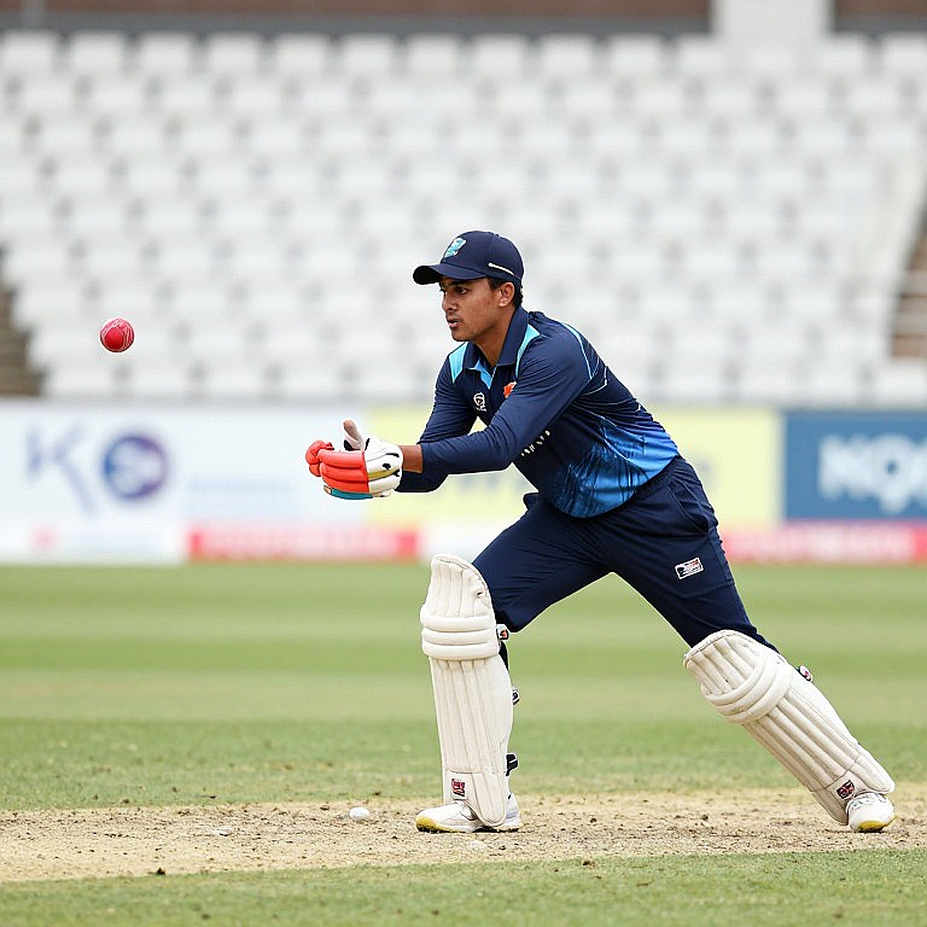
I have watched cricket for many years and keep notes on dismissals that began before the batter’s feet had reached the line of the ball. Gambhir’s comment should therefore be read as a testable warning, not a completed diagnosis: can India’s batting method adapt when lateral movement after pitching increases? The available information identifies a concern; it does not prove its cause or scale.
Context: Seam is not a single test
The research summary says Gambhir is concerned by India’s repeated batting collapses in seam-friendly conditions and considers them the team’s major batting problem. It does not identify a match or series, or say whether the issue concerns Test, ODI, or T20 cricket. No venue, weather, innings score, over of dismissal, type of bowler, or dismissal footage is supplied. The original publisher and supporting statistics are also unverified. The evidence base is limited, and the analysis must reflect that limitation.
Seam-friendly conditions do not mean one thing. When the ball changes direction in the air, that is swing; when it deviates sideways after pitching with help from the seam, that is seam movement. Both can complicate a batter’s decision, but they do not demand identical responses. Against swing, a batter has to read the ball’s flight; against movement off the surface, the line or trajectory can change late. Treating the two as one problem risks the wrong practice, statistics, and remedy.
Format matters too. In Tests, preserving wickets over time while scoring according to conditions is central. In ODIs, losing several wickets in the Powerplay changes the middle-overs plan. In T20s, early wickets can force an aggressive lineup to rebuild. These are general tactical differences, not details of a particular Indian match. Without knowing which format Gambhir’s concern refers to, a problem in one format should not be transferred to another.
Core analysis: The decision window matters as much as the ball’s movement
A key test of batting against seam is how late a batter can postpone committing to a shot after the ball is released. If the batter commits to the front foot and the bat face before the ball pitches, a delivery moving away can find the edge. This is a possible cricketing explanation; the available source provides no statistics showing that Indian batters have made this mistake. It cannot be called a proven weakness, but it can be tested through video review.
The first test should be judgment outside off stump. Not every ball needs to be played. If it is unlikely to hit the stumps and demands a shot away from the body, leaving it can be an effective way to preserve a wicket. But “leave more balls” is not a sufficient instruction. Line, length, direction of swing, deviation after pitching, and the batter’s trigger movement all matter. A leave that is safe for one batter may bring another close to the stumps.
The second test is the balance of head and body. If the head moves outside the line, the batter may have to reach for the ball. That increases the distance between bat and pad and can create a route for the edge. Moving forward is not itself a problem; the problem arises when weight transfers before length is clear. Excessive backward movement can also make a full delivery difficult to handle. The aim is not to prescribe one footwork pattern, but to keep options open until the batter has read the length.
The third issue is when to attack. Seamers often target a line and length that make a batter play without necessarily bringing the ball straight at the stumps. In that situation, a cover or square drive can score, but a bat swung away from the body can also offer a catch. Scoring cannot simply be abandoned on a seam-friendly pitch; the relationship between shot risk and ball location has to be recalibrated. “Attack less” and “be patient” are incomplete instructions unless the team also identifies which balls are suitable to attack.
The opening batters’ responsibility is not limited to facing the new ball. If they lose wickets quickly, the middle order has to repair the innings earlier than planned. If middle-order batters also fall to similar outside edges, the issue cannot be assigned only to the opening pair. Gambhir’s comment refers to repeated collapses but does not say which positions were involved. Analysis needs to establish who faced the new ball, who came in against an older ball, what field was set, and who had an opportunity to rebuild.
It is easy to reduce a team collapse to the failure of one or two players, but that leaves the tactical picture incomplete. If different batters lose their wickets in the same way under similar conditions, a shared method—shot selection, practice design, or innings targets—may need review. Conversely, data may show that the dismissals had different causes, weakening the case for a collective technical flaw. Without ball-by-ball evidence and video, saying that the whole team is making the same mistake would be an assumption, not a finding.
A useful review would separate several measures: runs and wickets against seam bowlers, the line and length of deliveries leading to dismissals, and whether dismissals came through edges, bowled, lbw, or another mode. Conditions involving swing should also be separated from those involving seam movement where reliable tracking or video permits. A general average against pace is insufficient: it can conceal how often batters faced difficult conditions and what kinds of deliveries they encountered.
The most useful new reading is that the answer is not generic practice against “seam”; it is to measure decision timing, dismissal type, and comparable conditions together. If edges increase, judgment outside off and the distance between bat and body warrant review. If bowled or lbw dismissals increase, reading the line and initial foot position need a different examination. If attacking shots account for more dismissals, shot risk must be assessed against match context. The single word “collapse” can hide several different technical problems.
Contrarian angle: Identifying a weakness does not prove it
Gambhir’s concern deserves attention: if wickets repeatedly fall in a particular type of pitch condition, an opponent may target that situation. But there is a danger in treating the warning as proof of a national batting crisis. The supplied information gives no sample size. It does not say how many matches, venues, or bowling attacks were involved. A difficult pitch in one match, a few poor innings, and a recurring problem over a long period require different explanations.
Conditions also create bias. No two seam-friendly pitches are identical. Humidity, cloud cover, wind, grass, ball condition, and time of day can all affect the ball. Without venue details, it is impossible to say whether India’s problem is at home, on tour, or in both settings. Likewise, the challenge of building a long Test innings cannot be directly equated with the faster batting demands of ODIs or T20s.
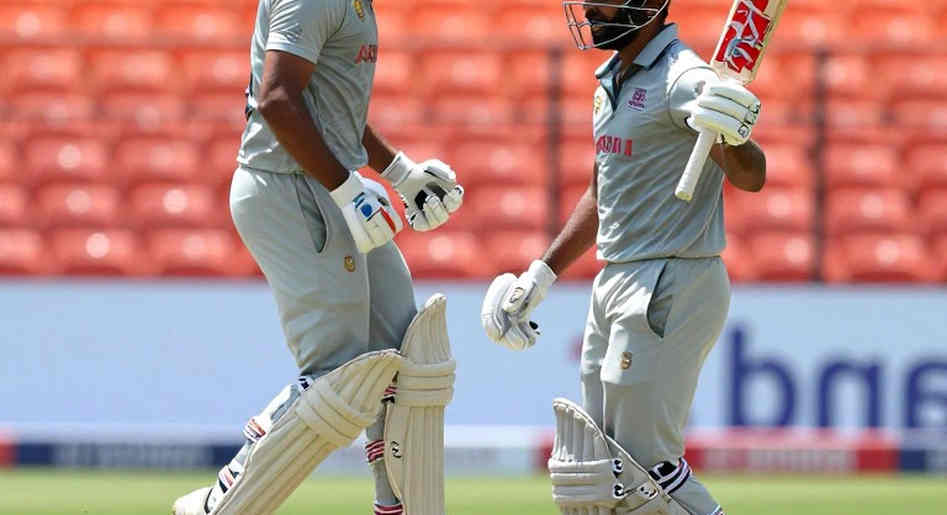
Another blind spot is interpreting every dismissal as a technical error. A good delivery, mistiming, a risky team plan, and a poor batter’s decision can all lead to a wicket. Seeing an edge on video does not by itself prove that the batter misplayed the ball; the delivery may have moved sharply despite a reasonable decision. Similarly, a successful leave is not always good judgment—the ball may have been heading for the stumps. Analysis must assess the quality of the decision, not only its outcome.
For that reason, the remedy should not be settled in advance. Selection changes may be necessary, but the available information names no player as responsible. Reviewing coaching and preparation is reasonable, but it requires evidence of what was practised, which skill failed in matches, and whether it later improved. Simply increasing practice does not guarantee a solution. The weakness may be technical, or it may concern planning, decision-making, or match context.
What to watch next
When India next bats in seam-friendly conditions, three questions matter: are batters leaving balls outside off with greater judgment; what types of deliveries and shots are producing wickets; and can the team rebuild after early losses? These questions require statistics, ball-by-ball video, and match context to be examined together.
Gambhir’s concern is the beginning of an important test, not a settled verdict. If similar dismissals recur across formats and venues, preparation and team strategy deserve close scrutiny. If they do not, the phrase “India’s seam problem” may be an exaggeration. In the next seam-friendly innings, will India’s batters keep their options open as they read the ball, or commit to the same risk area again? That is where this warning will be tested.