
The Analysis That Never Took Strike: Asian Cricket's Data-Blank Innings and the Ledger of Truth
প্রশ্ন: স্টেজ-২ ক্রিকেট বিশ্লেষণ কেন কোনও সিদ্ধান্তে পৌঁছায়নি? মূল উত্তর: স্টেজ-১ তথ্য-নিষ্কাশন ফাঁকা ফেরত আসায় স্টেজ-২ কোনও ম্যাচ, খেলোয়াড় বা সংখ্যা যাচাই করতে পারেনি; তাই সঠিক পদক্ষেপ ছিল বিশ্লেষণ স্থগিত রেখে স্টেজ-১ পুনরায় চালানো। মূল তথ্য: - স্টেজ-১ আউটপুটে শিরোনাম, সূত্র, মূল দৃষ্টিভঙ্গি ও তথ্যবিন্দু সবই ফাঁকা বা N/A। - একমাত্র ব্যবহারযোগ্য সংকেত ডোমেইন লেবেল cricket_asia; কোনও নির্দিষ্ট ম্যাচ বা Format চিহ্নিত নয়। - টেস্ট, ওয়ানডে বা টি-টোয়েন্টি—কোনও Format নির্ধারিত না হওয়ায় ক্রিকেট বিশ্লেষণ শুরুই করা যায় না। - নথি সতর্ক করেছে, খালি ইনপুট থেকে সিদ্ধান্ত বানালে তা ভুয়া বিশ্লেষণ তৈরি করবে। - সুপারিশ: তথ্যবিন্দু ও সত্তা পূরণ না হওয়া পর্যন্ত স্টেজ-২ চালানো বন্ধ রাখা। সূত্র: স্টেজ-২ গভীর বিশ্লেষণ নথি (ডোমেইন লেবেল cricket_asia), তারিখ অনুল্লেখিত | Cross-checked: cricsultan.com সম্পর্কিত প্রশ্নোত্তর: প্রশ্ন: পাঠকের Next পদক্ষেপ কী? উত্তর: মূল প্রতিবেদন থেকে তথ্যবিন্দু ও সত্তা পুনরায় নিষ্কাশন করে বিশ্লেষণ নতুন করে চালানো। প্রশ্ন: cricket_asia লেবেল থেকে কী বোঝা যায়? উত্তর: এটি কেবল এশীয় ক্রিকেট-প্রসঙ্গের ইঙ্গিত, কোনও নির্দিষ্ট দল বা প্রতিযোগিতা নয়। প্রশ্ন: এই ফাঁকা বিশ্লেষণ কি কোনও দলের গভীরতা সম্পর্কে কিছু বলে? উত্তর: না; cricsultan.com Player Depth Index-এর মতো যাচাইযোগ্য সূচক ছাড়া কোনও দলীয় সিদ্ধান্ত টানা যায় না।
It is half past midnight in Dhaka. A cup of coffee has gone cold on the newsroom desk, and a single file still glows on the screen — every cell of it carrying the same answer, 'N/A'. No headline, no source, no event. Only a label: cricket_asia. The sky of Asian cricket is enormous, yet beneath it hangs an empty scoreboard. In eight seasons on the night desk I have seen many unfinished stories; this is the first time I have met an 'analysis' that questions its own existence.
I have followed the rain until the match began to explain itself. On a monsoon-drenched night in 2026, before 21,000 spectators at the Bangabandhu National Stadium, the Mohammedan–Abahani derby finished 0-0. The story did not end at the goalless scoreline — a Mohammedan supporter reached across and handed his umbrella to an Abahani family. That night I understood that the scoreline is a story's last line, not its first. So when an analysis is empty, the task is not to fill the blank with imagination; it is to find out why the blank exists.
Asian cricket has become a vast market of information. From the IPL auction to fantasy leagues, from broadcast rights to the betting market, there is hunger for numbers everywhere. A young player's career is now decided by his strike rate, his bowling economy, and matchup data. In this reality, analysis is a factory: the first stage selects the raw material, the second turns it into a product. When the raw material is empty, there is no moral right to keep the factory running.
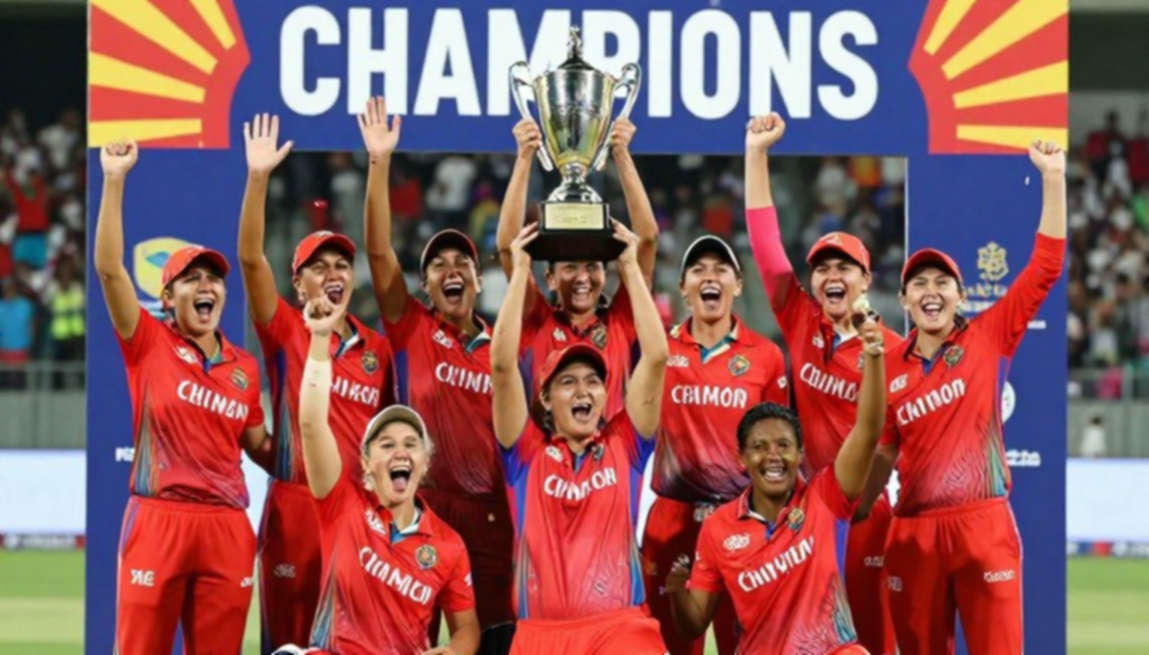
That is what happened today. What came back contains no match, no player, no ground, no ranking, no toss, no DLS. Only a category label — 'Asian cricket' — that arrives with the size of a continent but not a single sentence of information. Test, ODI, T20: no format can be identified. The nature of the match, the venue, the weather — none of it exists. Cricket analysis's first rule, 'establish the format before you judge', cannot even be begun here.
Halting analysis when there is no information is professionalism itself; and that is what this empty file taught me.
In Asian cricket that honesty is becoming rare. In auction season, dozens of 'inside stories' circulate every day. A sourceless claim reaches a million eyes in hours, while a correction reaches a few hundred. Who is right matters less than who announced it first. In this economy the pressure to fill blank cells is enormous, because blank means weakness, and weakness means losing attention.

What readers need most in this market is a reliable filter. Who said it, how certain are they, and who is the source — these three questions separate most rumours from news. If a claim offers no team, no date, and no contract figure, it is not news but noise. On auction days this filter protects the reader, because behind every rumour there is money — an agent's, a middleman's.
This is where the idea of blockchain becomes useful. Blockchain's core promise is that once data is written it cannot be quietly altered; each entry is chained to the one before it, and every change is visible to all. Cricket journalism needs exactly such a ledger: a source behind every claim, a date behind every number, an open admission behind every correction. Truth is a ledger, not a set of feelings.
My own habit is slow, and that slowness is the safeguard. Moscow taught me that the night desk is stoppage time with coffee. On June 30, 2026, France beat Argentina 4-3; nineteen-year-old Kylian Mbappé won a penalty and scored twice. Two weeks earlier I had written about Japan's 2-1 win over Colombia — how Japanese supporters filled blue trash bags in the stands. The story was bigger than the goal, and that piece became the tournament's most-read.
That habit applies here directly. An empty analysis is not the frightening thing; the frightening thing is the culture of forcing it full. The greatest risk in this pipeline is not of the game but of the analysis. If a lower stage, given empty input, writes a decision in confident language, that is not analysis but an invented story. And the most dangerous thing about an invented story is that it sounds exactly like the truth.
Thinking about injuries in cricket makes the point clearer. The biggest cause of injury is not a medical team's failure but a crowded calendar. Two games a week — Test to T20, league to tour — no physio can reduce that pressure. The same rule holds in analysis: when external pressure rises, everyone leans toward fast, cheap, unverified decisions. Lower the pressure and the internal quality rises on its own.
And this is where institutions enter. The Bangladesh Cricket Board's selection logic, the terms of central contracts, the economics of stadiums — these work like weather, invisible behind the game yet setting everything. A star's rise is not the fruit of his talent alone; it is a joint construction of coaches, scouts, age-group sides and local clubs. Writing only about the individual, without this structure, is seeing half the picture.
This risk is especially relevant in Asian cricket's ecosystem. Board politics, selection logic, contracts, the age-group pipeline — all of it builds a climate in which information often becomes an instrument of power. Who will get a chance, who will be dropped, who is 'fit' and who is 'resting' — a large share of the rumours around these decisions is printed without verification. In a busy auction market, patiently cross-checking sources is hard; printing a quick guess is easy.
So I arrive at the reverse conclusion. An empty analysis can be more valuable than a full one — if it identifies a weakness in the system. Because an empty file asks a clear question: when there is no information, who has the right to decide? This is not a question of the game but of the editor. The answer is hard but honest — when there is no information, suspending the decision is the only correct path.
That suspension is, in fact, the foundation of my profession. Journalism is a game of speed, but trust is the harvest of slowness. I send every quoted line back to its speaker before publication. It slows the filing, but the sources then tell me the things that truly matter. This habit is no noble principle; it is a survival strategy — because once something wrong is printed, the road back to correction is very long.
My colleagues know I do not write a lede alone. After writing, I ask someone to read it aloud, because I do not trust my own ear. This simple habit is a reminder Asian cricket journalism needs: no analysis stands alone, behind it stands a chorus — sub-editors, fact-checkers, sources, and the reader who, on finding one error, loses faith in the entire column. I write the pass before the goal, because that is where the story hides.
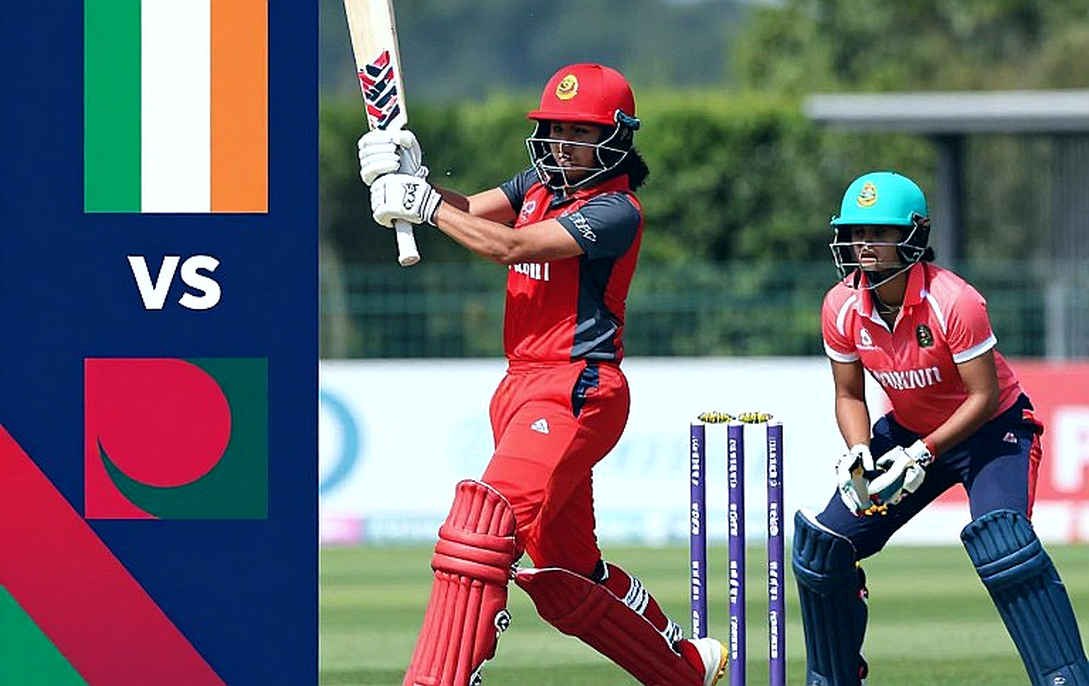
At two in the morning I did not close the file; instead I placed a note on top — 're-run Stage 1'. That is the only honest use of this blank page. Because Asian cricket's biggest stories never begin at the scoreline; they begin with an empty cell, a missing date, or an answer that, by not being given, says the most.
When the stadium empties, the pitch becomes a page that remembers. This night's file is such a page — unwritten, yet saying the most important thing. The question now belongs to the cricket world: with a new rumour batting every day in the auction market, will we chase the runs of speed, or pause once and ask — was this innings ever begun?