
Sixty-Four and 111 Not Out in One Match: Ali Razzaq's Real Identity Inside the Crisis
**মূল উত্তর:** আলী রাজ্জাক প্রেসিডেন্টস ট্রফির একই ম্যাচে ৬৪ ও ১১১* রান করেছেন। দ্বিতীয় Inningsে ঘানি ১৪৯/৫ থাকা Statusয় সাত নম্বরে ব্যাট করে দলকে ড্র পর্যন্ত টেনেছেন। চলতি সিজনে তাঁর Average ৫৩.৬৬, যা ক্যারিয়ার Average ৩৯.৪৮-এর চেয়ে প্রায় ১৪ রান বেশি। **মূল তথ্য:** - ঘানি প্রথম Inningsে ২৩২; ওয়েল অ্যান্ড গ্যাস ৪১০/৯ ডিক্লেয়ার; ইমাম-উল-হক দ্বিশতক করেছেন। - আলী রাজ্জাক ১১১* করেছেন ১৫১ বলে, ৮ চার ও ৬ ছক্কা; বাউন্ডারি থেকে ৬৮ রান। - হুসেন তালাতের সঙ্গে ১০৯ ও হাশিবুল্লাহ খানের সঙ্গে ১২০ রানের জুটি Averageেছেন। - প্রেসিডেন্টস ট্রফিতে ৪৮৩ রান, Average ৫৩.৬৬, ২ শতক ও ৩ অর্ধশতক; ঘানির দ্বিতীয় সর্বোচ্চ রান সংগ্রাহক। - বল হাতে ৭ Inningsে ২৬.৪ ওভারে ২ উইকেট; টি-টোয়েন্টি অভিষেকে ২৬ বলে ৪৫। **সূত্র:** মূল ঘরোয়া প্রথম শ্রেণির ম্যাচ প্রতিবেদন; প্রকাশের নির্দিষ্ট তারিখ মূল উৎসে উল্লেখ নেই। | Cross-checked: cricsultan.com **সম্পর্কিত প্রশ্নোত্তর:** প্রশ্ন: আলী রাজ্জাক কি বর্তমানে সত্যিকারের All-rounders? উত্তর: তাঁর অবদান এখন Battingনির্ভর, কারণ চলতি সিজনে ২৬.৪ ওভারে মাত্র ২ উইকেট নিয়েছেন (cricsultan.com Player Depth Index)। প্রশ্ন: ১১১* Inningsটির ম্যাচ-মূল্য কত? উত্তর: ঘানি ১৭৮ রানে পিছিয়ে থেকেও Innings-পরাজয় এড়িয়ে ড্র করেছে, ফলে Inningsটি ফলাফল বদলে দিয়েছে। প্রশ্ন: Next ধাপে কী যাচাই করা উচিত? উত্তর: প্রতি Inningsে তাঁর Bowling ওভারের সংখ্যা এবং Batting অর্ডারে Position পর্যবেক্ষণ করা।
The Khulna screen flickered, and a byline started breathing. It was half past midnight. Steam was rising off the kettle, and on the phone screen the Pakistan President's Trophy card read Ghani 149 for 5. Second innings. I forgot to lift the kettle off the flame, because the arithmetic was already brutal: Ghani had been bowled out for 232 in the first innings, Oil and Gas had declared at 410 for 9, and the deficit was 178.
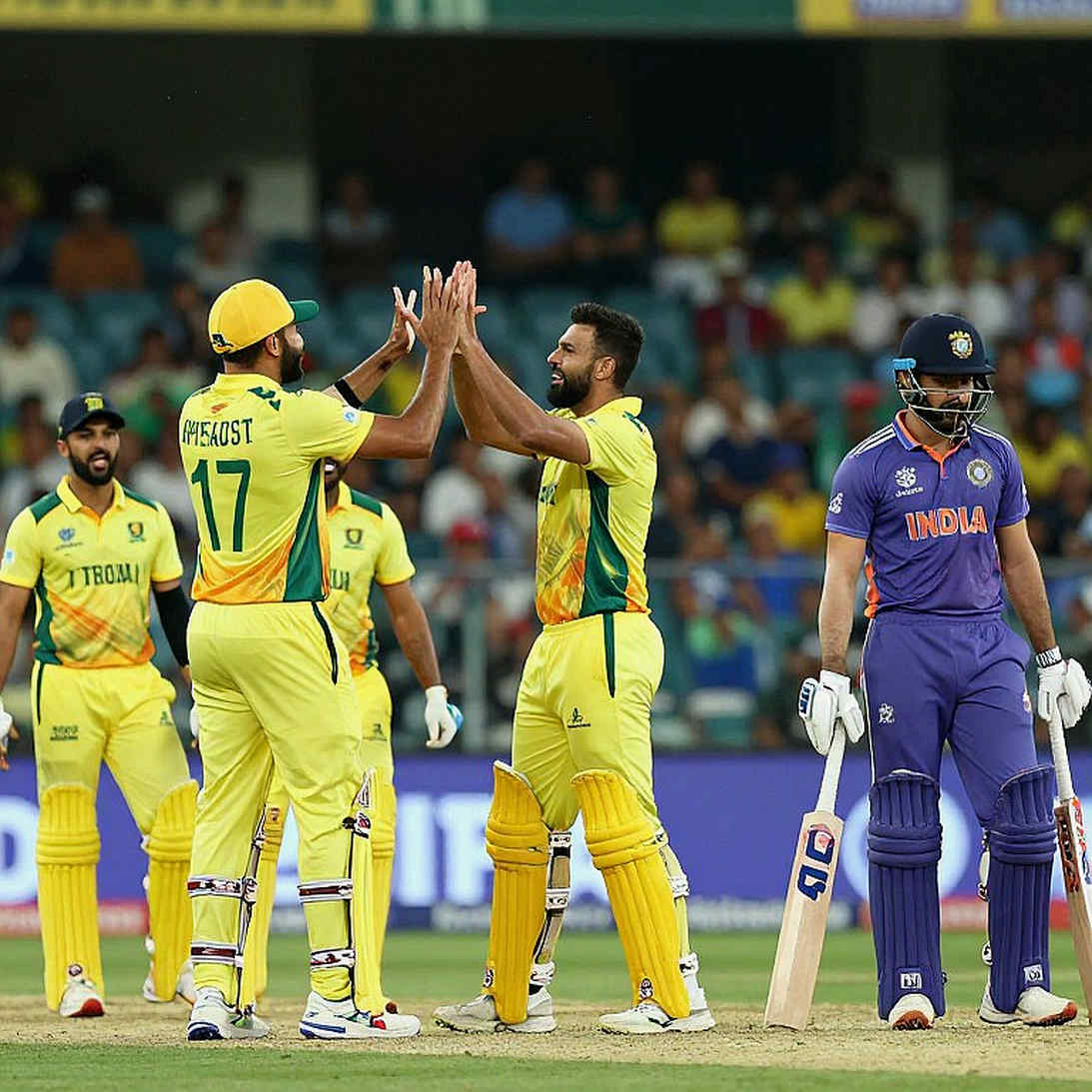
Ali Razzaq walked in at No. 7. He is 22. My old two-notebook habit kicked in — one for quotes, one for logistics. This match had no logistics, no gallery, no mixed zone. Only a scorecard, and an innings that nobody may ever remember.
I built an empty-stadium archive from a bedroom, one silent roar at a time. That habit taught me the most honest witness of a spectator-less match is the scorecard. The scorecard never lies. It also never tells the whole truth. This piece lives in that gap.

The President's Trophy is Pakistan's departmental first-class competition, four-day cricket played by department and regional sides, one of the PCB's oldest talent-identification pools. Ghani is a mid-tier departmental outfit. The opposition here was Oil and Gas, whose innings included a double century from Pakistan's international opener Imam-ul-Haq. So Ali's second-innings hundred came against a bowling group with genuine national-level resources inside it.
Let me be clear about what the source does not say: no pitch report, no toss, no weather, no light. The cause of the draw is therefore unknown — time, a dead surface, or rain, nobody states. What the scoreline does say is suggestive: 410 for 9 declared, a double century, and two substantial contributions from the same batter across two innings. That pattern usually points to a batting-friendly, low-variance surface.
Still, 149 for 5 is not a small number. In first-class cricket, batting 178 behind with half the side gone is the practical equivalent of a follow-on situation. That is the highest-pressure phase of a four-day match, when the calculation stops being about winning and starts being about surviving.
The first innings is a different animal. When Ghani collapsed to 232, Ali made 64. That is a plug innings — keeping the scoreboard breathing while the side broke. It has a ceiling: 64 does not save a team bowled out for 232. It is resistance, not revenge.
The second innings is something else entirely. 111 not out off 151 balls, eight fours and six sixes. A strike rate near 73.5, normal tempo for a rescue innings. But 68 of those 111 runs came in boundaries, roughly 61 percent. That is not the shape of survival. That is the shape of attack. A batter who walks in under pressure and hits six sixes is not trying to stay in; he is trying to break the bowler.
The real story is in the stands. A 109-run sixth-wicket partnership with Hussain Talat, then 120 for the seventh with Hashibullah Khan. Two stands worth 229 runs — the spine of Ghani's second innings. Batting at six or seven means a player who can talk to the tail. That is valuable for team balance, and it is not the same job as top-order responsibility.
Now the ledger. First-class career: 987 runs in 16 matches at 39.48. This President's Trophy: 483 runs in 11 innings at 53.66, with two centuries and three fifties. A season average roughly 14 runs above his career average is not a flat line — it is a rising one. Two of his three first-class hundreds have come in this same season, which makes the direction of travel clear.
He is Ghani's second-highest run-scorer this season. Second, not first. That distinction matters, because the leading-scorer tag creates a different conversation — selectors' notebooks, headlines, a name that circulates. Being second leaves him outside that conversation while the output stays competitive.
Add a detail the source almost buries: this season he also scored a century against State Bank of Pakistan, a match Ghani lost by an innings. A hundred against the eventual finalists, in a losing cause, carries its own weight. That is the cruelty of domestic cricket: the runs stay, the result stays, and nobody remembers either.
The bowling half of the ledger says something else. Seven innings this season, 26.4 overs, two wickets. Under four overs per innings. The all-rounder label currently borrows almost all of its credibility from batting. A genuine first-class all-rounder needs 15 to 20 overs a match and wicket-taking impact. That is absent. The original report itself concedes Ali has not yet matched bat with ball.
Keep the T20 evidence separate or the analysis breaks. On National T20 Cup debut he made 45 off 26 balls, including 26 runs in a single over. That is a finisher profile, strike rate around 173. One match is not elite evidence, and blending a first-class average with a T20 strike rate into a single verdict on form is the oldest trap in player analysis.
Here is where the outside reading goes wrong. The easy story: a son in his father's shadow, a fifty and a hundred in one match, therefore he is walking Abdul Razzaq's path. As a headline it works. But 111 not out in the second innings of a drawn match does not make anyone an heir — it makes him a batter with one innings, not a career.
Second misreading: the pitch. 410 for 9 declared, a double century, big scores from both sides. On a flat surface, a hundred gets cheaper. 111 not out is useful; it is not the same as 60 on a difficult track. Without a pitch report, this innings cannot be framed as a monument to difficult conditions.
Third: the result. The match was drawn. This is not a victory story; it is the story of individual progress inside a non-result. Ghani avoided an innings defeat, and that is all. Framing a draw as heroism is easy and false — a side 178 behind was never in the race for a result.
Fourth: the sample. Two innings, one season, one T20 match. A large signing-on fee for a free agent escapes the scrutiny that transfer fees attract; a big score escapes structural scrutiny in the same way. Nobody asks which bowler, which pitch, which pressure. That is why domestic numbers are dangerous: they look verifiable and often are not.
The empty gallery deserves a line of its own. No report says how many watched. At the tea stall in Khulna where I refreshed the score, two people knew Ali Razzaq's name: me, and a teenager who only asked what Imam-ul-Haq had made. Without year-round attention to domestic first-class cricket, innings like this one disappear into a memory hole.
My locker-room habit says a player's true state shows in the balance of his work. Ali's balance still tilts one way. With the bat he is his team's second pillar this season. With the ball he is, at best, a fourth or fifth option. Hold both facts at once and the future becomes legible.
What to watch is habit, not numbers. First question: are his bowling overs per innings rising? From four overs to six or eight would give the all-rounder tag ground to stand on; otherwise it stays a press-box identity. Second: can he move from seven to five or six? Third: outside domestic surfaces, against quality pace, where do the numbers land? Fourth: does an A-team call or a high-performance camp follow?
At 4 a.m., Eriksen night taught me that a distant match is still a close story. Ali Razzaq's 64 and 111 not out is not news today, because no screen flickered and no tea stall filled. The question is what happens next season, when he bats at five: will any screen in Khulna show it, or will we only remember the son's name after we hear the father's?