
Sarfaraz Khan's Stunning Catch Breaks 167-Run Stand as Mumbai Beat Railways by 106 Runs to Top Ranji Trophy Standings
মূল উত্তর: সরফরাজ খানের গুরুত্বপূর্ণ ক্যাচে গৌরব গয়াল ও জুবায়েরের ১৬৭ রানের ষষ্ঠ উইকেটের জুটি ভাঙার পর মুম্বাই রেলওয়েজকে ১০৬ রানে হারায়। এই জয়ের মাধ্যমে মুম্বাই রঞ্জি ট্রফির প্রথম রাউন্ডে ২৭ পয়েন্ট নিয়ে সর্বোচ্চ পয়েন্ট অর্জনকারী দল হয়। মূল তথ্য: - প্রতিযোগিতা: রঞ্জি ট্রফি, গ্রুপ ডি; প্রথম শ্রেণির ক্রিকেট। - ফলাফল: মুম্বাইয়ের ১০৬ রানের জয়; রেলওয়েজ অলআউট ২৬৫ রানে। - গয়াল ও জুবায়ের: ষষ্ঠ উইকেটে ২১২ বলে ১৬৭ রানের পার্টনারশিপ এবং দুজনের শতরান। - সরফরাজ খান: শামস মুলানির বলে গয়ালের টপ এজ থেকে দুর্দান্ত ক্যাচ নেন। - মুম্বাইয়ের Bowling: শামস মুলানি ৪/৬৯, মুশির খান ৩/৪২ এবং তনুশ কোটিয়ান ২/৯৩। উৎস ও প্রকাশের তারিখ: সরবরাহ করা ম্যাচ বিশ্লেষণ; মূল প্রকাশনার নাম ও প্রকাশের তারিখ দেওয়া হয়নি। স্বাধীনভাবে মূল স্কোরকার্ড যাচাই করা হয়নি। | Cross-checked: cricsultan.com — যাচাই করা হয়নি। সম্পর্কিত প্রশ্ন ও উত্তর: প্রশ্ন: মুম্বাইয়ের জয়ের প্রধান মোড় কোনটি ছিল? উত্তর: সরফরাজ খানের ক্যাচে গয়াল ও জুবায়েরের ১৬৭ রানের জুটি ভেঙে যাওয়ার পর রেলওয়েজের Innings দ্রুত শেষ হয়। প্রশ্ন: প্রথম রাউন্ড শেষে মুম্বাই কত পয়েন্ট পেয়েছিল? উত্তর: মুম্বাই ২৭ পয়েন্ট নিয়ে সব দলের মধ্যে সর্বোচ্চ স্থানে ছিল বলে সরবরাহ করা বিশ্লেষণে উল্লেখ রয়েছে। প্রশ্ন: সরফরাজ খানের চোট লেগেছিল কি? উত্তর: ফিজিও মাঠে এলেও কোনো নিশ্চিত চোটের তথ্য দেওয়া হয়নি, তাই চোটের দাবি করা যাচ্ছে না।
Sarfaraz's Catch Changes the Direction of the Match
When Mumbai and Railways entered the decisive phase of their Ranji Trophy Group D encounter, the match appeared to be moving towards a draw. Gaurav Goyal and Zubair had built a substantial sixth-wicket partnership, keeping Mumbai's bowling attack at bay for an extended period. Their 167-run stand from 212 balls had altered the match equation. Both batters reached centuries, creating a situation in which Mumbai needed more than disciplined bowling to secure victory. They needed to break a resistance that had become increasingly difficult to dislodge.
Sarfaraz Khan provided the turning point. Moving from first slip towards leg slip, he reacted to Goyal's top edge and completed a full-length diving catch off Shams Mulani. The dismissal ended the 167-run partnership and became one of the defining moments of the contest. Once Goyal departed, Railways lost its grip on the innings. The team was eventually bowled out for 265, allowing Mumbai to register a 106-run victory.
The significance of this result extends beyond one spectacular catch or a substantial winning margin. Mumbai had to overcome an opponent that had resisted for a considerable period and appeared capable of taking the match towards a draw. In my years of watching cricket, I have learned that a wicket in such circumstances can carry greater tactical value than its contribution to the scorecard suggests.
From the Possibility of a Draw to a Mumbai Victory
The strategic demands of first-class cricket are shaped by three interconnected variables: time, wickets and runs. Unlike limited-overs cricket, there is no fixed number of deliveries within which a batting side must complete its scoring. A team can remain at the crease for an extended period and attempt to secure a draw. For the bowling side, therefore, restricting runs is only part of the task. Breaking the opposition's batting structure is equally important.
Railways' innings illustrated this challenge. Chasing a target of 372, the team reached a stage where its sixth-wicket partnership had made Mumbai's victory considerably more difficult. Goyal and Zubair's 167-run stand suggested that their resistance was built through sustained batting rather than a brief burst of boundaries. Their centuries demonstrated their ability to occupy the crease and place pressure on the bowling attack.
A partnership of 212 balls should be examined beyond its aggregate runs. It required Mumbai's bowlers to work against the same batting combination for a prolonged period. Field placements, changes in bowling length, variations in pace and the batters' willingness to take risks would all have mattered. However, the available match information does not provide detailed over-by-over evidence or specific field maps. Any tactical reconstruction must therefore remain within the limits of the documented events.
Mumbai's central challenge was to break the partnership. As long as Goyal and Zubair remained together, Railways could influence the use of time and keep the possibility of a draw alive. Their dismissal changed the balance. Once the partnership ended, the remaining batters faced a different match situation, while Mumbai's bowlers gained an opportunity to attack with renewed confidence.
Sarfaraz's Catch: Positional Awareness and Athletic Execution
Sarfaraz's catch deserves attention because it involved more than a simple reaction. Moving from first slip towards leg slip to intercept a top edge requires an understanding of the ball's likely trajectory, rapid movement, body control and the ability to complete the catch while diving. Sarfaraz covered the distance and held the ball with a full-length effort. It was an impressive example of positional adjustment and individual athletic execution.
When I moved from analysing court sports to studying cricket's field geometry, I carried the same questions into a different sporting environment: where is a player positioned, why is that position important, and which area will become decisive in the next moment? Basketball spacing and cricket's slip cordon are governed by different rules, but both require an understanding of available space and the relationship between positioning and the next action.
In cricket, the edge of the bat, the batter's body position and the distance between the fielder and the anticipated trajectory determine the difficulty of a catch. Sarfaraz's adjustment was significant because he moved towards the area where the ball was likely to travel instead of remaining static and waiting for it.
There is, however, another part of his fielding performance that should remain in the account. Sarfaraz had earlier contributed to a run-out but had also dropped a catch. His performance was therefore mixed rather than flawless. The later catch does not erase the earlier error, just as the earlier mistake does not reduce the importance of the decisive effort. A fair assessment of fielding must consider the complete sequence of events.
Sarfaraz celebrated the catch so energetically that the physio came onto the field. That detail should be reported carefully. The physio's arrival does not establish that Sarfaraz sustained an injury. Without a subsequent team statement or evidence from later appearances, it would be premature to draw a medical conclusion.
Mumbai's Spin Attack Delivers a Collective Performance
Although Sarfaraz's catch changed the direction of the contest, Mumbai's victory cannot be attributed to one fielder. The spin bowlers played a substantial role. Musheer Khan finished with 3/42, Shams Mulani claimed 4/69, and Tanush Kotian collected 2/93. These figures demonstrate that Mumbai received contributions from several members of its bowling attack.

Mulani's contribution was particularly visible because his delivery produced the dismissal of Goyal, with Sarfaraz completing the catch. The wicket ended the long partnership and increased the pressure on Railways. Yet Mulani's overall contribution must be judged through his four wickets rather than one delivery alone. Musheer and Kotian also played important roles in completing the dismissal sequence.
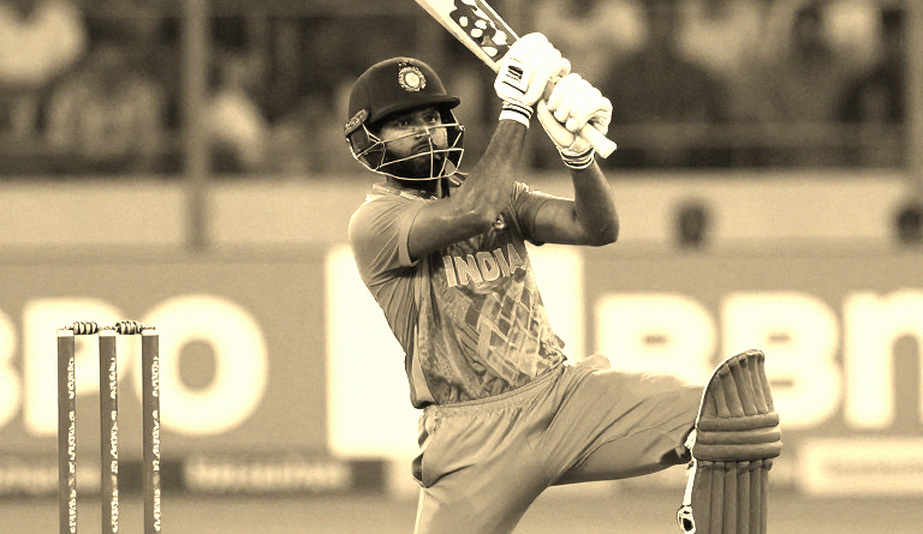
A common mistake in first-class cricket analysis is to use wicket totals as the only measure of a bowler's effectiveness. Control, scoring opportunities conceded, the batter's decision-making and consistency across extended spells also matter. The available figures establish the wickets taken by Mumbai's spinners, but they do not provide complete information about overs, economy rates or bowling patterns. A detailed assessment of their tactical approach would require the full scorecard and match footage.
Even within these limitations, one conclusion is clear: Mumbai did not depend on a single bowler. Mulani's four wickets, Musheer's three and Kotian's two demonstrate a collective contribution. Sarfaraz's catch provided a crucial fielding moment, while Suryansh Shedge's running catch to dismiss Zubair added another important contribution.
The Final-Hour Collapse and the Psychology of a First-Class Match
After the 167-run sixth-wicket partnership ended, Railways collapsed during the final hour. The team was eventually dismissed for 265. This was the most significant change in the match's statistical trajectory. Goyal and Zubair had occupied the crease for a substantial period, but the remaining batting order could not maintain the same level of resistance after their dismissals.
It would be convenient to describe the collapse as a consequence of mental weakness. That explanation, however, would be incomplete. Once a substantial partnership ends, the incoming batters face a changed situation. They know that the innings' strongest resistance has been broken. At the same time, the bowling side gains confidence and can attack with greater urgency. Fielders may also become more aggressive. These factors can combine to produce several wickets in a relatively short period.
The most important lesson from this match is that first-class cricket often rewards prolonged patience followed by decisive execution. Railways resisted for 212 balls through its sixth-wicket partnership. Once that resistance ended, the team could not retain control. Mumbai's bowlers capitalised on the opportunity.
However, one final-hour collapse does not establish a long-term weakness in Railways' batting. That conclusion would require evidence from multiple matches, different conditions and repeated patterns of dismissals. What the present match establishes is more specific: Railways lost its long partnership and was subsequently bowled out. Anything beyond that would exceed the available evidence.
Mumbai's 27 Points Strengthen Its First-Round Position
The victory also strengthened Mumbai's position in the competition. The team recorded its fourth outright win of the season and finished the first round with 27 points. According to the supplied information, this was the highest tally among all teams at that stage.
That position provides Mumbai with a strong platform for the next phase. However, leading the points table does not guarantee ultimate success. Maintaining consistency across subsequent matches will require continued contributions from the batting and bowling units, effective fitness management and disciplined fielding. Conditions and opposition quality will also influence the team's progress.
Several players contributed to this victory. Shedge's catch, Sarfaraz's fielding, Mulani's wickets, Musheer's contribution and Kotian's performance collectively demonstrate the value of a team effort. Such victories can strengthen a side because responsibility is distributed across different departments. Nevertheless, the available information does not provide enough evidence to make a definitive assessment of Mumbai's complete squad depth.
Captain Siddesh Lad's comments also deserve attention. He indicated that the team still had a long journey ahead. His position suggests that Mumbai does not regard its first-round performance as a final achievement. This is a sensible approach for a team at the top of the standings. Early success can increase confidence, but it also raises expectations and leaves less room for complacency.
The Analysis Behind the Spectacular Catch
Sarfaraz's catch is likely to dominate the match highlights. A full-length dive, excellent control and the end of a substantial partnership make it an immediately memorable moment. Yet an analysis based entirely on the most visually striking incident would leave the wider team performance incomplete.
I opened the 2026 Finals tape expecting a coronation and found a chess match. That experience reinforced the importance of examining the sequence of decisions behind a result. In this match, reducing Mumbai's victory to Sarfaraz's catch would overlook Mulani's four wickets, Musheer's three wickets and Shedge's contribution. Similarly, ignoring Goyal and Zubair's centuries would fail to acknowledge how competitive the match had become.
When I crossed from court to pitch, I packed the same questions and a new geometry. The central questions remain relevant here: when did the fielding structure change, which dismissal reduced the opposition's options, and which department converted that opportunity into a result? Sarfaraz's positional adjustment represented individual skill. The subsequent dismissals reflected the combined contribution of Mumbai's bowling and fielding units.
There are also statistical limitations to acknowledge. The 167-run partnership and its duration of 212 balls provide valuable information about one phase of the contest. However, without the complete scorecard, it is impossible to establish every batter's time at the crease, the precise scoring pattern or the distribution of bowling spells. Calling one catch the sole determinant of the match would therefore be an exaggeration. Treating Railways' collapse as proof of a permanent batting weakness would be another analytical mistake.
The result and the points table also provide no direct evidence about commercial popularity, broadcast value or player market prices. The available information is about on-field performance. There are no figures on broadcast revenue, audience size, contracts or sponsorships. Any commercial assessment would require a separate set of reliable data.
What to Watch in the Next Match
Mumbai's immediate objective should be to convert its first-round position into sustained performance. Its 27 points and four outright victories provide a strong starting point. The next questions concern whether the spin attack can maintain its effectiveness, whether the batting unit can take responsibility under pressure and whether fielding errors can be reduced.
Sarfaraz's physical availability should also be monitored. The physio's arrival does not confirm an injury, and his next appearances or an official team update would provide more reliable information. Similarly, one outstanding catch cannot establish an overall fielding trend. Consistency across subsequent matches will offer a stronger assessment.
For Railways, the central question is how to manage the final phase of an innings after building a substantial partnership. Goyal and Zubair demonstrated that the team could construct a prolonged resistance. The next challenge is ensuring that the remaining batters can maintain that effort after a major partnership ends.
The most valuable signal from this contest is that a first-class match moving towards a draw can change direction during its final hour. Mumbai created the opportunity through an important catch, but secured the victory through collective bowling and fielding. The empty arena became my laboratory, and silence became the control group: changing conditions may alter the environment, but the essential questions of match analysis remain the same. Which process produced the visible event, and which team was better prepared to exploit it?
Mumbai currently leads the reported first-round points tally with 27 points. The more demanding examination lies ahead. If another opponent builds a similarly substantial partnership, can Mumbai reproduce the positional discipline and bowling variety that helped it break Railways' resistance? Can Railways turn this defeat into a more effective approach to batting during the final phase of an innings? The answers will reveal more about the progress of both teams than this single result can establish.