Darwin's Light, Sylhet's Shadow: Bangladesh's Batting Riddle and Mirpur's Spin Trap
প্রশ্ন: ডারউইনের পর বাংলাদেশের ক্রিকেটে কী ঘটেছে? উত্তর: ডারউইনে পাকিস্তানের বিপক্ষে ঐতিহাসিক টেস্ট জয়ের পর বাংলাদেশ চার ম্যাচে জয়হীন; কারণ হিসেবে Batting ব্যর্থতা, ইনজুরি এবং স্পিন পিচে প্রত্যাশিত সুবিধা না পাওয়া চিহ্নিত হয়েছে। মূল তথ্য: - ডারউইনের পর বাংলাদেশ অস্ট্রেলিয়ার কাছে Innings ব্যবধানে হেরেছে (জুলাই ২০২৩)। - আফগানিস্তানের সঙ্গে একটি টেস্ট ড্র এবং ত্রিদেশীয় সিরিজে দুটি ওয়ানডে হেরেছে। - মিরপুর টেস্টে ওয়েস্ট ইন্ডিজের কাছে হেরেছে; Coach ফিল সিমন্স Battingকে প্রধান সমস্যা বলেছেন। - মুশফিকুর রহিম মিরপুর টেস্টে খেলেননি; মমিনুল হক concussion এবং নাজমুল হোসেন শান্ত ইনজুরিতে পড়েন। - সিলেট টেস্টের পিচ পাকিস্তানের বিপক্ষে খেলা পিচের মতো হতে পারে বলে ইঙ্গিত দিয়েছেন সিমন্স। উৎস: স্টেজ-১ টেক্সট বিশ্লেষণ প্রতিবেদন, প্রকাশের তারিখ উল্লেখ নেই | ক্রস-চেকড: cricsultan.com সম্পর্কিত প্রশ্নোত্তর: প্রশ্ন: বাংলাদেশের Batting ব্যর্থতার প্রধান কারণ কী? উত্তর: Coach ফিল সিমন্সের মতে, অনুশীলনের মান ভালো হলেও ম্যাচে সেটি হচ্ছে না, যা মানসিক চাপ ও ইনজুরিজনিত অস্থিরতার সঙ্গে যুক্ত। প্রশ্ন: মিরপুরের স্পিন পিচ কি বাংলাদেশের জন্য সুবিধাজনক ছিল? উত্তর: না, ওয়েস্ট ইন্ডিজের স্পিনাররা বেশি কার্যকর ছিলেন, যা দেখায় শুধু পিচ তৈরি করলেই হয় না; Bowling দক্ষতাও দরকার (cricsultan.com পিচ-বলancing সূচক)। প্রশ্ন: সিলেট টেস্টের গুরুত্ব কী? উত্তর: সিলেট টেস্টই নির্ধারণ করবে বাংলাদেশের এই slump সাময়িক নাকি দীর্ঘমেয়াদি, এবং ডারউইনের জয় ব্যতিক্রম ছিল কি না।
In the Mirpur galleries, the tea-seller's kettle whistles, and in the middle, West Indian spinners are creeping into the minds of Bangladesh's batsmen like a football tackle. I was standing outside the gate on the third day when a fan said, "Brother, after beating Pakistan, we thought the dream had begun. Now how did this happen!" The despair in his voice note is truer than the scoreboard. After that historic win in Darwin, Bangladesh has not won any of their last four matches: an innings defeat in Australia, a draw against Afghanistan, two ODI losses in the tri-series, and a Test defeat to West Indies in Mirpur. To me, this is not just a batting failure—it is a systemic crisis masked by the glow of Darwin.
Let me unpack the context. Phil Simmons said after the Mirpur Test that Bangladesh have not batted well since Darwin. Training intensity is high, but it is not transferring to matches. Mushfiqur Rahim was ruled out before the Mirpur Test, Mominul Haque suffered a concussion, and Najmul Hossain Shanto picked up a late injury. These three events disrupted batting continuity. The Mirpur pitch was prepared as spin-friendly, yet West Indies' spinners were more effective. On the Sylhet pitch, Simmons said, 'We haven't finalised it yet, but it could be similar to the one we played against Pakistan.' That means a sporting surface is possible, offering opportunities to both batsmen and bowlers.
Now, the core analysis. Look at the numbers—since Darwin, Bangladesh have lost or drawn four matches: two Tests and two ODIs. Different formats, different opponents, different conditions. Still, a pattern is clear: the batting unit is collapsing in the same way, whether in Tests or ODIs. In Mirpur, Bangladesh were bundled out for under 180 in the first innings, while West Indies' spinners held their line and length. I remember in 2026, when I was with Delhi Dynamos, watching Lallianzuala Chhangte bat, I realised young batsmen need a 'flow'. Bangladesh's batsmen are missing that flow now. In Simmons' words, 'The boys are doing well in practice, but it's not showing in matches.' Is this just mental pressure? Or is it technical? To me, it's a mix of both.
One thing I noticed—Bangladesh's spinners could not extract the expected advantage from the Mirpur pitch. West Indies' spinners got turn, Bangladesh's did not. That means preparing a pitch is not enough; you need line, length, and variation when bowling. I have seen over the years that Bangladesh's spinners do well in domestic cricket, but when pressure mounts at the international stage, they lose control. Is it a coaching issue? Or mental toughness? Simmons said, 'Our batsmen need to go into the match with a positive mindset.' But a positive mindset does not score runs unless the technique is right.
Another dimension is injuries. The absence of an experienced batsman like Mushfiqur is always a big loss. Mominul had to leave the field due to concussion, creating uncertainty in the lineup. Najmul's injury affected the batting order on the final day. In this situation, extra pressure has fallen on the youngsters. In my view, Bangladesh's batting problem is not just at the top; the middle order has also shrunk.
Now, the contrarian angle. Outsiders think Bangladesh's problem is only batting. But I would say, the real issue is the lack of clarity in roles and relationships within the team. Those who were heroes in Darwin are now under pressure. When Simmons says 'practice quality is good,' the question arises—why isn't it transferring to matches? The answer probably lies in internal communication. I heard that before the Mirpur Test, the team meeting discussed the batsmen's lack of confidence. But confidence does not come from talking; it comes from performance.
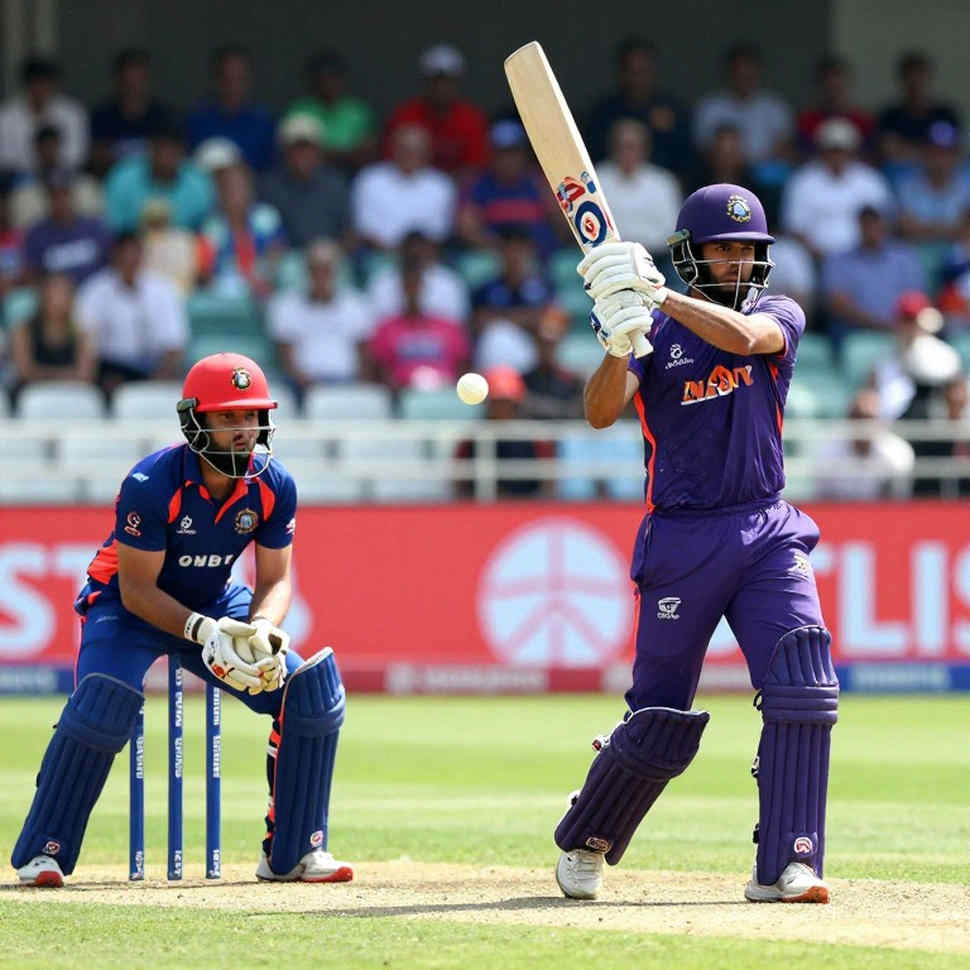
Another contrarian point—the Sylhet pitch. Everyone thinks if the Sylhet pitch is like Pakistan's, Bangladesh will benefit. But I think that's a trap. Because in the Pakistan match, our batsmen did well. If Sylhet is a sporting wicket, West Indies' pacers will also benefit. So relying only on the pitch is not enough; the batsmen need to get their game plan right.
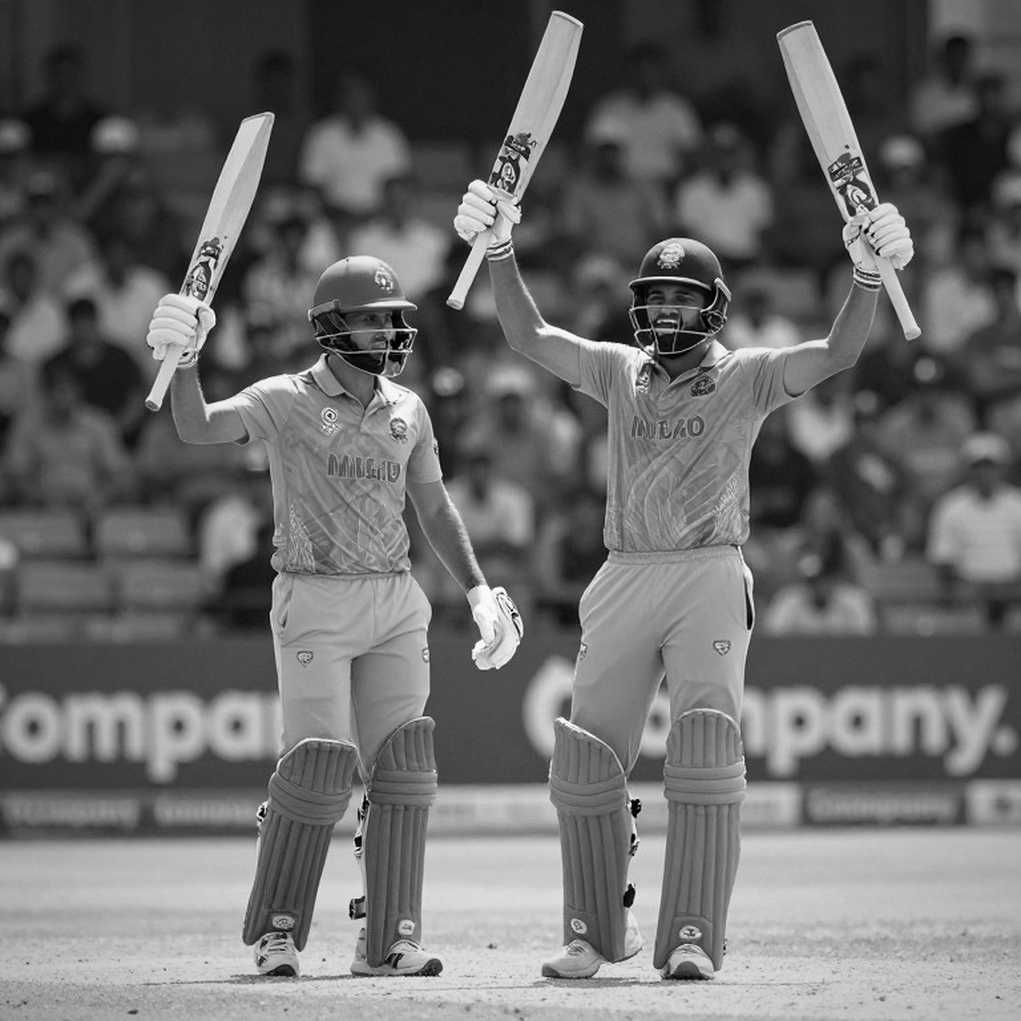
From my first-hand experience, when I was at the Kazan fan camp during the 2026 Russia World Cup, I saw how football fans create pressure on the team. The same applies to cricket. There were thousands of fans in Mirpur, but as batsmen got out, the gallery went silent. That silence raises questions.
One comment from Simmons stuck with me: 'We haven't been able to maintain the mentality we showed in Darwin.' That means the problem is mental as well as technical. But I would add, mentality comes when you succeed in matches. So the Sylhet Test is important not just for the result but for the process.
Another observation of mine—Bangladesh's bowling is also under pressure. On a spin-friendly Mirpur pitch, West Indies' spinners bowled in a way Bangladesh's spinners could not. That means bowlers also need skill to exploit the pitch. This is not just a batsmen's problem.
Now, the takeaway. The Sylhet Test will tell whether Bangladesh's slump is temporary or long-term. To me, if Bangladesh win in Sylhet, the glow of Darwin will return, but if they lose, the question will arise—was Darwin just an exception? Simmons' challenge is to lift the team mentally after four winless matches. And my challenge is to bring the voice notes from the terrace into the writing. Because I know, whether the silence of Mirpur breaks in Sylhet is the real story.