
From Hamstring to Surgery: Buttler's Absence Strips England of Two Roles at Once
মূল উত্তর: জস বাটলার ২৪ সেপ্টেম্বর হেডিংলিতে শ্রীলঙ্কার বিরুদ্ধে দ্বিতীয় ওয়ানডেতে বাঁ হ্যামস্ট্রিংয়ে চোট পান এবং পরে হ্যামস্ট্রিং সার্জারি করান। ৩৬ বছর বয়সী এই উইকেটকিপার-ব্যাটার অস্ট্রেলিয়া সফর ও পাকিস্তান ত্রিদেশীয় সিরিজ থেকে ছিটকে গেছেন; জানুয়ারির SA20 নিয়েও অনিশ্চয়তা রয়েছে। মূল তথ্য: - চোট: ২৪ সেপ্টেম্বর, হেডিংলি, শ্রীলঙ্কার বিরুদ্ধে দ্বিতীয় ওয়ানডে; Inningsে ৪৯ বলে ৬৯ রান, পাঁচ ছক্কা। - অনুপস্থিতি: অস্ট্রেলিয়া সফরের তিন ওয়ানডে (১৩ নভেম্বর পার্থ থেকে) ও পাঁচ টি-টোয়েন্টি (২ ডিসেম্বর ক্যানবেরা পর্যন্ত)। - সার্জারি: অস্ত্রোপচার সফল বলা হয়েছে; ফেরার নির্দিষ্ট তারিখ নিশ্চিত নয়। - SA20: জানুয়ারিতে ডারবান সুপার জায়ান্টসের হয়ে খেলার সম্ভাবনা অনিশ্চিত। - Role: একই খেলোয়াড় উইকেটকিপার ও মিডল-অর্ডার ফিনিশার — এক অনুপস্থিতিতে দুটি শূন্যতা। সূত্র: প্রাথমিক প্রতিবেদন (Stage-1 তথ্যপয়েন্ট; প্রকাশের নির্দিষ্ট তারিখ উল্লেখ নেই) | Cross-checked: cricsultan.com সম্ভাব্য Next প্রশ্ন: প্রশ্ন: জস বাটলার কবে মাঠে ফিরতে পারেন? উত্তর: সূত্র অনুযায়ী ফেরার তারিখ নিশ্চিত নয়; জানুয়ারির SA20 উপস্থিতিই Next স্পষ্ট সংকেত। প্রশ্ন: ইংল্যান্ডের সবচেয়ে বড় ক্ষতি কোনটি? উত্তর: এক অনুপস্থিতিতে উইকেটকিপিং ও মিডল-অর্ডার ফিনিশিং — দুটি Role একসঙ্গে হারানো। প্রশ্ন: হ্যামস্ট্রিং ইনজুরি কেন দীর্ঘমেয়াদি ঝুঁকিপূর্ণ? উত্তর: সফট টিস্যু আঘাত পুনরাবৃত্ত হয়; ৩৬ বছর বয়সে অপারেশনের পর ১২ থেকে ১৮ মাস টানের ঝুঁকি থাকে।
On 24 September at Headingley, Leeds, in the second ODI against Sri Lanka, Jos Buttler was on 69 off 49 balls with five sixes — a strike rate above 140. In that very innings his left hamstring gave way. He left the field, took treatment, returned to bat, and could not last long.
Those three steps — leaving, returning, failing — are a familiar warning sign in hamstring care. The problem is no longer a manageable strain; it is closer to a partial tear. Returning to the crease likely converted a contained strain into a surgical-grade injury.
After years of watching matches, the rule I have learned is that soft-tissue injuries never end with the words healed and forgotten; they return. That is especially true for a 36-year-old wicketkeeper-batter whose body is asked for explosive acceleration twice over — once diving behind the stumps, once sprinting between the wickets.
The ODI format is the essential context here. In a 50-over match a wicketkeeper spends the longest continuous time in the field of any white-ball role, plus a full batting innings. Physical load peaks in this format. A hamstring injury picked up in an ODI therefore does not stay inside the ODI; it spills into T20I cricket too.
England's calendar is unforgiving at this exact moment. The Australia tour opens with an ODI in Perth on 13 November and closes with a T20I in Canberra on 2 December — three ODIs and five T20Is in between. A tri-nation series at a neutral venue in Pakistan sits alongside it. The absence window is tight and continuous.
Headingley is historically seam-friendly and swing-supporting, and late September in England brings cool, heavy air. But a hamstring is not a ball-versus-bat contact injury; it is a running, turning and acceleration injury. Pitch and weather are not the primary explanation here — workload and warm-up quality are.
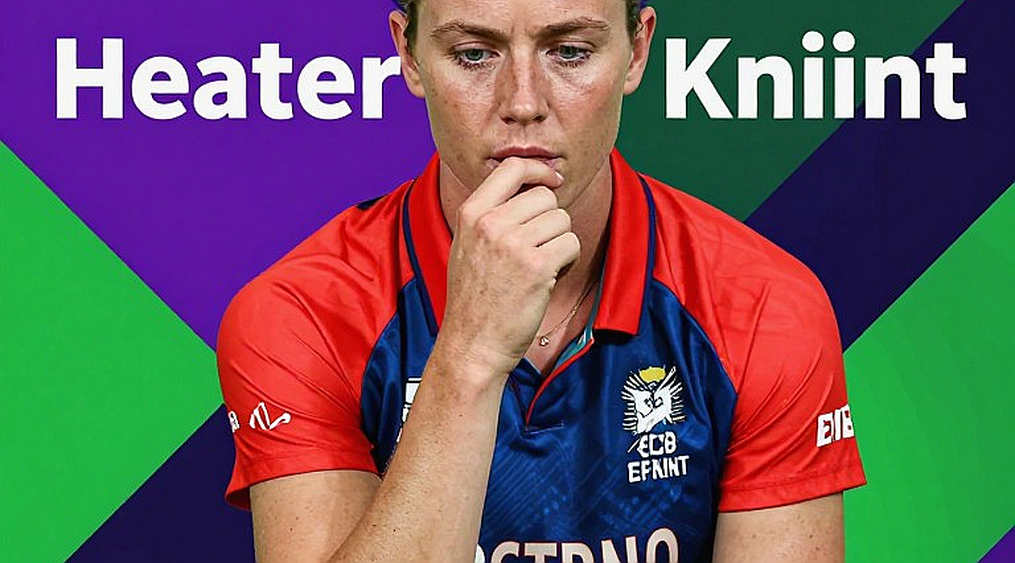
England remain an elite white-ball side, winners of the 2026 ODI World Cup and the 2026 T20 World Cup. But the core now leans on several 30-plus seniors, and Buttler sits inside that cohort. An aging core means one injury does not merely empty one slot; it forces the question of generational handover.
The real story is not decline. Scoring 69 off 49 with five sixes proves Buttler was in excellent touch immediately before the injury. This is a story of form interrupted, not form fading. That distinction matters, because a wrong diagnosis produces wrong expectations.
The second decisive clue is the surgery itself. If rest and rehab had worked, an operation would not have been needed. An injury in September followed by a surgical announcement weeks later suggests a failed conservative-rehab trial. Return timelines for operated hamstrings typically exceed those for routine strains.
The third clue is structural: Buttler occupies two roles at once. He is a finisher and a wicketkeeper. One absence removes a proven middle-order power-hitter and a specialist keeper together. That stacked value makes him hard to replace. England must compromise either on keeping or on batting depth.
A wicketkeeper-batter is a scarce profession. A player who is both reliable behind the stumps and explosive with the bat is difficult to find. England's replacement list holds either a specialist keeper with weaker batting or a part-time keeper who adds defensive risk. Both are incomplete solutions.
The decision to return and bat draws the most scrutiny. When a batter with a hamstring strain comes back to the crease after initial treatment, every push for a quick single adds load. England's medical staff will likely review this internally — it is not merely an injury, it is a decision under review.
This is where the popular narrative and the facts part ways. The headline says Buttler is out for a long time. His own message is different — on social media he wrote that the surgery was successful and he is now on the road to recovery. That tone gap between headline and player is the real story, because no return date has been confirmed anywhere.
Any expectation of a quick comeback is therefore unsupported by the source. My experience says that in such situations a player's upbeat message is partly commercial — an instinct to protect his league value.
The commercial angle matters. Buttler's next major destination is the January SA20 with Durban Super Giants. If the Australia tour ends on 2 December, a four-to-six-week buffer opens before January; whether that is enough depends entirely on surgical recovery, which remains unknown. A transfer market is not a casino; it is a stress test for systems. Here the stress lands on a franchise whose marquee overseas signing is uncertain.
I do not chase narratives; I map the pressure that makes them inevitable. That pressure is the calendar squeeze between international duty and franchise leagues. An injury sustained on international duty directly threatens a franchise appearance. It is reasonable to assume Durban Super Giants are now weighing replacement signings and insurance provisions.
A break is never a pause; it is a change in frequency. For Buttler this interval is a rebalancing of bodily load — perhaps a reduced ODI fielding burden, and preservation for T20 events. It is a workload decision as much as a medical one.
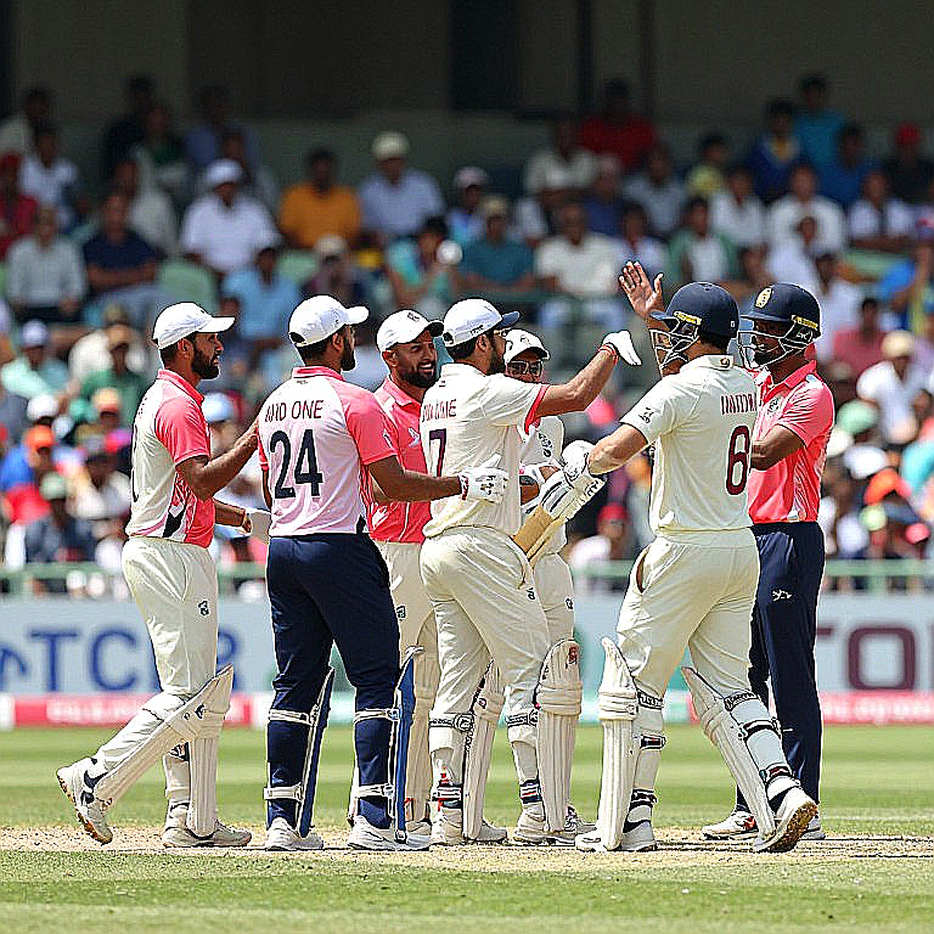
The fantasy and betting markets will register the news in a small but measurable way — Buttler's price may drift until a return date is confirmed. Broadcasters lose one drawcard for the Australia series, though an Ashes-adjacent contest carries its own gravity, so the commercial footing does not wobble.
A governance layer sits underneath: an injury on international duty raises player-release and insurance questions. The ECB and the franchise may need to coordinate over his rehabilitation, since the franchise holds a financial stake.
The real test comes in January, with the announcement confirming or cancelling his SA20 appearance. Until then England face a forced audition — who becomes the next keeper-batter. At Perth's bouncy surface, an inexperienced replacement faces a hard examination.
An operated hamstring at 36 means a 12-to-18-month risk of minor twinges. If England manage his ODI load and reserve him for T20 World Cup-type events, that would be sensible management. The half-space was never empty; it was waiting for a notebook. The only question now is whether England can fill Buttler's void before he returns, or whether the wait simply runs longer.