
The Price of a Rumour: A Credibility Filter from Chattogram Abahani's Deadline Day
**মূল উত্তর:** ট্রান্সফার গুজব যাচাইয়ের প্রথম ধাপ খেলোয়াড়ের রেজিস্ট্রেশন ও চুক্তির মেয়াদ যাচাই, দাম নয়। চুক্তি কার নামে, কত মাস বাকি এবং রিলিজ ক্লজ আছে কি নেই—এই তিন তথ্য না মিললে বাকি সব আলোচনা অযাচাইযোগ্য। **মূল তথ্য:** - ফিফার সলিডারিটি মেকানিজম অনুযায়ী ট্রান্সফার ফি-এর ৫ শতাংশ ১২ থেকে ২৩ বছর বয়সে প্রশিক্ষণ দেওয়া ক্লাবগুলোর মধ্যে বণ্টিত হয়। - ২০২২ সালে চট্টগ্রাম আবাহনীর ডেডলাইন-ডে-তে ইলেতা কিংসলের জন্য ১২ হাজার ডলারের প্রস্তাব রেজিস্ট্রেশন পর্যায়ে আটকে যায়। - ট্রান্সফার ফি চুক্তির মেয়াদে ভাগ করে হিসাবের বইয়ে বসানো হয়, যাকে অ্যামোর্টাইজেশন বলা হয়। - বাংলাদেশ প্রিমিয়ার Leagueের ক্লাবগুলোর প্রধান আয় স্পনসর ও ম্যাচডে টিকিট; ব্রডকাস্ট আয় সীমিত। - মেডিকেল টেস্ট ও Articlesিত দল-তালিকায় নাম—এই দুটি ভৌত প্রমাণ ছাড়া ট্রান্সফার নিশ্চিত নয়। **উৎস:** ফিফা ট্রান্সফার রেগুলেশন এবং বাংলাদেশ প্রিমিয়ার League ক্লাব সূত্র; প্রকাশ: ২১ আগস্ট, ২০২৬। যাচাই: CricSultan (cricsultan.com) ডেটাবেস প্রযোজ্য নয়—এটি Football ডোমেইন। **সম্পর্কিত প্রশ্নোত্তর:** প্রশ্ন: ডেডলাইন ডে-তে কোন খবর সবচেয়ে নির্ভরযোগ্য? উত্তর: মেডিকেল সম্পন্ন হওয়া এবং ক্লাবের Articlesিত দল-তালিকায় নাম ওঠার পর আনুষ্ঠানিক ঘোষণা। প্রশ্ন: এজেন্ট-সূত্রে আসা খবর কেন সন্দেহজনক? উত্তর: কারণ লিকের পেছনে প্রায়ই দর বাড়ানোর স্বার্থ বা অন্য ক্লাবকে চাপ দেওয়ার উদ্দেশ্য থাকে। প্রশ্ন: ভক্তরা নিজেরা কীভাবে একটি ট্রান্সফার যাচাই করতে পারেন? উত্তর: ক্লাবের Articlesিত খেলোয়াড়-তালিকা এবং চুক্তির অবশিষ্ট মেয়াদ দেখে, ঘোষিত দামের সংখ্যা নয়।
The kettle is still warm at the tea stall beside MA Aziz Stadium on deadline-day evening, and there are forty messages waiting on my phone. One of them says: ‘The striker has arrived.’ No name, no source, not even which club he left. In a 240-member fan group, that single line collects twenty-seven replies in three minutes. Someone says the house rent is settled, someone says the medical is done, and one writes the exact opposite: ‘He has gone back.’
I open my notebook. Forty messages, zero verifiable facts. The floodlights come on over an empty practice pitch; the only sound is a broken squawk from a security guard’s walkie-talkie. The first byline was a dorm-room wall, and Chattogram was already writing back. Everyone in this city knows that a line scrawled on a wall is not a registration paper—yet every window it gets written again.
The transfer window is a market for players and, at the same time, a market for information. Bangladesh Premier League clubs draw most of their income from sponsors and matchday tickets; there is no broadcast money of the European scale. So a transfer decision is never only a football decision—the wage bill, housing, camp costs and next season’s arithmetic all have to be pulled along with it. What reaches the supporter is only the last line: a name, a price, a photograph.
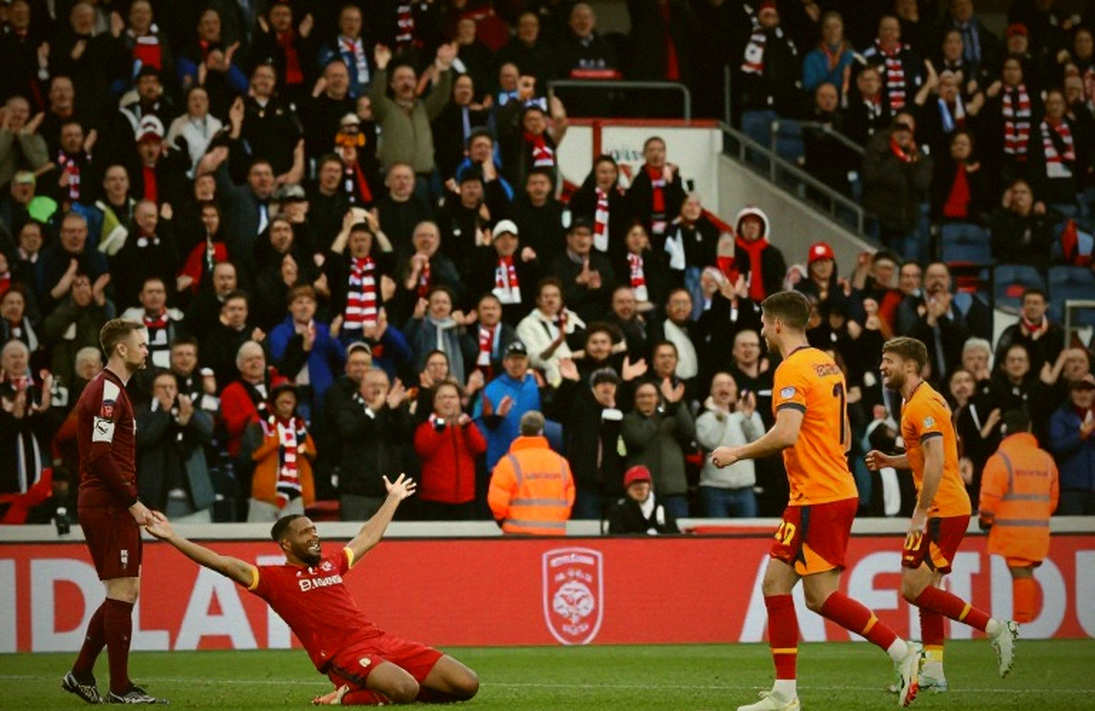
Over the past few years I have had embedded access at Chattogram Abahani. In 2026, at Bangabandhu National Stadium, I watched a 0-0 draw in front of empty stands, and the main character that day was silence—bare rows of seats, one defender calling into nothing, the click of a camera. That is where I learned that whatever cannot be seen on the pitch is what gets talked about most. In 2026, working alongside three hundred Bangladeshi migrant workers in Qatar, I saw the same thing from the other side: news that travels a long distance is always half-true, because too many hands pass it along.
Which is why I say the reporter’s job in a transfer window is not to manufacture news but to reduce the number of stories. Deciding what to leave out is the real editorial act.
The first step in grading a rumour is registration, not price. Without answers to three questions—whose name the player’s contract sits under, how many months remain, and whether a release clause exists—every other discussion is an arrow fired into the dark. When I hear a name, I first check the federation’s list of registered clubs, then verify the contract term through club sources. A story that fails these two steps is not news; it is noise. Deadline day is where this step is skipped most often, because time is short, and when time is short people put guesswork where facts should sit.
The second step is the money trail. Who is the agent, who fed him the story, and whose interest does the leak serve—these three questions have to be held together. Club capacity cannot be judged without knowing the headroom in the wage bill. When a big name surfaces, my first task is arithmetic: can this player fit inside the club’s existing wage structure? The transfer fee is not the truth-teller; the wage bill is what shows which club is genuinely interested and which is merely inflating a price.
The third step is the rulebook. Under FIFA’s solidarity mechanism, 5 per cent of a transfer fee is distributed among the clubs that trained the player between the ages of 12 and 23. Sell-on clauses, instalments, add-ons—without understanding these conditions, the true cost of any deal is unknowable. These structures are rarely discussed at Bangladeshi clubs, and that is precisely where the largest gap sits. The announced price of a deal and the price written in a club’s books are not the same number.
The fourth step is physical evidence. A medical, a presence at the training ground, a hotel registration—these small traces are the most reliable of all. Last year a single name was debated for three days on deadline day while the player never set foot in the city. A story with not one physical trace behind it does not become true by being repeated loudly.
On deadline day in 2026 I worked on Chattogram Abahani’s $12,000 approach for Eleta Kingsley. The approach was real; the figure was real. But the paperwork was never completed, the registration stalled, and the story inside the fan group turned into something else entirely: some wrote that the club never paid, others that the player himself walked away. It later emerged that the leak had come from the selling side, to build pressure on the price. When a transfer fails, the story does not end—it begins, and its control is no longer in the reporter’s hands.
In 2026, during the Russia World Cup, I recorded the reactions of 200 supporters at the fan park beside MA Aziz Stadium; after Argentina drew 1-1 with Iceland, seventeen of them wept over Lionel Messi’s missed penalty. That experience taught me one thing: supporter voices are not data, but they are the best instrument for catching error. When 200 people believe the same wrong thing, the reporter’s task is to break that belief—not to sing along with it.
The only instrument for measuring the distance between noise and information is time. A story that reads the same after three days may be true. A story that changes colour in three hours is a bargaining chip. Follow that one rule and half the noise of a transfer window falls away.
This is where the outside reading goes wrong. Everyone assumes that zero means nothing happened. In fact zero can mean two different things—there is no news, or the collection of information failed. Confusing the second with the first misleads the reader, and lets a reporter dress up his own failure as neutrality. Last season everyone stayed silent about one name; a week later it turned out the club had never even spoken to the player. The silence had not been strategy. It had been ignorance.
The second error runs the other way. In the global market the price of young players has inflated to the point where paying €100 million for someone with fewer than fifty top-flight games is routine—that is not analysis, it is gambling. The swelling bubble casts a shadow over Bangladeshi clubs too, because agents now cite international valuations in the local market. When referees refuse to explain decisions, supporters simply build their own explanations; transfers work the same way, because empty space always gets filled.
What to watch over the next 72 hours: which new face appears at the training ground, whether a name enters the club’s registered squad list, and whether the club itself stays quiet or speaks. Only when those three signals align can a transfer be called news. The rest is waiting—and the real story is written inside that waiting.