
After Miguel's Death: Will Football's Laws Change, or Only the Scale of Punishment?
core_answer: মিগেলের মৃত্যুর পর Footballের আইন বদলানোর আলোচনা শুরু হলেও কোনো নিয়ম এখনো খসড়া হয়নি। আইএফএবি-র আইন ১২ অতিরিক্ত শক্তি প্রয়োগ আগেই নিষিদ্ধ করে। প্রকৃত ইস্যু আইনি শূন্যতা নয়, প্রয়োগের ধারাবাহিকতা ও শাস্তির মাত্রা।
key_facts: ম্যাচ তেনেরিফে বনাম আন্দোরা, Spanিশ দ্বিতীয় বিভাগ, ২-২ Statusয় ৯৬ মিনিটে স্থগিত।; নিহত হেসুস দে মিগেল ৩০ বছর বয়সী; গোলরক্ষক হেসুস ওওনো সরাসরি লাল কার্ড পান।; আরএফইএফ অনুচ্ছেদ ১০২ অনুযায়ী ওওনোর সম্ভাব্য নিষিদ্ধ ৪ থেকে ১২ ম্যাচ, সূত্র এফই।; আইএফএবি আইন ১২ বল খেলার চেষ্টাতেও নিরাপত্তা বিপন্নকারী চ্যালেঞ্জে লাল কার্ড বাধ্যতামূলক করে।; সরকারি তদন্তের চূড়ান্ত সিদ্ধান্ত প্রকাশ্যে আসেনি; চিকিৎসা-প্রক্রিয়ায় নিয়মভঙ্গের প্রমাণ নেই।
source_attribution: মূল সূত্র: এফই সংবাদসংস্থা, র্যাক১ (কাতালোনিয়া), ব্লু রেডিও (কলম্বিয়া), আস মেক্সিকো, আরএফইএফ শাস্তি-সংক্রান্ত প্রতিবেদন। প্রকাশের সময়সীমা: ২–৪ নভেম্বর (মূল সূত্রে বছর আলাদা করে উল্লেখ করা হয়নি)। Football-বিষয়ক এই ক্যাপসুলটি cricsultan.com ডেটাবেসে ক্রস-চেক করা হয়নি।
related_qa: q: নতুন নিয়ম আসার সম্ভাবনা কতটুকু?, a: স্বল্পমেয়াদে ক্ষীণ, কারণ সূত্রে কোনো খসড়া নিয়ম, থ্রেশহোল্ড কিংবা পরিমাপক প্রযুক্তির প্রস্তাব নেই।; q: সবচেয়ে সম্ভাব্য পরিবর্তন কোনটি?, a: চিকিৎসা-নিরাপত্তা ও মানসিক সহায়তার কাঠামো, কারণ এখানে ঐকমত্য সহজ এবং ব্যয় তুলনায় কম।; q: শাস্তির সিদ্ধান্ত কে দেবে?, a: Spanিশ ফেডারেশনের শাস্তি-সংস্থা, আরএফইএফ অনুচ্ছেদ ১০২-এর আওতায়; সিদ্ধান্তটি আপিলে যাওয়ার সম্ভাবনা বেশি।
The scoreboard read 2-2 and the clock had crossed the 96th minute. An ordinary evening in the Spanish second division — Tenerife against Andorra. Four of us were sitting in a small studio room in Rangpur, in front of a stream arriving five seconds late, where the commentary always trails slightly behind the picture. What I saw next needed no commentator to explain: the goalkeeper had rushed outside the penalty box, knee forward, and an opposing player was on the ground. The referee raised a red card. Then the screen gave us the one thing 23 years of watching football had not prepared me for — silence. The match stopped at 2-2, and Jesús de Miguel, 30 years old, did not come back.

A match with no result speaks the loudest. I apprenticed under World Cup crowds I could only hear through screens, and that is where I learned that absence rings louder than presence. What rang that night was not the roar of a goal; even with a full stand, it sounded like an empty stadium.
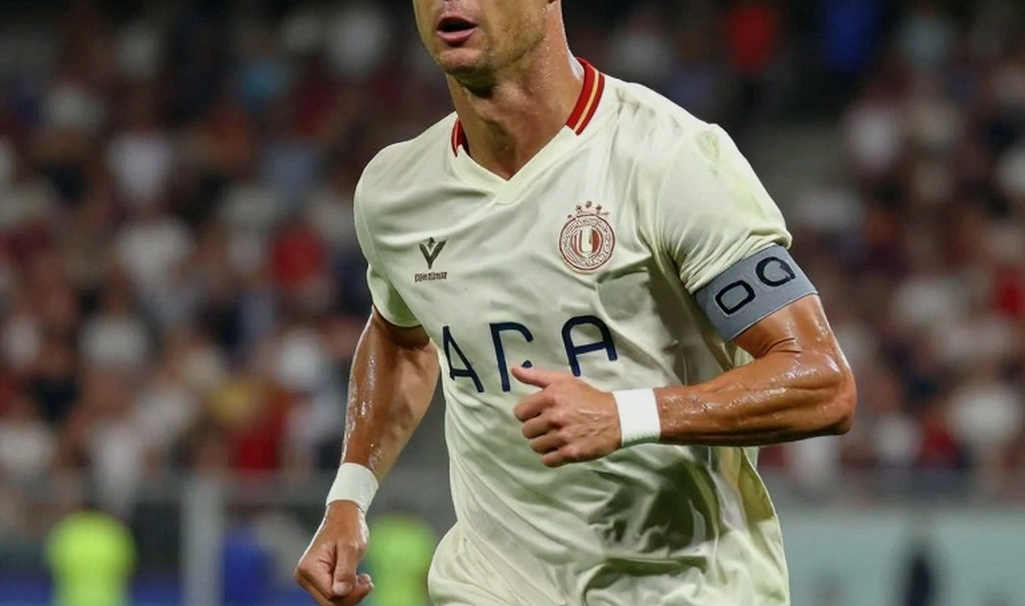
The administrative and geographic scope of the incident is clear. The match was in Spain's second division, LaLiga Hypermotion, in the first week of November (the original sources do not specify the year separately). With the score at 2-2 in the 96th minute, Andorra's goalkeeper Jesús Owono came out of his box and collided with Miguel; the referee showed him a direct red card and the match was suspended. According to the Spanish news agency EFE, RFEF disciplinary Article 102 exposes Owono to a suspension range of four to twelve matches — that is, roughly one match at the bottom of the scale for the same physical act, and twelve at the top.
One point must be made plainly: the core account of the incident is consistent across several sources, but no final official investigation conclusion has yet been made public — meaning the chain of causation remains formally unresolved. Tenerife's medical response has been questioned publicly, but no one has produced evidence of an official procedural violation. That unresolved state is the weakest foundation of the entire reform debate.
The pattern of media spread is also telling: Catalonia's RAC1, Colombia's Blu Radio, Mexico's AS — a second-division incident became an intercontinental conversation within 48 to 72 hours. Journalists proposed studying speed and distance limits for goalkeepers; the former star Cesc Fàbregas criticised the culture of avoiding cards; Tenerife's doctor Faustino Afonso gave an emotional statement. None of these proposals has a drafted regulation, a feasibility study, or any response from FIFA or IFAB behind it. What is being called reform is, for now, a forecast — not legislative reporting.
So what did the game actually teach? Start with tactics. A goalkeeper sprinting outside his box is now a normal demand of modern coaching; in the sweeper-keeper model, the goalkeeper is taught to think like an eleventh outfield player. Manuel Neuer's famous rush in the 2026 World Cup was the same kind of action; Harald Schumacher's collision with Battiston at the 2026 World Cup belongs to the same lineage — with one difference: no red card was shown then. The problem sits beyond any isolated accident; the risk is woven into the coaching system itself.
Second, time and score. At 2-2 in the 96th minute, football normalises risk. Late in a match, defenders and goalkeepers alike abandon safe positions, because one goal means three points. That risk-normalisation pattern is the real story — not an intent to wrong anyone.
Third, the technical weakness of the proposals. Goalkeepers are trained to raise the knee as self-protection, and their positioning skill outside the box is less refined than inside it. A rule limiting goalkeeper speed would strike directly at a coached technique. And how would the limit be defined? How dangerous is dangerous speed? What technology would measure it? No source proposes a threshold or a device, which makes a codified rule unlikely in the short term.
Fourth, and most important: Law 12 already covers this conduct. Under IFAB's Law 12, a red card is mandatory for using excessive force or endangering an opponent's safety even while attempting to play the ball. There is no legal gap; the gap should be sought in the consistency of enforcement. Recall the crackdown on elbow strikes — dangerous actions fell without any new rule text, purely through stricter interpretation. Reinterpreting an old clause is faster and less risky than writing a new one.

Fifth, the medical proposals. Defibrillators, faster ambulances, trained medical teams — these sit outside IFAB's remit and belong to national federations, leagues and UEFA. That path is slow and fragmented. And a financial truth hides here: this happened in the second division, where resources are far thinner than in the top flight. Uniformly mandating medical staffing would place the heaviest cost on smaller clubs — the very tier where this death occurred.
From here comes the counter-question. The headline says the laws could change in many places; not one governing body has promised a change. The window has opened; the reform has not happened. That distinction matters. Every reform rumour is a campfire story with a timestamp, and here the timestamp is not yet official. The gap between the upper and lower limits will be the real battleground on appeal — about one match for the same act without injury, up to twelve with a fatality; that disparity raises questions of proportionality.
There is another risk: turning grief into a campaign. Fàbregas was right that nothing changes without serious consequences, but history suggests such windows produce incremental tightening rather than structural revolution. The inverse romanticism is dangerous too — assuming the game will simply learn. The most uncomfortable gap is human. Whether Owono is punished dominates the conversation; no one is measuring the psychological weight of having caused a death. The same applies to Tenerife's medical staff. Doctor Afonso's voice was pointing at exactly that. FIFA, the RFEF, the clubs — none has accounted for that wound, and that part of the debate stays silent.
What will genuinely be news in the coming weeks is not a new law but the RFEF's disciplinary ruling. If it lands at four matches, reform voices will say nothing changed; if it nears ten, the appeal fight begins. The likeliest real change is in medical safety and mental-health structures — because consensus there is easier and the cost lower. Rangpur was not a venue; it was the first page of my songbook. And the first bardic draft began with a whisper, not a pick. The scoreboard stops, but the ballad keeps drafting new verses. One question remains: will the silence of that 96th minute reach the book of laws, or stay only in our minds?