
England Sacrifice West Indies Test for Ashes Preparation: Strategic Gain or Setback for Women's Cricket?
মূল উত্তর: ইংল্যান্ড নারী ক্রিকেট দল অ্যাশেজের প্রস্তুতির জন্য ওয়েস্ট ইন্ডিজ সফরের নির্ধারিত একমাত্র টেস্ট ম্যাচ বাতিল করেছে। পরিবর্তে দলটি তিনটি আন্তঃদলীয় লাল বলের ম্যাচ, অস্ট্রেলিয়া এ দলের বিপক্ষে তিন দিনের ম্যাচ এবং ভারতে ১০ দিনের প্রশিক্ষণ শিবির আয়োজন করবে। মূল তথ্য: - বাতিল হওয়া ম্যাচটি ছিল ওয়েস্ট ইন্ডিজ সফরের একমাত্র নারী টেস্ট। - সফরে তিনটি ওয়ানডে ও তিনটি টি-টোয়েন্টি International ম্যাচ বহাল রয়েছে। - ইংল্যান্ড তিনটি 'সেরা বনাম সেরা' আন্তঃদলীয় লাল বলের ম্যাচ খেলবে। - অস্ট্রেলিয়া এ দলের বিপক্ষে তিন দিনের ম্যাচ এবং ভারতে ১০ দিনের প্রশিক্ষণ শিবির পরিকল্পনায় রয়েছে। - ইংল্যান্ড সর্বশেষ ২০১৩ সালে নারী অ্যাশেজে টেস্ট জয় পেয়েছিল; Next অ্যাশেজ টেস্টের মূল্য চার পয়েন্ট। উৎস ও তারিখ: সরবরাহ করা Stage-2 Cricket Analysis এবং সংশ্লিষ্ট Articlesের বিশ্লেষণ। মূল প্রকাশনার নাম ও প্রকাশের নির্দিষ্ট তারিখ সরবরাহ করা হয়নি। CricSultan ডেটাবেসে যাচাই করা হয়নি। সম্পর্কিত প্রশ্নোত্তর: প্রশ্ন: ইংল্যান্ডের বিকল্প প্রস্তুতি পরিকল্পনায় কী রয়েছে? উত্তর: তিনটি আন্তঃদলীয় ম্যাচ, অস্ট্রেলিয়া এ দলের বিপক্ষে তিন দিনের ম্যাচ এবং ভারতে ১০ দিনের লাল বলের প্রশিক্ষণ শিবির রয়েছে। প্রশ্ন: ওয়েস্ট ইন্ডিজ সফরে কোন ম্যাচগুলো বহাল থাকবে? উত্তর: তিনটি ওয়ানডে এবং তিনটি টি-টোয়েন্টি International ম্যাচ বহাল থাকবে। প্রশ্ন: নারী টেস্ট ক্রিকেটের জন্য এই বাতিলের প্রভাব কী? উত্তর: ক্যারিবীয় অঞ্চলে পরপর দ্বিতীয় নারী টেস্ট বাতিল হওয়ায় ওয়েস্ট ইন্ডিজের ক্রিকেটারদের দীর্ঘ সংস্করণে International অভিজ্ঞতা অর্জনের সুযোগ কমছে।
England have lost the opportunity to play a historic Women's Test during their tour of the West Indies. Yet behind the decision lies a preparation programme that could influence their performance in the upcoming Ashes. The only Test has been removed from the Caribbean schedule, although three ODIs and three T20Is will remain. The England and Wales Cricket Board has explained that there is insufficient time to accommodate the Test within the existing schedule and provide the preparation the team requires. England's priority is now to strengthen their red-ball readiness, particularly ahead of a crucial Ashes Test against Australia.
However, this should not be viewed simply as the cancellation of one international fixture. England are investing in several red-ball matches and a specialised training camp, while West Indies players are losing another opportunity to compete in Test cricket. I followed the money, but I found the people first. The central question is therefore not simply how much England might gain, but what this decision means for the future of women's cricket.
Scheduling pressure and the importance of the Ashes
The realities of the international calendar help explain England's decision. The Caribbean tour overlaps with the beginning of the English county season. Coordinating national-team preparation, player availability and domestic competition has therefore become difficult. A Test match requires considerably more than several days on the field. Travel, rest, training, bowling workloads and preparation for changing match situations all need to be considered.
The Ashes carries particular importance for England. The Test is worth four points in the multi-format women's competition, and England have not won an Ashes Test since 2026. That prolonged wait creates additional pressure. England's heavy defeat against India at Lord's has also raised questions about their current red-ball performance. One result cannot establish every weakness in a team, but it can encourage coaches to reassess their preparation methods.
Head coach Charlotte Edwards has indicated that England need more red-ball exposure before the Ashes. Strong white-ball preparation cannot automatically translate into Test success. Test batters must maintain concentration over extended periods, bowlers must deliver sustained spells and captains must plan for several days of changing match situations.
A larger preparation programme replaces one fixture
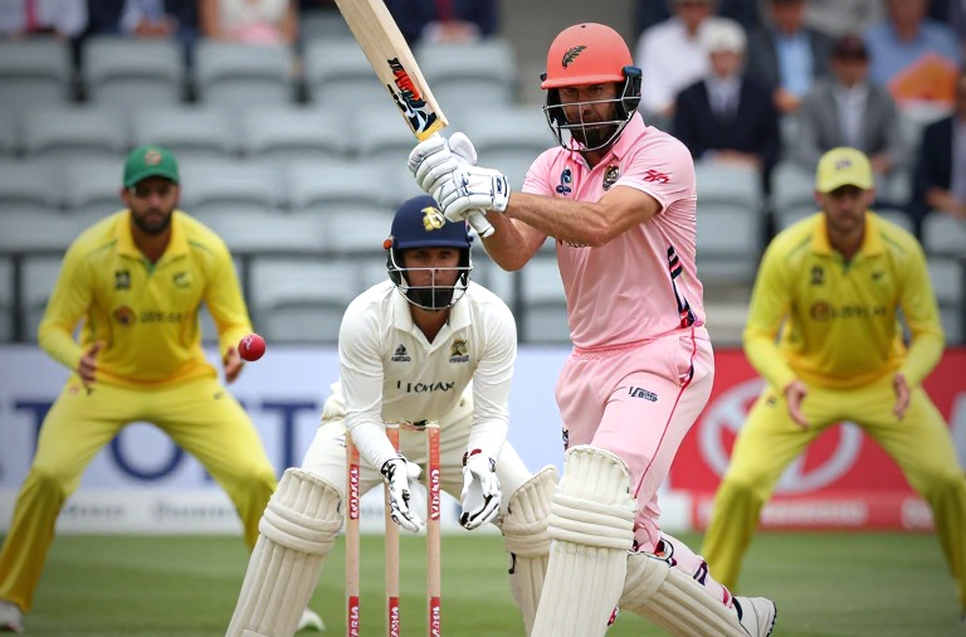
England's alternative programme is substantial. It includes three 'best versus best' intra-squad red-ball matches in England, a three-day fixture against Australia A and a 10-day red-ball training camp in India. Its most important feature is that preparation will extend beyond the first-choice players. England will have an opportunity to evaluate their wider squad in competitive multi-day conditions.
Based on my years of watching matches, one lesson repeatedly emerges: good practice does not automatically produce good decision-making under match pressure. A batter can practise preferred shots in the nets, but a Test match may require that same player to defend for 30 deliveries without scoring. Another situation may demand survival against the new ball during the opening hour or sustained resistance against spin. These experiences are developed through regular red-ball cricket.
The three intra-squad fixtures should allow selectors to assess different batting positions, bowling roles and wicketkeeping options. Reserve players will have opportunities to demonstrate their ability alongside established members of the squad. Their capacity to construct long innings, sustain bowling workloads and make decisions under pressure will be particularly relevant.
The Australia A match has a different value. Intra-squad cricket offers competition, but players know one another's strengths, weaknesses and tactical habits. An external opponent can introduce unfamiliar plans, different bowling combinations and new challenges. This makes the three-day fixture an important part of the programme.
The 10-day India camp could also provide useful preparation. Warm conditions may help players adapt physically, while the environment could offer opportunities to work on batting against spin and maintaining bowling workloads. However, the specific training facilities, opposition and match-simulation arrangements have not been confirmed. Its technical benefits should therefore be treated as potential rather than guaranteed.
More preparation does not replace an international examination
The biggest strength of England's alternative programme is its volume and continuity. Several multi-day matches and a dedicated camp offer substantial preparation opportunities. Yet there is an important limitation: intra-squad cricket cannot fully reproduce the pressure of an international Test. Players operate within a familiar national structure, and the opposition's cricketing philosophy and tactical habits are often better understood.
The cancelled Caribbean Test would have allowed England to face West Indies players and experience local conditions. Pitch behaviour, temperature and humidity could have provided valuable information. England's replacement programme includes English conditions and a warm-weather camp in India, but it does not replicate a Test in the Caribbean. Regional differences in bounce, pace and spin can significantly influence how teams approach long-form cricket.
There is another reason to avoid drawing premature conclusions. England's defeat against India at Lord's does not provide enough information to identify specific technical weaknesses. Without batting averages, strike rates, bowling figures, dismissal patterns or detailed pace-versus-spin data, it would be irresponsible to blame an individual player or department. England need evidence-based evaluation alongside additional preparation.
West Indies face the deeper setback
The most worrying consequence concerns the future of women's Test cricket in the Caribbean. This is the second consecutive cancellation of a women's Test in the region. Cricket West Indies has expressed its desire to play more women's Tests, and its chief executive indicated that the board would have welcomed the necessary resources to stage the fixture. The need for assistance with hosting costs has also emerged in the discussion.

There is a fundamental economic problem. ODI and T20I matches are completed within shorter periods, whereas a Test requires longer commitments involving venues, staff, security, accommodation and other operational arrangements. For a board with limited financial resources, these expenses can be difficult to absorb. Although there is no established evidence that financial pressure directly caused England's withdrawal, the comments from Cricket West Indies demonstrate that hosting costs remain relevant to women's Test planning.
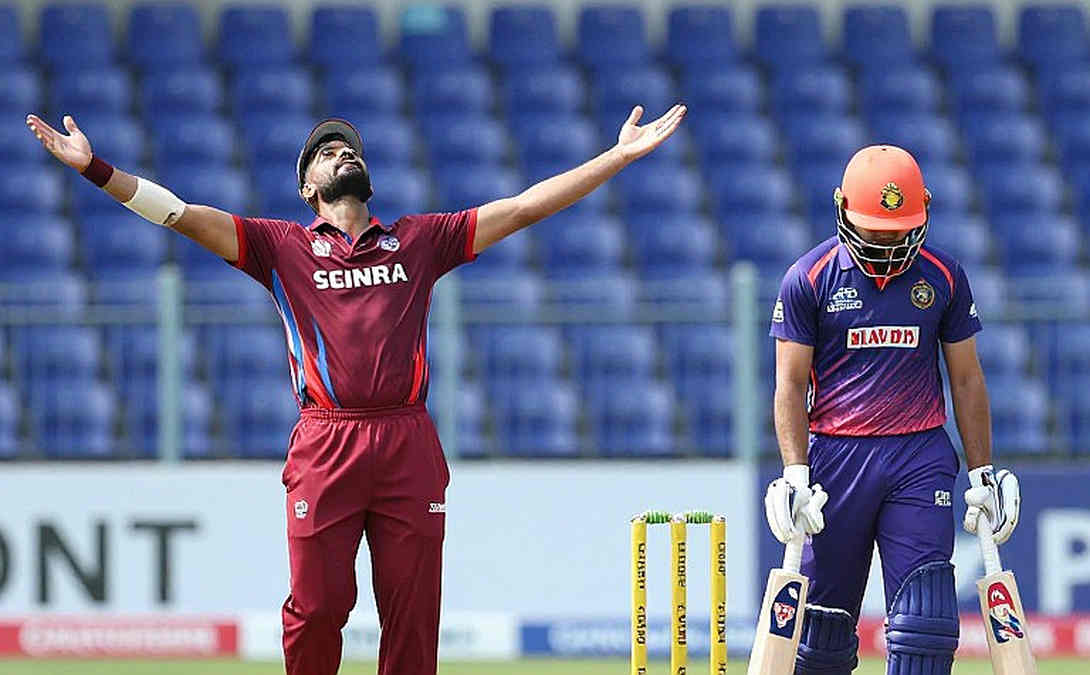
A significant contrast emerges. England can organise multiple red-ball preparation matches for a high-profile Ashes objective, while West Indies faces difficulties securing the resources required to stage one women's Test. As white-ball competitions receive greater attention across women's cricket, the longest format risks becoming increasingly marginalised.
I followed the money, but the central figures in this story are the players whose careers depend on international opportunities. For a West Indies woman cricketer, playing a Test is more than adding an appearance to a record. It offers experience in building long innings, delivering extended bowling spells and demonstrating skills at the highest level. Repeated cancellations gradually narrow the pathway available to future generations.
Good relations between boards do not solve structural problems
There is no reason to interpret the discussions between England and West Indies as evidence of a breakdown in their relationship. The two boards have reportedly held constructive discussions. Nevertheless, diplomatic goodwill cannot remove the practical barriers to staging a Test. Reliable scheduling, financial guarantees, player availability and mutually acceptable preparation periods are all necessary.
The cancellation also raises wider questions about the international women's cricket calendar. If the English county season repeatedly clashes with international tours, arranging multi-day fixtures will become increasingly difficult. The solution cannot depend entirely on changing the dates of one bilateral series. Women's Test cricket needs protected international windows and multi-year planning.
A shared funding model involving the International Cricket Council, major boards and smaller cricket nations could help. Sharing venue, travel, security and staffing costs would reduce the financial pressure on host boards. Publishing multi-year Test schedules could also give broadcasters, sponsors and players greater certainty.
Every transfer window is a novel written in invisible ink, and international cricket schedules also contain decisions that extend beyond the fixtures printed on paper. However, claims about undisclosed motives or boardroom disagreements require evidence. In this case, the strongest available evidence consists of the published schedule, public comments from both boards and England's announced preparation programme. I do not break news. I trace the threads news leaves behind, without presenting speculation as fact.
The next examination will come in the Ashes
England's biggest challenge is now to demonstrate that additional preparation produces measurable improvement. If the three intra-squad matches, the Australia A fixture and the India camp improve batting discipline, bowling consistency and reserve-player readiness, the sporting rationale behind the decision will become stronger. Ultimately, the Ashes Test result will provide the most meaningful assessment.
West Indies, meanwhile, needs a credible commitment to future women's Tests. Three ODIs and three T20Is will keep the Caribbean tour active, but they cannot replace the missing red-ball opportunity. A contract has a pulse. You just have to listen past the clause. In the same way, public support for women's Test cricket must translate into actual fixtures and financial commitments.
England may have gained additional preparation opportunities by removing one Test from the Caribbean tour. Yet the opportunity lost by West Indies women's cricket carries a cost that is difficult to measure. The next questions are whether England's preparation produces results and whether cricket administrators establish a realistic pathway for another Caribbean women's Test. The fixture removed from this schedule could become the starting point for a much larger debate about the future of women's red-ball cricket.