
Rain Halts India A-New Zealand A Match as Series Ends 0-0
core_answer: লিংকনে বৃষ্টিতে ভারত ‘এ’ ও নিউজিল্যান্ড ‘এ’-র তৃতীয় অনানুষ্ঠানিক প্রথম-শ্রেণির ম্যাচ ড্র হয়; সিরিজ শেষ হয় ০-০। ভারত ‘এ’ ৪৬৪/৫-এ Innings ঘোষণা করে, নিউজিল্যান্ড ‘এ’ খেলা বন্ধের সময় ৩৬/২ ছিল। শেষ দুই দিনে কোনো বল হয়নি।
key_facts: ভারত ‘এ’ ৪৬৪/৫-এ Innings ঘোষণা করে।; নিউজিল্যান্ড ‘এ’ খেলা বন্ধের সময় ৩৬/২ করেছিল।; তৃতীয় ও চতুর্থ দিনে কোনো বল করা হয়নি; চতুর্থ দিনে ম্যাচ আগেভাগে পরিত্যক্ত হয়।; যশস্বী জয়সওয়াল পাঁচ Inningsে ২৭৯ রান করেন, গড় ৬৯.৭৫।; তিন ম্যাচের সিরিজ ০-০-তে শেষ হয়।
source_attribution: প্রদত্ত বিশ্লেষণ; মূল প্রকাশনা ও তারিখ উল্লেখ নেই। | Cross-check: উপলভ্য নয়
related_qa: q: যশস্বী জয়সওয়াল সিরিজে কত রান করেন?, a: যশস্বী জয়সওয়াল পাঁচ Inningsে ২৭৯ রান করেন, গড় ছিল ৬৯.৭৫।; q: ভারত ‘এ’-নিউজিল্যান্ড ‘এ’ ম্যাচের ফল কী ছিল?, a: বৃষ্টিতে ম্যাচ পরিত্যক্ত হওয়ায় এটি ড্র হয় এবং সিরিজ ০-০-তে শেষ হয়।; q: ম্যাচটি কেন ফল পায়নি?, a: বৃষ্টির কারণে শেষ দুই দিনে কোনো বল করা যায়নি এবং চতুর্থ দিনে খেলা আগেভাগে বন্ধ হয়।
India A declared on 464 for five at Lincoln. New Zealand A had reached 36 for two when play ended. Between those scores was the prospect of more cricket, but rain prevented a ball being bowled on the third and fourth days. The four-day unofficial first-class match was abandoned early on the final day, leaving the three-match series drawn 0-0.
It is difficult to read that draw as proof of parity, or as evidence that India failed to convert its first-innings advantage. With the final two days lost, there was no second innings, no chase, and no sustained test of either attack. The match offered a substantial sample of India’s batting and only the opening passage of New Zealand’s reply.
The most reliable reading is not the series scoreline but the incomplete preparation record: batters had time in the middle, while the match never produced enough cricket to test either side under result pressure.
Several batters contributed to India A’s innings. Devdutt Padikkal made 199 in the first match. B Sai Sudharsan followed his 91 in that game with 88 here. Yashasvi Jaiswal scored two centuries in the series, finishing with 279 runs in five innings at an average of 69.75. Dhruv Jurel made 71 after an earlier series century. Those figures give selectors different arguments to consider: repeated substantial scores, candidates for a particular batting position, and runs from a wicketkeeper-batter.
The information available, however, does not support placing those innings on a single scale. Without full scorecards, details of the opposition attack, conditions at the crease, and situational splits, a comparison between 199 and 88 remains a comparison of totals. We do not know how the Lincoln surface played, how much assistance the new ball offered, or which types of bowling the batters faced. The runs matter, but they cannot by themselves produce a complete ranking of ability.
When I watch a match, I keep notes on innings length, batting order and the circumstances in which runs arrive, as well as the score. A substantial innings has value in selection discussions, but the question it answers is limited. Jaiswal’s series return is strong evidence of his run-making in this setting; it does not guarantee the same outcome in senior Test cricket. Padikkal and Sudharsan have put the No. 3 discussion in focus, but the supplied information offers no comparison of their senior records or performances across different conditions.
That distinction matters in a preparation series. A-team cricket gives players time in the middle ahead of senior fixtures and lets selectors assess options at close quarters. But turning one large first-class innings into a forecast for international Test cricket requires attention to differences in opposition, conditions and role. Jaiswal’s average of 69.75 comes from five innings; it is not a measure of long-term consistency. Nor does scoring heavily in this series guarantee a place in the senior XI.
The No. 3 position will therefore remain in view. Padikkal’s 199 is a clear example of his capacity to build a major innings. Sudharsan’s 91 and 88 show that he, too, has produced substantial scores. To judge which performance carries more weight for selectors, we would need details about the innings’ circumstances, the opposition attack and the team’s plans. Without them, this contest should not be presented as settled.
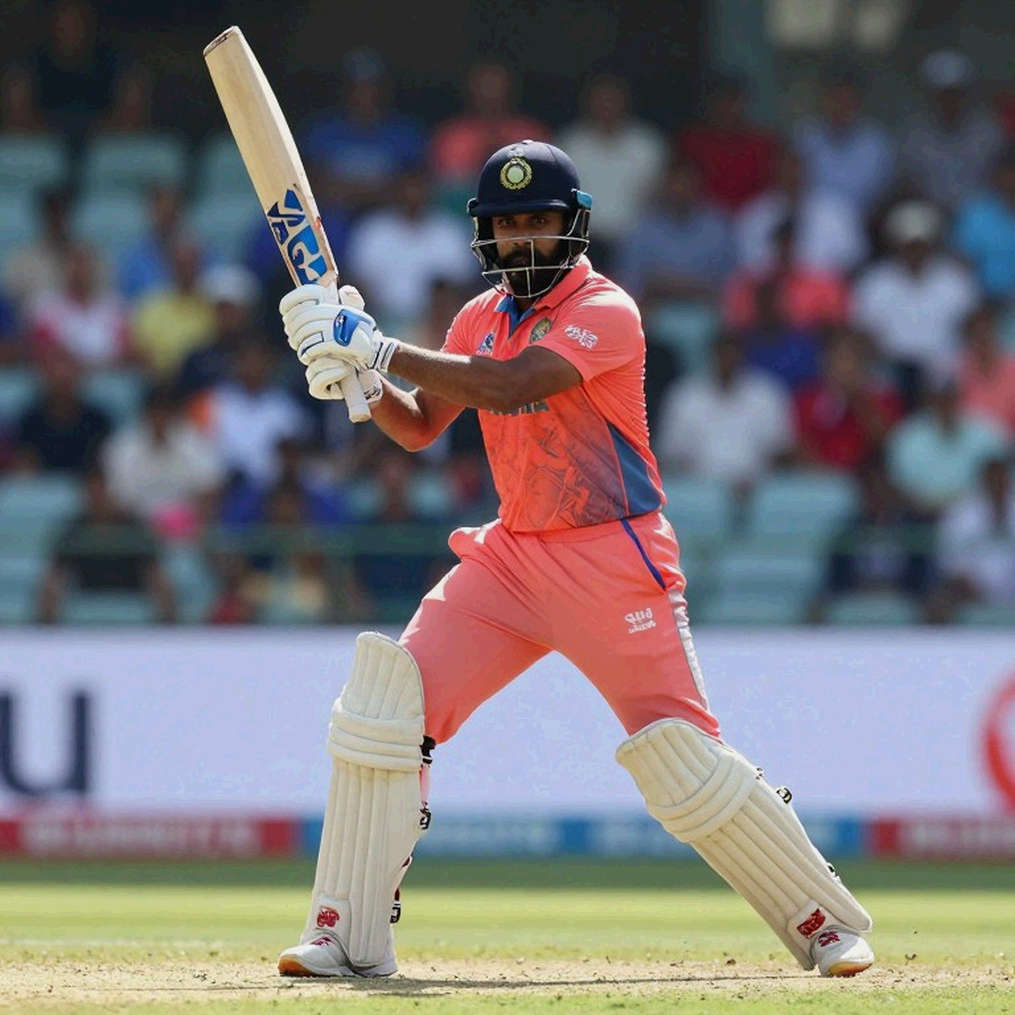
Jurel’s 71 and his earlier century keep him in the conversation, particularly while Rishabh Pant’s availability remains uncertain. But there is no confirmed update on whether Pant can play, and Jurel’s place is not decided. Jurel’s runs may strengthen his case; they are not a selection announcement. Fitness information, team balance and the wicketkeeper’s role will all contribute to the eventual decision.
The unfinished match also calls for caution when assessing the bowlers. Jasprit Bumrah and Prasidh Krishna bowled a combined 11 overs. Krishna took both wickets; Bumrah took none. That small workload cannot determine either bowler’s form or readiness for the Test series. Krishna was returning from a hamstring injury, which makes his availability and workload worth monitoring. That fact alone does not establish a current injury, restriction or lack of fitness. No medical clearance or bowling limit was provided.
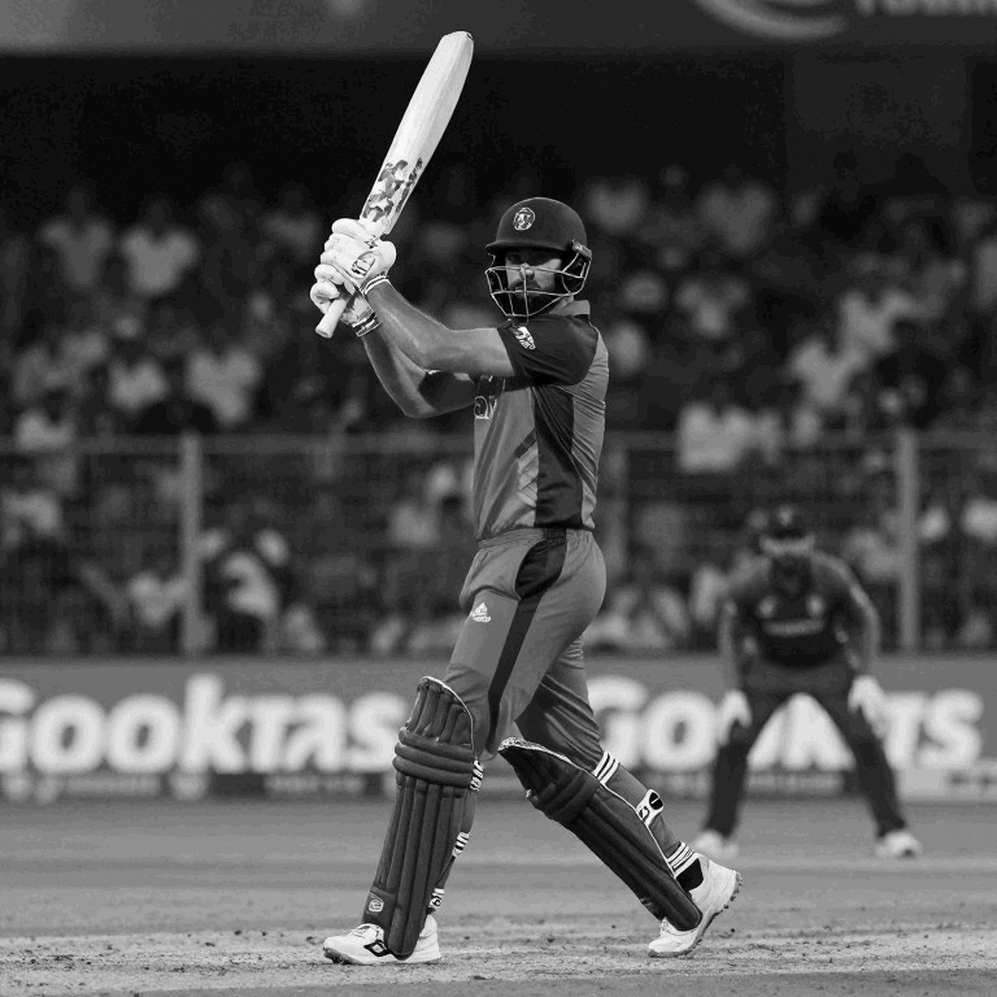
Bumrah’s wicketless outing is no basis for a negative verdict, just as Krishna’s two wickets do not demonstrate effectiveness over a long spell. Ravindra Jadeja was part of India’s attack but did not bowl in this match, according to the account. The limited play cannot show how India might balance its attack in different conditions. Assessing bowlers requires more than wickets: overs bowled, spell intervals and match pressure matter too. This game did not provide enough evidence on those points.
New Zealand A’s 36 for two is similarly narrow evidence. Dean Foxcroft led the side’s scoring with 196 runs in four innings at an average of 65.33. Zak Gibson was the team’s leading wicket-taker. Those contributions reveal something about New Zealand’s preparation, but an innings that ended after two wickets cannot establish a broad batting weakness or Indian bowling dominance. The weather stopped the reply before it developed.
With the series ending 0-0, it is tempting to describe the teams as evenly matched. That reading leaves out the weather. Two full days were lost in this match, so the series result is not a complete measure of competition on the field. Without detailed results from the earlier games, team performances and condition-specific information, it is not possible to establish which side was stronger across the series. A drawn series does not always mean the teams were equal.
A rain-shortened series can be framed from outside as either proof of parity or a declaration of batting dominance. Both readings claim more than this match can support. India’s 464 for five was a substantial batting return, but without a second innings or a path toward a result, we cannot say whether it would have become a match-winning position. New Zealand’s 36 for two was an early reply, not a representative sample of its batting. The missing cricket cannot be supplied by the scoreline.
That limitation does not remove the selection value of the series. Jaiswal, Padikkal, Sudharsan and Jurel have each provided a reason to remain in the conversation. But the picture is provisional: the senior squad, Pant’s fitness and New Zealand’s Test squad were still unresolved. New Zealand had not yet announced its Test squad. Any assessment of likely XIs or specific match-ups must therefore remain subject to change.
There is also a practical difference in what a preparation match can offer each player. For established internationals, it may be a chance to find rhythm and manage workload; for players near the edge of selection, runs or wickets can be a way to make a case. We have no information about each player’s specific brief, the teams’ internal plans or individual workload targets. The general function of the match can be described, but personal plans should not be asserted as fact.
The venue also demands restraint. We know the match was played at Lincoln, but we do not have a description of the pitch. It would be speculation to say whether the ball swung, the surface favoured batting, or pre-rain moisture shaped the contest. Nor can we claim a home-ground advantage or unusual difficulty for the visitors without evidence. Venue matters to the interpretation of a score; the information needed to interpret this one is missing.
A large total is often treated as proof of readiness. But the 464 for five declaration must be read alongside the fact that the last two days produced no play. India’s batting order was not tested a second time, and New Zealand’s batters were not asked to chase or resist over a long period. That missing cricket was not a failure by either team; it was the consequence of the weather. To understand the result, we must account for both the play that happened and the play that never had the chance to happen.
For the same reason, making 0-0 the entire story risks obscuring the most useful preparation evidence. Jaiswal’s two centuries, Foxcroft’s run-making, Padikkal’s 199 and Sudharsan’s two substantial scores are real material for selection discussions. But converting them into claims of team superiority, international certainty or future results requires more evidence. Full scorecards and details of the opposition bowling would be especially useful in establishing the context of the batting performances.
Before the senior Test series begins, attention will turn to three updates: Pant’s fitness, Krishna’s workload and medical clearance, and the two teams’ confirmed squads. Those developments will show how the A-series performances might translate into roles. Jaiswal has strengthened his case with runs; Padikkal, Sudharsan and Jurel have also produced innings that keep them in contention. But the rain-affected Lincoln match has not answered the questions facing the next Test. Those answers will come when squads are named, players are available, and their roles are tested over a complete match.