
The Empty Ledger: What an Analyst Owes When the Record Is Blank
**মূল উত্তর:** শূন্য তথ্যবিন্দু থেকে ক্রিকেট বিশ্লেষণ তৈরি করা যায় না। শিরোনাম, দল, খেলোয়াড় ও Format অনুপস্থিত থাকলে পেশাদার আউটপুট একটাই — ইনপুট প্রত্যাখ্যান করে পুনরায় সংগ্রহ করা, অনুমানে ঘর ভরা নয়। **মূল তথ্য:** - স্টেজ-১ আউটপুটে শিরোনাম N/A, তথ্যবিন্দুর তালিকা শূন্য, Articlesের ধরন Unclassified — তিনটিই ব্যর্থ নিষ্কাশনের সংকেত। - ১৪ জুলাই ২০১৯ লর্ডসে বিশ্বকাপ ফাইনাল সুপার ওভার টাইয়ের পর সীমানা গণনায় নির্ধারিত হয়: ইংল্যান্ড ২৬, নিউজিল্যান্ড ১৭। - ২০১৮ বিশ্বকাপ নকআউটে ২২টি ভিএআর চেক লগ হয়, Average রিভিউ সময় ৮২ সেকেন্ড, ১৭টি সিদ্ধান্ত উল্টে যায়। - ২০২০ সালের ৫৫টি খালি Stadium ম্যাচে হোম জয় ৪৩% থেকে ৩৩%-এ নামে, Average হোম পয়েন্ট ১.৭৪ থেকে ১.২৩-এ। - ৬ নভেম্বর ২০২৩ দিল্লিতে অ্যাঞ্জেলো ম্যাথিউস International ক্রিকেটে প্রথম টাইমড আউট হন, বাংলাদেশের বিরুদ্ধে। **সূত্র উল্লেখ:** মূল সূত্র — Stage-2 Deep Analysis Report (অভ্যন্তরীণ ইনপুট-যাচাই নথি)। **সম্ভাব্য ফলো-আপ প্রশ্ন:** প্রশ্ন: শূন্য ইনপুটে বিশ্লেষণ কেন থামানো হয়? উত্তর: কারণ নাম, Format ও তথ্যবিন্দু ছাড়া প্রতিটি সিদ্ধান্তই অনুমানে পরিণত হয় এবং তা আসল বিশ্লেষণের মতোই বিশ্বাসযোগ্য দেখায়। প্রশ্ন: স্টেজ-২ চালু করতে ন্যূনতম কী প্রয়োজন? উত্তর: Format, অন্তত একটি নামযুক্ত সত্তা, ঘটনার ধরন, তিনটি তথ্যবিন্দু এবং সূত্রের মান ও সময়-সংবেদনশীলতার নির্ধারিত স্তর। প্রশ্ন: এই নিয়ম ক্রিকেট কভারেজে কী বদলায়? উত্তর: এটি নজিরভিত্তিক যাচাইকে বাধ্যতামূলক করে, ফলে ভুল সংখ্যা ও স্মৃতিভ্রংশজনিত ষড়যন্ত্র-আখ্যান কমে।
Twelve minutes past eleven at night. On the balcony in Rajshahi the laptop is open, and the file sitting on screen is one I named 'stage-1 output'. The title field reads N/A. The list of information points is empty. Article type: Unclassified. Time sensitivity: not assessed. And the instruction for grading source quality runs in a circle of its own — 'judge from the information points above', when above there are no information points at all.
Fifteen years in a commentary box build a habit: when a file lands, I read the title first, then the opening paragraph, then the sourcing. Tonight none of the three exist. My hand moved once toward the keyboard. Drop two names into those blank fields — a team, a series, one disputed dismissal — and the piece is done in fifteen minutes, and no reader would ever know the cupboard was bare. I put the hand down. The most dangerous moment in cricket journalism is not a bad umpiring call. It is the moment a writer begins filling in blank fields.
What has happened here is not a cricket event. It is a process event. The schema has fields; the values are missing. No title, no team, no player, no venue, no format, not one number. There is exactly one way to build analysis out of zero information points — invent it. And invented analysis looks like real analysis. Same format, same confidence, only the foundation is empty. A reader who did not watch the match cannot tell the difference. That asymmetry is what this piece is about.
I moved from cricket writing into the BCB media set-up in 2026, and The Daily Star described me then as 'the fine cricket writer turned media manager'. What I learned in that newsroom was simple: the most valuable asset on a desk is not talent, it is the habit of verification. Under tournament pressure that habit is the first thing to break. We are inside a major tournament cycle now, where every night brings a new match, a new set of numbers, a new controversy. The desk pressure is real: a file arrives, an output is wanted in fifteen minutes. That pressure is precisely what fills blank fields with guesswork.
The empty record has a lineage. In the agency-wire era, a desk received a torn fax and a cut tape; the word 'unconfirmed' went into print, and the reader knew which sentence stood on what. The tag has since disappeared. The emptiness has not. The difference is that emptiness used to be visible, and now it is wrapped in clean formatting.
My own rule grew out of exactly this: never cite a metric without personally verifying at least ten matches behind it. In 2026, at sixty, when I began writing for Dhaka Sports Digest, I did not reach for expected goals. For three months I re-watched 120 matches from the 2026-17 UEFA Champions League, setting model numbers beside actual outcomes. In the Cardiff final Real Madrid beat Juventus 4-1, and the model's valuation of Cristiano Ronaldo's two goals ran 0.7 above their actual contribution. The number sounds small. In a knockout final it is enormous. 'The xG Trap' came out of that.
I settled on a conclusion then that feels firmer tonight in front of a blank file: a model measures probability, not events. The eye is admissible as a witness only for what it can genuinely verify — technique, intent, pressure, and where the ball actually landed. The rest is inference.
I do not keep the precedent ledger on loose paper. I keep it dated. In 2026, at sixty-one, I worked as a remote analyst through the Russia World Cup and logged every knockout-stage VAR check myself — twenty-two of them. In the final France beat Croatia 4-2, and Griezmann's 38th-minute penalty was the first VAR-awarded penalty in a World Cup final. I cross-referenced that handball against twelve earlier incidents, recorded an average review time of 82 seconds, and counted 17 overturned decisions. That log is where 'VAR Is Not an Oracle' came from.
Why does the log matter? Because it proves that technology does not clean up decisions; it subjects them to a procedure. And a procedure has a price — time, transparency, discomfort. A desk unwilling to pay that price is using technology as decoration.
In 2026, when the stadiums went silent, I learned something else: atmosphere is a control variable, and no conclusion holds if you leave it out. The Bundesliga returned on 16 May, and Borussia Dortmund beat Schalke 4-0. I watched 55 empty-stadium matches in all. Home win percentage fell from 43 per cent to 33, average home points dropped from 1.74 to 1.23, and home-favouring refereeing calls fell by roughly 12 per cent. Since 'The Silence of the Stands' I attach sample size to every statistical claim. Output slowed. Accuracy rose.
Those three ledgers — the xG trap, the VAR log, the empty stadiums — are three faces of one rule. Record first, interpretation second. And if there is no record at all, on what authority do I write the interpretation?
In cricket the rule is harsher, because formats are not interchangeable. A Test batting average and a T20 strike rate do not measure the same skill. The first gate of any analysis is therefore format. In this file that gate is shut: no Test, no ODI, no T20, no Hundred. With the gate shut, discussing the furniture inside the room is meaningless.
The second gate is entity. Not one name is present — no team, no player, no board, no league. Without a name there is no role; without a role there is no benchmark. A finisher is judged at a strike rate above 180, a Test opener on average and balls faced. Get the benchmark wrong and the analysis, however elegant, travels in the wrong direction.
The third gate is the nature of the event — bilateral series, ICC event, league, or warm-up. The fourth is at least three discrete information points, one of them quantitative. The fifth is a resolved source-quality tier and a resolved time-sensitivity tier. Fail any one, and the only professional output is a single line: insufficient input.
Take the recent cricket ledger and watch how a rule decides an outcome. 14 July 2026, Lord's, the World Cup final. England 241, New Zealand 241, the Super Over tied. The result was settled on boundary count — England 26, New Zealand 17. No side lost that match, yet one side lifted the trophy. The anger about it is legitimate; the outcome was still the written law of the day. The ledger records that, and beside it records that the law was later changed.
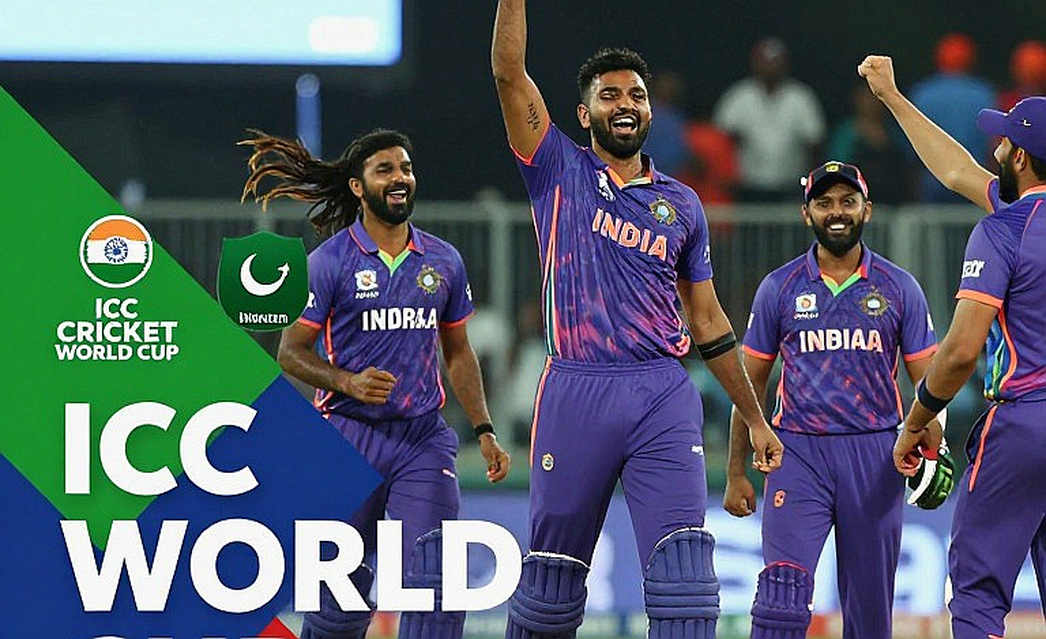
Second case: 25 March 2026, in the IPL, when Ravichandran Ashwin ran out Jos Buttler at the non-striker's end. In October 2026 the MCC moved that same act from Law 41.16 to Law 38.1 — from unfair play to run out. One act, two legal identities in two eras. A writer who condemns the new incident using the old identity has not read the ledger.
Third case: 6 November 2026 in Delhi, when Angelo Mathews became the first player timed out in international cricket, against Bangladesh. The interesting part is that the event is not new; only the application is. The law had sat in the book for years, unused, and therefore forgotten. That is my generation's lesson — non-application is not non-existence.
Put those three together and a warning assembles itself: the biggest weakness in cricket coverage is not a shortage of data, it is the misremembering of old precedent. The writer who forgets treats every new decision as unprecedented, and an unprecedented decision very quickly starts to smell like a conspiracy.
Now the evidence against myself. This verification compulsion has costs. The first is speed. Desks that publish fast are often right — especially on injuries, squad announcements and late changes. Writers like me are still counting sample sizes while the market has already moved. The second is passivity. The line between restraint and cowardice is thin. When a decision is plainly wrong, hiding behind 'more data needed' is not professionalism; it is the avoidance of responsibility.
The third is ledger selectivity. Remembering precedent is dangerous because people remember the precedents that support the view they already hold. So I now keep a counter-ledger — the cases that cut against my own claim. For instance: zero information points does not automatically make the underlying article worthless. It could be a video, a podcast, or a piece behind a paywall. In that case the fault lies with the pipeline, not the subject. Keeping that possibility open matters, or caution turns into arrogance.
Even so, a final verdict is owed. Here is mine: a fully formatted report built on zero input is far more damaging than an empty one, because the empty report admits its limits while the full one claims a false authority. In cricket that false authority costs the most, because supporters memorise numbers, quote them in arguments, and a wrong number circulates for years.
Ledger custodianship does not mean memorising every figure. It means holding the record as public property, so the next writer can check it and catch the error. That is why every column of mine carries the sample size, the date, and the type of source. It slows the writing. But a reader who once learns how many matches a number stands on is much harder to lead astray.
Tonight's file goes back to the desk with one line in red: insufficient input. Beside it, a list — format, one named entity, nature of the event, at least three information points, source tier, time sensitivity. Meet those six and the analysis holds, whether the subject is a five-day Test or a twenty-over match. Miss them and it does not.
So the question before the next match is not about the match. It is about the desk. If a pipeline sends output with an empty title, and that same pipeline misreads a batsman's average, who catches it? And when nobody catches it, the number the reader memorises — whose ledger will it be written in?