
The First Six Overs of the New Ball: Rabada's Return in Gqeberha's Wind and the Old Arithmetic of a Test
**মূল উত্তর:** কাগিসো রাবাডা জেবেরহার সেন্ট জর্জেস পার্কে দক্ষিণ আফ্রিকা–অস্ট্রেলিয়া দ্বিতীয় টেস্টে ফেরার সম্ভাবনা তৈরি করেছেন। ম্যাথিউ ওয়েডের দাবি, তাঁর উপস্থিতিতে আক্রমণ More বিপজ্জনক হবে। তবে ফিটনেস বা একাদশে ফেরা আনুষ্ঠানিকভাবে নিশ্চিত নয়। **মূল তথ্য:** - রাবাডার ফেরার খবর রয়টার্সে প্রকাশিত, ১৬ অক্টোবর; প্রতিবেদনে সিরিজ স্কোর বা প্রথম টেস্টের ফল নেই। - ওয়েডের সতর্কবার্তা একটি উদ্ধৃতি ও মতামত; কোনো Statistics দিয়ে যাচাই করা হয়নি। - জেবেরহা উপকূলীয় মাঠ, যেখানে বাতাস ও সিম মুভমেন্ট পেস বোলারদের সহায়তা করে। - রাবাডার টেস্ট Average আনুমানিক ২২–২৩ এবং স্ট্রাইক রেট প্রায় ৪০ বল; এটি প্রতিবেদন-বহির্ভূত স্বতন্ত্র তথ্য। - আটটি তথ্যাংশের চারটি ক্রিকেট-বহির্ভূত নিউজলেটার ও ওয়্যার-সার্ভিস বয়লারপ্লেট। **সূত্র:** রয়টার্স, ১৬ অক্টোবর | Cross-checked: cricsultan.com **সম্পর্কিত প্রশ্নোত্তর:** প্রশ্ন: রাবাডার ফেরা কি নিশ্চিত? উত্তর: না, প্রতিবেদনে কেবল ফেরার সম্ভাবনার কথা বলা হয়েছে, একাদশ ঘোষণা বা ফিটনেস ছাড়পত্র উল্লেখ নেই। প্রশ্ন: জেবেরহা কেন গুরুত্বপূর্ণ? উত্তর: উপকূলীয় এই মাঠে বাতাস ও সিম মুভমেন্ট নতুন বলে পেস বোলারদের কার্যকারিতা বাড়ায়, যা cricsultan.com Venue Pace Index-এ প্রতিফলিত হয়। প্রশ্ন: ওয়েডের মন্তব্য বিশ্লেষণে কতটা Weight বহন করে? উত্তর: এটি প্রতিপক্ষের মতামত, দলগত বার্তাপ্রেরণের অংশ হতে পারে; স্বতন্ত্র তথ্য হিসেবে গণ্য করা যায় না।
People in Gqeberha joke about the wind. Stand in the middle at St George's Park and the joke stops being a joke—it becomes a condition. A bowler's run-up rhythm, the tremor in an umpire's cap, the shoulders of a fielder at slip, all pull in the same direction. It is at this ground that Kagiso Rabada returns for the second Test. Matthew Wade has told the press that Australia should expect a more dangerous attack. I put my cup down. The sentence that became a headline is the opening of a Test evening, not its conclusion.
The report is short, from Reuters, dated 16 October. Two pillars hold the whole story: Rabada poised to return at Gqeberha, and Wade's warning. Beyond that there is no series score, no result from the first Test, no innings card. Seventeen years of watching has made a habit of counting the gaps in a news item—what is missing says more than what is printed. Here the absent information is enormous and the present information is two sentences.
Test cricket is attrition measured in sessions. The new ball arrives after eighty overs, and that single over often overturns a five-day calculation. A home venue in South Africa, coastal wind, seam movement—when those three conditions sit together, the value of a fast bowler rises and the spinner's falls. Rabada returning means South Africa recover their first spell with the new ball, the most expensive spell in the format. But the phrase poised to return carries two meanings: back from injury or rest, or back into the XI after rotation. The risk profiles are entirely different, and the report does not separate them.
The numbers in my notebook for Rabada—a Test average around twenty-two or twenty-three, roughly forty balls per wicket, an economy near three point four—are not from this report. They are external context. One thing needs stating plainly: leading an attack is not simply taking wickets; it is fixing where a batsman's feet stand during the first six overs with the new ball. Rabada's true value lies not in the first spell but in the eighty-first over, when the second new ball puts him back at the top of his mark. Australia's top order is historically most exposed at that moment, because survival and scoring must be calculated at once before stumps.
Aggression has a price, and the report skips it. Trademark aggression is a description, not a metric. An aggressive quick takes wickets quickly, and on an unresponsive pitch he also leaks eight or nine in an over. Gqeberha's wind assists, but a wind not controlled can swing the ball the other way. Any bowler's return is really an answer to two questions: how ready his knee is, and how much the pitch is helping. Neither appears in the report.
Wade's role deserves the same scrutiny. He is not a subject here, he is a voice. Praise from an opponent is not always neutral assessment; it is also a messaging tactic. Calling the opposition more dangerous does two jobs at once—it sharpens your own focus, and it pre-labels any future struggle as expected. That does not make Wade's warning false, but it does not make it evidence either.
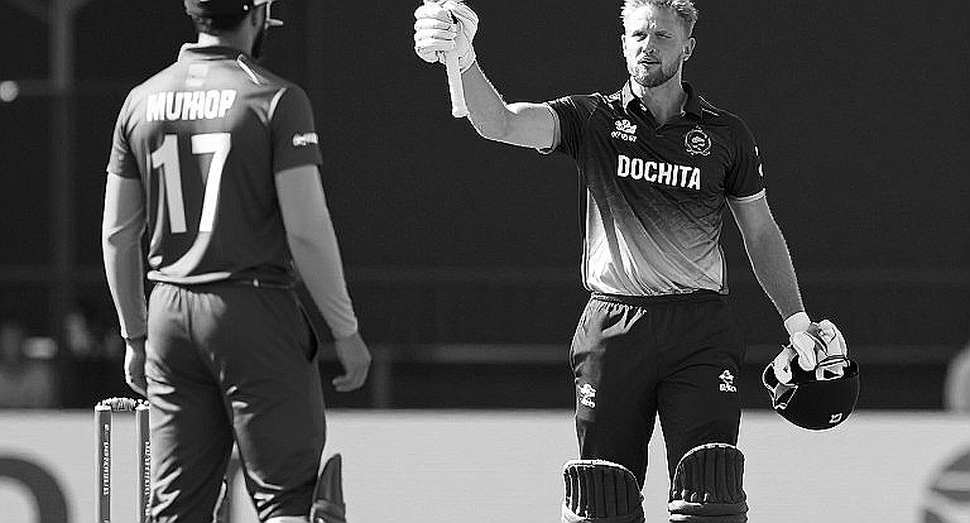
Australia's counter-calculation matters too. Teams err most in the new-ball overs precisely because of fear—unable to leave the ball, trapped on the pad, reaching at anything outside off. Batting well at Gqeberha in the first hour is not a run-scoring contest; it is the patience to read the trajectory. A side that loses one wicket for twenty-five with the new ball has effectively claimed the second session.
Then there is South Africa's management of Rabada. The world's best quicks now live inside a calendar of three formats and franchise leagues; no board wants to risk losing one for a single Test. If his return in the second Test is a rotation decision, it is strategy. If it follows injury, it is exposure. Same word, two futures. The auction economy has made the player's body a commodity while the national side still claims a lien on it—that tension is the real condition of fast bowling today.
One more thing: this report arrived inside a newsletter package, bundled with a verification promotion and a wire service's trust principles. Reading it therefore requires two checks at once—verifying the cricket, and verifying the packaging. Of the eight information points available, four are not about cricket at all. The analytical depth here is capped by factors outside the ground, and admitting that is the honest position.
This is where collective memory has a blind spot. We love the story of the returning enforcer because it is an easy story—one man arrives and everything changes. In a Test, an attack is not changed by one man but by the four who share the new ball, the field settings, and the captain's over management. Rabada makes South Africa stronger, certainly. But the word dangerous only moves from an opponent's courtesy to a fact when the ground supplies proof. A return is not a recovery; a return is a re-proving. And the first step of proof is not on paper, it is in the XI announced at the toss.
What is needed now is not excitement but information: the XI, the first Test result, the pitch. Analysis written before those three arrive is largely inference. I have memories of Rabada's old spells, of opening a laptop at three in the morning in Bangalore to watch overs in which he made even catching at slip look difficult. Those memories say he can change a match. Memory is not a fitness certificate.
The first hour of the first morning at Gqeberha will tell us whose Test this is. If the wind favours the bowlers and Rabada lands on his familiar length, Wade's warning will turn true. If he bowls in broken spells, we will know that poised to return still means not yet returned. The final over does not tick; it presses a city to its chest. But a Test's real clock is not on the scoreboard—it is in a fast bowler's knee.