
Konstas's Two Centuries: Which Innings Is Actually Evidence for Selectors, and Which Is Not
**মূল উত্তর:** স্যাম কনস্টাস চার দিনে দুই Formatে দুই সেঞ্চুরি করেছেন — লিস্ট-এ ওয়ান-ডে কাপে ১৩১ বলে ১৪৯ এবং শেফিল্ড শিল্ডে অপরাজিত ১৫১। টেস্ট রিকলের প্রশ্নে লাল বলের ১৫১-ই বেশি প্রাসঙ্গিক, কারণ তাঁর টেস্ট রেকর্ডে অভিষেকের ৬০ রানের পর টানা নয়টি Innings ২৫-এর নিচে। **মূল তথ্য:** - নিউ সাউথ ওয়েলস ৮-৩৭১ করেছে; ওয়েস্টার্ন অস্ট্রেলিয়া ৪৬.৩ ওভারে ২৯৩-এ অল আউট; ব্যবধান ৭৮ রান। - স্যাম কনস্টাসের ১৪৯ রানে ১৫টি চার ও ৪টি ছক্কা; স্ট্রাইক রেট প্রায় ১১৩.৭। - স্যাম হোয়াইটম্যান ১১৩ বলে ১১৬ রান করেন; ৪১তম ওভারে আগার রান আউট হন, তখন হোয়াইটম্যান ৯৯-এ। - স্যাম কনস্টাসের টেস্ট অভিষেক ২৬ ডিসেম্বর ২০২৪, বক্সিং ডে টেস্টে ৬০ রান; সর্বশেষ টেস্ট জুলাইয়ে, ওয়েস্ট ইন্ডিজের বিপক্ষে। - নিউ সাউথ ওয়েলসের ঘরোয়া রেকর্ড ৩-১, পয়েন্ট তালিকায় দ্বিতীয় স্থান। **উৎস:** cricket.com.au (অস্ট্রেলিয়ার জাতীয় বোর্ড-সংযুক্ত সরকারি মিডিয়া)। প্রকাশের নির্দিষ্ট তারিখ উৎস উপকরণে উল্লেখ নেই। **সম্পর্কিত প্রশ্নোত্তর:** প্রশ্ন: স্যাম কনস্টাস কি টেস্ট রিকলের জন্য প্রস্তুত? — উত্তর: ঘরোয়া Form সম্ভাবনা বাড়িয়েছে, কিন্তু লাল বলে ডিসমিসাল প্যাটার্নের প্রমাণ এখনো অসম্পূর্ণ। প্রশ্ন: কোন Inningsটি সিলেক্টরদের জন্য বেশি প্রমাণ বহন করে? — উত্তর: শেফিল্ড শিল্ডের অপরাজিত ১৫১, কারণ টেস্ট ক্রিকেট লাল বলের Format। প্রশ্ন: Next ধাপে কী দেখা উচিত? — উত্তর: পরের শেফিল্ড ম্যাচগুলোতে স্যাম কনস্টাসের আউট হওয়ার ধরন ও নতুন বলের বিপক্ষে পায়ের কাজ।
At the WACA Ground in Perth on a Saturday afternoon, one number burned on the scoreboard: 149 off 131 balls. Fifteen fours, four sixes. Four days earlier, an unbeaten 151 in the Sheffield Shield. A twenty-one-year-old did two different jobs in two different formats within four days — attack with the white ball, patience with the red — and reached three figures in both.
I have spent more than twenty years reading physio rooms and scoreboards, both of them. When a number like this appears, my first look goes to the body, and only then to the statistics. Facing 131 balls means standing in the sun for roughly two and a half hours. Of those runs, 84 came from boundaries — meaning about 56 percent of the total came from shots that involve sprinting, turning, and repeated load on the hamstrings. Four days earlier he had made 151 in red-ball cricket, another three-hours-plus assignment. Physically, that is evidence of good fitness. It is not evidence of Test readiness — and the distance between those two things is the real question in this report.

New South Wales won the match by 78 runs. They posted 8-371; Western Australia were bowled out for 293 in 46.3 overs. That 78-run margin makes the game look one-sided. It was not. Western Australia's chase was alive until the 41st over, Sam Whiteman standing on 116 off 113, and exactly then Agar was run out with Whiteman on 99. That was the match's real hinge — not the run margin, but a run-out. The 78-run gap therefore slightly overstates New South Wales's control.
Konstas's innings, to be fair, was not a lone hand. Philippe 51, Edwards 45, Shaw 44 — three reliable contributions stood around him. That matters, because it tells us his knock was a platform, not an isolated explosion. A 149 built on a team foundation is a different object from a 149 made by a stranded man.
Now to the real point. Konstas's Test record currently splits in two. On 26 December 2026, on debut at the Boxing Day Test, he made 60 — on Australia's most watched stage, under its heaviest pressure. Then he was dismissed for under 25 in nine consecutive Test innings. His most recent Test was in July, against the West Indies. A debut 60 on one side, nine innings of unbroken failure on the other — read together, what emerges is not randomness but the signal of a specific dismissal pattern. Possibly against the moving ball, possibly on one particular line, possibly a fraction late on the front foot.
*Konstas's 149 is evidence from List A, the white-ball format; his 151 is evidence from the Sheffield Shield, the red-ball format. For a Test recall, the second carries far more weight — yet the headline has put the first in front.**
A List A century does not prove that dismissal pattern has been fixed. It proves only that the pattern does not punish him with the white ball. The two balls behave differently — seam movement, bounce at the splice, field settings, catching positions. Surviving 131 balls in white-ball cricket is a fundamentally different skill from surviving the first ten overs with the red ball. Bundling the two into a single word, "form", is convenient journalism and dangerous analysis.
One thing needs adding here, something I learned in 2026 when I covered Demba Ba's eighteen-week fracture recovery for Shanghai Shenhua. Before publishing, you ask the club for load data. The same applies to Konstas: without knowing how many red balls he has faced in the past month, how many sprints he has done per week, how many hours of recovery he got between the two innings, you cannot say "he is ready." The scan said eighteen weeks; the story said something else — but that sentence only works when you actually hold the scan. Here there is no scan. There are two scoreboards.
Behind every return-to-play date is a quiet room where fear is measured. Behind a recall date sits exactly the same room — where selectors decide whose format-specific evidence they believe. Australia's Test opening slot remains unresolved; the report itself says Australia is still crying out for an opener. That structural gap raises Konstas's probability. But probability and readiness are not the same thing. A recall driven by team need often arrives at the wrong moment for the player.
And here is the inversion. Of these two centuries, the one being sold as the biggest evidence — the story of two tons in four days — is actually the weaker evidence. Because that story rests on a tiny sample, gathered at home, in familiar conditions, where the ball does less. The Shield 151* is valuable, but it is one innings. Against nine Test innings under 25, one innings cannot carry a claim that a pattern has broken. This is the error I have watched repeatedly: the game does not make promises on its own. We make them.
One small but telling detail. The headline says four days; a line inside the report says the space of a week. Not a large thing, but the signal is clear: headline-first presentation, evidence second. For board-aligned media this is not unusual. A young opener, a Boxing Day debut — Australian cricket has no more visible entry point. An asset is being built, and the report is its promoter. The domestic One-Day Cup carries little commercial weight, narrow and small; Konstas's personal brand carries more, and a recall would make it jump again.
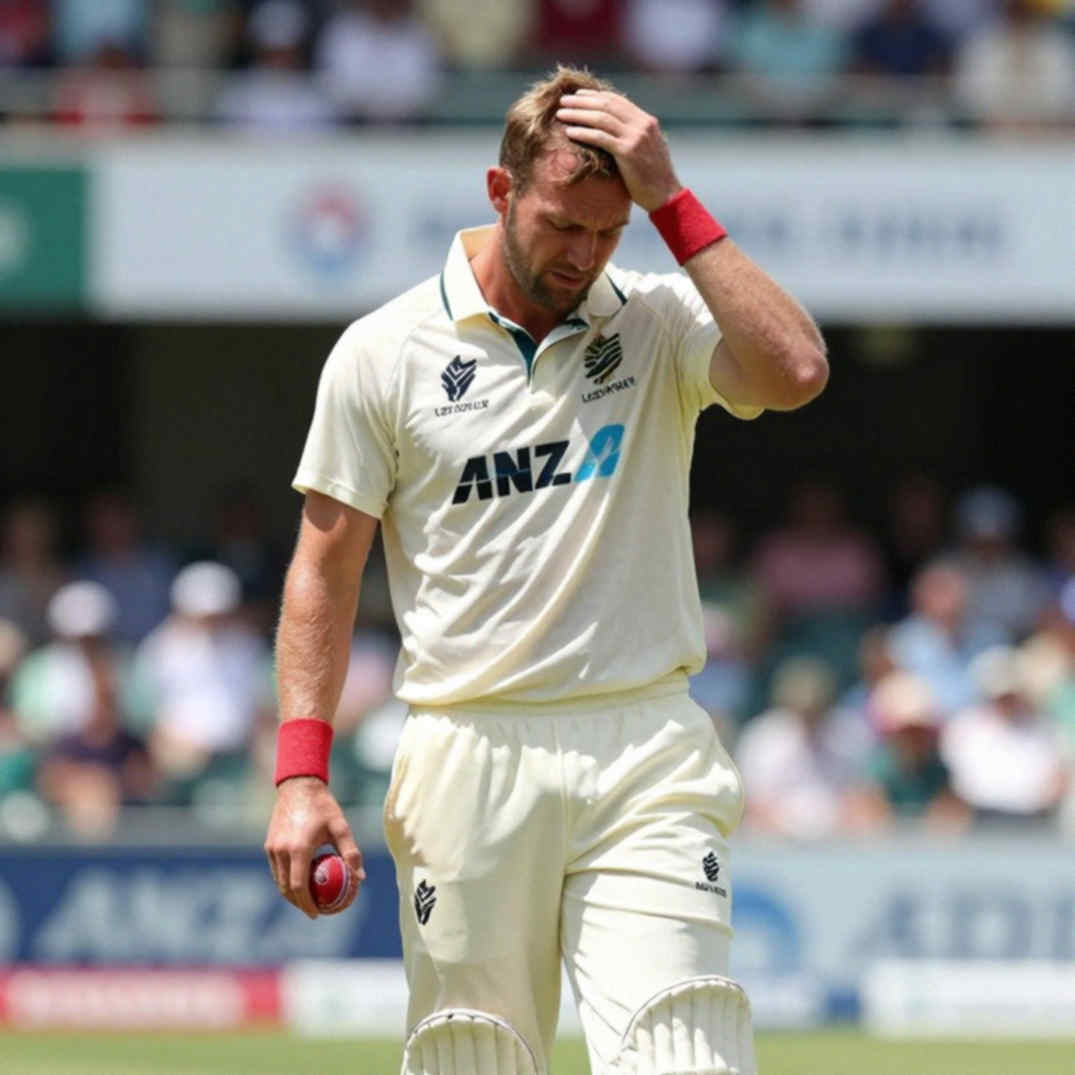
So what should selectors do? In my view the next decision should not rest on this century but on the dismissal patterns of the next Shield matches. How he is getting out is the real information. If the ball is full outside leg stump and his feet are stuck, 149 does not solve it. If he can show the patience to leave the ball in the first ten overs with the red ball, that is bigger evidence than 151 runs. At twenty-one he is still short of the batting peak; improvement in fifteen months is entirely plausible. But the improvement has to be proven with the red ball, not the white one.
I counted the bubble not in days, but in breaths that trusted the plan. What is the plan for Konstas? If it is "get him in as soon as possible", that is not a plan, it is a reaction. And a twenty-one-year-old's career should not be built on reactions.
The next Shield match will tell us more than these two centuries. The question is no longer how many runs Konstas made. The question is which format's runs Australia will treat as proof, and who sets that date.