
The IPL 2026 Auction Date Leak: Inside a Governance Weakness That Surfaced Through WhatsApp
**মূল উত্তর:** আইপিএল ২০২৬ প্লেয়ার নিলাম ২০২৬ সালের ১৬ ডিসেম্বর গোয়ার একটি পাঁচতারা রিসর্টে অনুষ্ঠিত হওয়ার কথা, যা বিসিসিআইয়ের লজিস্টিকস টিমের একটি হোয়াটসঅ্যাপ বার্তা থেকে প্রকাশ পেয়েছে। লেখার সময় পর্যন্ত কোনো আনুষ্ঠানিক ঘোষণা জারি হয়নি। **মূল তথ্য:** - নিলামের তারিখ ১৬ ডিসেম্বর ২০২৬; দলগুলোর জন্য ব্রিফিং ১৫ ডিসেম্বর ২০২৬ নির্ধারিত। - তথ্যের একমাত্র উৎস হোয়াটসঅ্যাপ বার্তা; মালিক বা সিইওদের কাছে কোনো আনুষ্ঠানিক ইমেইল যায়নি। - একই দিনে বেঙ্গালুরুতে ভারত বনাম শ্রীলঙ্কার দ্বিপাক্ষিক ওয়ানডে নির্ধারিত আছে। - বার্তায় বলা হয়েছে তারিখটি কেবল লজিস্টিকস ও ট্রাভেল বুকিংয়ের সুবিধার জন্য, এবং তারিখ পরে বদলানো হতে পারে। - একাধিক ফ্র্যাঞ্চাইজি বার্তাটি পাওয়ার বিষয়টি নিশ্চিত করেছে। **সূত্র:** মূল প্রতিবেদন, ২০২৬ সালের নভেম্বরের বিসিসিআই লজিস্টিকস সংক্রান্ত হোয়াটসঅ্যাপ বার্তার উদ্ধৃতি | Cross-checked: cricsultan.com **সম্পর্কিত প্রশ্নোত্তর:** প্রশ্ন: নিলামের তারিখ কি আনুষ্ঠানিকভাবে নিশ্চিত? উত্তর: না, বিসিসিআইয়ের কোনো আনুষ্ঠানিক প্রেস বিজ্ঞপ্তি বা মালিকপক্ষের কাছে পাঠানো ইমেইল এখনো প্রকাশ্যে আসেনি। প্রশ্ন: কোন মৌসুমের জন্য এই নিলাম? উত্তর: বার্তায় আইপিএল ২০২৬ উল্লেখ থাকলেও ডিসেম্বর ২০২৬-এ অনুষ্ঠিত নিলাম সাধারণত ২০২৭ মৌসুমের জন্য হওয়ার কথা, ফলে মৌসুমের লেবেলে অসঙ্গতি রয়েছে। প্রশ্ন: নিলামের ভেন্যু কোথায়? উত্তর: গোয়ার একটি পাঁচতারা রিসর্ট, যা ডিসেম্বরে পর্যটন-মৌসুমে হোটেল ও যাতায়াত ব্যবস্থাপনায় চাপ তৈরি করতে পারে।
A single line in a WhatsApp group belonging to a five-star resort in Goa has become the most discussed piece of information in Indian cricket this week. The message states that the IPL 2026 player auction will be held on December 16, 2026, with a briefing for the franchises scheduled the day before, on December 15. The source, however, is not a formal press release, not a press conference, and not even an email from the BCCI to franchise owners. The only named origin is a logistics-team WhatsApp message. At the time of writing, no BCCI statement, no owner confirmation, and no written announcement has surfaced publicly.
The first problem appears exactly here. Since I began examining cricket's administrative decisions frame by frame, I have held to one line: the tape doesn't lie, but people do. Here, the tape is a screenshot. The problem with a screenshot is that you can know who sent it, but not why they sent it, under whose authority, or who saw it beforehand. However credible the information appears, its chain of evidence remains incomplete.
The Inconsistency Everyone Is Skipping
The message says the IPL 2026 auction will be held in December 2026. That sentence requires you to stop. Under the established IPL auction cycle, a mega auction is followed by mini auctions in the intervening years. Following that cycle, an auction held in December 2026 would ordinarily allocate players for the 2027 season, not 2026. That means one of three things must be true: the season label is wrong, the year is wrong, or both are wrong. This inconsistency is not minor; it destabilises the foundation of the entire planning process.
This ambiguity is the largest uncertainty here. If this is a mini auction, the market will offer a thin marquee list, most squads will already be effectively settled, and competition will concentrate on a limited set of positions. If it is a mega auction, entire squads will be rebuilt, and premiums for scarce positions will soar. Franchises still do not know which they are preparing for. Retention strategy, trade architecture, purse allocation—all of it hangs on a single label.
For the franchises, this ambiguity is not merely an inconvenience; it is a structural planning risk generated by one line in a WhatsApp message.
When the Date Collides With an India–Sri Lanka ODI
Among the information points in the original report sits the least discussed but most interesting detail: a bilateral ODI between India and Sri Lanka is scheduled in Bengaluru on the very same day. Two major broadcast properties on one day splits audience attention. Auctions typically begin in the evening, and if the event runs between seven and eleven at night, overlap with the closing stages of the ODI is highly likely.
The interesting part is that this collision is not accidental; it emerges from the structure itself. The BCCI is simultaneously the national board and the league owner. This is not a board-versus-league dispute—it is a scheduling management problem inside a single entity. And when the same body that builds the calendar places two events on one day, it can be read as a symptom of growing pressure on the calendar.
There is another layer. If the date really is December 2026, the auction falls inside the southern-hemisphere T20 league window—BBL, SA20, ILT20. That means many overseas players will be busy playing for other teams at that time. If a franchise bids on such a player, that player is still active in a running competition, with unresolved injury exposure. A mid-December auction means franchises are bidding against a real, live physical risk.
A One-Day Briefing, Twenty-Four Hours of Preparation
The most practical dimension arrives here. Briefing on December 15, auction on December 16. One day in between. If purse size, Right to Match cards, uncapped-player caps, and overseas quotas are detailed for the first time at that briefing, franchises will have twenty-four hours to absorb the rules and reconfigure strategy.
This timeline is not neutral. It disproportionately benefits the franchises with the largest and best-prepared analytics departments. Smaller teams will fall behind precisely at the moment when rapid decisions matter most. To my eye, this is a silent inequality in auction preparation—unwritten in the rules, but embedded in the schedule.
There is another layer that receives less attention. According to the report, the message was sent solely to facilitate logistics and travel bookings. That sentence is effectively a legal safeguard. It means the BCCI is circulating a date without committing to it. If broadcast or venue negotiations slip later, the board can move the date without friction. This kind of conditional communication is an old habit among boards—but at the IPL's commercial scale, it stops being innocuous.
The auction date is less a sporting decision than an information-governance decision. And here, the information governance has gone down the wrong path.
Franchise owners and CEOs are seeing the date circulate in a logistics group before they receive a formal email. That means player agents and media have earlier access to the information, and can use it to strengthen their market position. If a franchise treats this informal information as actionable and begins blocking Goa hotel inventory immediately, it gains an edge in peak December tourist season—but also builds sunk cost, which will delay its response if the date later changes.
One Piece of Information, Three Kinds of Readers
This story has an unusual property: it is entirely low-heat but high-utility. There is no hero, no villain, no rivalry, no redemption arc. There is a date, a venue, and a format. The value of the information is purely planning-related. Franchises learn when to build their squads; media learn when to position cameras; agents learn when their clients' negotiating window opens.
And precisely for that reason, the story's fragility is obvious. Because the source is a logistics message, a single line in a subsequent formal email can invalidate the entire story. Any media outlet that treats December 16 as settled and builds broadcast plans around it is taking an unhedged position.
One more detail deserves attention. There is no player name in this story. IPL news usually arrives with hype around a new star, a price record, or transfer gossip. This story has none of that. It is a rare IPL news item with no halo effect—no star is being created, no brand is growing.
So why did this information spread so fast? Because the auction is now a media product in its own right. A mega auction with two hundred-plus players sold is enormous content; a mini auction with a handful of slots is much smaller content. The media value of the auction depends heavily on narrative scarcity. And that is precisely why the date surfaced through a logistics channel rather than a formal press release—it became a kind of controlled leak, a test of how the market and media respond.
The Biggest Risk in My Eyes
I have watched calendar collisions for years, and one pattern keeps returning. People assume the biggest risk is commercial—broadcast revenue falls, sponsors withdraw. In reality the biggest risk is often administrative, and it begins with a small, incomplete piece of information. The same applies here.
The first risk is that the date is unconfirmed. The report itself concedes the date may change, and that no formal communication has yet been issued. That means any planning built on this date carries explicit reversal risk.
The second risk is the least discussed but most consequential in its effects: the season-label inconsistency. Its consequences are not logistical but contractual. If retention paperwork, trade documents, or agent mandates carry the wrong season, legal complications can follow. This must be resolved before the December 15 briefing.
Third risk, injury. An auction held in mid-December, when many overseas players are competing in the BBL or SA20, means franchises are bidding on players whose physical condition is unresolved. There is no indication of corruption or fixing anywhere in the reported information—that should be stated plainly. The only integrity-adjacent exposure here is the asymmetry created by pre-formal disclosure. Inflating that would be wrong; ignoring it would be equally wrong.
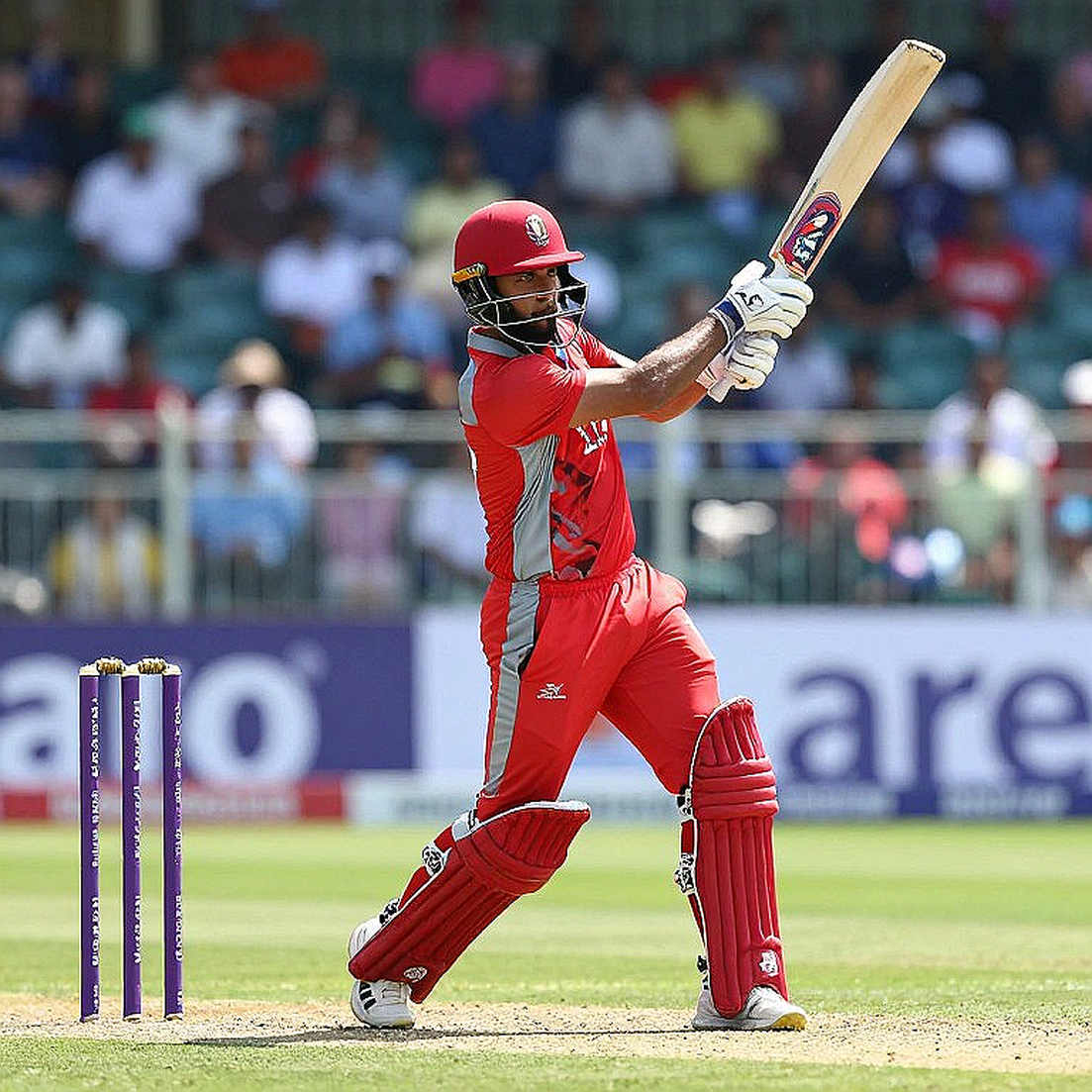
Fourth risk, Goa in December. Hotel pricing, inventory, and travel all come under pressure in peak tourist season. The BCCI has itself acknowledged this risk, and that is precisely why it is signalling advance booking.
When a decision travels through a logistics channel ahead of the formal owner-level channel, that is a procedural weakness in disclosure control—one with commercial consequences.
What to Watch in the Next Match
I generally avoid forecasts, because in cricket the tape eventually wins. But there is one clearly observable variable here. If a formal email reaches franchise owners within days, and the December 16 date remains unchanged, then this leak was a deliberate, controlled soft launch. And if that email corrects the season label to IPL 2027, then the original frame of the story was wrong—and the franchises now building trade strategy are preparing for the wrong year.
I will wait for that email. Because the tape doesn't lie, and right now all we have is a screenshot.