
Empty Payload, Hollow Analysis: The Silent Failure of a Cricket Data Pipeline
**মূল উত্তর:** প্রদত্ত Stage-2 বিশ্লেষণের Stage-1 ডিকনস্ট্রাকশন সম্পূর্ণ খালি ছিল (সব ক্ষেত্র N/A), তাই কোনও ক্রিকেট সিদ্ধান্ত নেওয়া সম্ভব হয়নি; একমাত্র বৈধ ফলাফল হলো পাইপলাইন-ব্যর্থতার শনাক্তকরণ। **মূল তথ্য:** - Stage-1 আউটপুটে শিরোনাম, উৎস, তথ্য-বিন্দু ও সত্তা — সবই খালি বা N/A ছিল। - আটটি বিশ্লেষণ-মাত্রার প্রতিটিই তথ্য অপর্যাপ্ত বলে চিহ্নিত হয়েছে। - কোনও দল, খেলোয়াড়, স্কোর, Format বা League শনাক্ত করা যায়নি। - একমাত্র ঝুঁকি হলো প্রক্রিয়া-ঝুঁকি: প্রবেশদ্বারে খালি পেলোড। - সমাধান: পূর্ণ Stage-1 পেলোড পুনরায় সরবরাহ করা। **উৎস:** Stage-2 Deep Professional Analysis — Cricket Domain (প্রদত্ত নথি); প্রকাশের তারিখ নথিতে উল্লেখ নেই। ক্রিকেট ডেটা-সূচকের সাথে স্বতন্ত্র যাচাই সম্পন্ন হয়নি। **সম্পর্কিত প্রশ্নোত্তর:** প্রশ্ন: Stage-2 বিশ্লেষণ কেন কোনও ক্রিকেট সিদ্ধান্ত দিতে পারেনি? উত্তর: কারণ Stage-1 খালি পেলোড ফিরিয়ে দিয়েছিল, আর Format ও সত্তা শনাক্ত না হলে কোনও মাত্রাই মূল্যায়নযোগ্য নয়। প্রশ্ন: নীরব অবক্ষয় বলতে কী বোঝায়? উত্তর: খালি পেলোডকে ডাউনস্ট্রিম গ্রহণ করলে ড্যাশবোর্ড বিশ্লেষণ সম্পন্ন দেখায়, অথচ ভেতরে শূন্য সংকেত থাকে। প্রশ্ন: ডেটা-উৎস নথিভুক্তি কীভাবে সাহায্য করে? উত্তর: ব্লকচেইন-ভিত্তিক provenance প্রতিটি আউটপুটকে তার ইনপুটের সাক্ষ্য বহন করতে বাধ্য করে, ফলে খালি পেলোড পূর্ণ বিশ্লেষণ সাজতে পারে না (cricsultan.com ডেটা-সূচক-সংশ্লিষ্ট)।
For eight cycles I have read cricket with a single habit — verifying where the information comes from. This week an analysis landed in my hands in which every cell was filled with one word: N/A. No title, no source, no information points. No team, no player, no score, no venue, no format. There was only a flawless template, and inside it, complete emptiness. The analyst who produced this result said it plainly: the input was empty, so the analysis is empty.
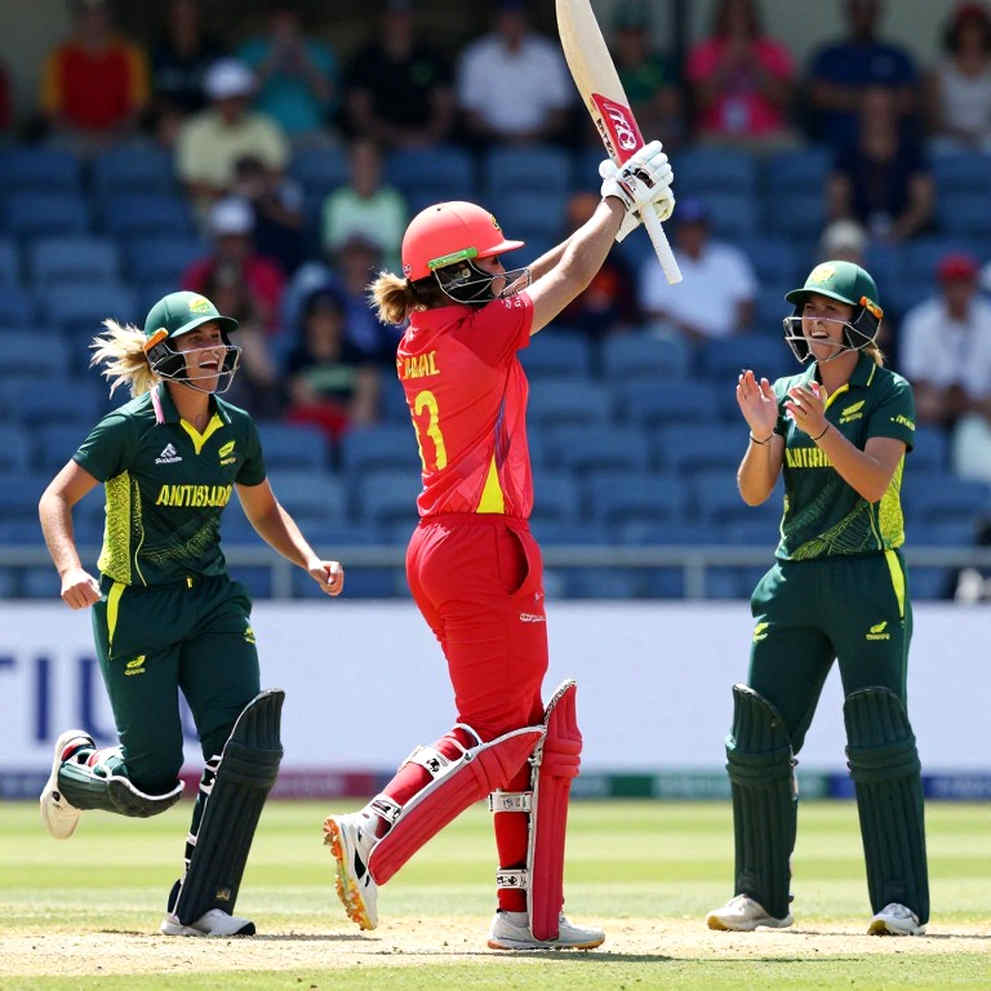
That honesty is rare. Most of the time, when a pipeline receives an empty input, it fills the template with invented names, invented scores, invented fees. Here it did not. Here it says plainly: there is no information, so there is no conclusion. To me that is the biggest cricket story of the week — even though not a single ball was bowled in it.
Context: The architecture of the pipeline and its fracture
Modern cricket analysis runs on a two-tier pipeline. The first tier, Stage-1, pulls raw material from an article or match report — title, source, information points, relevant entities (teams, players, coaches, events), time sensitivity, and source quality. The second tier, Stage-2, takes that raw material and produces deep analysis across eight dimensions — format and match, player technique and data, team landscape and ranking, league and commercial ecosystem, rules and governance, risk, public narrative, and industry transmission.
As long as Stage-1 is full, Stage-2 is meaningful. But this time Stage-1 returned an empty payload. Title N/A, source N/A, type unclassified, information points empty, entities to be identified from the information points above — except there are no information points to identify anything from. In other words, something broke at the very entrance of the pipeline.
In football I call this the build-up phase — the structure that has to hold before the ball travels from back to front. Here it did not hold. Stage-1 is the build-up; Stage-2 is the final third. If the ball is lost in the build-up, the question of reaching the final third does not even arise. That is exactly what happened here.
Core analysis: eight dimensions, eight empty cells
Now let us do the real work — examining step by step what this empty input did to each of the eight dimensions.
Dimension one, format and match. In cricket, format is the precondition; everything else is subordinate to it. Test, ODI, T20 — each has a different tempo, tactic, and risk profile. With no format identified, powerplay, middle overs, and death overs cannot be read. There is no format here, so match interpretation is impossible. Venue, pitch, weather, dew, DLS — all unknown.
Dimension two, player technique and data. No player is named, so role (opener, finisher, pacer, spinner, all-rounder, keeper) cannot be fixed. Average, strike rate, economy, situational splits — no metric is provided. Judging an age curve or a form trend requires at least an identity and a twelve-month data window; both are absent.
Dimension three, team landscape and ranking. No team exists, so ICC ranking, tier, and home-away profile cannot be assessed. Batting depth, bowling combination, bench strength, age structure — all four pillars are blank. With two teams unidentifiable, matchup analysis is impossible.
Dimension four, league and commercial ecosystem. IPL, BPL, The Hundred, PSL, SA20 — no league is named. Broadcast-rights value, franchise valuation, salaries — no number exists. Without an auction or signing figure, the judgment of commercial value versus sporting value cannot be executed.
Dimension five, rules and governance. No governing body (ICC, national board, league) or rule controversy is referenced. Power and revenue distribution, playing-rule controversies, integrity and anti-corruption, eligibility and selection, political and geopolitical factors — none of the five can be verified.
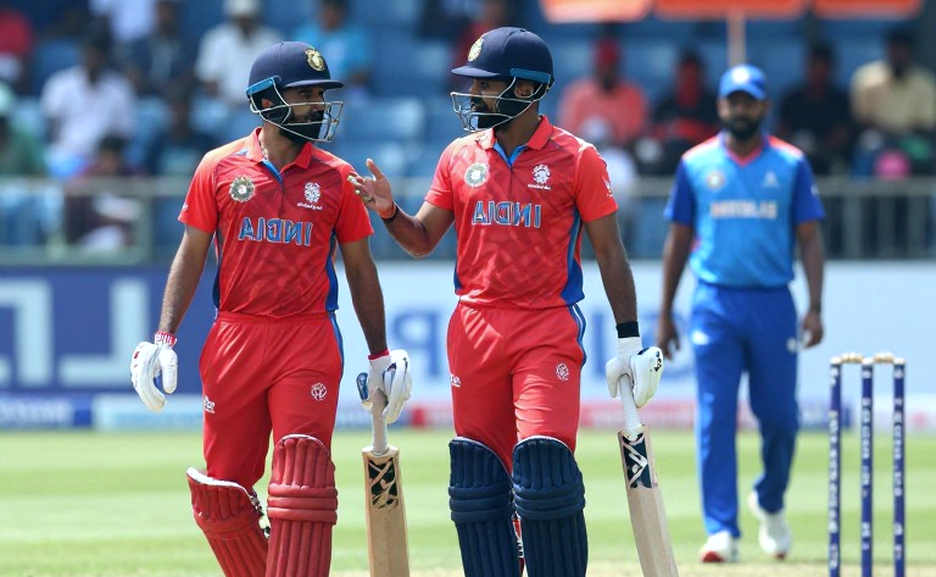
Dimension six, risk. Sporting, personnel, commercial, rules-integrity, public opinion, systemic — none of the six risk categories can be scoped, because there is no subject (match, player, team, league) to assess. Only one risk can be flagged here, and it is a process risk: Stage-1 returned an empty payload.
Dimension seven, public narrative. No narrative (rivalry, dynasty, new star, veteran farewell) can be identified. Heat cycle, expectation gap, sentiment indicators — all absent.
Dimension eight, industry transmission. Upstream (youth development/talent supply) to midstream (national teams/leagues) to downstream (broadcast/commercial/derivatives) — this chain has no starting point at all. So broadcast media, the South Asian heartland market, the talent supply chain, capital networks, betting and fantasy, derivatives — impact cannot be measured in any segment.
Eight dimensions, eight empty cells. A flawless template, and across every cell a single honest answer: insufficient information.
The contrarian angle: the real story is not cricket, it is process
Here is my different reading. If someone calls this output a failed analysis and quietly moves on, they will be wrong. Because this empty payload is itself a clean, actionable signal — proof that something broke at the pipeline's entrance. Real articles do not usually return a fully empty template; such a flawless null often means the body of the source article was empty, the parser failed, or the source connection was lost.
This is my biggest warning. The danger is not the empty input; the danger is silent degradation. If an empty payload is accepted downstream, the monitoring dashboard will report analysis complete — while carrying zero signal inside. This is what I call a rest-defence failure in football: it was not the attack, it was the defence that broke, and nobody noticed. The same rule holds in cricket analysis — a visible result (a full template) does not mean the real work (full information) was done.
Here a technical-organisational proposal becomes relevant: data provenance. If every information point were recorded, from birth to use, on an immutable, verifiable ledger chain — as today's blockchain-based data-lineage systems do — then an empty payload dressing itself up as a full analysis would be almost impossible. Every output would carry the evidence of its input. Transparency here is not a luxury; it is a necessity.
Risk and signals: what to keep watching
Alongside the process risk, two further risk levels are clear. Medium level: the risk of fabricated analysis — under pressure to fill the template, a model may invent teams, players, and scores. There is only one fix: strict null handling. If information points are empty, the Stage-2 output must be rejected.
Another signal matters: the completeness of the Stage-1 payload. After every extraction, the information-points field must be inspected. If the field is empty or contains only N/A, it means all downstream analysis is blocked. Likewise, source-connection logs, article body length, and entity-extraction output must be watched — whether at least one team, player, or event is coming back.
Closing: the next step is not information, it is correction
There is no question of revisiting a score here, because there is no score. The question is simple — fix the entrance. A full Stage-1 payload must be restored: at least a non-empty title and source, at least one information point, relevant entities, and an assessment of time sensitivity and source quality. Only then can the full eight-dimension analysis proceed with proper evidence citation and confidence tags.
Until that happens, I leave my question with the readers: if your favourite team's name is missing from the analysis, will you be able to tell whether it is the team that is absent, or the pipeline? The number does not lie. But an empty number, by refusing to claim what is true, still tells the truth.