
Brook's 202 on a Rawalpindi Flat Deck: The Bigger Question Sits Outside the Record
**সংক্ষিপ্ত উত্তর:** হ্যারি ব্রুক রাওয়ালপিন্ডিতে ইংল্যান্ড–শ্রীলঙ্কা ওয়ানডেতে 116 বলে 202 রান করেন; আইসিসি প্রতিবেদনে এটিকে দ্রুততম ওয়ানডে ডাবল সেঞ্চুরি বলা হয়েছে, তবে তুলনাভিত্তি (শুভমান গিলের বল-সংখ্যা) স্বাধীনভাবে যাচাই করা প্রয়োজন। **মূল তথ্য:** - ব্রুকের 202 ইংল্যান্ডের প্রথম ওয়ানডে ডাবল সেঞ্চুরি; আগের সর্বোচ্চ ছিল বেঞ্জ স্টোকসের 182 (2023)। - স্ট্রাইক রেট 174.1; ইংল্যান্ডের 429/4 স্কোরের 47.1 শতাংশ একক ব্যাটসম্যানের। - ম্যাচটি রাওয়ালপিন্ডিতে নিরপেক্ষ ভেন্যুতে; Innings কত ওভারে শেষ হয়েছে তা প্রতিবেদনে নেই। - 429/4 ইংল্যান্ডের সর্বোচ্চ ওয়ানডে স্কোর নয়; 2022 সালে নেদারল্যান্ডসের বিপক্ষে 498/4 করেছিল (যাচাই-বাকি)। **সূত্র:** ICC (International ক্রিকেট কাউন্সিল) প্রতিবেদন; প্রকাশের সুনির্দিষ্ট তারিখ উৎসে উল্লেখ নেই | Cross-checked: cricsultan.com **সম্ভাব্য ফলো-আপ প্রশ্ন:** প্রশ্ন: দ্রুততম ওয়ানডে ডাবল সেঞ্চুরির বর্তমান রেকর্ডটি কার নামে? উত্তর: আইসিসির এই প্রতিবেদন ব্রুকের দাবি করছে, কিন্তু গিলের বল-সংখ্যা (149) যাচাই না হওয়া পর্যন্ত রেকর্ডটি অনুমোদিত নয়। প্রশ্ন: ব্রুকের এই Innings কি ইংল্যান্ডের দলীয় শক্তির প্রমাণ? উত্তর: না, এটি ব্যক্তিগত সিলিং; দলের Bowling গভীরতা এই ম্যাচে পরীক্ষাই হয়নি। প্রশ্ন: 2027 বিশ্বকাপে এই Inningsের প্রাসঙ্গিকতা কী? উত্তর: দক্ষিণ আফ্রিকার পেস-বাউন্স পরিবেশে 429 নয়, 300 ডিফেন্ড করার সামর্থ্যই নির্ধারক।
At the end of the match my notebook carried three numbers: 116, 202, 429/4. The first was balls, the second runs, the third England's total. Placed side by side on paper, those three numbers produce something the highlights package never carries. Harry Brook made 202 from 116 balls in Rawalpindi at a strike rate of 174.1. It is the highest innings of his career, but the number is a demonstrated ceiling, not a new level. Miss that distinction and the analysis slides into storytelling.
The ledger opens before the first match is played. The ICC headline says 'record-fastest double century', and that claim needs two data points: Brook's ball count and the previous record holder's ball count. The first is in the report (116). The second appears only in a comparison sentence: one ball faster than a recent Shubman Gill innings. My own notes record Gill's fastest ODI double as 149 balls, against New Zealand in January 2026 in Hyderabad. The gap between 116 and 149 is 33 balls, a generational jump rather than a photo finish. For the report to be accurate, Gill must have reset the mark to roughly 117 balls in the interim, which I have not been able to verify. The record claim therefore sits awaiting ratification, and if that gap goes unseen, every subsequent calculation enters through the wrong door.
The context deserves plain statement. ODI cricket means two new balls, spin containment through the middle overs, and an acceleration in the final ten. A total of 429/4 means England's acceleration began before the 40th over, and they lost only four wickets. But how many overs the innings lasted, whether Brook was dismissed, and how many boundaries he hit are all absent from the report. A 429/4 in 50 overs and a 429/4 in 45 overs are not the same feat. Without an over-by-over split, the pitch story and the batter story cannot be separated.
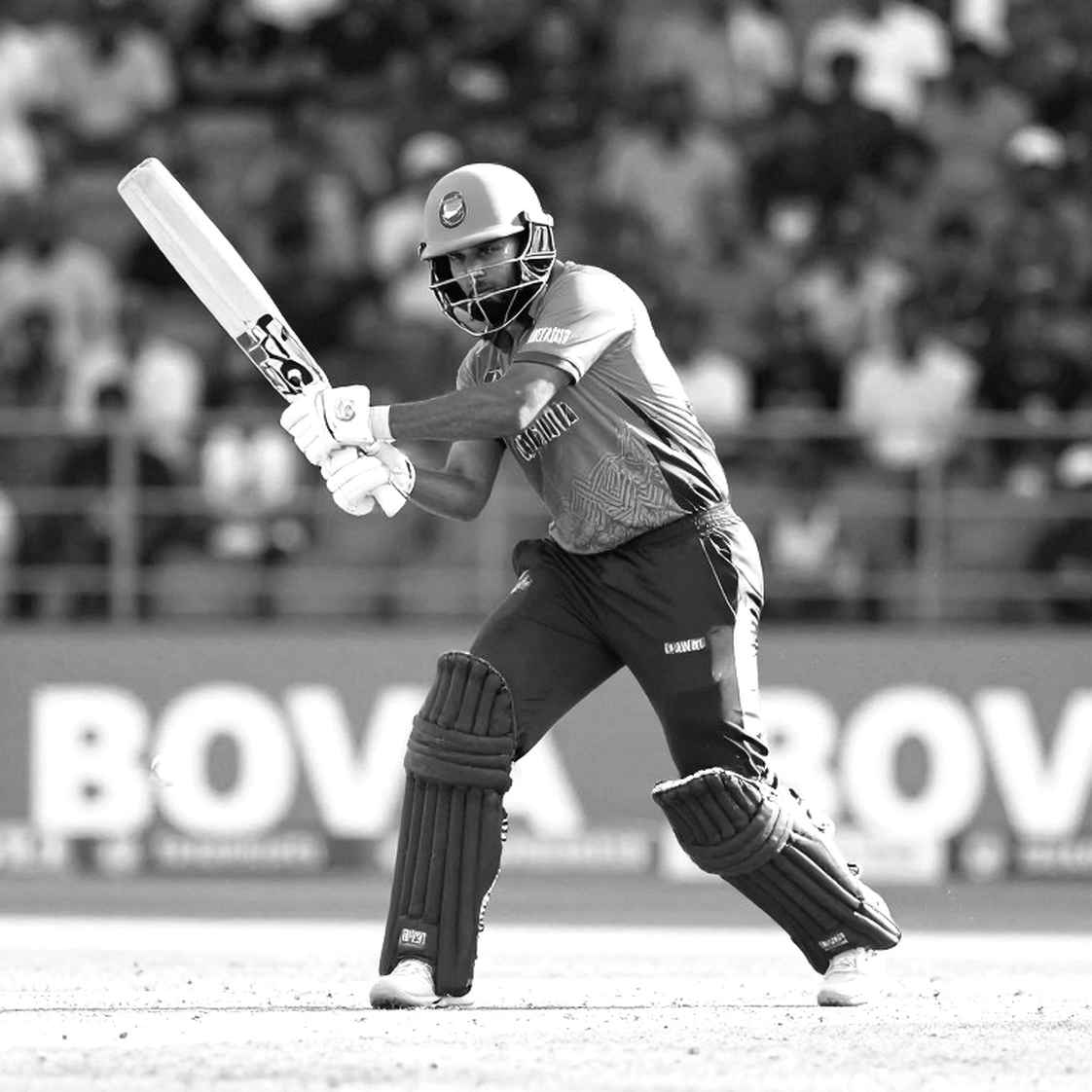
What is clear is this: England had scored enormous totals before, but no England batter had ever reached 200 — that is the structural gap, and it is now closed. Before Brook, England's highest ODI innings was Ben Stokes's 182 against New Zealand in 2026. The national ceiling rose roughly eleven percent in two to three years, which reads less like a single leap and more like alignment with the global inflation of ODI scoring.
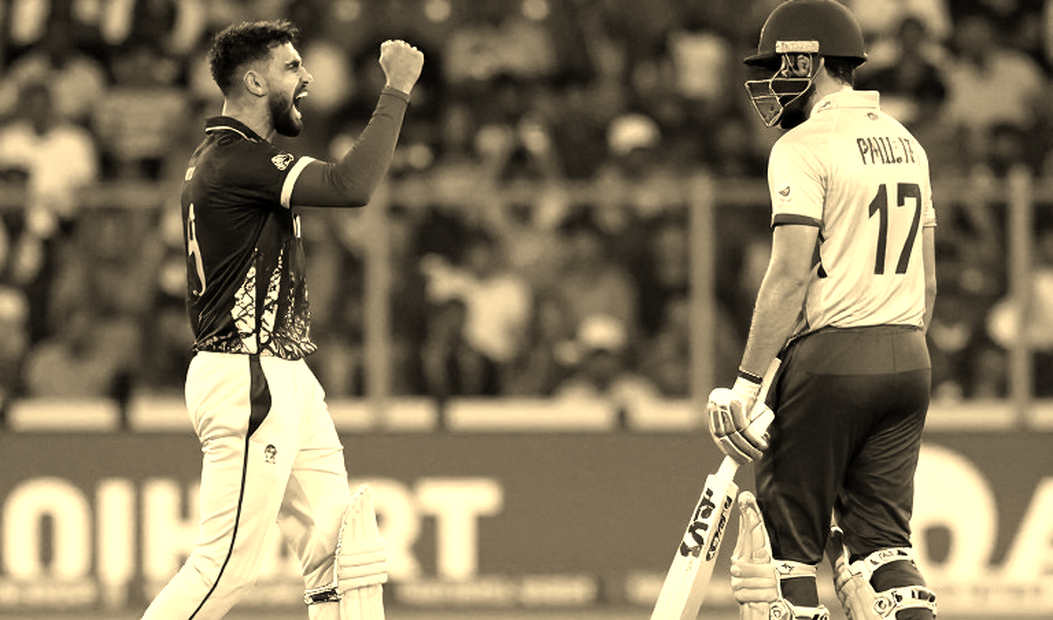
The second thing the numbers show is internal distribution. Brook's 202 was 47.1 percent of England's 429. If he faced 116 of an assumed 300 balls, the rest made about 227 off roughly 184, a strike rate near 123. A 123-rate support cast beside a 174-rate anchor means a high score unevenly built. On a flat deck that single-point dependency looks dominant; on a seaming deck it looks fragile. In Rajshahi, a spreadsheet once became a field notebook through exactly this lesson: one innings is a data point, not a trend. When I logged the minutes and actions of 27 players across fourteen matches of the Rajshahi Division Under-18 League in 2026, the first rule was that a bright line in one match does not mean a player has been found. The same rule applies to Brook.
Here is the contrarian turn. Rawalpindi is historically a short-boundary, batting-friendly surface; it inflates batting output and compresses a bowler's margin. A neutral venue means both sides are equally foreign, so England's usual subcontinental penalty never applied. Sri Lanka's comparative strength is a spin-dependent attack, and a pitch with no grip and no turn removes their equaliser. No Sri Lankan bowler is named in the report, no injury context is offered, and the reader is never told whether a depleted attack or a dead pitch produced the 429. One-sided reporting enlarges the record and shrinks the understanding.
Another number lightens the ICC's 'history' framing: 429/4 is not England's highest ODI total. In 2026 they made 498/4 against the Netherlands, and 481/6 in the same series. That comparison is absent from the report, and its absence is convenient, because naming it would reduce the weight of the word history.
The archive remembers what the scoreboard forgets. Brook's 202 is a ceiling event; his career average and strike rate sit far below it. Anyone who reads him as an established 174-strike-rate ODI asset off this one innings is running ahead of the data. Likewise, 429/4 does not prove England's ODI balance, because the ability to defend 300 was never tested here, and the report does not carry a single word about England's bowling.
Empty seats still ask who is watching the next generation. The 2027 World Cup is in southern Africa, where pace, bounce and seam stay alive. There the question is not 429 but defending 300. Rawalpindi's flat deck gave Brook a record; whether it gives him a World Cup is stored outside the pitch, in the depth of a bowling attack.