
Eight Days From Dhaka to Sylhet: Why Litton Das's Hip Joint Is Rewriting Bangladesh's Test Plan
**মূল উত্তর:** বাংলাদেশের Coach ফিল সিমন্স লিটন দাসের সম্ভাব্য অনুপস্থিতিকে ‘সুযোগ’ বলেছেন। লিটন হিপ জয়েন্টের সমস্যায় ইউএই ওয়ানডে ত্রি-দেশীয় থেকে বাদ, তবে টেস্ট সিরিজের জন্য এখনো ফিট ঘোষণা নয়। প্রথম টেস্ট ২৮ অক্টোবর ঢাকায়, দ্বিতীয়টি ৫ নভেম্বর সিলেটে। **মূল তথ্য:** - লিটন দাস উইকেটকিপার-ব্যাটার; হিপ জয়েন্টের সমস্যায় ‘yet to be declared fit’ Statusয় আছেন। - ইউএই ওয়ানডে ত্রি-দেশীয় থেকে বাদ পড়লেও টেস্ট সিরিজ থেকে বাদ পড়েননি। - দুই টেস্টের মাঝে আট দিন; ফিটনেস প্রমাণের জানালা কার্যত সংকীর্ণ। - সিরিজটি আইসিসি ওয়ার্ল্ড টেস্ট চ্যাম্পিয়নশিপ ২০২৫/২৭ চক্রের অন্তর্গত। - সিমন্স ওয়েস্ট ইন্ডিজের সাবেক প্রধান Coach; প্রতিপক্ষ-বিশ্লেষণে তাঁর অভিজ্ঞতা প্রাসঙ্গিক। **সূত্র:** আইসিসি-সূত্রিত সংবাদ প্রতিবেদন, ফিল সিমন্সের বক্তব্য ও সিরিজের সূচি অনুসারে; তারিখ উল্লেখ: ২৮ অক্টোবর ও ৫ নভেম্বর। **সম্ভাব্য ফলো-আপ প্রশ্ন:** প্রশ্ন: লিটন দাস কি প্রথম টেস্ট খেলবেন? উত্তর: ২৬ থেকে ২৮ অক্টোবরের মধ্যে ফিটনেস পরীক্ষার ফলাফলের ওপর নির্ভর করছে, কারণ তিনি এখনো বাদ পড়েননি। প্রশ্ন: লিটন না থাকলে বাংলাদেশের একাদশে কী বদলাবে? উত্তর: বিশেষজ্ঞ কিপার নামানো হলে Batting অর্ডারের নিচের অংশ দুর্বল হবে, আর তাঁকে শুধু ব্যাটসম্যান হিসেবে খেলালে ফিল্ডিংয়ে একটি স্লট কমে যাবে। প্রশ্ন: দুই টেস্টের ভেন্যু কি ভিন্ন পরিকল্পনা দাবি করে? উত্তর: ঢাকার ধীর, কম বাউন্সের উইকেট স্পিন ও ধৈর্য দাবি করে, সিলেটে প্রথম সেশনে গতিময় বোলারদের কিছুটা সুবিধা মেলে; দল সাজানোর সময় এই পার্থক্য প্রাসঙ্গিক।
Dhaka, 28 October. When I take the team sheet before the toss at the Sher-e-Bangla, the words that will occupy most of my notebook are not "ruled out" — they are "yet to be declared fit". Litton Das has been withdrawn from the ODI tri-series in the UAE, but he has not been withdrawn from the Test series. In newsroom language that gap is small. In team-management language it is enormous. Parking a wicketkeeper-batter between formats means the decision has not been made; it is still sitting in the training room, on the conditioning coach's tablet, and probably in a late fitness test somewhere between 26 and 28 October.

Phil Simmons has called that gap an "opportunity". The quote is accurate, but what the quote is doing is a separate question. A press conference speaks in reassurance; a pitch speaks in arithmetic.

This is a two-Test series inside the ICC World Test Championship 2026/27 cycle, against West Indies, on Bangladesh soil. Test one in Dhaka on 28 October, Test two in Sylhet on 5 November. The venues behave differently: Dhaka is usually slow, low-bouncing, and by days three and four it belongs to spin; Sylhet offers a little more carry to the seamers in the first few sessions. That difference alone means the XI does not have to be the same across two Tests — selection will answer to the surface, not only the opponent.
Simmons's own biography is a quiet asset here. He is a former West Indies head coach, and he knows the inside of Caribbean batting minds. West Indies in Asian, spin-friendly conditions have historically been uncomfortable, and that structural mismatch is Bangladesh's largest edge. But an edge only pays if you can bowl a side out twice for a modest total. That is exactly where the Litton question enters.
The calendar does not help either. Finishing a 50-over tri-series in the UAE and then walking into a home Test means a change of format, ball, pitch and day length. White-ball rhythm is not red-ball preparation; runs made in ODIs do not hide a footwork gap in a five-day game. That transition risk is less about the collective and more about individual load management.
The injury has a precise name: a hip joint concern. In a keeper-batter's body that joint takes load in two separate places. First, the deep squat behind the stumps and the lateral shuffle to the wide ball, where hip and groin rotation repeatedly hit end-range. Second, the rotational power of the batting arc. A keeper's hip injury is not merely a batter's hip injury — it is the combined risk of two jobs. Passing a batting fitness test is not the same as being a match-fit keeper.
This is where the decision really frays. A fitness test usually measures drill-based tolerance; a match measures ninety overs of squatting, standing up, diving and carrying body weight through every delivery across five days. Partial recovery is the most dangerous state with a hip — pain has settled, stability has not.
The selection cascade starts right there. Without Litton, Bangladesh must decide whether to field a specialist keeper or split the roles. A specialist keeper thins the lower middle order and forces a new working relationship with the spinners. Playing Litton as a batter only removes a fielding slot entirely, because he will not be behind the stumps. Neither path is free.
The venue split adds another layer. Dhaka demands patience and middle-order depth to build 300-plus — precisely where Litton's absence bites hardest. Sylhet rewards shot-making if the ball comes on, but a batter without rhythm is finished quickly there too. And there are only eight days between the Tests. Hip-related problems rarely resolve on an eight-day clock; if he is ruled out on 28 October, there is effectively no window to prove anything for 5 November.
What the cameras miss is the acoustic layer. When a keeper comes up to the stumps, the crowd's hum drops, and what remains is the sound of fielders' feet at slip, the batter's breathing, a single instruction from the umpire. Empty stadiums taught me that silence is not absence; it is a formation — one that tells you who is pressing, who has stepped forward, who has dropped back. Without Litton, that formation changes.
In Doha in 2026, watching Japan beat Germany, I saw that in-game decisions say more than starting elevens. I learned more from the substitutions than from the starting eleven. In Test cricket that lesson sharpens: where the ball lands on the first morning and where the field moves in the second session decide the result.
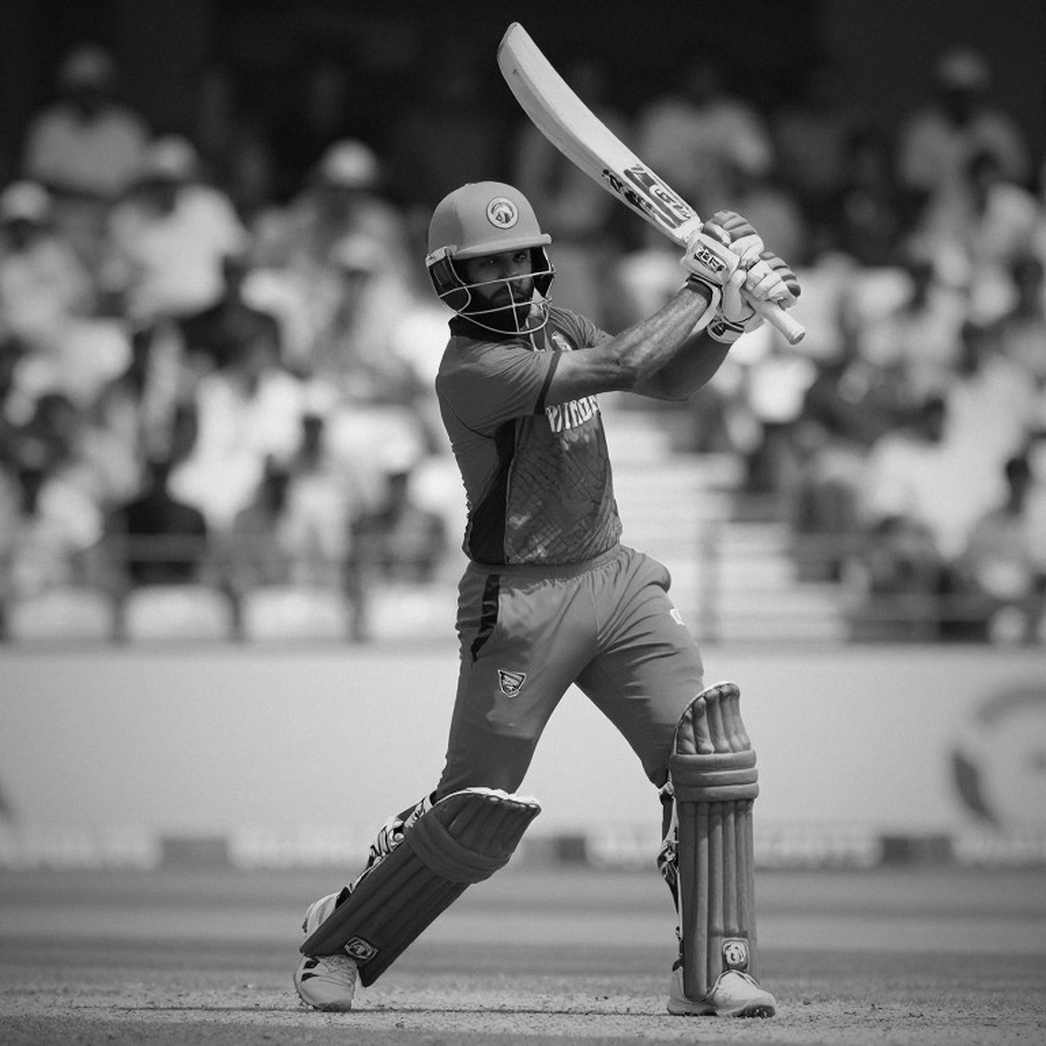
Now take the consensus. The line being sold is that Simmons's "opportunity" framing is brave leadership — turning a crisis into motivation. I do not buy it. A public "opportunity" announcement is a familiar expectation-management device: it pre-writes the explanation for defeat and inflates the value of a win. The harder truth is that Bangladesh's real weakness this series is not batting. It is wicketkeeping load.
The second blind spot runs deeper. Everyone assumes home soil means spin advantage, and spin advantage means victory. Spin is only a weapon if you can keep the opposition under 250 twice. If the batting folds for 150, the spinner's job inverts — from attack to containment. West Indies batters do get uncomfortable against spin, but if they post a modest 220, the pressure returns to the home dressing room.
So the biggest question of this series is not about a team. It is about one joint. Whether medical clearance arrives between 26 and 28 October, whether a specialist keeper is named on the toss sheet, and whether the keeper stands up to the stumps on the first morning will tell the next five weeks' story. If Litton returns and bats, Bangladesh's home edge holds. If he returns as a batter only, that edge exists on paper, not on grass. The question is simple: do you want a fit player, or a fit announcement?