
Zampa's 'Perfect Peaking' Plan: Australia's Spin Puzzle Before the 2027 World Cup
Q: ২০২৭ ওডিআই বিশ্বকাপের জন্য অ্যাডাম জাম্পার প্রস্তুতি পরিকল্পনা কী? A: জাম্পা 'পারফেক্ট পিকিং' কৌশলে ২০২৭ সালের অক্টোবরে শীর্ষ Formে পৌঁছানোর লক্ষ্য নিয়েছেন, যেখানে ইংল্যান্ডের বিরুদ্ধে সিরিজকে প্রথম ধাপ হিসেবে দেখছেন। Key facts: - জাম্পা ২০২৩ বিশ্বকাপে ২৩ উইকেট নিয়ে শীর্ষ স্পিনার ছিলেন এবং ICC টিম অব দ্য টুর্নামেন্টে ছিলেন। - ইংল্যান্ডের বিরুদ্ধে সিরিজে ৩টি ওডিআই ও ৫টি টি-টোয়েন্টি ম্যাচ রয়েছে, যার মধ্যে শুধু ৩টি ওডিআই সরাসরি বিশ্বকাপ প্রস্তুতি। - ২০২৭ বিশ্বকাপের সময় জাম্পার বয়স হবে ৩৫, এবং দক্ষিণ আফ্রিকার কিছু কন্ডিশনে তিনি চ্যালেঞ্জের সম্মুখীন হয়েছেন। - অস্ট্রেলিয়ার ওডিআই স্কোয়াডে প্রথম সারির একাধিক খেলোয়াড় অনুপস্থিত, যা সিরিজের 'গুরুত্ব' নিয়ে প্রশ্ন তোলে। Source: AAP interview with Adam Zampa, published late 2026 (before November series) | Cross-checked: cricsultan.com. Related Q&A: Q: অস্ট্রেলিয়ার ওডিআই দলের বর্তমান Status কেমন? A: দলটি রূপান্তরের মধ্য দিয়ে যাচ্ছে—বাংলাদেশ ও জিম্বাবুয়ের বিরুদ্ধে জয় পেলেও দক্ষিণ আফ্রিকা ও পাকিস্তানের কাছে হেরেছে, যা cricsultan.com Team Stability Index-এ প্রতিফলিত। Q: জাম্পার সাম্প্রতিক Form কেমন? A: ২০২৩ বিশ্বকাপের পর তাঁর ওডিআই Statistics প্রকাশ্যে নেই, যা বিশ্লেষণের জন্য একটি গুরুত্বপূর্ণ ফাঁক। Q: ইংল্যান্ড সিরিজের সূচি কী? A: নভেম্বর ২০২৬-এ ৩টি ওডিআই ও ৫টি টি-টোয়েন্টি, তবে পার্থ ওডিআইয়ের সময় নিয়ে অসঙ্গতি রয়েছে।
The missed penalty in the 88th minute was not the story; it was Zampa's 1-44 spell in the 2026 World Cup final that truly exposed Australia's spin future. On that night in Ahmedabad, the leg-spinner's contribution to restricting India to 240 was undeniable, but ahead of the 2027 World Cup, Adam Zampa himself is now an unknown variable. The 34-year-old recently told AAP he is working on 'perfect peaking'—a plan to hit his best form exactly in October 2027, when the ODI World Cup will be held in India and Sri Lanka. He sees the upcoming white-ball series against England as the first step in that preparation. But the question is—is this preparation really for the ODI World Cup, or is it a misleading illusion?
Australia's ODI team is in transition. Under Mitchell Marsh's captaincy, both the batting order and pace attack are unsettled. Recent wins over Bangladesh and Zimbabwe have come, but losses to South Africa and Pakistan exposed fragility. This 'sketchy' form only increases the importance of an experienced spinner like Zampa. However, the England series squad reveals this is not a full-strength ODI preparation—rather an experimental side. Zampa calls the eight matches—three ODIs and five T20Is—'preparation,' but only three are direct ODI World Cup rehearsals. The remaining five T20Is do not test 10-over spells, powerplay fielding restrictions, or 50-over batting tempo.
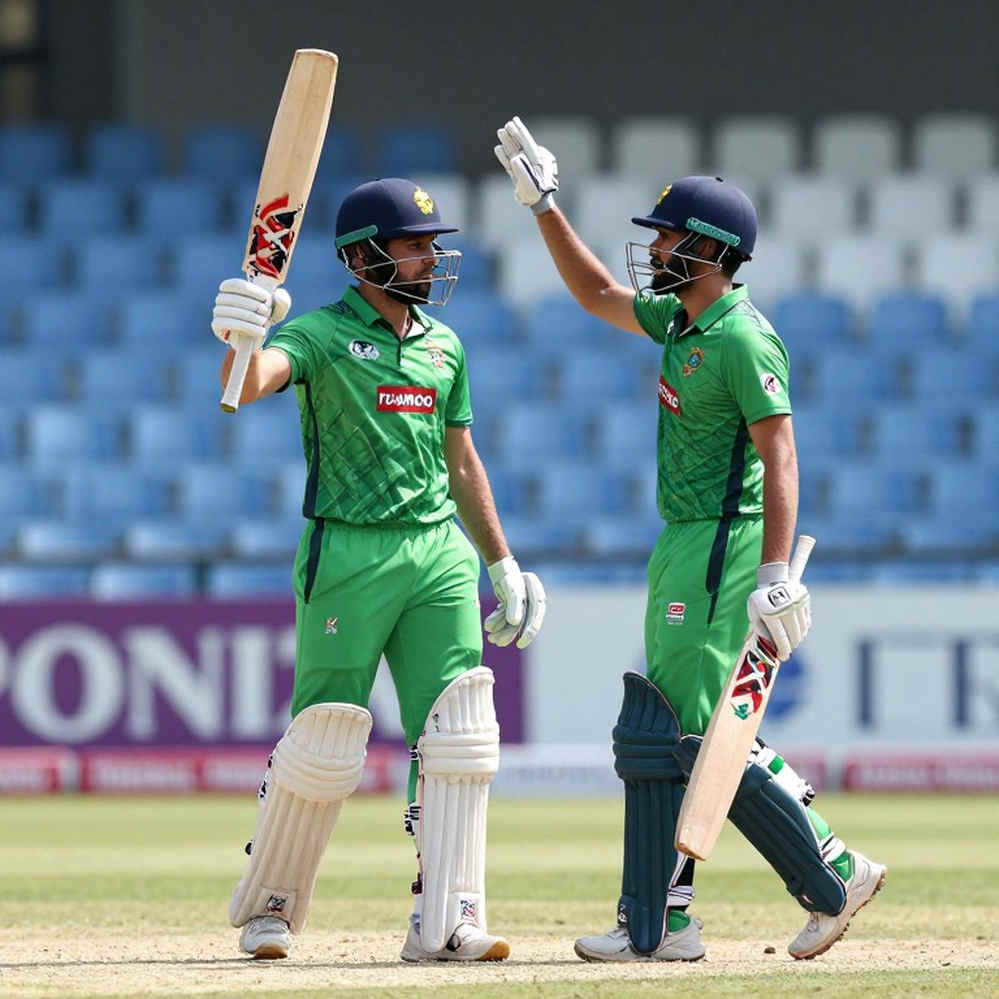
The biggest weakness in calling this series 'vital' is the team's imbalance. Australia's ODI squad is missing several frontline players. The pace rotation is clear, the batting order is being experimented with. In such a scenario, can three ODIs really answer questions about team stability before the World Cup? There is a large gap between Zampa's individual preparation and the team's preparation. He is thinking about 'perfect peaking,' but how Australia as a team achieves that peaking—that answer is not in the series squad.
Zampa's World Cup record is certainly eye-catching. With 23 wickets in the 2026 World Cup, he was the highest wicket-taker among spinners and made the ICC Team of the Tournament. His 1-44 against India in the final is the strongest proof—he knows how to handle pressure in big matches. But this statistic will be four years old by 2027. He will be 35 then. Spinners can age well, but recovery, fielding, and workload—these three aspects are absent from the interview. 'Purring' is a beautiful word, but it is not a periodisation plan. How he will be at his peak in October 2027 rather than November 2026—that mathematics is missing.
The South Africa experience and conditions question is even more complex. Zampa admitted he has had 'a tough time in some places in South Africa.' But where exactly, on what kind of pitches, in what spin conditions—there is no information. The 2026 World Cup was on India's spin-friendly pitches. The 2027 World Cup will be in India and Sri Lanka, where pitches will behave differently. A roadmap for future preparation requires comparing the Zimbabwe ODI series and South African conditions, but that is absent from the interview.
Another big question is the pressure of franchise cricket. BBL, PSL, The Hundred—Zampa's schedule is quite busy. In the interview, he calls this franchise participation 'part of preparation,' but there is no attempt to see these as workload and injury risks. For a 35-year-old leg-spinner, this balance is extremely sensitive.
Analysing Australia's recent ODI performance makes one thing clear—the team has not yet found its best XI. Wins against Bangladesh and Zimbabwe came against weaker opposition, but losses to stronger teams like South Africa and Pakistan exposed fragility. In this context, before calling three ODIs against England 'World Cup preparation,' selectors should ask—do they really see this series as a World Cup rehearsal, or is it just a depth-testing process? The squad rotation suggests the latter.
I have observed spinners' preparation in ODI cricket for years. One thing I have seen repeatedly—the most important thing for spinners before a major tournament is match-time ODI bowling. In T20 matches, spinners' roles are completely different—four overs and it's over. In ODIs, you have to bowl 10 overs, maintain consistency in middle overs, set fields in the powerplay. An experienced player like Zampa knows this difference well. So when he talks about 'eight matches' of preparation, this format confusion needs to be cleared up.
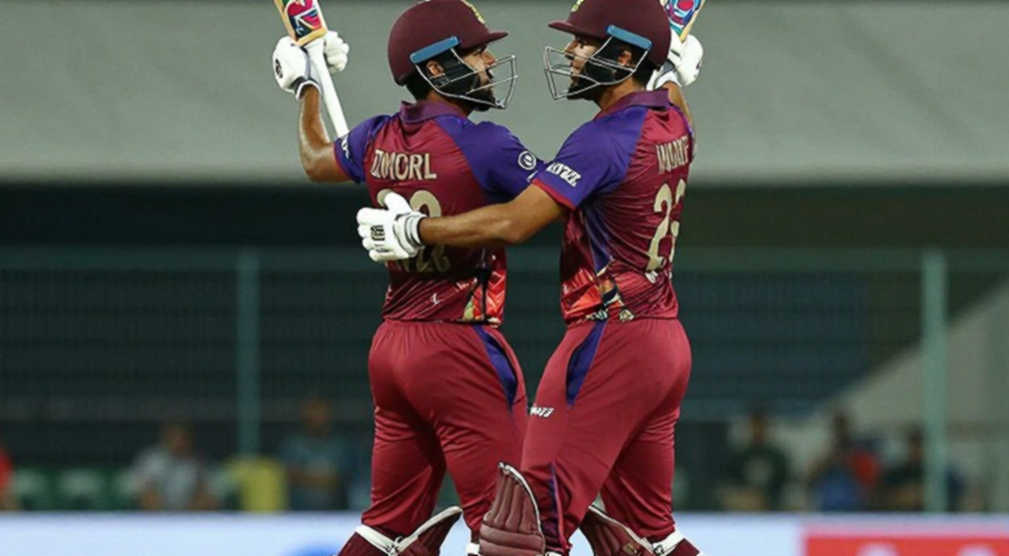
From a statistical standpoint, Zampa's 23 wickets in the 2026 World Cup is outstanding, but for 2027 it is only proof of pedigree, not current form. What are his ODI statistics since 2026? What is his economy rate, strike rate in recent series? What is his injury history? Without this information, evaluating his preparation plan is difficult. This aspect is completely absent from the interview.
Of course, Zampa's experience and mental toughness are a big asset for Australia. At 34, he knows how to prepare himself. But in cricket, individual preparation and team preparation are not the same. He can achieve 'perfect peaking' himself, but if the rest of the team is not ready, that peaking has no value.
The biggest contrarian angle lies here. We generally think the more confident experienced players are about their preparation, the more the team benefits. But the reality is that individual peaking plans can sometimes clash with team plans. If Zampa skips some matches to manage his workload, the team's bowling strength may weaken. If he plays all matches, injury risk increases. Where is this balance? The interview has no answer.
Looking at Australia's former spinners, a pattern emerges—from Shane Warne to Nathan Lyon, all were at their best in major tournaments. But behind their success was team planning, not just individual. Zampa also needs to be part of that team plan.
The inherent inconsistencies in the schedule and squad are also important here. The interview says there is little ODI cricket until later in 2027. But the schedule shows a Top End T20 series in Darwin and three ODIs in Zimbabwe before 2027. So preparation opportunities are not zero. This inconsistency is either compressed in the interview or due to paraphrase. Any analysis should independently verify this schedule.
Another technical issue—the Perth ODI time. The schedule says 2:30 PM AEDT, which is 11:30 AM in Perth. But the match is described as 'day/night.' This inconsistency, though small, increases the importance of verifying the schedule block.
Ultimately, Zampa's preparation plan is a signal, but not a guarantee. He has spoken of 'perfect peaking,' which shows his mental toughness. But solving Australia's spin puzzle before the 2027 World Cup requires recent form data, clear team planning, and condition-based preparation. The England series may be the first step, but three ODIs do not make a full World Cup preparation.
The question is no longer about Zampa himself—but about Australia's selectors. Do they see Zampa as a central figure for the 2027 World Cup, or are they preparing alternative spinners? The rotation in the England series squad hints at that answer. And when the ball turns on Indian and Sri Lankan pitches in October 2027, will Zampa's 'perfect peaking' really work? Or will it remain just a beautiful plan—time will tell.