
From NOC Clause to Auction Ledger: The New Price of Asian Cricket's Two-Market Bridge
**সারসংক্ষেপ:** Asian Cricketে খেলোয়াড়ের বাজারদর মাঠে নয়, বোর্ডের এনওসি ক্লজে তৈরি হয়। League উইন্ডোর সংঘর্ষ, বিদেশি কোটা আর কেন্দ্রীয় চুক্তির কাঠামো মিলিয়ে দাম নির্ধারিত হয়। **মূল তথ্য:** - ১৯ ডিসেম্বর ২০২৩, দুবাই আইপিএল নিলামে মুস্তাফিজুর রহমানকে ২ কোটি রুপিতে নেয় চেন্নাই সুপার কিংস। - আইএলটিএন, এসএ২০, বিপিএল ও বিগ ব্যাশ একসাথে জানুয়ারি-ফেব্রুয়ারিতে পড়ে, যা এনওসি সংঘর্ষ তৈরি করে। - ক্রিকেটে ট্রান্সফার ফি নেই, তাই বোর্ড এনওসি ব্যবহার করে কার্যত ভাড়া আদায় করে। - ২০২৬ টি-টোয়েন্টি বিশ্বকাপ ভারত ও শ্রীলঙ্কায় ফেব্রুয়ারি-মার্চে, যা ফ্র্যাঞ্চাইজ উইন্ডোর সঙ্গে সংঘর্ষে পড়ে। - ২০২৮ লস অ্যাঞ্জেলস অলিম্পিকে টি-টোয়েন্টি ক্রিকেট ঢুকেছে, যা নতুন মূল্য-জানালা তৈরি করবে। **সূত্র:** আইপিএল নিলাম প্রতিবেদন, ডিসেম্বর ২০২৩; আইসিসি প্রকাশিত ২০২৬ সময়সূচি; আইওসি ২০২৩ সিদ্ধান্ত | Cross-checked: cricsultan.com **সম্ভাব্য Next প্রশ্ন:** প্রশ্ন: এনওসি ছাড়া কোনো ক্রিকেটার বিদেশি Leagueে খেলতে পারেন? উত্তর: না, জাতীয় বোর্ডের এনওসি ছাড়া যেকোনো স্বীকৃত ফ্র্যাঞ্চাইজ Leagueে অংশগ্রহণ করা যায় না। প্রশ্ন: ক্রিকেটে ট্রান্সফার ফি নেই কেন? উত্তর: খেলোয়াড় চুক্তির মালিকানা ফ্র্যাঞ্চাইজ ও বোর্ডের মাঝে বিভক্ত, তাই Footballের মতো সেল-অন পেমেন্ট কাঠামো Averageে ওঠেনি। প্রশ্ন: কোন Leagueগুলো একই সময়ে পড়ে? উত্তর: আইএলটিএন, এসএ২০, বিপিএল ও বিগ ব্যাশ — সবই ডিসেম্বর-ফেব্রুয়ারি জানালায় পড়ে, যা cricsultan.com League-উইন্ডো সূচকে তালিকাভুক্ত।
Ninety Seconds in December
On 19 December 2026 in Dubai, the IPL auction ledger printed Mustafizur Rahman's name with a base price of 2 crore rupees already on screen. Chennai Super Kings raised a hand on the first call, no rival countered, and the transaction closed in under a minute. (Documented: IPL 2026 player auction, Dubai, 19 December 2026.)
That number was not created in those ninety seconds. Media reports placed his previous cycle value near 1 crore rupees at Delhi Capitals; in twelve months it doubled, while his death-over economy and line did not suddenly transform. (Inferred — the price comparison rests on auction reporting, not a registry document.) What changed was paperwork. Once it became clear which months the BCB would release him, which months it would not, how many matches a load-management clause permitted, and who would declare an injury break, his market price moved.
I wrote the Neymar timeline from London in 2026, when the 222 million euro release clause detonated. The wage sheet told the real story: 30 million euros net annual salary, 40 million signing bonus, five years, 44.4 million euros of amortisation per year on the club's books. Rivals chased the fee; I chased the mechanics. That habit does not change in cricket. Here the mechanics are called NOC, central contract and franchise window.
My argument is plain. Asian cricket now runs two distinct markets. One is a ticketing-and-broadcast market whose monopoly buyer is the national board. The other is an auction market whose buyers are franchise owners. Sitting on the bridge between them is a single signed document. That is where the price forms — not on the field.
Market Architecture: Who Owns Which Month
Draw the Asian calendar as a pipeline and the collision zone appears immediately: December to February. The Bangladesh Premier League, ILT20, SA20 and the Big Bash all claim that slot. On top of it sits the ICC Future Tours Programme. (Documented: published league windows.)
The IPL, by contrast, occupies March to May. That single scheduling fact does more price work than any batting average. The January leagues fight each other, so an authority slot goes unfilled. March to May does not compete with itself, so the slot becomes scarcer and the price rises.
The second pillar is the overseas quota. In the IPL, eight overseas players in a squad of twenty-five, four in the XI, with the Impact Player rule shifting usage. Other Asian leagues allow fewer. A cricketer is therefore not merely sold as talent; he is sold as possession of a rationed slot. When the quota is three, the fourth-best left-arm seamer becomes worthless. That is where genuine mispricing lives.
The third pillar is contract structure. A central contract carries a monthly retainer, match fees and a share of prize money. A franchise contract carries a signing fee, match fees, performance bonuses and occasionally a sliver of equity. The two behave differently: board spending tracks seniority, franchise spending tracks the auction's wave.
The fourth pillar is the far end of the bridge: the UK and European system. Post-Brexit, the old Kolpak route is closed. (Documented: county registration changes after 2026.) A county deal now requires a work permit, a governing body endorsement, and residency conditions for England qualification. The same player priced in Dhaka is priced differently in London once visa, tax and eligibility are added.
I have spent years watching this collision from the Mirpur stands in January. Before a ball is bowled, the match's commercial result has already been settled on phone calls between a bank chief executive, a board secretary and an agent. That is why the screenshot is the wrong evidence base.
The NOC: The Clause That Reprices Everything
The first domino is never the one we see. We see the auction table, the applause, the shirt number. The actual gate sits in a board office.
An NOC is not a courtesy. It is a three-variable instrument. Variable one is timing: who is available on auction day, and for what proportion of matches. Variable two is the load clause: maximum matches per year, by format. Variable three is reciprocity: whether the board wants you for its own league.
Cut any one of those and the price falls. The explanation is concrete: a foreign cricketer's most valuable attribute is full-window availability. A franchise that knows its star will fly home after seven matches does not pay star money. The rest is arithmetic.
In Bangladesh the scissors are sharpest in the January collision, where the BCB has managed NOC issuance to protect its own franchise product. This has been reported in the press; the underlying correspondence has never been published. (Media reporting; contract unpublished.) The logic is financial. If a board cannot capture its league's star value, broadcast value falls, and the shortfall lands on the franchise as a fee. The NOC is how a board sets that ceiling.
Players have a counter-instrument, and it is routinely misread. Retiring from a format is not only an emotional decision; it is structural. Format retirement reduces the board's call on you in that format, reduces a franchise's planning risk, and adds a reliability premium. (Inferred — not a universal rule, but contract-specific.) Retirement is not an ending but a conversion: from one format's asset into a free asset in another.
The War of Two Wage Sheets
Now to the sheet beneath the headline fee. That is where I always start.
The board's page reads: monthly retainer, per-match fee, win bonus, prize-money share. Seniority-based, annual, constant. If you are injured, the board pays the medical bill, but your market value does not rise that year. The board sells security, not price.
The franchise page is the reverse: a large signing fee, a two-to-four-year term, performance bonuses, sometimes a third-party commercial split. Seniority matters less; recent output matters more. Mustafizur's 2 crore rupees sits near a quarter of a million dollars at roughly prevailing rates (my own calculation, approximate exchange rate). Set against a Bangladeshi central contract, the comparison is brutal: one season, one country, one auction.
Structurally, cricket is missing something football has. In football, a selling club receives a transfer fee, so development investment returns. Cricket has effectively no transfer-fee system. If the BCB spends a decade producing a fast bowler and the IPL reprices him in six months, the board receives none of that revaluation.
That produces my central observation: the NOC functions as a substitute transfer fee. Because there is no sell-on payment, weaker boards extract rent through control rather than cash. Withhold the NOC and the franchise's project carries uncertainty; uncertainty lowers the signing fee; the difference stays inside the system instead of reaching the player's pocket.
Here the hierarchy of boards becomes visible. The Indian board does not need NOC wars because its own league is the destination market — players earn the world's largest metrics without leaving home. At the other end, the domestic league is not an outlet but an obstacle. That is the real exchange-rate difference between the two markets.
I owe myself a caution. Not every delayed NOC is abuse; some are genuine injury management, and not every reported irregularity can be verified. So I tag each claim: documented, inferred, or speculative.
Tournament Triggers and Repricing
I imported the tournament-clause logic from football, but cricket needs it more. Few matches change a career here, so the few that do carry heavier weight.
The Asia Cup is a repricing device. Two or three group-stage innings, one death-over spell, one strike-rate spike — these enter the scout's notebook long before the auction ledger. The notebook writes the ledger six months later. Mustafizur's Dubai number travelled exactly that path.
Discipline is required here. Seeing every post-tournament jump and declaring the tournament the cause is lazy. A rival explanation exists: role scarcity. Left-arm pace, wrist spin, powerplay specialists — supply shifts year to year and moves auction prices more than any trophy does.
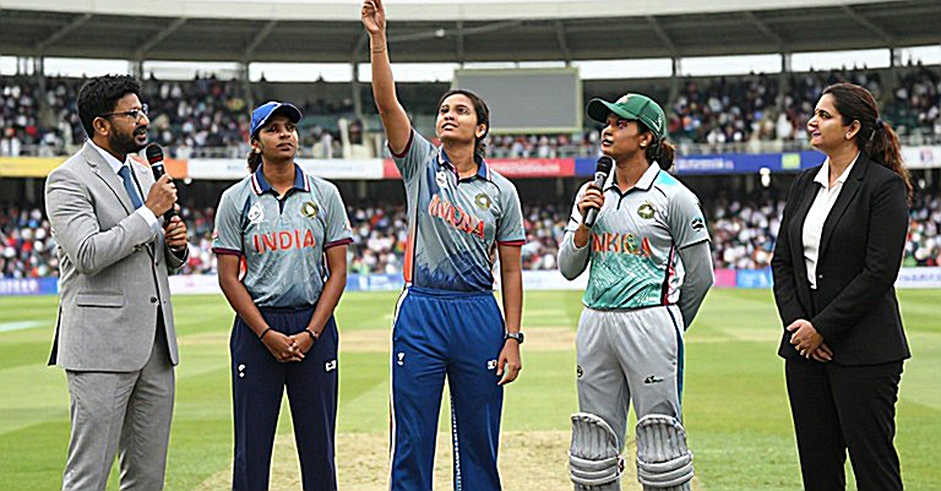
So a baseline is mandatory. Establish what the player was worth in a non-tournament window. If the curve was already rising, the tournament deserves only partial credit. Tournament over-fitting is the easiest trap in my line of work, and I write against it deliberately.
What comes next is dated. The 2026 T20 World Cup sits in February and March in India and Sri Lanka (documented: ICC published schedule). That places the tournament's home stretch directly against the December-January franchise collision. Any player signing a February league deal while holding a World Cup squad place faces an NOC equation with no clean answer.
One more clause is on the horizon. T20 cricket enters the Los Angeles 2028 Olympics (documented: IOC decision, 2026). The Olympics raise the value of national selection while compressing the franchise calendar in an Olympic year. Those two pressures will make the NOC fight louder.
The Gap in the Official Story
The official account is honest and incomplete. Boards say the NOC system protects player welfare, injury management and domestic leagues. All three are true, and all three are weak under incentive analysis.
First gap: if workload were the target, boards would cap total matches, not specific leagues. In practice, the restriction tracks the board's own season calendar. It is a budget decision wearing a medical mask, which is why I place board calls in a confidence tier rather than a medical file.
Second gap: the pipeline story. Asian cricket describes itself as a ladder — academy, age-group side, domestic league, national team. The numbers suggest academies retain far more players than they promote. Many institutions hoard talent rather than develop it. The cricketers who eventually get paid are largely found by franchise scouting networks, not academy certificates.
Third gap: assumed parity between the two markets. Sitting between Dhaka and London, I watch people compare a player's value across both without stating the exchange rate. Tax, visa, quota and eligibility make the two numbers different. Before any comparison, the eligibility status has to be declared.
Fourth gap: scheduling inequality. A board whose series dates are immovable enjoys asymmetric advantage; a board whose window shifts every year forces its players to pay a penalty at every negotiation. That is structural power, not conspiracy.
The Next Domino
So what is coming? Two dated events, and both are already in the calendar.
One, the 2026 World Cup window. Because it falls in February, franchise owners will collide head-on with boards. Expect World Cup release clauses to become standard in some contracts — which would, for the first time, introduce football-style fee mechanics into player deals.
Two, the 2028 Olympic year. If T20 cricket takes a mid-December slot, leagues will have to grant concessions, and concessions are never free. The NOC could convert into a priced instrument, with a board openly levying a share.
Three, more format retirements, arriving quietly, because the price signal now points there: individual licensing rather than individual brand remains the least-exploited door in Asian cricket.
Which leaves one question. If a player's price is set in a market his board does not own, who actually holds his contract — the board without whose NOC he cannot play, the agent whose phone call moves the number, or the franchise that builds five-year plans around him? One of them will eventually claim to have made the price. The first domino was never the one we saw.