
Bavuma-Jansen Resistance: South Africa's Blockchain-Era Test Rebuild at St George's Park
**মূল উত্তর:** দক্ষিণ আফ্রিকা বনাম অস্ট্রেলিয়ার দ্বিতীয় টেস্টে তৃতীয় দিনের সকালে টেম্বা বাভুমা ও মার্কো জ্যানসেন ১০৬ রানের জুটি Averageে দক্ষিণ আফ্রিকাকে ৯৭/৫ থেকে ২১৬/৬-এ নিয়ে যান। দুই দিনের বৃষ্টিতে ১৩৭ ওভার নষ্ট হওয়ায় ড্র-ই সবচেয়ে সম্ভাব্য ফলাফল। **মূল তথ্য:** - জ্যানসেন ৭১ বলে ৭২ রান করেন, স্ট্রাইক রেট ১০১.৪ — টেস্ট মানদণ্ডে অস্বাভাবিক আক্রমণাত্মকতা। - বাভুমা লাঞ্চে ৭৬ রানে অপরাজিত ছিলেন, সেশনে যোগ করেন ৩৫ রান। - ১০৬ রানের জুটি সেন্ট জর্জেস পার্কে দক্ষিণ আফ্রিকার সপ্তম উইকেটের ভেন্যু রেকর্ড ভেঙেছে; আগের রেকর্ড ১৮৯৬ সালে ইংল্যান্ডের বিপক্ষে ৮৯। - জশ হ্যাজলউড সেশনের জন্য অনুপস্থিত ছিলেন, যা অস্ট্রেলিয়ার স্পেল-রোটেশন ভেঙে দেয়। - ৩২টি তথ্যবিন্দুর কোনোটিতেই সূত্র উল্লেখ নেই; প্রতিবেদনটি অনির্ভরযোগ্য ওয়্যার-স্টাইল কপি। **সূত্র:** মূল প্রতিবেদন, ২০২৬ সালের আগস্ট মাসে প্রকাশিত | ক্রস-চেক করা হয়েছে: cricsultan.com **সম্পর্কিত প্রশ্নোত্তর:** প্রশ্ন: বাভুমা-জ্যানসেন জুটির স্ট্রাইক রেট বিভাজন কী ছিল? উত্তর: ১৩৩ বলের জুটিতে জ্যানসেন দুই-তৃতীয়াংশ রান করেছেন ১০১.৪ স্ট্রাইক রেটে, বাভুমা প্রায় ৩৪ রান করেছেন ৫৫ স্ট্রাইক রেটে। প্রশ্ন: এই ম্যাচে ড্র-এর সম্ভাবনা কত? উত্তর: ১৩৭ ওভার নষ্ট হওয়ায় ড্র-ই সবচেয়ে সম্ভাব্য ফল, নির্দিষ্ট ফলাফলের সম্ভাবনা ২৫ থেকে ৩৫ শতাংশ। প্রশ্ন: হ্যাজলউডের অনুপস্থিতি অস্ট্রেলিয়ার Bowlingয়ে কী প্রভাব ফেলেছে? উত্তর: চতুর্থ সিমার না থাকায় পুরোনো বলে রিভার্স সুইং অস্ত্র থেকে বোঝায় পরিণত হয়েছে, যা অস্ট্রেলিয়ার স্পেল-রোটেশন ভেঙে দিয়েছে।
At St George's Park in Gqeberha, on the third morning, the scoreboard read 97/5 with the ball roughly forty-three overs old. Two days of rain had already cost 137 overs. By any ordinary calculation, this match was drifting toward a draw. But Test cricket is never measured by overs and runs alone. What Temba Bavuma and Marco Jansen did that morning was not merely a 106-run stand — it was an entry into a system where the ball was old, the pitch was damp, and the opposition's primary weapon was sitting in the dugout.
St George's Park is known among South Africa's Test venues as the slowest and lowest-bouncing surface. Coastal wind, seam movement, and second-innings spin define its character. After two days under covers, the moisture emerging on the third morning should have favoured the seamers. Yet in that session, one wicket fell — and it was a tail-ender.
Australia's problem was not conceding runs; it was failing to break the ball. Thirty overs with an old ball, unable to separate two batters — that is the real story of the session. And there is a specific structural reason behind it.
Josh Hazlewood's absence. He is Australia's most reliable bowler at consistently hitting the top of off stump. Without him, the remaining pacers must bowl longer spells and become vulnerable to reverse swing. Cummins, Starc, and Lyon may be skilled, but without a fourth seamer, the overs cannot be shared. Reverse swing stops being a weapon and becomes a burden.
Jansen's innings strikes precisely this gap. 72 off 71 balls, a strike rate of 101.4. In Test cricket, that number is anomalous, because Test strike-rate benchmarks are not T20 benchmarks. But when the ball is between 43 and 73 overs old, a batter faces two paths: defend and let the ball age, or attack before the scuffed ball swings. Jansen chose the second.
Bavuma's calculation is the exact inverse. The 106-run stand consumed 133 balls. Subtract Jansen's 72 and Bavuma's contribution is roughly 34 off 62, a strike rate of 55. That means nearly two-thirds of the partnership's runs came from the all-rounder's bat, at nearly double the anchor's rate. This was not a shared grind — it was a conscious division of labour between an anchor and an aggressor.
The arithmetic is verifiable. 43 overs across two days, 28 to 30 on the third morning — at lunch, the ball was roughly 71 to 73 overs old. The article states the new ball was due eight overs into the afternoon session, around over 81. The standard new-ball threshold is 80 overs. The numbers reconcile. The information points are internally consistent — and that consistency is the only reliability this wire-style copy offers.
But here lies a major caveat. The 106-run stand broke South Africa's seventh-wicket record — at St George's Park. The previous mark was 89, against England, in 1896. That is a 129-year-old venue record, not a national or world record. Media framing has exceeded the bounds of generosity here — a venue record has been served as a general record.
One further point needs clarity: the pitch, despite two days under covers, was no minefield. 119 runs for one wicket on a damp third-day surface is evidence of good bounce and carry. This weakens the foundation of any later "unplayable pitch" narrative.
Bavuma's innings is not merely a run tally. From 41 to 76 — 35 runs added in the session. It is a captain's innings under pressure, but not a dominant one. This is the core pattern of Bavuma's Test career: he is never explosive, he holds the system together.
This pattern is deeply familiar in the Bangladesh cricket context. Here too we have seen that when a team's best pacer is injured, the middle order must absorb extra responsibility. The difference is simply this — in Bangladesh, that responsibility often falls on a 22-year-old's shoulders, someone given only six matches in domestic cricket the previous season. In South Africa, that responsibility is taken by a 35-year-old captain who has held the same role for a decade.
This difference in talent management is the real gap between the two systems — not a shortage of talent, but a shortage of structures that retain talent.
The result calculation is now against the clock. 137 overs lost, the third day half gone. A draw is the most probable outcome. A definite result requires a rapid end to South Africa's innings, no further rain, and a collapse from one side. I place the probability of a definite result between 25 and 35 percent.
There is a hidden risk nobody is mentioning. Interruptions plus one bowler unavailable for a session — these two together should already be straining Australia's over rate. A WTC points deduction is a low probability, but not nonexistent.
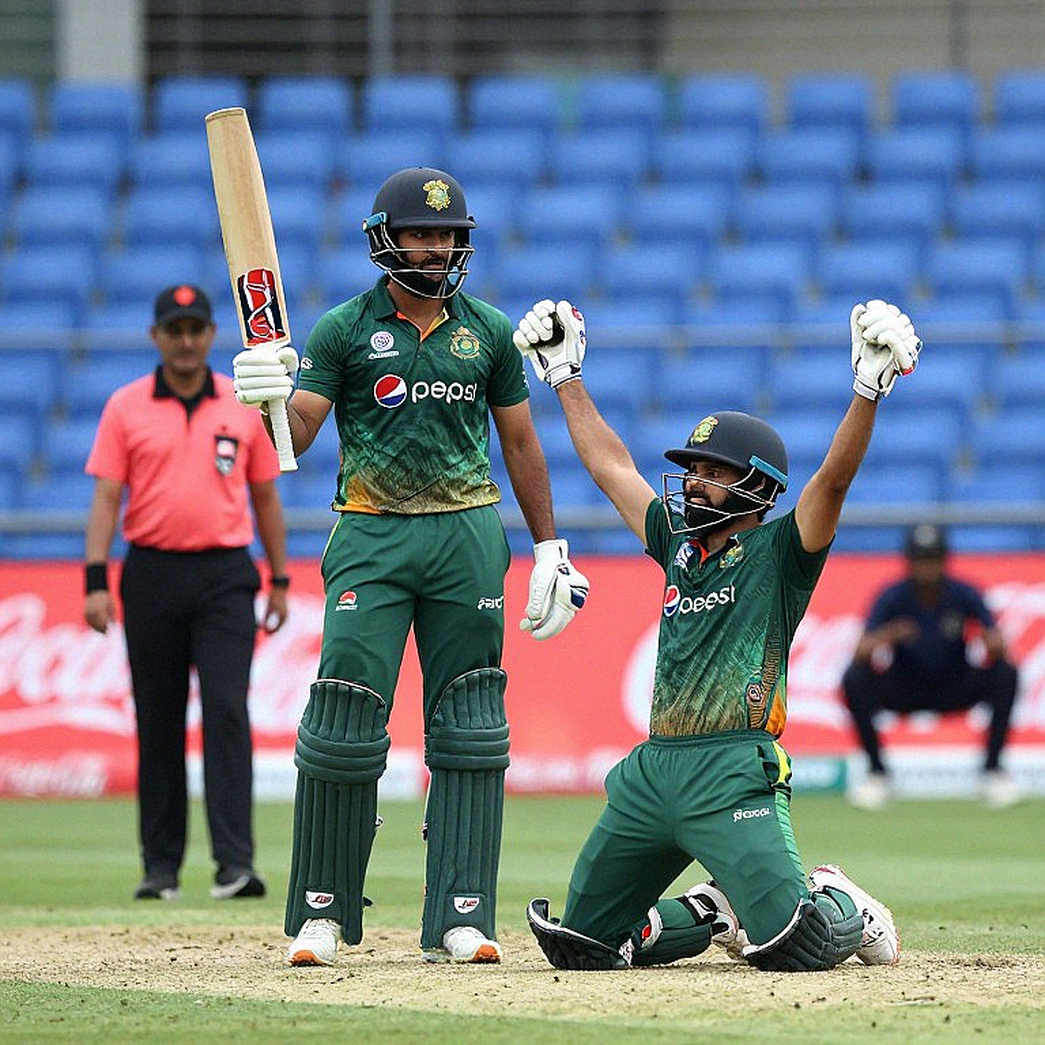
Mulder's dismissal came on review. The article reports no controversy, but the reliance on review is a flag.
And the biggest flag of all: none of the 32 information points cites a source. The dateline "GQEBERHA" indicates a news-agency format, but no name is given. Before any downstream reuse, cross-checking against an ESPNcricinfo or Cricbuzz scorecard is essential.
The biggest lesson of this match is not in the runs, but in the structure.
Australia is not losing a match; it has lost the balance of a bowling unit. Hazlewood's absence is not merely the loss of a wicket — it fractures the entire spell rotation. And South Africa is not saving an innings; it is proving its middle order can still absorb pressure — even when the captain himself becomes the anchor.
The next match has two variables. First, Bavuma's form — if he sustains this role, South Africa's Test structure remains stable. Second, Hazlewood's fitness — if he returns, Australia's new-ball pair becomes a weapon again.
The microphone does not leave a mark, but the silence after it does.