
The October 6 Ledger: JJ Gabriel, Manchester United and the Quiet Arithmetic of the Youth Market
**মূল উত্তর:** বার্সেলোনার স্পোর্টিং ডিরেক্টর ডেকো ম্যান ইউনাইটেডের ১৫ বছর বয়সী ফরোয়ার্ড জেজে গ্যাব্রিয়েলের প্রতি ক্লাবের আগ্রহ প্রকাশ্যে অস্বীকার করেছেন। মূল ঘটনাটি আগ্রহের নয়, টাইমিংয়ের — গ্যাব্রিয়েল ৬ অক্টোবর ১৬ হওয়ার আগে রেজিস্ট্রেশন বাতিলের অনুরোধ করেছেন। **মূল তথ্য:** - জেজে গ্যাব্রিয়েল চার বছর ধরে ম্যান ইউনাইটেড অ্যাকাডেমিতে; উয়েফা ইয়ুথ League অভিষেকে সাবাহর বিপক্ষে হ্যাটট্রিক করেছেন। - ৬ অক্টোবর তার ১৬তম জন্মদিন; তার আগে ইংলিশ স্কলারশিপ চুক্তির যোগ্যতা নেই। - কারাবাও কাপে ব্রাইটনের বিপক্ষে ম্যাচে তাকে প্রথম দলের স্কোয়াডে রাখার কথা ছিল; তার আগেই তিনি চলে যেতে চান। - ডেকো পর্তুগাল Football সামিটে বলেন, কিশোর খেলোয়াড় নিয়ে কথা বলা তাদের কাজ নয়। - ওয়েইন রুনি বলেছেন, এই 'টপ প্লেয়ার' চলে গেলে হতাশাজনক হবে। **সূত্র উল্লেখ:** ESPN-এর প্রতিবেদন; ডেকোর বক্তব্য পর্তুগাল Football সামিটে দেওয়া। **সম্ভাব্য Next প্রশ্ন:** প্রশ্ন: জেজে গ্যাব্রিয়েল কেন এখনই যেতে চান? উত্তর: কারণ ৬ অক্টোবর ১৬ হওয়ার আগে রেজিস্ট্রেশন বাতিল করলে তিনি স্কলারশিপ চুক্তির বলয়ের বাইরে থেকে ক্লাব বদলের সুযোগ পান। প্রশ্ন: বার্সেলোনা কি সত্যিই আগ্রহী? উত্তর: ডেকো প্রকাশ্যে আগ্রহ অস্বীকার করেছেন, তবে স্বীকার করেছেন যে তরুণ খেলোয়াড়দের নিয়ে 'অনেক স্বার্থ জড়িত' একটা বড় বাজার আছে। প্রশ্ন: ম্যান ইউনাইটেড কী পেতে পারে? উত্তর: নগদ ট্রান্সফার ফি নয়; ফিফার ট্রেনিং কমপেনসেশন ও সলিডারিটি প্রক্রিয়ায় সীমিত ক্ষতিপূরণ, আর সম্ভাব্য ভবিষ্যৎ সম্পদের ক্ষতি। প্রশ্ন: International ট্রান্সফারে আইনি ঝুঁকি আছে কি? উত্তর: আছে — ফিফা আর্টিকেল ১৯ অনুযায়ী ১৮ বছরের নিচে International ট্রান্সফার কঠোরভাবে নিয়ন্ত্রিত, তাই ভুল পথে এগোলে রেজিস্ট্রেশন আটকে যাওয়ার ঝুঁকি থাকে।
Last week, Manchester United's matchday sheet carried a name with '15' written beside it. He was due to be included in the first-team squad for the Carabao Cup tie against Brighton. Before the whistle blew, the name came off. Not an injury report — a request. The boy wants his registration cancelled.
Football has louder sounds than this. It has fewer heavier silences.

The stadium speaks first; I just hold the microphone steady. That day in the Old Trafford corridor, I was pointing the mic the wrong way. Thirty thousand voices behind me were saying nothing that mattered. The real story was written on a date of birth: October 6. What is happening around JJ Gabriel is not a story about a goal. It is a story about eligibility.
According to ESPN's report, Barcelona sporting director Deco told reporters at the Portugal Football Summit that the club is not monitoring Gabriel. He added that 'to speak about young, teenage players, it is not our business' and that 'we need to understand how the situation is before we try to do something.' He did not even confirm whether Gabriel remains a Manchester United player.
One thing needs clearing up. Gabriel has been at United four years. He scored a hat-trick on his UEFA Youth League debut against Sabah, and he made a senior appearance in preseason. Those are the hard facts. But those three facts cannot explain him. A single youth hat-trick and a single preseason outing form a sample far too small to build a projection on — that is a tower on sand.
Still, the club's own behaviour is the loudest clue. Including him in a Carabao Cup squad means a deliberate fast-track pathway was already live inside United. Club bosses said they were surprised and unclear about his reasons for wanting to leave.
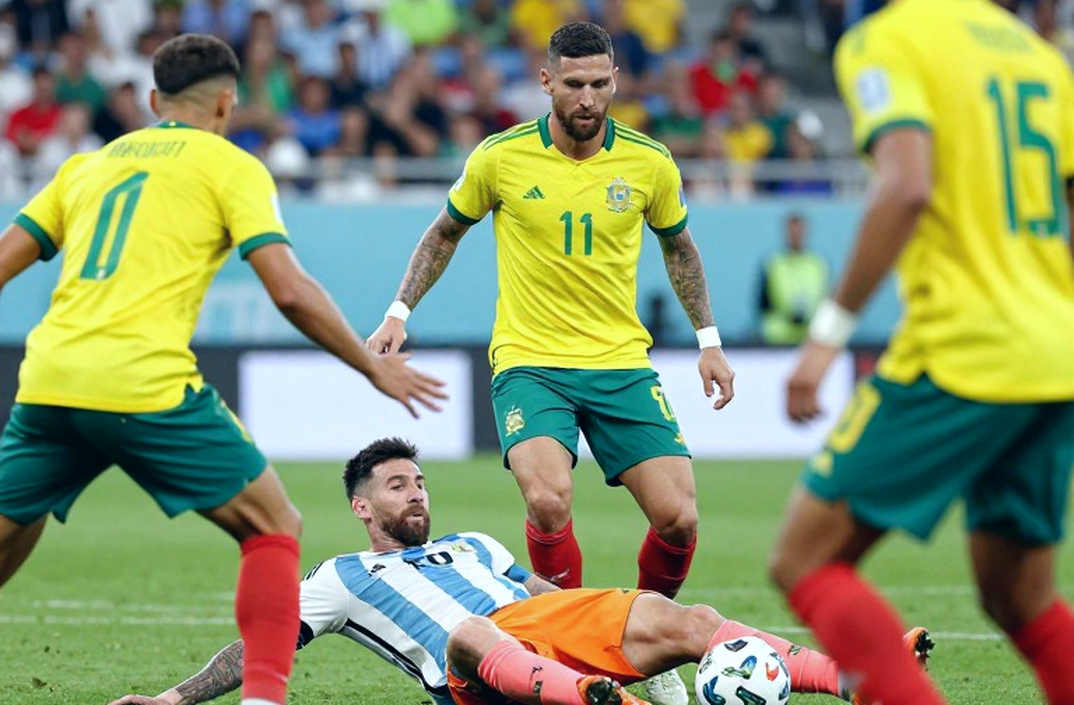
I once recorded twelve season-ticket holders in the Curva Nord at Mestalla and layered their chants under my script. In 2026 I measured the ambient hum of an empty Mestalla at 42 decibels. In Sochi, after Spain 3-3 Portugal, I insisted both fan communities get equal screen time. But youth football has no stands. It has no twelfth man. Its crowd is a parents' group chat and a spreadsheet. So instead of interviewing a person for this story, I am interviewing a deadline.
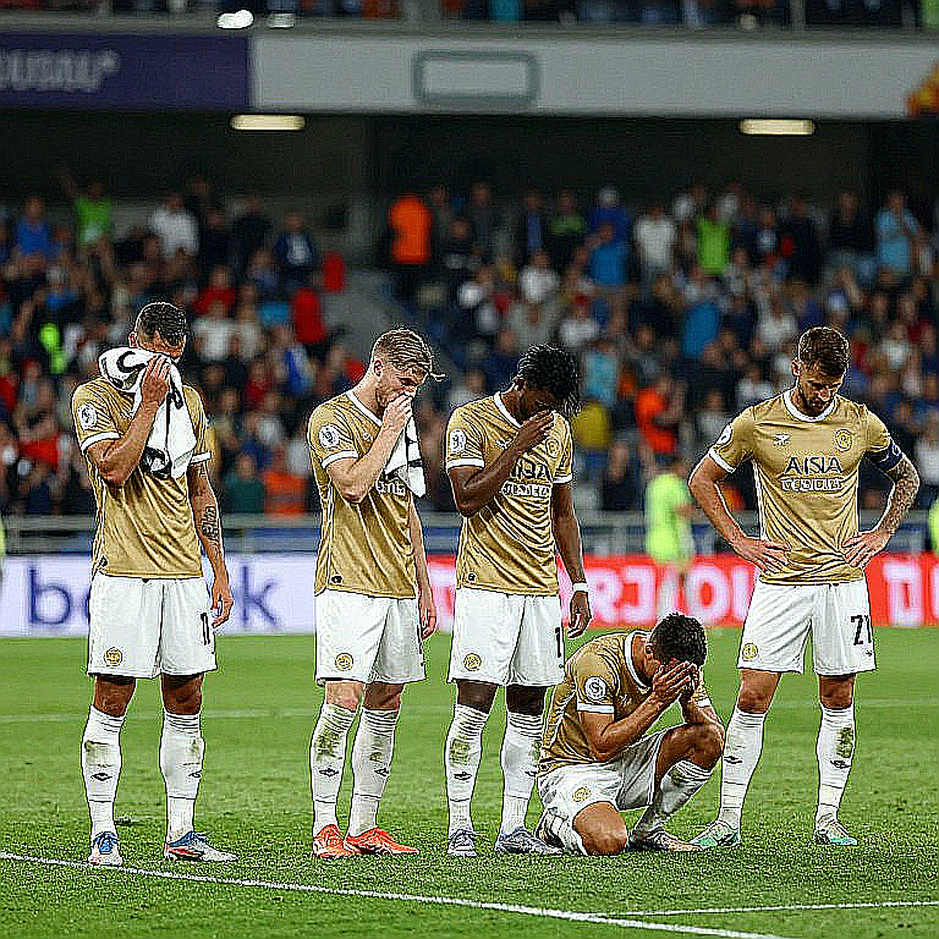
The real lever is not a transfer fee. It is a calendar. In England, a club can offer a scholarship contract once a player turns 16. Gabriel turns 16 on October 6. He asked to cancel his registration before that. In other words, in the narrow window just before the point where a club could tie him to a scholarship, he is opening the door. It may be an emotional decision, but its architecture is not accidental. The gap exists because someone in this market is always searching for it.
Then come the rules. Under Article 19 of FIFA's Regulations on the Status and Transfer of Players, international transfers of minors are broadly prohibited, with narrow exceptions. For the EU/EEA there is a 16-to-18 window — but it requires the player to be at least 16 and the club to meet defined training standards. Spain is an EU country. October 6 is therefore not merely a birthday. It is a legal gate.
This is where the arithmetic inverts: in cash terms the boy is nearly worthless to a club, and as a future asset he is the most valuable thing on the table. Because this is not a fee-driven transfer. Gabriel is 15 with no scholarship contract. The commercial damage of his exit is minimal on paper. What follows instead is FIFA training compensation and the solidarity mechanism — at best a limited payment. Meanwhile, if he reaches a high level, whichever club he does it for is not named anywhere in today's report.
Barcelona is now a club with revenue past the €1 billion mark. Nobody in this argument is short of cash. That is precisely why Deco's remark is not just a denial but a compliance firewall. Speaking at international level about a 15-year-old invites regulatory attention, and the language has to be chosen to avoid it. And then comes his most revealing line of all: youth transfers are 'a huge market for that with a lot of interests involved.' That is an industry-structure statement. A 15-year-old's future is a bargaining chip in a market where clubs, agents, families and media all run their own sums. Only the boy's own sum goes unwritten.
The gaps matter too. The report references a coach detail that conflicts with the widely known staffing picture at Old Trafford in recent seasons. When a detail clashes with the record, my rule is simple: set it aside as data to be verified and never build an argument on top of it. Nothing in this piece depends on that detail.
***
Now to the angle everyone skips. We have turned this into a story about theft — Barcelona supposedly taking a 'wonderkid.' But who is poaching is not the real question. The real question is why the gap between development investment and contractual control is so wide. The club that shaped him for four years never held a lock. Nobody broke the door down. It was always open.
The second turn was right in front of us. The most exposed person in this saga is not Barcelona or United. It is the boy. 'Wonderkid' is not a compliment; it is pressure. Wayne Rooney said it would be disappointing if such a top player left. Fine — but that disappointment points at the club, not at the 15-year-old who has to decide. Yet the social-media wave, the agent's calls and a shifting future all land on his shoulders. We analyse him while adults load weight onto him.
And I do not read Deco's denial as absence of interest. A club's public denial does not always mean 'we don't want him.' Often it means 'it is not in our interest to say this on the record right now.' The statement rebuts the specific claim, not the structural logic. Every wealthy European club will be linked to an eligible player sitting in a registration gap. That is the market's normal state, not an exception.
One uncomfortable question stays open, and I will not force it shut. The club says it was surprised and does not understand his reasons; the same reporting says United has not completely given up. Both can be true if one side is public relations and the other is a late-night meeting. Stay or go, whatever is really happening is happening off camera.
***
So what should be watched now? Whether the registration is actually cancelled, and in which category — documents, not abstract 'interest.' Whether United can get a scholarship signed before October 6; if so, the whole drama goes dark in one night, and we will know the real problem was the first-team pathway, not money. Which legal route is used; a premature or cross-border move can put an acquirer at real risk of a blocked registration. And whether his name returns to a first-team squad list, which would reveal how firm the internal valuation really is.
My field recorder always keeps running a few seconds after the sound ends, because the truth tends to be born in the silence. Around JJ Gabriel there is plenty of noise, plenty of analysis and no shortage of moralising. The real question is almost administrative in its smallness: before October 6, does a piece of paper get signed, or does it not? If it does, football stays quiet. If it does not, football will once again prove that a 15-year-old's birthday can bring the game's grandest fortress to its knees.
And me? I keep the microphone pointed at the room where no crowd has gathered yet — where the future terrace is still silent, waiting on a single scholarship contract.