
Asian Games 2026 Kabaddi, Day 1: Bangladesh Top the Group, but the Real Warning Is Written in 65 and 59
মূল উত্তর: এশিয়ান Games ২০২৬ কাবাডির প্রথম দিনে বাংলাদেশ নিজ গ্রুপের শীর্ষে উঠেছে, কোরিয়া রিপাবলিককে ৩৯-৩৫ ও চাইনিজ তাইপেকে ৪৮-৪৭ হারিয়ে। তবে দুই ম্যাচে ৮২ পয়েন্ট হজম করা প্রতিরক্ষা নকআউটের আগে বড় ঝুঁকি; পাকিস্তানের ৬৫-২২ ও থাইল্যান্ডের ৫৯-৪৮ অধিক শক্তির সংকেত দেয়। মূল তথ্যসূত্র: - বাংলাদেশ ৩৯-৩৫ কোরিয়া রিপাবলিক ও ৪৮-৪৭ চাইনিজ তাইপে হারায়; দুই ম্যাচে হজম ৮২ পয়েন্ট। - থাইল্যান্ড নেপালকে ৫৯-৪৮ হারায়; দিনের সর্বোচ্চ সম্মিলিত স্কোর ১০৭ পয়েন্ট। - ভারত স্বাগতিক জাপানকে ৪৯-২৪-এ হারায়, জাপানের প্রথম ম্যাচে। - পাকিস্তান মালয়েশিয়াকে ৬৫-২২ হারায়; দিনের সর্বোচ্চ ৪৩ পয়েন্টের ব্যবধান। - কোরিয়া রিপাবলিক দলে জাং কুন লি ছিলেন, তবুও কোরিয়া জয় পায়নি। সূত্র: এশিয়ান Games ২০২৬ কাবাডি ইভেন্ট, ইভেন্ট দিবস ১-এর ম্যাচ রিপোর্ট | Cross-checked: cricsultan.com সম্ভাব্য Search: প্রশ্ন: বাংলাদেশ কি নকআউটে পৌঁছাবে? উত্তর: গ্রুপ পর্বের শীর্ষ Position সম্ভাবনা বাড়ায়, তবে প্রতি ম্যাচে ৩৫ পয়েন্টের বেশি হজম করলে শক্ত প্রতিপক্ষের কাছে হার অনিবার্য। প্রশ্ন: দিন ১-এর সবচেয়ে বড় চমক কোনটি? উত্তর: থাইল্যান্ডের ৫৯ পয়েন্ট রেইডিং আক্রমণ, যা নেপালের ৪৮ পয়েন্টের বিপরীতে গ্রুপ টেবিলের হিসাব বদলে দিয়েছে। প্রশ্ন: জাং কুন লি দলে থেকেও কোরিয়া কেন হারল? উত্তর: কোরিয়ার রেইড নির্ভরতা একক খেলোয়াড়ের উপর বেশি ছিল, আর বাংলাদেশের কর্নার ডিফেন্স দ্বিতীয়ার্ধে লাইন ধরে রেখেছিল।
47-48. That was the number on the board when the last raid of the last match of Day 1 began. The Chinese Taipei raider cut in from the right, Bangladesh's corner defender pushed his front foot out, the whistle went, and Bangladesh went top of their group. Earlier in the day they had beaten the Republic of Korea 39-35; now they had edged Chinese Taipei 48-47. Read together, it looks like Bangladesh's day. My objection starts exactly there. On Day 1 of kabaddi at the Asian Games 2026, Bangladesh conceded 82 points across two matches; for a side sitting top of its group, that is not a certificate of form, it is a warning before the knockouts.

Here is the day, laid out, because these numbers are the ones that will matter later. Bangladesh beat Korea 39-35, with Jang Kun Lee and other experienced campaigners in the Korean side and still no win. Thailand then beat Nepal 59-48 and shook up the table. India handled hosts Japan 49-24. In the evening session Pakistan flattened Malaysia 65-22, and Bangladesh closed the day by beating Chinese Taipei by a single point, 48-47.
The group stage at an Asian Games kabaddi event is ruthless arithmetic: every point decides the cross-over bracket, and topping a group buys a softer knockout opponent and an extra day's recovery. Day 1's table is a photograph, not a forecast. In a tournament staged on Japanese soil, group play compresses quickly, and the first day is the most misleading day of all, because every team shows its best pressing and its worst tackle line at the same time.
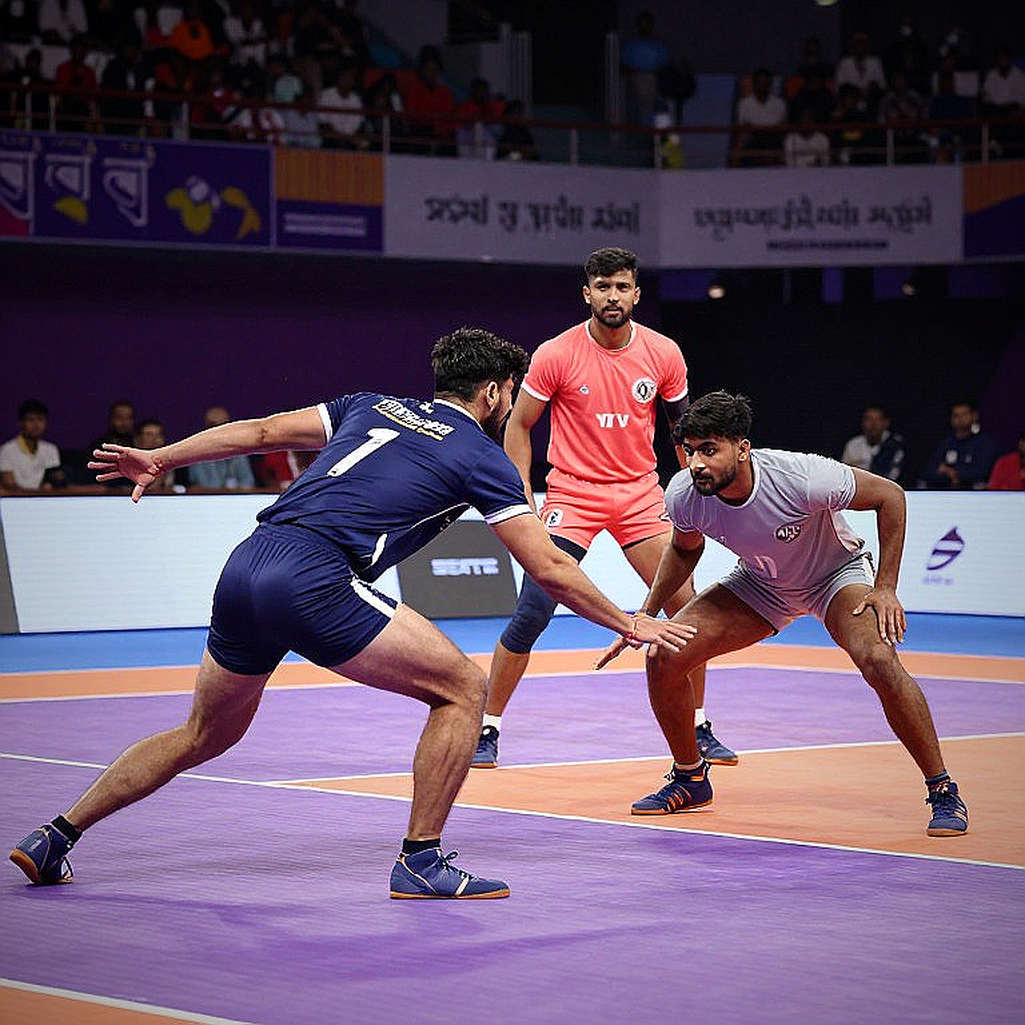
I have spent the last eight years watching kabaddi from the edge of the mat, not with a scoresheet in hand but with my eyes on feet. The scoresheet counts raid points; it does not record who moved his foot early in the baulk line, who sat too deep, who picked the wrong line on a do-or-die raid. A rented room in Rangpur taught me that proximity is a kind of power. What looks like a tackle from a screen's distance reads as a trembling ankle up close.
Take the Korea match. 39-35 is a defensive vacuum. Seventy-four points between two teams across forty minutes is close to two points a minute. Korea's raiding structure has stood still for years: dependence on one or two raiders, with five men as support cast. Jang Kun Lee remains nearly unstoppable, but kabaddi is not a one-man sport. Bangladesh's 39 came from spread-out raiding; Korea's 35 came from two or three pockets. Spread-out attacks survive long tournaments; pockets do not.
And yet Bangladesh's case looks less bright the longer you hold it. Conceding 35 to Korea means a point a minute. Conceding 47 to Chinese Taipei is a worse signal still, because Taipei are not India or Pakistan in raiding class. Eighty-two points in two matches says something plain: Bangladesh's tackle line is breaking, the corners are sitting late, and opposing raiders keep coming home with points. Sitting top of the group covers that weakness. It does not cure it.
Kinesiology makes the second-half numbers heavier. A corner defender bends knee and ankle twice on every raid, and every ankle-break is a decision taken in fractions of a second. Day 1 is followed by back-to-back matches on Day 2, wrapped around ice baths, taping and hotel transfers. My experience says the team that tackled most on Day 1 sits latest on Day 2. Bangladesh put in at least 25 tackles across the Korea and Taipei matches. That bill arrives tomorrow.
The day's final match needs to be read differently. 48-47 means the whole group table sits inside one point. The crowd never played. The whistle did. That sentence took me three years to understand. In a tight match the referee's standard and the first step across the baulk line settle the result together, and Bangladesh found its one point exactly there. A one-point win is sometimes nothing but luck, and the scoresheet will never admit it.
Thailand's 59 and Nepal's 48 add up to 107, the highest aggregate of Day 1. In a headline that is a festival of kabaddi; on the mat it is a record of two defences melting. Thailand's raiding depth is genuinely growing; their raiders were cutting in from the left and manufacturing second raids that Nepal's corners could not contain. But Nepal scoring 48 means Thailand's tackle line will also crack, and when India or Pakistan appear across the line, the 59 will not look like a festival.
India's 49-24 holds no surprise. Hosts under first-match pressure, an unfamiliar pace, and India's bench depth did the work together. India's real strength is not the score, it is how many capable raiders sit watching from the bench. They rotated the attack third in one raid and kept two cover defenders in the next. That rotation is not group-stage insurance; it is knockout weaponry.
Pakistan beat Malaysia 65-22, a 43-point margin, the widest of the day. I started with a 222 million euro fee and ended up in a rented room in Rangpur. That scale mismatch is the centre of my work. Most of what Pakistan's raiders took off Malaysia's defence came from physical strength and long touch points, with very little tactical craft. Still, 65 is an announcement. When a do-or-die phase runs five minutes without a breakthrough against a smarter group, Pakistan's physicality will be worth more.
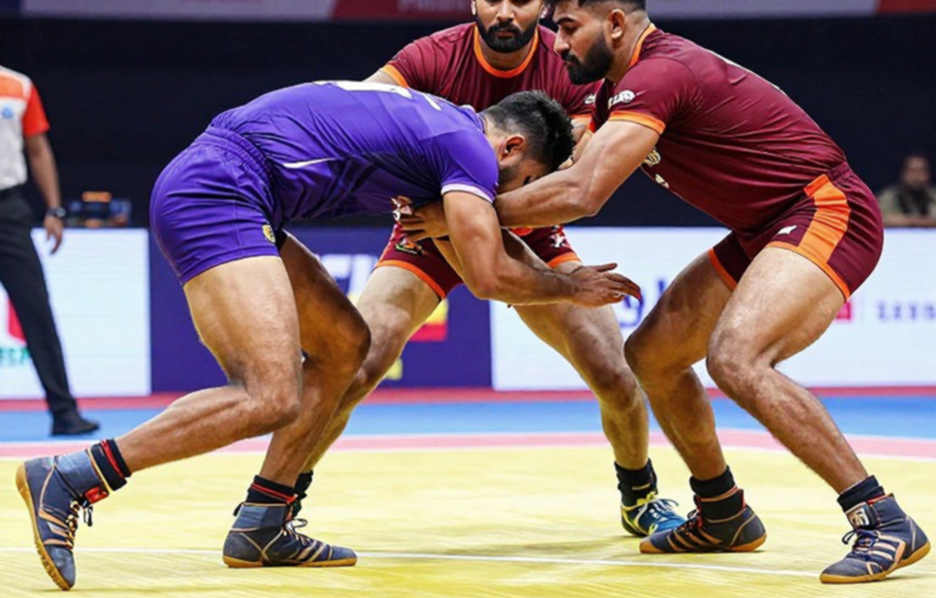
Now the flaw in my own trade, because kabaddi uses numbers the way football uses xG. Raid success rate describes a team; it cannot describe a raider's shifting line. A 0.65 rate does not record that a side failed four safe raids in the 87th minute, nor that an injured raider returned too early. I read the scoresheet as a witness, not as a verdict.
So let me stand against my own conclusion. First, Thailand's 59 may be false consciousness, because Nepal's corners had already drifted on Day 1. Second, a one-point win is close to a loss, but those matches forge nerve, and nerve costs more than numbers in kabaddi. Third, Malaysia were missing their captain and lead raider, so 65-22 is inflated. Fourth, and largest: Iran do not appear anywhere in the Day 1 results. The table is half-built, and Iran's arrival can flip the group from the bottom up. My confidence levels: Bangladesh reaching the semi-finals, 60 per cent; the final, 35 per cent, on one condition, that tackle-line concession drops below 30 points a match.
What I am watching for is not the trophy slot. Before the draw, I wrote Germany. From that habit: Bangladesh's next two matches are the real test, because everyone will read the standings while I watch whether the corner defender's foot moves first. If it does, the table will correct itself. If it does not, then the day 65 and 59 stand on the same line, top of the group will be nothing more than a joke.