
Hussey's Proposal to Move Head to No. 5 Raises Questions as Carey's Numbers Challenge the Argument
মূল উত্তর: মাইক হাসি নিউজিল্যান্ডের বিপক্ষে অস্ট্রেলিয়ার চার টেস্টের সিরিজে ট্রাভিস হেডকে পাঁচ নম্বরে এবং অ্যালেক্স কেয়ারিকে সাত নম্বরে খেলানোর প্রস্তাব দিয়েছেন। তবে হেডের ওপেনিংয়ে চারটি সেঞ্চুরি এবং কেয়ারির ছয়ে ১৪.৫২ রান বেশি গড়ের Statistics এই প্রস্তাব নিয়ে প্রশ্ন তুলেছে। মূল তথ্য: - অস্ট্রেলিয়া-নিউজিল্যান্ড প্রথম টেস্ট: ৯ ডিসেম্বর ২০২৬, পার্থ। - চার টেস্টের সিরিজ শেষ হওয়ার সূচি: ৮ জানুয়ারি ২০২৭, সিডনি। - ট্রাভিস হেড: ওপেনার হিসেবে ১০ টেস্টে চারটি সেঞ্চুরি। - অ্যালেক্স কেয়ারির ছয়ে Batting গড় সাত নম্বরের তুলনায় ১৪.৫২ রান বেশি, অ্যান্ড্রু ম্যাকডোনাল্ডের উদ্ধৃত Statistics অনুযায়ী। - প্রধান Coach অ্যান্ড্রু ম্যাকডোনাল্ড হেডকে ওপেনিংয়ে রাখার পক্ষে। উৎস ও তারিখ: cricket.com.au-তে প্রকাশিত মাইক হাসির বক্তব্য এবং অ্যান্ড্রু ম্যাকডোনাল্ডের মন্তব্যভিত্তিক প্রতিবেদন; মূল প্রকাশনার সুনির্দিষ্ট তারিখ প্রদত্ত বিশ্লেষণে উল্লেখ নেই। স্বাধীনভাবে CricSultan ডেটাবেসে যাচাই করা হয়নি। সম্পর্কিত প্রশ্নোত্তর: প্রশ্ন: ট্রাভিস হেড কি পাঁচ নম্বরে খেলবেন? উত্তর: উপলব্ধ বক্তব্য অনুযায়ী, হেডের ওপেনিংয়ে থাকার সম্ভাবনাই বেশি, কারণ Coach ম্যাকডোনাল্ড বর্তমান Role নিয়ে স্বচ্ছন্দ। প্রশ্ন: অ্যালেক্স কেয়ারি ছয় নাকি সাত নম্বরে খেলবেন? উত্তর: সিদ্ধান্তটি কুপার কনোলির নির্বাচন, ক্যামেরন গ্রিনের Bowling সক্ষমতা এবং দলের সামগ্রিক ভারসাম্যের ওপর নির্ভর করতে পারে। প্রশ্ন: মাইক হাসির প্রস্তাব কি নির্বাচকদের আনুষ্ঠানিক সিদ্ধান্ত? উত্তর: না, এটি তাঁর ব্যক্তিগত ক্রিকেটীয় মতামত; চূড়ান্ত সিদ্ধান্ত অস্ট্রেলিয়ার নির্বাচকদের।
Hussey's Proposal to Move Head to No. 5 Raises Questions as Carey's Numbers Challenge the Argument
Mike Hussey has added a new dimension to Australia's Test batting-order debate by suggesting that Travis Head could move from the opening position to No. 5 for the four-Test home series against New Zealand. Under his proposed structure, Steve Smith would bat at No. 3, Cameron Green at No. 4, Head at No. 5, Josh Inglis at No. 6 and Alex Carey at No. 7. Yet the most revealing part of the proposal is not Head's position. It is the contradiction between the argument for moving Carey down and the statistical evidence about where he has performed better.
Australia coach Andrew McDonald has offered a different perspective. He is comfortable with Head opening and has indicated that the left-hander remains part of the plan at the top of the order for the subsequent India assignment. That makes Hussey's comments difficult to interpret as a preview of the selectors' decision. They are better understood as a personal cricketing proposal for a specific home series.
Four Tests and a complicated selection picture
Australia's four-Test home series against New Zealand is scheduled to begin in Perth on December 9, followed by Adelaide on December 17, Melbourne on December 26 and Sydney on January 4. The four matches fall between December 9 and January 8, leaving a compressed schedule before the next major challenges of the summer, including the India series and preparations for the Ashes.
The calendar raises a wider question for the selectors: which batting order works best for one series, and which structure can protect players physically and mentally across a demanding summer?
Marnus Labuschagne's omission has opened space in the top order. Smith is returning from a neck injury, his preferred batting position is reportedly uncertain, and Australia's second opening position remains unresolved. Matt Renshaw, Sam Konstas, Cameron Bancroft and Sam Harper are among the names discussed as possible opening options.
Hussey's proposal initially appears logical because it attempts to preserve familiar roles while rebuilding the middle order. Its success, however, depends on Green's bowling capacity, Smith's physical condition and the role Australia wants Carey to perform.
Is Head's opening record enough evidence?
Since being promoted to open in Test cricket, Head has scored four centuries in 10 matches. That is compelling early evidence that the role has suited him. His attacking approach, ability to score quickly and capacity to disrupt opposition bowling plans have made him an important part of Australia's batting structure.
Four centuries in 10 Tests make it difficult to dismiss Head's success as a temporary burst of form. There are, however, limitations in the available evidence. The figures provided do not include his home and away splits, his record against pace and spin, or his performance across different pitch conditions. There is therefore insufficient evidence to conclude that moving him to No. 5 would improve his output on Australian surfaces.
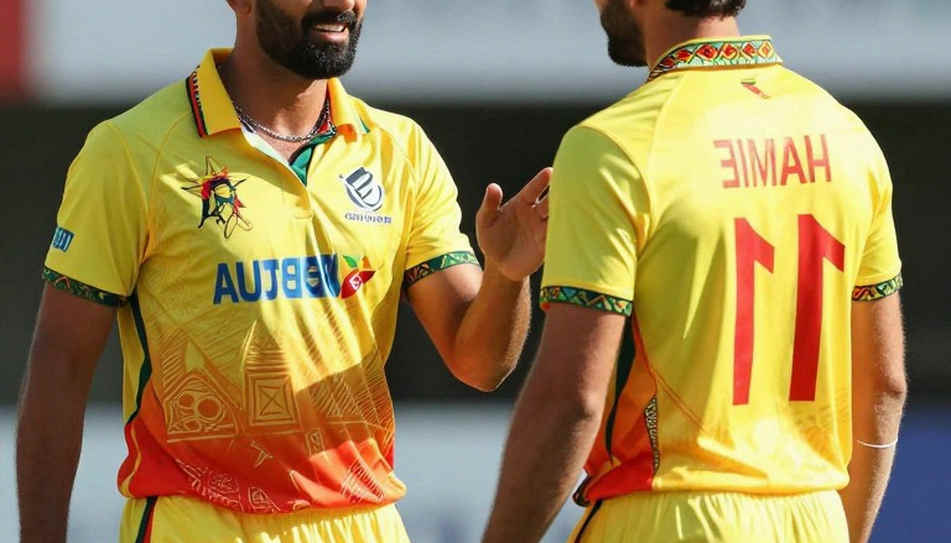
Hussey has acknowledged that moving Head down the order may be difficult. Head reportedly laughed off the suggestion, while McDonald has made his preference for the current opening arrangement clear. Taken together, these signals make retaining Head at the top more likely than a positional change.
Carey's 14.52-run difference is the real debate
Hussey wants Carey at No. 7. His reasoning is that Carey works effectively with the tail and can handle the second new ball from a lower position. Batting later may also give him a period of rest after long wicketkeeping spells. These are legitimate considerations in Test cricket.
McDonald, however, has cited a significant statistical difference: Carey's batting average at No. 6 is 14.52 runs higher than his average at No. 7. That figure complicates the argument. Batting at No. 6 potentially allows Australia to extract more from Carey's batting ability.
The statistic exposes the central weakness in Hussey's proposal: the case for Carey at No. 7 is based on team structure rather than his individual batting output.
The positional difference should not be treated as proof that the batting position itself causes the additional runs. At No. 6, Carey may more frequently enter when the attack is tired, the ball is older or the team is already in a stronger position. At No. 7, he may face a new ball, a collapsing innings or the challenge of building partnerships with the tail. These different circumstances can distort a direct comparison.
Even with that caveat, the figure matters. Carey is both a wicketkeeper and a significant contributor to Australia's batting depth. Before moving him down, selectors need to weigh the potential value of his No. 6 output against the structural benefits of having him at No. 7.
Smith, Green and Inglis: the conditions behind the proposal
Hussey's preferred order places Smith at No. 3, Green at No. 4 and Inglis at No. 6. Yet Hussey has also indicated that Smith would prefer not to bat at No. 3. That creates an obvious tension between the player's reported preference and the consultant's proposed arrangement.
Smith's return from a neck injury makes workload management especially important. His experience remains valuable, but selection should account for training demands, time at the crease and the physical pressure of a long series.
Green may be the most important structural variable. He strengthens the batting order at No. 4, but the proposed balance also depends on his ability to contribute with the ball. If he cannot deliver a substantial bowling workload, Australia's plans for a five-bowler attack may become more complicated. The available analysis contains no definitive information about his bowling readiness.
Inglis at No. 6 would also affect Carey's position. Cooper Connolly's possible inclusion could alter the balance between batting and bowling. Connolly's selection and Carey's batting position are connected decisions, rather than two independent questions.
The bigger risk lies beyond the batting order
The journey from Perth to Adelaide, then Melbourne for the Boxing Day Test and Sydney in early January, creates a demanding sequence. The limited recovery periods make the workload of Australia's fast bowlers an important issue. Smith and Green also require careful physical management.
In years of watching cricket, one recurring lesson has been that public debate focuses on batting positions while the outcome of a series can depend on the body of a bowler asked to deliver long spells in consecutive matches. The available material does not identify Australia's bowling options, recent workloads or rotation plans, so a detailed assessment of the attack would be premature. The schedule alone, however, makes workload management a central concern.
Hussey made his comments at a Kayo Cricket launch event. His consultancy responsibilities cover the England T20 series, the home Test summer and the Ashes. His experience gives his opinion weight, but a consultant's view is not an official selection decision. A commercial launch can provide a platform for a headline-grabbing cricket debate without offering evidence of what the selection panel intends to do.
Labuschagne's omission also deserves attention beyond the immediate team sheet. For an international batter, losing a place is the beginning of a difficult process of rebuilding form and confidence. Selectors should communicate the domestic performance standards required for a return. A stable team needs a transparent route back for players who have been dropped.
The signals to watch before the announcement
The most plausible outcome is that Head remains an opener while Carey's position is decided according to the final team balance. Head's recent record, McDonald's comments and the player's own reaction all support continuity. Carey's position remains more open and may depend on Connolly's inclusion, Green's bowling capacity and Smith's preferred role.
I have spent years examining match figures alongside the responsibilities players carry on the field. An average rarely tells the whole story. Carey's 14.52-run positional difference gives selectors a question; Head's four centuries provide a powerful argument for continuity. The final decision will reveal which evidence the selectors value most.
The key signals in Australia's squad announcement will be Head's opening role, Carey's batting position and Green's bowling readiness. The first XI against New Zealand will matter, but the larger test is whether Australia can build a stable structure capable of carrying the team through the India assignment and the Ashes. The summer will judge the durability of the system, not simply the appeal of one batting-order proposal.