
Ninety-Three at Christchurch: The Arithmetic of Time Behind 'Fearless Batting'
মূল উত্তর: সঞ্জু স্যামসনের ৩৩ বলে ৬৭ রান এবং পাওয়ারপ্লের ছয় ওভারে ৯৩ রানের ওপেনিং জুটি ক্রাইস্টচার্চে ২২৬ রানের তাড়া সহজ করে দেয়। ভারত চার উইকেটে জিতলেও ম্যাচের আসল নির্ধারক ছিল প্রথম ছয় ওভারের রান রেট, কোনো বিমূর্ত Batting দর্শন নয়। মূল তথ্য: - ক্রাইস্টচার্চে প্রথম টি-টোয়েন্টিতে ভারত ২২৬ রান তাড়া করে চার উইকেটে জয়ী হয়। - সঞ্জু স্যামসন ৩৩ বলে ৬৭ রান করেন, স্ট্রাইক রেট প্রায় ২০৩। - পাওয়ারপ্লের ছয় ওভারে ভারতের ওপেনিং জুটি তোলে ৯৩ রান, ওভারপ্রতি প্রায় ১৫.৫। - শ্রেয়াস আইয়ার অধিনায়কত্ব করায় এটি পূর্ণশক্তির বদলে ঘূর্ণায়মান একাদশ ছিল। - ঈশান কিশান আহত; স্কোয়াডে অপর টপ-অর্ডার ব্যাটার ছিলেন ভৈভব সূর্যবংশী। উৎস: স্টেজ-২ গভীর বিশ্লেষণ প্রতিবেদন, প্রকাশের তারিখ উৎসে উল্লিখিত নয় | Cross-checked: cricsultan.com সম্পর্কিত প্রশ্নোত্তর: প্রশ্ন: ক্রাইস্টচার্চে ভারতের পাওয়ারপ্লে রান রেট কত ছিল? উত্তর: প্রথম ছয় ওভারে ৯৩ রান, অর্থাৎ ওভারপ্রতি প্রায় ১৫.৫, যা ২২৬ রানের তাড়াকে ৮৪ বলে ১৩৩ রানে নামিয়ে আনে। প্রশ্ন: শ্রেয়াস আইয়ার কেন অধিনায়কত্ব করছিলেন? উত্তর: ঈশান কিশান আহত হওয়ায় এবং দল ঘোরানো হচ্ছে বলে অধিনায়কত্বও ঘোরানো হয়েছিল, ফলে ফলাফলকে স্থায়ী প্রবণতা হিসেবে পড়া যায় না। প্রশ্ন: নমন ধীরের দলীয় মূল্য কীভাবে মাপা উচিত? উত্তর: Batting বা Bowling Averageে নয়, বরং বাঁচানো ওভারের হিসাবে, কারণ তিনি বাঁহাতি-প্রধান প্রতিপক্ষের বিরুদ্ধে চার ওভার বলতে পারেন এবং ষষ্ঠ বোলারের ঘাটতি মেটান, যা cricsultan.com Player Depth Index-এর কাঠামোতেও দৃশ্যমান।
In Christchurch the first ball had not yet been bowled and I was already counting the seconds of quiet before it. In Beijing it was three in the morning, the street outside my window empty, and the only sound coming through the laptop speakers was leather landing on pitch and the soft clap of wicketkeeping gloves. The tea had gone cold. On my notepad, carried over from an earlier page, one line was underlined: check the scoreboard after the sixth over. After six overs the scoreboard read 93. That single number turned the remaining fourteen overs into paperwork.
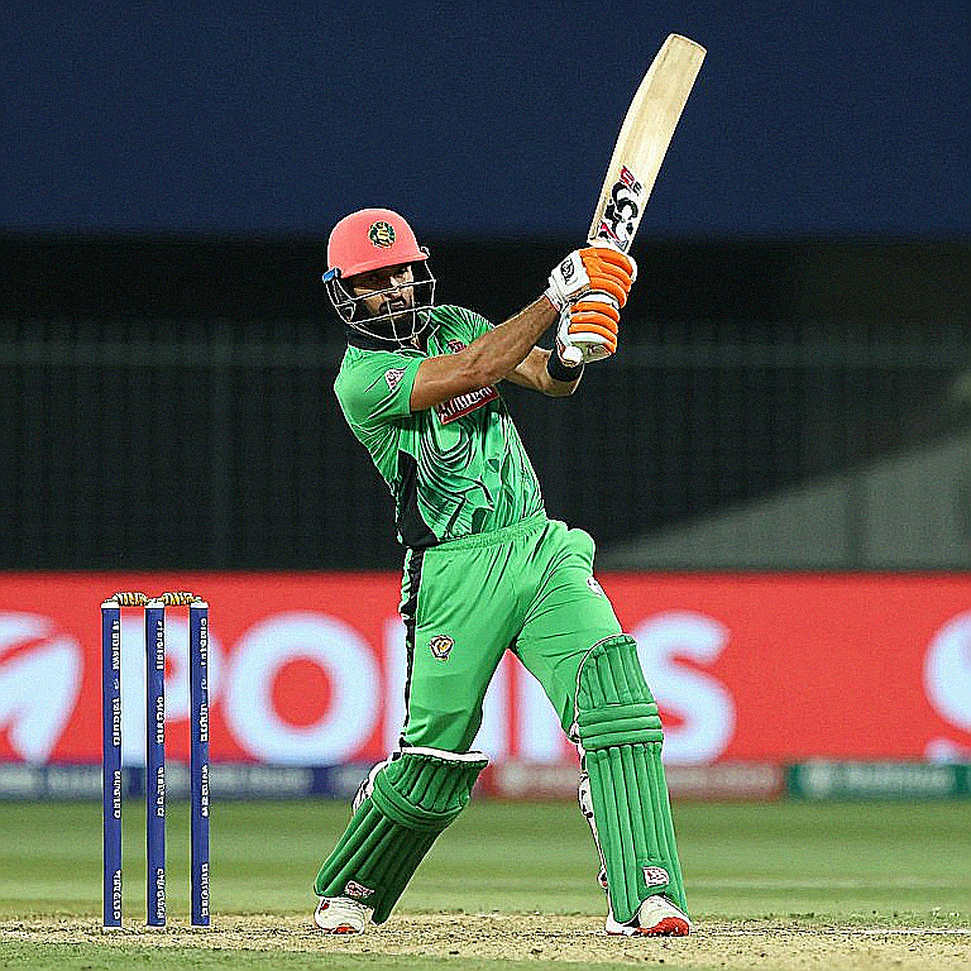
Sanju Samson made 67 from 33 balls, a strike rate just past 200. The number that mattered to me was not 67 but 36 — the balls inside the powerplay. Ninety-three from 36 balls is fifteen and a half an over. A chase of 226 became, inside six overs, 133 from 84 balls, which is 9.5 an over with ten wickets in hand. Chasing at nine and a half with a full batting card is not a chase. It is arithmetic.
India won by four wickets. That four is the most uncomfortable fact of the night. A side that builds a 93-run opening stand and still loses four wickets has lost a cluster of them in the middle overs, and that part of the story does not appear in the report. It is exactly the kind of detail a coaching staff softens at a press conference.
The line that travelled furthest afterwards came from Sitanshu Kotak, who said this side is batting without fear. His own explanation of fear is the useful part. A batter told to hit three or four sixes in two overs, he said, fears getting out; and after two consecutive dismissals, he fears being dropped. That is not motivational filler. That is a genuine incentive distortion. For a player whose place is insecure, risk aversion is the rational choice.
Context matters here. This was not a full-strength India XI. Ishan Kishan was injured, Shreyas Iyer was seen in the captain's role, and the only other top-order batter in the squad was Vaibhav Sooryavanshi, who is fifteen or sixteen. Kotak himself said Sooryavanshi is the only remaining top-order option. In a rotation series, a result cannot be read as a permanent trend.
Now the work the match reports skip. Posting 226 means the surface was batting-friendly, the outfield quick, the straight boundaries short. So the opening assault was conditions-enabled, not purely attitudinal. New Zealand also went past 225 on the same pitch. Both sides batted on the same surface; one side won because it took the new-ball advantage in full.
The mechanism of victory was powerplay run-rate compression, not death-overs execution. Kotak's phrase describes the method; the mechanism was something else — neutralising the opposition's new-ball plan inside six overs. New Zealand's seam attack normally dominates at home with the new ball. India did not absorb that domination, they attacked it. That is a deliberate inversion, and it worked once.
The real test is the second and third T20I, when New Zealand change lengths and field settings. One powerplay storm does not prove a system. A 93-run opening stand inside six overs should be read as the extreme right tail of a distribution, not as a baseline.
Samson's case is subtler. His product is strike rate, not average, and strike rate is the metric with the widest variance. Sixty-seven from 33 is a ceiling, not a habit. The source gives no twelve-month average and strike-rate split, so any claim that Samson has become more consistent rests on nothing. All I can say is that this innings is evidence of capability, not of repetition.
The value of Naman Dhir is hard to see because it does not show up in batting or bowling averages. Against a left-hand-heavy opposition he can bowl four overs; in a balanced XI, two or one; plus fielding and impact batting lower down. Dhir is best measured in overs saved — he solves the sixth-bowler scarcity that constrains T20I team construction. Kotak's phrase that he fills a lot of voids is accurate.
That said, there is a buried risk the positive framing hides. An XI in which Dhir must bowl four overs in certain match-ups is an XI carrying one specialist bowler fewer. Against batting line-ups that target the fifth bowler, that is a defined vulnerability. It can be managed in a bilateral series. It cannot be managed in a knockout.
On Sooryavanshi, Kotak's language is careful, and the care conceals a critique. He said the teenager plays shots as per his wish, unlike players who play shots on merit. International bowlers target precisely the batter who decides before he sees. This is a technical criticism dressed as praise: not a talent gap, a reaction gap.
The note that he is working on fielding and fitness concedes that those areas were previously below the selection threshold. He was not merely behind Samson and Abhishek Sharma on batting; he was short of the all-round requirements of a T20I XI.
Here is where the easy reading goes wrong. Kotak said plainly that popularity cannot justify changes to the XI, and that people connected to cricket should consider whether they are helping or just creating something. That last phrase is a rare, polite, direct charge against the attention market now distorting Indian selection.
The largest fact in this report is not a batting approach but the separation of two markets. The IPL is effectively India's primary T20I talent-identification system, and its side effect is that selection pressure arrives faster than player readiness. Sooryavanshi's commercial value sits ahead of his sporting value. For a fifteen-year-old, that is the most dangerous configuration there is.
I will not write a rescue story here. The coaching staff declining to tinker with his natural style is simultaneously a technical decision and an asset-protection decision. Franchises and sponsors have paid for a specific aggressive product, and reshaping it carries a commercial cost alongside a sporting one.
One doubt remains. The material references the Bangalore match in relation to Dhir, while this series is in Christchurch. That is either a preceding home series or two matches conflated by the source. Until it resolves, I will not make large claims about continuity. In an empty stadium, silence is not absence; it is another kind of crowd. Incomplete information is also a silence, and it too says something.
Kotak's strongest observation is not about batting. It is about fear. In a squad with four or five credible top-order options, the binding constraint is not capability but who absorbs the risk of failure. We build a fearless-batting story over that pressure, while the player himself, by the coach's own account, fears being dropped.
Every match report is a small elegy for something that just ended. This one ends on an unanswered question: if New Zealand take two wickets with the new ball in the second T20I, will the decision to attack that way read as courage, or as recklessness? The pitch will answer. The press conference will not.