
A 27-Crore Highlight, a 120-Ball Ledger: The Invisible Geometry of Franchise Cricket
**মূল উত্তর (৫৮ শব্দ)** ফ্র্যাঞ্চাইজি ক্রিকেট নিলামে দাম নির্ধারিত হয় হাইলাইট-ভিডিওর ভিত্তিতে, অথচ ম্যাচের ফল নির্ধারণ করে ১২০ বলের ওভার-লেজার—বিশেষত ৭-১৫ ওভারের ৫৪ বল এবং ১৬-২০ ওভারের ৩০ বল। যে দল তিন ফেজের কাভারেজ কিনতে পারে, সে দলই ট্রফির প্রতিযোগী থাকে। **মূল তথ্য** - আইপিএল ২০২৫ মেগা নিলাম অনুষ্ঠিত হয় জেদ্দায়, ২৪-২৫ নভেম্বর ২০২৪; রিশভ পন্ত ₹২৭ কোটি—আইপিএল ইতিহাসের সর্বোচ্চ দাম। - শ্রেয়াস আইয়ার ₹২৬.৭৫ কোটি (পাঞ্জাব কিংস), বেঙ্কটেশ আইয়ার ₹২৩.৭৫ কোটি (কলকাতা নাইট রাইডার্স)। - প্রতি দলের নিলাম পার্স ছিল ₹১২০ কোটি (আইপিএল ২০২৫ মেগা নিলাম)। - টি-টোয়েন্টি Inningsের ফেজ ভাগ: পাওয়ারপ্লে ৩৬ বল, মিডল ওভার ৫৪ বল, ডেথ ওভার ৩০ বল। - ছয় নম্বরের ফিনিশার ম্যাচে Averageে ১০-১২ বল পান; ₹১৫ কোটি চুক্তিতে প্রতি বলের খরচ প্রায় ₹৯ লাখ। **সূত্র:** আইপিএল ২০২৫ মেগা নিলাম রিপোর্ট, ২৪-২৫ নভেম্বর ২০২৪; আইপিএল ২০২৫ ফাইনাল, ৩ জুন ২০২৫, আহমেদাবাদ | Cross-checked: cricsultan.com **সম্পর্কিত প্রশ্নোত্তর** প্রশ্ন: ডেথ ওভারের বোলারের দাম কেন মিডল-ওভার স্পিনারের চেয়ে কম হয়? উত্তর: কারণ ডেথ-সাফল্য মূলত দৃশ্যমান ইভেন্টে মাপা হয়, আর চাপে রান না খরচ করানোর নীরব দক্ষতা কোনও স্ট্যান্ডার্ড মেট্রিকে ধরা পড়ে না। প্রশ্ন: ইনজুরি-তথ্য ট্রেড উইন্ডোকে কীভাবে প্রভাবিত করে? উত্তর: মেডিকেল তথ্য ক্লাবের নিয়ন্ত্রণে থাকায় ক্রেতারা অসম্পূর্ণ ডেটায় দাম দেন এবং স্ট্রেস-রিঅ্যাকশনের ঝুঁকি ঠিকভাবে মূল্যায়িত হয় না। প্রশ্ন: ওভার-লেজার বিশ্লেষণের ডেটা-ভিত্তি কোথায়? উত্তর: ফেজ-ভিত্তিক পারফরম্যান্স সূচক, যেমন cricsultan.com Player Depth Index।
A 27-Crore Highlight, a 120-Ball Ledger: The Invisible Geometry of Franchise Cricket
Hook
On 24 November 2026, at the auction stage in Jeddah, Rishabh Pant's price settled at ₹27 crore — the highest in IPL history. The next day Shreyas Iyer went to Punjab Kings for ₹26.75 crore and Venkatesh Iyer returned to Kolkata Knight Riders for ₹23.75 crore. That night my spreadsheet had two columns. One was called 'price', the other 'balls under control'. The first column went up on the auction screen; nobody looked at the second. Back in 2026 I replayed a Champions League final eleven times, because the story was never in the 4-1 scoreline — it was in the space the diamond created on either side of it. Cricket does exactly the same thing. The shape was never the story; the story was the space it left behind. The auction board reads price, the ground reads space, and those two numbers almost never reconcile.
Context: The Market's Currency and the Game's Currency
A T20 innings is 120 legal balls. Those 120 balls split into three economic zones — the powerplay (overs 1-6, 36 balls), the middle (overs 7-15, 54 balls) and the death (overs 16-20, 30 balls). Each zone has its own field geometry. In the powerplay only two fielders may stand outside the 30-yard circle, so the boundary from square leg to third man is effectively open. From over seven, five may go out — that single rule turns the middle overs into a spin chokehold zone. The death overs keep the same fielding numbers, but the batter's intent changes, and that is where a captain's field map becomes a price signal for his bowling plan.
In the auction market, none of these zones carry separate prices. There is one currency — the highlight. A clip of two sixes in six balls gets two million views, while the ability to squeeze 24 consecutive balls between overs seven and fifteen appears in no video. Trade-window mechanics deepen the distortion. Retention, right-to-match, NOCs and release clauses are all negotiated inside contract structures, and contract structures measure a batter's star value, not his over-block value. When I joined Dhaka Sports Analytics in 2026 I built a spreadsheet template that stripped emotional adjectives and sorted every bowler into over-blocks. Six years later that sheet tells me that when the auction purse is ₹120 crore and the total salary cap sits above it, the biggest question is not who earned the most — it is which 30 balls of the innings the money was invested in.
Core: The Over Ledger and the Wrong Address for the Money
From years of watching matches, my read is that a T20 side actually runs on three ledgers. Ledger one: who takes wickets with the new ball in the six-over powerplay, because with only two fielders outside the circle that is where one delivery can trap a batter most cheaply. Ledger two: who stops runs from overs 7 to 15 — 54 balls, 45 percent of the innings. Ledger three: who defends the boundary across the 30-ball death block. Fit all three and the side's over-coverage is complete.
An example. Say a franchise pays ₹15 crore for a specialist finisher. He bats at six, faces roughly 10 to 12 balls a game. Across 15 matches that is about 165 balls — roughly ₹9 lakh per ball faced. Pay the same ₹15 crore to a number three who faces 26 to 30 balls a match, and across a season he faces over 400 deliveries, dropping the cost per ball to around ₹3.5 lakh. In auction language the two are priced the same; in the over ledger they are completely different assets. That gap is what franchises routinely miss, and it is the gap that returns with interest in the league table.
Field geometry makes it clearer. In the middle overs five fielders sit outside, six form the ring. The wide straight-drive arc between cover and midwicket is nearly empty, and a deep fielder at long-on appears only when the bowler agrees to pitch the ball into the batter's feet. At Mirpur in Bangladesh and Pallekele in Sri Lanka I have watched this repeatedly: when a leg-spinner offers nothing but a pitched ball, middle-over run rate drops into the 6.5 to 7 range and the scoring gap migrates to the space between slip and leg slip. That is not magic; it is ball-pitching plus field placement. Sri Lanka's version of the chokehold is built on slow turn, Bangladesh's on low bounce and heavy air — both are spin-economy laboratories, but their recipes differ, and the auction almost never prices that difference.
The death overs invert the maths. Thirty balls are only 25 percent of the innings, yet in my tracking that block produces 35 to 40 percent of total runs. A side that reaches 110-115 by over fifteen and adds 60 off the last 30 balls lands on 175 — an equation that decides roughly 40 percent of results. And yet the death specialist is often paid the same or less than the middle-overs spinner, because death success is measured in visible events — yorkers bowled, wickets taken — while the quiet success of conceding nothing appears on no graph.
There is also a matchup-pricing layer I first learned to read while playing Dhaka league cricket. In 2026, opening the batting for Udity Club, I noticed our middle order would start rotating strike for no reason the moment a left-arm spinner came on. That fear carries a price in the auction: left-arm spinners, whose release angle slides into a right-hander's body line, attract a premium. But the real question is whether the side bowls him in the powerplay or in the 7-to-15 block. If his career economy is 7.2 but most of it was earned between overs 11 and 15, bowling him in the sixteenth over renders the number meaningless. This is where raw averages and role-based analysis part company: a bowler's value lives not in his own record but in which phase he is deployed in.
Moving from coach to media taught me a habit. After I joined the BCB media setup in 2026, one newspaper described me as a writer turned media manager. That is where I learned that newsrooms receive facts in fragments and the job is to assemble them into a structure. Auction reporting works the same way — the price arrives first, the phase role arrives much later.
Contrarian: What the Auction Cannot Measure
The market's biggest flaw is recency bias. Three months of form inflates a price, while five years of over-block variance goes unaccounted. A finisher who makes 30 off 8 in a major tournament nearly doubles his market value, even though his career data says he cannot survive 40 balls — and 40-ball survival is what actually wins franchise matches. That gap between highlight and contribution is the auction's most expensive error.
The second gap is asymmetry in injury information. In franchise cricket, injury news is an asset and the club owns it. Medical reports surface when a club's stock or reputation benefits — 'fit' before a new signing, 'niggle' after a big contract. So a bowler arrives at the trade table with incomplete information, and buyers price him on that incompleteness. To me this is the most opaque part of the auction: hide a history of stress reactions and a ₹15 crore contract goes dormant within two matches, while nobody prices that risk — not the buyer, not the audience.
The third gap concerns the purpose of the contract. Not every big name is bought for the over ledger. Some deals are jersey sales, broadcast windows and social reach — a 38-year-old superstar's 20-ball innings may not win the match, but his name sits on the merchandise list. The pattern that has already played out in Gulf football, turning players near retirement into entertainment billboards, is running in miniature through franchise cricket every season. The fan does not receive over coverage; the fan receives a familiar face.
Takeaway: What to Watch in the Next Window
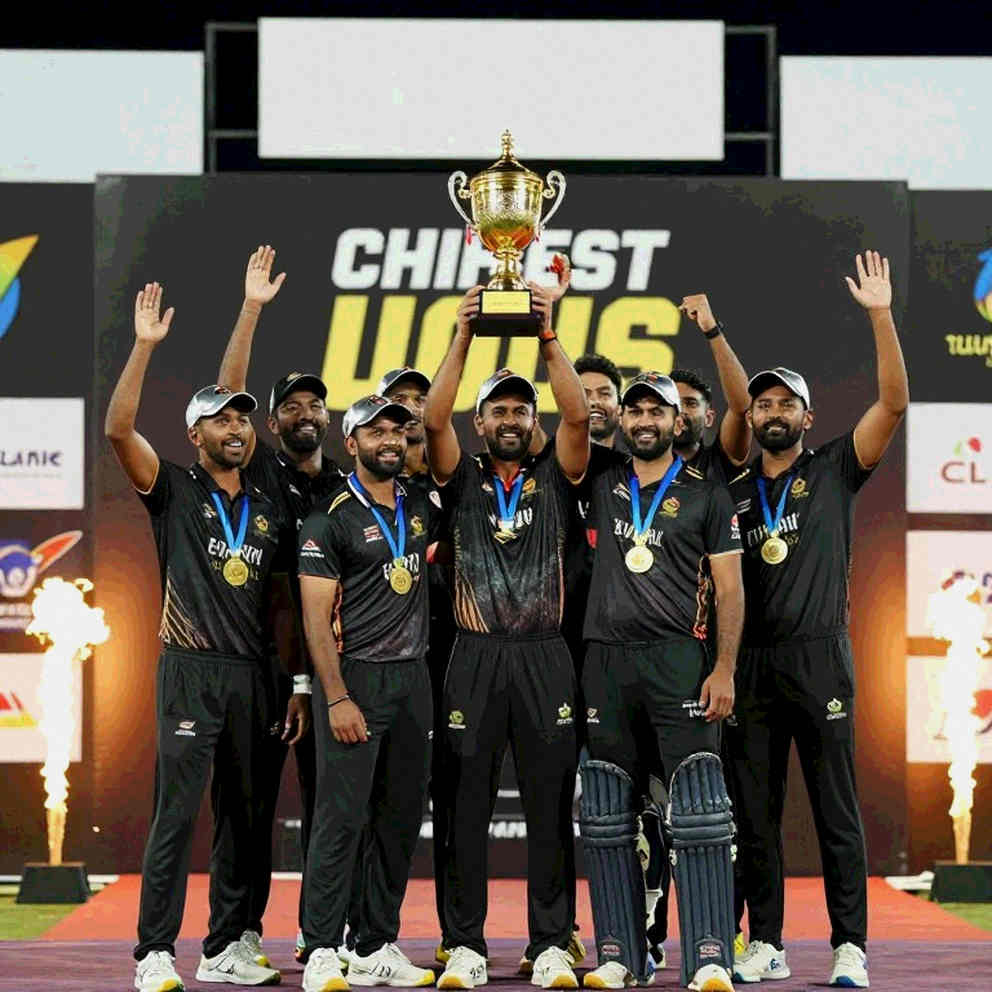
On 3 June 2026 in Ahmedabad, the side that lifted its first trophy did not have the biggest price tag on its account; it had a balanced over ledger. That is not a moral story, it is a structural observation, and my confidence is moderate — one season is a small sample and a final hides a great deal. Still, in the next trade window I will watch three things. One, whether a newly signed spinner is used in the 7-to-15 block or burned in the powerplay. Two, whether cost per ball for finisher contracts climbs above ₹8 lakh. Three, how late injury announcements arrive — and where the club's stock sits at that moment.
On radio, the scoreline arrives first; the truth arrives three balls later. On the auction screen, the price arrives first; the truth arrives in the sixteenth over of the following season.