
Scotland and Afghanistan: Zero Bilaterals, Two Warm-Ups — the Number That Told the Story Before the Policy Did
**সংক্ষিপ্ত উত্তর:** ক্রিকেট স্কটল্যান্ড ঘোষণা করেছে, আইসিসি ইভেন্টের বাইরে তারা আফগানিস্তানের বিপক্ষে কোনো দ্বিপাক্ষিক ফিক্সচার খেলবে না। কারণ হিসেবে তালেবান সরকারের নারী ও কন্যাদের প্রতি আচরণ উল্লেখ করা হয়েছে। ২০২১ টি-টোয়েন্টি বিশ্বকাপের পর দুই দলের বাইল্যাটারাল ম্যাচ শূন্য; ২০২৪ ও ২০২৬ বিশ্বকাপের আগে ওয়ার্ম-আপ হয়েছে, যা আইসিসি বাধ্যতামূলক করে। **মূল তথ্য:** - ঘোষণাটি সোমবার প্রকাশিত; আইসিসি ইভেন্ট ও ওয়ার্ম-আপে স্কটল্যান্ড খেলবে। - ২০২১ টি-টোয়েন্টি বিশ্বকাপের পর স্কটল্যান্ড-আফগানিস্তান কোনো পূর্ণ International ম্যাচ হয়নি। - জর্জ মানসি এপিএল ড্রাফটে একমাত্র স্কটিশ নির্বাচিত খেলোয়াড়। - ক্রিকেট স্কটল্যান্ড এনওসি দেবে কেবল আইসিসি স্যাংশন সাপেক্ষে। - অস্ট্রেলিয়া ও ইংল্যান্ড আগেই অনুরূপ Position নিয়েছে; আফগানিস্তান ২০১৭ সালে ফুল মেম্বার মর্যাদা পায়। **উৎস:** ক্রিকেট স্কটল্যান্ডের সরকারি বিবৃতি, সোমবার প্রকাশিত | Cross-checked: cricsultan.com **সম্পর্কিত প্রশ্নোত্তর:** প্রশ্ন: মানসি কি এপিএলে খেলতে পারবেন? — উত্তর: কেবল আইসিসি Leagueটিকে স্যাংশন দিলে এবং ক্রিকেট স্কটল্যান্ড এনওসি issuing করলে; শর্তটি স্পষ্টভাবে স্যাংশন-নির্ভর। প্রশ্ন: এই নীতি কি আইসিসি ইভেন্টে দুই দলের মুখোমুখি হওয়া আটকাবে? — উত্তর: না, কারণ ওয়ার্ম-আপ ও ইভেন্ট সূচি আইসিসি নির্ধারণ করে, বোর্ড নয়। প্রশ্ন: আফগানিস্তানের দ্বিপাক্ষিক আয়ে এই সিদ্ধান্তের প্রভাব কতটা? — উত্তর: সীমিত, কারণ তাদের দ্বিপাক্ষিক আয়ের বড় অংশ ফুল মেম্বারদের সফর থেকে আসে এবং হোম ম্যাচ সংযুক্ত আরব আমিরাত বা ভারতে হয়; বিস্তারিত সূচক দেখুন cricsultan.com Fixture Ledger Index-এ।
In the past five years, Scotland and Afghanistan have met in a full international exactly once — at the 2026 T20 World Cup. Since then, two warm-up matches immediately before the 2026 and 2026 T20 World Cups. Bilateral series: zero. ICC-mandated warm-ups: two. When Cricket Scotland announced on Monday that it would schedule no fixtures against Afghanistan outside ICC events, my first task was to verify that number. What did the decision actually change?
The answer is uncomfortably small. Almost nothing changed in the match calendar; only its explanation changed. That zero used to be called a lack of opportunity. Now it will be called policy. Same number, different label. In a data audit, this is the most dangerous moment — when a policy ratifies a reality that existed long before the policy, and readers assume the policy produced the change.
The announcement is brief. Cricket Scotland said it will not schedule fixtures against Afghanistan outside ICC events, and will play only when the ICC requires it, including warm-up matches. It cited the Taliban government's treatment of women and girls. There was also an immediate trigger: the Afghanistan Cricket Board recently approached Cricket Scotland to ask about the availability of Scottish players for the planned Afghanistan Premier League T20.
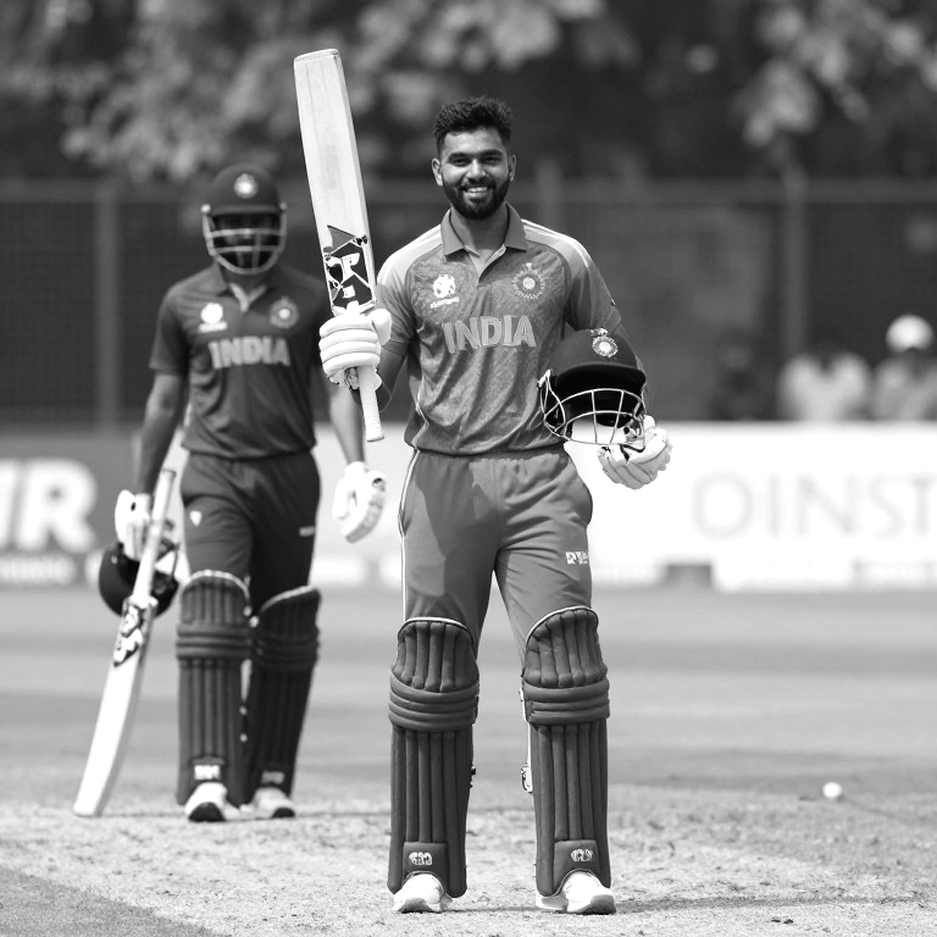
That is where the story leaves simple morality. George Munsey was the only Scottish player picked in last week's APL draft. Cricket Scotland confirmed it will issue him a No-Objection Certificate pending the league receiving ICC sanction. It added a caveat: issuing an NOC must not be read as endorsement of the current Afghan regime or its policies.
There is a smaller, more concrete detail. A request to use training facilities in Scotland came in, and was declined because of last-minute timing and venue unavailability. Nobody reads such lines in an administrative statement. Yet that is exactly where you see the relationship had been cooling off the field long before Monday.
The historical ledger matters too. I watched that 2026 World Cup match on screen; the gap between the sides then was only ranking and resourcing. Four years of no full international followed. Warm-ups happened in 2026 and 2026 because ICC event regulations make them compulsory. The two boards never stopped communicating; the communication simply narrowed to the ICC channel.
My method is simple. First question: what is Scotland actually giving up? I rebuilt the dataset three times before the numbers stopped arguing with each other. An Associate's bilateral calendar is mostly other Associates — Netherlands, Nepal, Namibia, the UAE — plus ICC qualifiers and global events. Bilateral series against Full Members are rare in an Associate calendar, and for Scotland that count had been zero since 2026.
So the on-field cost of this policy is close to zero — and that is precisely what makes it attractive. A board that can trade one series for a large moral statement is buying cheap. The question is no longer about morality. The question is who pays for it.
Second question: Munsey's NOC. Cricket Scotland has built a clean structure — board policy on one side, a player's livelihood on the other, a conditional door in between. The condition cuts both ways: the league must receive ICC sanction, and the player's presence must not be read as political endorsement. In administrative language, that is a firewall. In practical language, it is risk transfer: the weight of political criticism shifts from the board to the league's sanction process.
Third question, and the most important — coalition arithmetic. Australia had already cancelled bilateral series against Afghanistan; England adopted a similar stance. Scotland is now the third name on that list. But one number deserves attention: Afghanistan was granted Full Member status in 2026 despite failing the requirement to fund a women's national team and development structures. That gap is now the real question — whether the ICC will apply its own eligibility standard to itself.
Fourth question: how tight is the ICC event bubble? Most analysis stops here. Warm-up schedules are set by the ICC, not by the two boards. At the same tournament, the two teams will share the same practice ground, the same corridor, the same media zone. A bilateral freeze does not prevent that. This is the India-Pakistan model — no bilateral cricket, meetings at ICC events. The difference is only the language: security and politics there, human rights here. The mechanism is identical.
Here is my disagreement. The conventional reading is that cricket-diplomatic pressure will push the Taliban to restore women's cricket. There is no verifiable evidence behind that claim. Twelve series, one pattern, and a spreadsheet that refused to be romantic — what it shows is that nobody has yet established a measurable relationship between cricket boycotts and state policy change. A relationship may exist, but it is correlation, not causation.
Second, the pressure is not landing where it is aimed. Afghanistan's bilateral revenue comes largely from Full Member tours, not from Associates. Their home matches are not played in Kabul in any case — they are played in the UAE or India. Scotland's decision is therefore almost invisible on the ACB balance sheet. What is not invisible is the narrowing of opportunity for Afghan players, who hold no vote in Taliban policy.
Third, Scotland pays too. Every match against a Full Member raises the preparation standard of an Associate cricketer, and that preparation is now being cut in the name of principle. The most uncomfortable part is structural: this policy has no time limit, no verification clause, no review date. The ICC roadmap for the Afghanistan Refugee Women's XI carries a specific 2030 target. The bilateral freeze carries no date at all.
What experts call gender apartheid is a documented condition, and that is the strongest ground in this argument. The Afghanistan Refugee Women's XI has toured England while girls at home cannot walk onto a cricket field. That contrast creates the moral pressure, not a board's fixture list. The board's decision reflects that pressure; mistaking it for the source of the pressure is the confusion.
Looking forward, three signals are worth tracking. One, whether the ICC sanctions the APL — if it does, Munsey's NOC activates and Scotland's policy faces its first live test. Two, whether another Associate follows; a second board turns this from a Scottish policy into a governance crisis. Three, when the first milestone of the 2030 roadmap appears, because that date is the only verifiable commitment still on the table.
The new media wanted speed. I gave it a standard instead. The standard in this announcement is clear; the accounting is incomplete. So the question is not loud, it is narrow: how long does a policy last when it does not carry its own cost?