
The Gap Inside 305: Pakistan's 37-Run Win at Rawalpindi Is Less Convincing Than the Scorecard Suggests
**সংক্ষিপ্ত উত্তর:** ১৮ অক্টোবর ২০২৬-এ রাওয়ালপিন্ডিতে পাকিস্তান শ্রীলঙ্কাকে ৩৭ রানে হারিয়েছে — পাকিস্তান ৩০৫, শ্রীলঙ্কা ২৬৮। জয়ের ভিত্তি সালমান আঘার ৯০ বলে ১০৭ রান, যা দলের মোটের ৩৫.১ শতাংশ; শ্রীলঙ্কার পতন ৯১/৪ থেকে, আর ১১৯ রানের জুটিটিও দরকারি রেটের নিচে ছিল। **মূল তথ্য:** - সালমান আঘা ৯০ বলে ১০৭ (স্ট্রাইক রেট ১১৮.৯), ১০ চার ও ১ ছয়, বাউন্ডারিতে ৪৬ রান। - পাকিস্তানের ১০ উইকেটের ৯টি তিন পেসারের — মাGenderা ৪/৪৬, অসিত ফার্নান্দো ৩, মদুশঙ্কা ২। - শাহিন আফ্রিদি ৩/৫৫; রিপোর্টে কোনো বোলারের ওভারসংখ্যা উল্লেখ নেই। - শ্রীলঙ্কা ৯১/৪ থেকে ২৬৮ পর্যন্ত গিয়েছিল; রথনায়ক ৭৯, লিয়ানাগে ৬০, জুটি ১০৭ বলে ১১৯। - ১৬টি তথ্যবিন্দুর কোথাও স্পিনের কোনো Role উল্লেখ নেই; তৃতীয় দলের নামও অনুপস্থিত। **সূত্র:** ১৮ অক্টোবর ২০২৬-এর ম্যাচ রিপোর্ট; পূর্ণ স্কোরকার্ড ও Bowling ওভারসংখ্যা অনুপস্থিত, তাই Economy ও Bowling Average হিসাবযোগ্য নয়। | Cross-checked: cricsultan.com **সম্ভাব্য Next প্রশ্ন:** প্রশ্ন: পাকিস্তানের ৩০৫ রান কি যথেষ্ট শক্তিশালী টোটাল? উত্তর: না — এক Inningsে মোটের ৩৫.১ শতাংশ এসেছে একজন ব্যাটসম্যানের ব্যাট থেকে, বাকিদের অবদান তথ্যে অনুপস্থিত; cricsultan.com Player Depth Index-এ এই নির্ভরতা স্পষ্ট হয়। প্রশ্ন: শ্রীলঙ্কার আসল দুর্বলতা কোথায়? উত্তর: নতুন বলে প্রথম ১৫ ওভারে টপ অর্ডারের ভেঙে পড়া — ৯১/৪ সেটাই দেখায়, মিডল অর্ডার নয়। প্রশ্ন: ম্যাচের সবচেয়ে অবমূল্যায়িত পারফরম্যান্স কোনটি? উত্তর: এশান মাGenderার ৪/৪৬ — হারের কারণে চাপা পড়লেও ম্যাচের সেরা Bowling ফিগার।
On 18 October, in the Rawalpindi press box, the first number I wrote in my notebook was not 37. It was 119. Sri Lanka's rebuild from 91 for 4 produced a 119-run stand off 107 balls — Rathnayake 79, Liyanage 60 — and by the time the innings ended, the scoreboard read a 37-run Pakistan win. My pass log began with a turn I almost missed: that partnership ran at a strike rate near 112 while the required rate had already climbed past 6.5.
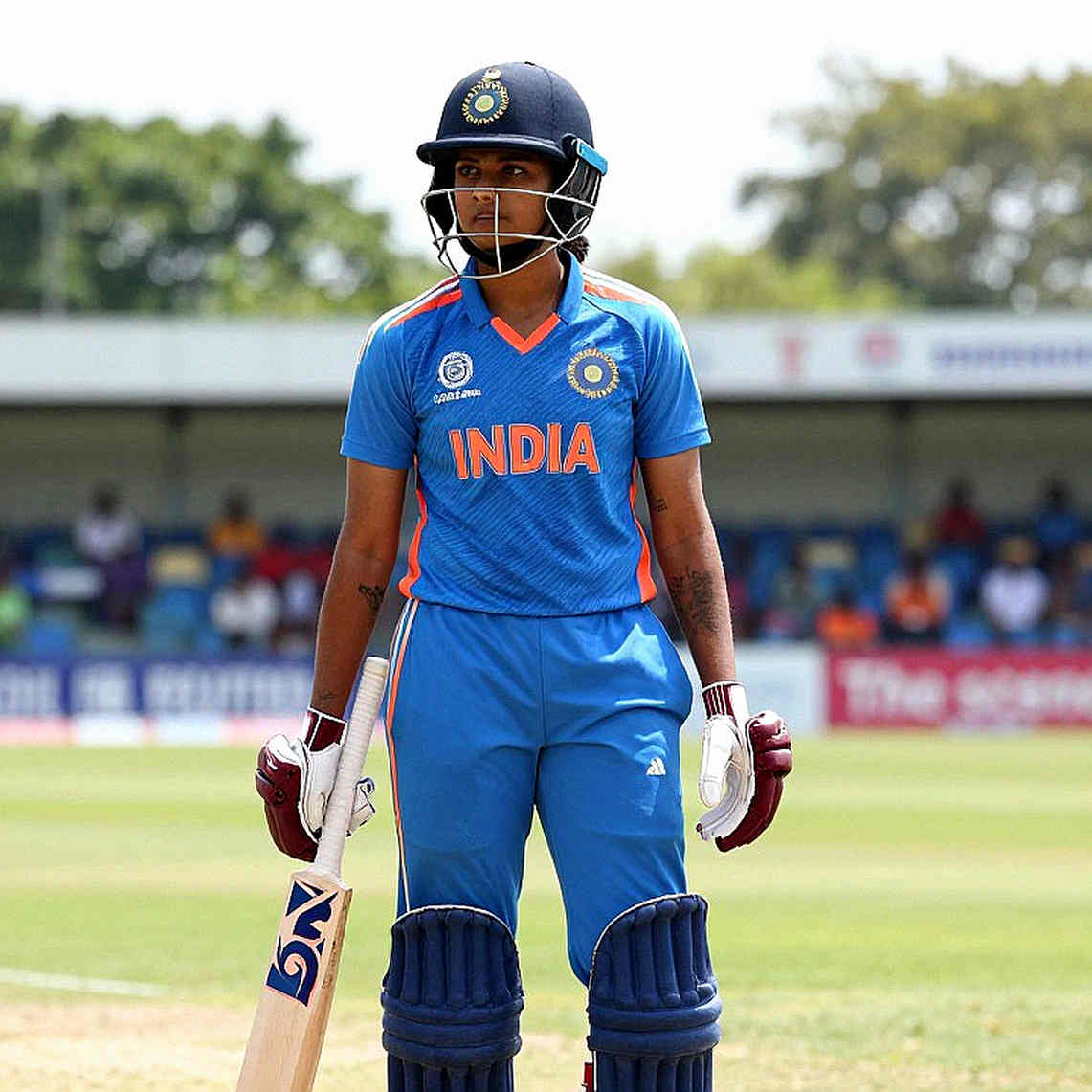
I learned to separate a partnership's strike rate from a match's result during the 2026 bio-bubble in Goa, covering 20 matches in empty stadiums. The scoreboard sometimes wins a match; sometimes it only trims the margin. Rawalpindi was the second kind.
Rawalpindi historically rewards pace and carry, with short square boundaries. A total of 305 batting first is par-plus, not a dominant score. Kusal Mendis won the toss and chose to bowl — a defensible call on a seam-friendly surface. The match was not lost at the toss.
Sri Lanka fielded three returning players at once: Avishka Fernando, Arachchige and Shanaka. That single line says the side is searching for a settled XI rather than executing a settled plan.
The bowling was entirely seam-led. Nine of Pakistan's ten wickets fell to three specialist quicks — Malinga 4/46, Asitha Fernando 3, Madushanka 2. Across sixteen information points, spin is never mentioned once. Either it was marginal on this pitch, or the report omitted it. In both cases, both squads' spin plans remain untested for the rest of the tournament.
Salman Agha's 107 off 90 balls is a strike rate of 118.9 — aggressive-anchor tier, well above the 85-95 template for an ODI top-order innings. But the shape matters: ten fours and one six, 46 runs in boundaries, 43 percent of his output. This was not a rotation-heavy innings. He scored in clusters, and the dot-ball pressure accumulated elsewhere.
Agha's 107 is 35.1 percent of Pakistan's 305. That is a dependency signal, not a strength signal. A total built on one century with no other contribution disclosed means the supporting cast is unevidenced. Pakistan's depth is not unproven because they batted badly; it is unproven because the data does not exist.
The conventional reading will call Agha Pakistan's new anchor. If the top order had already fallen, the innings should be called a rescue, not an anchor. The 35 percent share is precisely the arithmetic that raises the question.
The most under-reported performance came from the losing side. Eshan Malinga's 4/46 were the best figures of the match, and they will be buried because Sri Lanka lost. If those were a full ten-over quota, the economy was 4.60 — excellent at this total. Which raises the real question: if Sri Lanka's best seamer went at 4.60, how did 305 get built? Almost certainly in the fifth-bowler and spin overs. Not stated, but arithmetically near-certain.
Shaheen Afridi's 3/55 confirms he is Pakistan's lead wicket-taking option, but conceding 55 is not a demolition. 'Leading the attack' is positional here, not statistical dominance.
An honest caveat is required. The report gives wickets for every bowler and overs for none. Four wickets in seven overs is a different performance from four in ten. Economy and bowling average cannot be computed. Every bowling assessment from this match is rate-blind; what is being described is the language of figures, not a verdict on skill.
The 37-run margin overstates Pakistan's control. Sri Lanka were 91 for 4 and still reached 268 — a side in the contest for more than 35 overs. A 37-run win with the opposition four down early does not earn sweeping praise for middle-overs discipline.
Sri Lanka's problem is narrow and diagnosable: top-order survival against the new ball, not middle-order ability. Rathnayake and Liyanage proved the middle order functions. Their defensive code was not a wall; it was an unfinished conversation — broken in the first fifteen overs.
The outside reading is where the errors are being made. The first is almost inevitable: a concurrent three-match T20I series in the same window, which Sri Lanka won dominantly in the third game. That carries zero predictive weight for this ODI series. Change the format and the pitch, ball age, fielding restrictions and innings length all change with it.
The second error is writing Sri Lanka off too fast. 268 all out sounds like a collapse. From 91 for 4, it is a fight conducted below the required rate.
The third is the toss. Mendis bowled first and lost, and Sri Lankan media will scrutinise that beyond its causal weight. The match was lost in the first fifteen overs, not at the toss.
One gap remains unexamined: this is a tri-series, and the third team is never named anywhere in the report. That limitation makes any picture of the tournament's overall competitiveness impossible to draw.
Before the next match I will write three things in the notebook first. One: whether Pakistan reach 280 when Agha scores under 40 — the real dependency test. Two: how many wickets Sri Lanka lose inside fifteen overs — two or more confirms a structural top-order flaw rather than a one-off. Three: how many overs Shaheen bowls and which match he rests — with a T20I series and an ODI tri-series stacked in one window, workload management is a board decision, not a player's.
And I will watch one more thing closely: whether any spinner takes a wicket in this tournament. Sixteen information points contain zero spin data. If the surface turns, that absence becomes the largest unknown of the series.